



Framed Victorian Child Dress
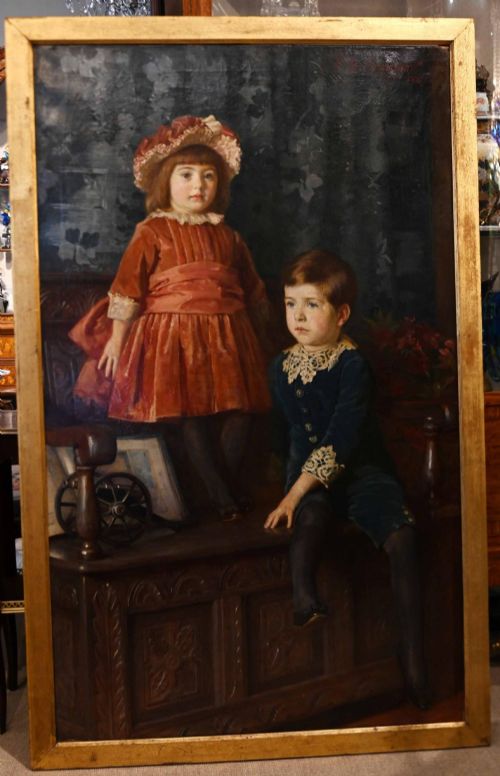
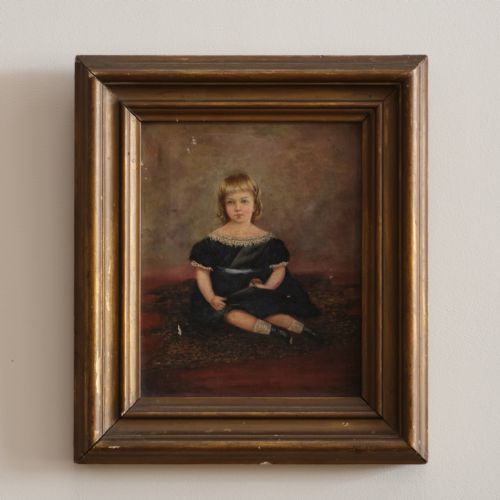
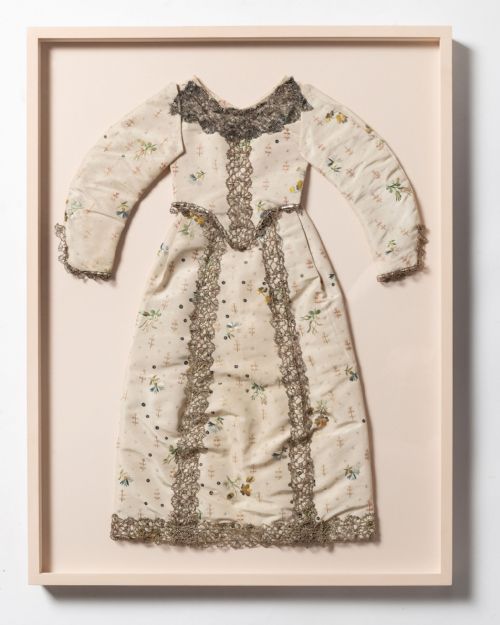
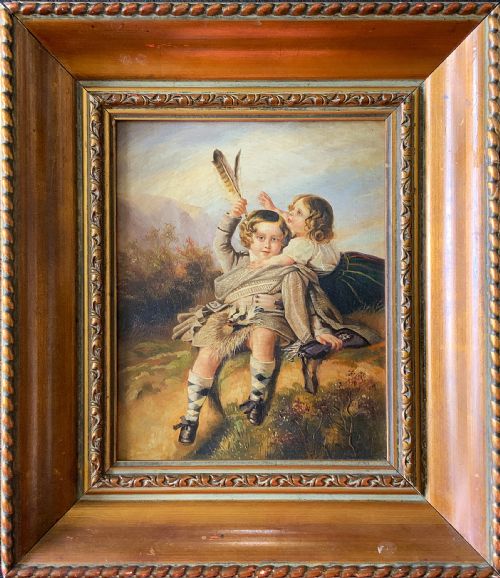
These framed victorian child dress pieces combine period portraiture and textile presentation, offering a glimpse into nineteenth-century domestic life that collectors prize.
Framed Victorian Child Dress
A framed victorian child dress search brings up nineteenth-century portraiture and mixed-media works showing young subjects in period attire. These pieces capture children in oil on canvas, watercolour, and pastel, often highlighting specific garments of the era.
The selection on this page ranges from naive folk art oils to detailed watercolour paintings and framed textiles. Makers span the English Naive School alongside academic painters, recording the changing styles of children's clothing across the decades.
How they were made
Artists painted oil on canvas or applied watercolour on paper, frequently framing the finished work in period giltwood and gesso moulding. Textiles and pastels also appear, mounted behind glass to protect delicate surfaces from atmospheric moisture.
Wood serves as the primary structural material for the underlying stretchers and the surrounding frames. Guild techniques of the nineteenth century ensured that gesso ornamentation was applied directly to wooden mouldings before gilding.
One young boy appears immortalised alongside a butterfly, proving that nineteenth-century children struggled to sit still for portraits just as they do today.
What varies in quality
Original frames matching the period of the painting add considerable weight to a piece. Condition of the canvas, minimal overpainting, and clear provenance elevate individual works above comparable items in the same category.
Helena Maguire·William Egley·Linnie Watt·Henry Scott
The Framed Victorian Child Dress Glossary
- Naive art
- Artwork produced by an artist lacking formal academic training, often characterised by a flat perspective and honest charm. This style frequently appears in nineteenth-century portraits of children.
- Giltwood
- Wood that has been coated with a thin layer of gold leaf or powder. It forms the decorative surface of many traditional Victorian picture frames.
- Gesso
- A plaster-like mixture applied to wood frames to create a smooth surface for gilding and moulding relief details. It is susceptible to chipping if mishandled.
- Watercolour
- A painting method in which the paints are made of pigments suspended in a water-based solution. Works on paper require protection behind glass.
- Impressionism
- A nineteenth-century painting style focusing on accurate depiction of light and ordinary subject matter. It appears in later Victorian domestic scenes.
Framed Victorian Child Dress: Frequently Asked Questions
What is a framed victorian child dress portrait?
It is a nineteenth-century artwork depicting a child, often highlighting the specific garments worn during the Victorian era. These pieces survive as oil paintings, watercolours, or pastels.
Many examples lean towards folk art or naive painting styles, recording the domestic clothing and social history of the period.
How do I care for these paintings?
Keep the artwork away from direct sunlight and sources of heat to prevent the canvas from cracking or the watercolours from fading. Stable room temperatures protect both the painting and its original frame.
Ensure glass-fronted watercolours remain sealed against dust and moisture, and dust giltwood frames gently with a dry cloth.
Are original frames important?
Original giltwood and gesso frames contribute significantly to the historical integrity of a nineteenth-century portrait. They show the matching craftsmanship of the period.
Replacement frames alter the overall visual balance, though many older pieces have undergone reframing over the course of their history.
How can I tell the age of the portrait?
Dating relies on the style of the child's dress, the pigments used, and the construction of the stretcher frames or backing boards. Clothing styles provide the most immediate clue to the decade.
Signatures, artist records, and framing techniques further help narrow down the production period within the nineteenth century.