


Embroidered Dress
These embroidered antique dress options offer historic textile work from the nineteenth century onward, bringing traditional garment construction into modern spaces.
Embroidered Dress
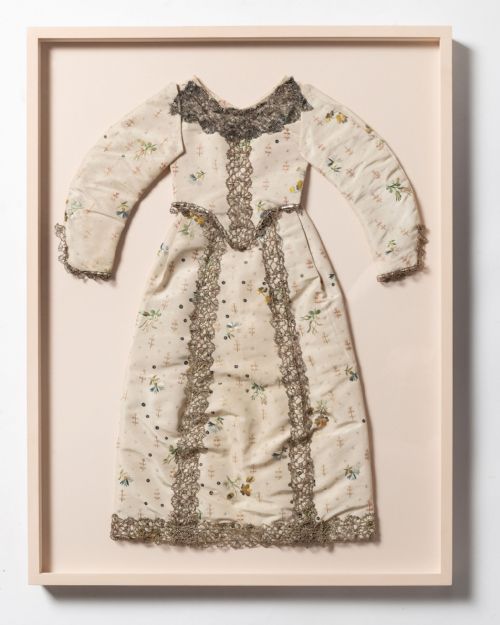
An embroidered antique dress brings together historical textile craft and traditional garments, spanning the nineteenth century up to nineteen-twenty.
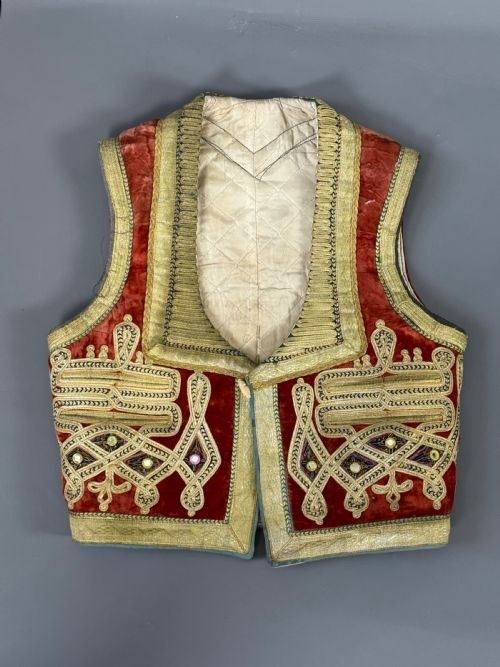
The options here include framed textiles, traditional garments, and velvet dresses featuring silver metal thread brocade work.
Originating from periods such as the Victorian era and nineteen-ninety, these pieces demonstrate historic needlework and fabric design.
How they were made
Makers utilised silk, wool, and velvet as foundational fabrics for these traditional garments and textile pieces.
Surface decoration relies on needlepoint and silver metal thread brocade work applied directly to the textile.
Construction techniques from the nineteenth century involve detailed hand-stitching and traditional loom weaving.
Listings feature items spanning the nineteenth century to nineteen-twenty, incorporating materials such as velvet, wool, and silk.
What varies in quality
The complexity and density of the needlepoint and metal thread brocade work determine the visual depth of the garment.
Condition of the base fabric, whether velvet or silk, dictates the overall integrity of the historical piece.
Fidelity of period styling and the precision of the hand-applied embroidery separate standard examples from finer works.
The Embroidered Dress Glossary
- Brocade work
- A class of richly decorative shuttle-woven fabrics, often made with coloured silk and metallic threads. These additions provide raised surface patterns on antique dresses.
- Needlepoint
- A type of canvas work where yarn is stitched through a stiff open-weave canvas using a tapestry needle. This technique creates durable and dense decorative surfaces.
- Velvet
- A type of tufted fabric in which cut threads are evenly distributed, with a short dense pile, giving a distinct feel. It serves as a primary heavy fabric for nineteenth-century garments.
- Textile
- Any material made of interlacing fibres, including woven, knitted, or felted fabrics. Historical pieces rely on these fabrics for their primary structure.
Embroidered Dress: Frequently Asked Questions
How should I clean an embroidered antique dress?
Historic garments require specialist textile conservation rather than standard laundering methods. Professional assessment protects fragile silk, velvet, and metal thread embroidery from damage.
Displaying pieces away from direct sunlight prevents the fading of natural dyes in the fabric.
Can I wear an embroidered antique dress?
Most historic garments function better as display pieces, framed textiles, or study items due to the delicate nature of nineteenth-century fabrics.
Handling should be kept to a minimum to preserve the structural integrity of the silk, wool, and metal threads.
What periods do these dresses come from?
The listings span the nineteenth century, including Victorian examples and pieces from eighteen-ninety.
Each era brings distinct tailoring methods and decorative motifs reflective of its time of origin.
How do I identify metal thread brocade?
Metal thread brocade incorporates flat strips or twisted wires of silver-coloured metal into the woven or embroidered design. Under magnification, the metallic elements show hand-working characteristics.
Genuine period pieces display natural tarnish rather than uniform modern metallic coatings.