


Framed Gown
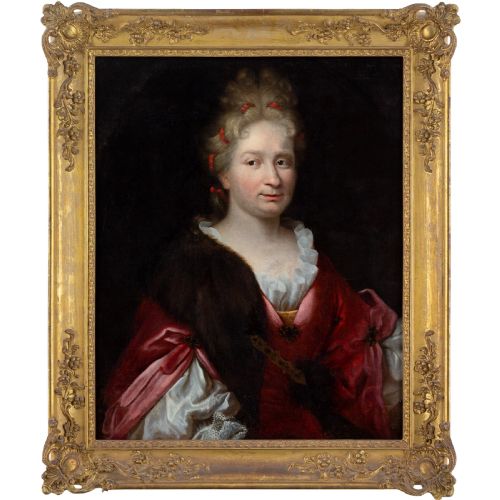
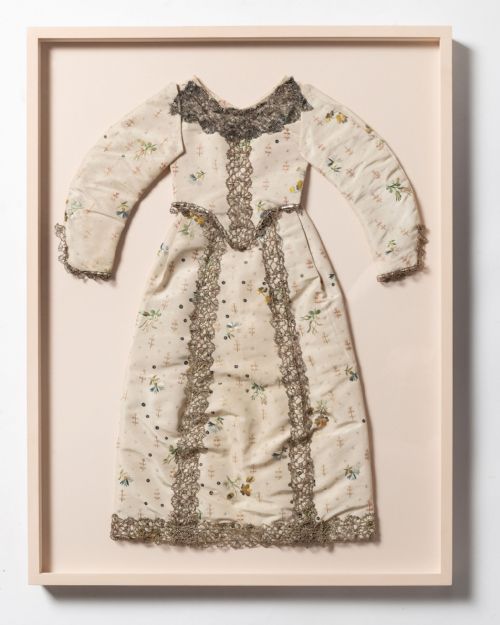
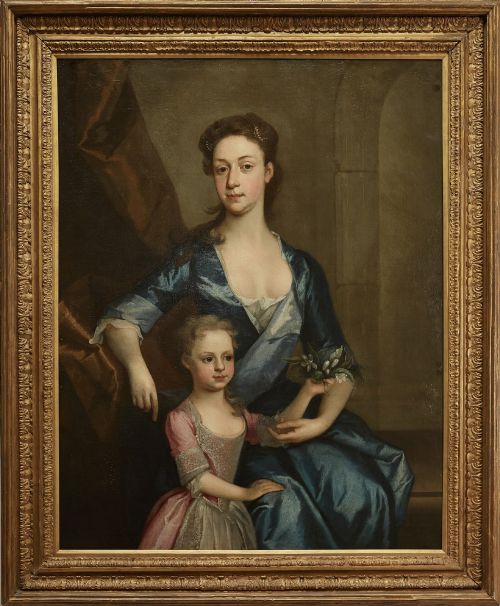
A framed antique gown appears most often as a painted portrait of a subject wearing silk or metallic thread, or as textile art.
Framed Gown
When searching for a framed antique gown, buyers encounter oil paintings, miniature watercolours, and textile art spanning the sixteenth century to the early twentieth century. Portraits depict subjects wearing blue, green, and silver gowns with gold braided tassels, alongside Chinese silk embroidered child robes and framed dresses.
The pieces on this page derive from periods including the Italian Renaissance, Baroque, Georgian, Regency, Rococo Revival, and Victorian eras. Portrait subjects are captured in oil on canvas and miniature watercolour on ivory, framed in wood, giltwood, and glass.
Materials and construction
Artists painted oil on canvas or oil paint directly onto canvas, whilst miniature portraitists worked on ivory with watercolour. Textile pieces incorporate silk and metallic thread.
Makers housed these works within frames constructed from wood and giltwood, often protected by glass to preserve the painted surfaces and delicate fabrics.
Several ladies immortalised in oil paint secured their place in history while wearing remarkably elaborate silver dresses and gold braided tassels.
Assessing quality
Quality rests upon the execution of the portraiture and textile needlework, distinguishing accomplished hands from routine workshop production. The preservation of the canvas, panel, or silk determines the visual integrity of the gown and subject.
The craftsmanship of the surrounding frame, whether carved giltwood or simple wood, contributes to the overall standard of the surviving piece.
Robert Byng·Bernardino Luini·Joseph Highmore·Joaquín Luque y Roselló·Thomas Murray·Sir Peter Lely·Nathaniel Hone·Robin Watt·John Michael Wright·Philip Mercier·Eden Upton Eddis·John Verelst
The Framed Gown Glossary
- Giltwood
- Wood carved and coated with gold leaf or a gold-coloured finish. This material is commonly found framing portraits and mirrors from various historic periods.
- Oil on Canvas
- Pigment mixed with drying oil applied to a stretched woven fabric support. This medium permits subtle blending of colours in fabric folds and skin tones.
- Miniature Watercolour
- A small-scale painting executed in water-soluble pigments. These delicate works frequently depict individual sitters on supports such as ivory.
- Metallic Thread
- Filament made from or wrapped in metal used for embroidery. Such threads add reflective detail to garments depicted in portraits or textile art.
Framed Gown: Frequently Asked Questions
What periods do these pieces date from?
The selection spans from the sixteenth century through the seventeenth, eighteenth, and nineteenth centuries into the early twentieth century.
Works represent movements such as the Italian Renaissance, Baroque, Georgian, and Regency eras.
What materials were used for these artworks?
Painters utilised oil on canvas and watercolour on ivory. Textiles incorporate silk and metallic thread.
Frames are built from wood and giltwood, often protected by glass.
How were these portraits used historically?
Portraits of ladies and gentlemen hung in private residences to record family lineages and social standing. Miniature paintings served as personal mementos.
Textile pieces such as embroidered robes held ceremonial or domestic value.
How do I care for a framed textile or painting?
Keep pieces away from direct sunlight to prevent the fading of silk fabrics and oil pigments. Maintain stable room temperatures to protect wood and giltwood frames.
Avoid moisture exposure near exposed canvases and delicate threads.