
Framed Victorian Watercolour Picture
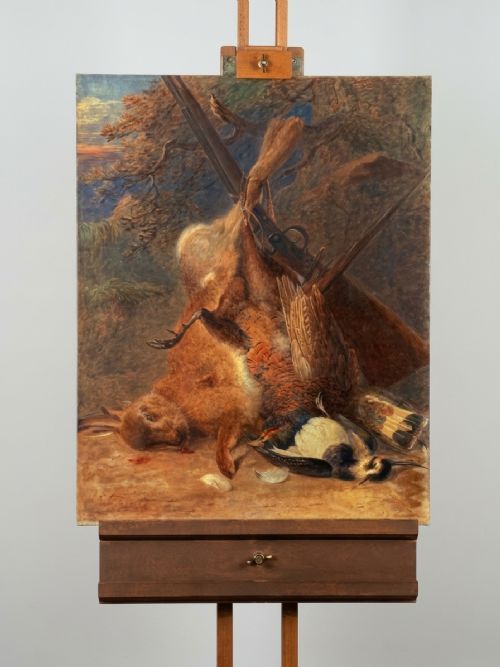
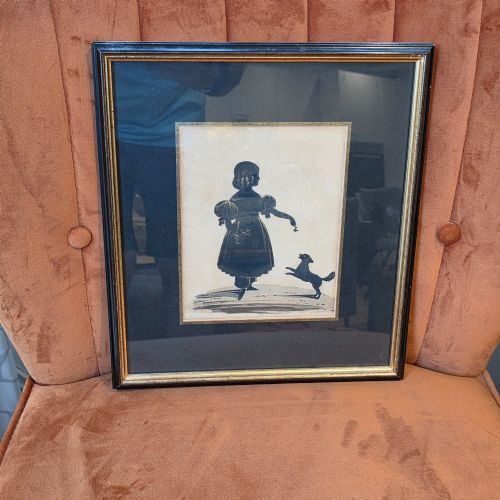
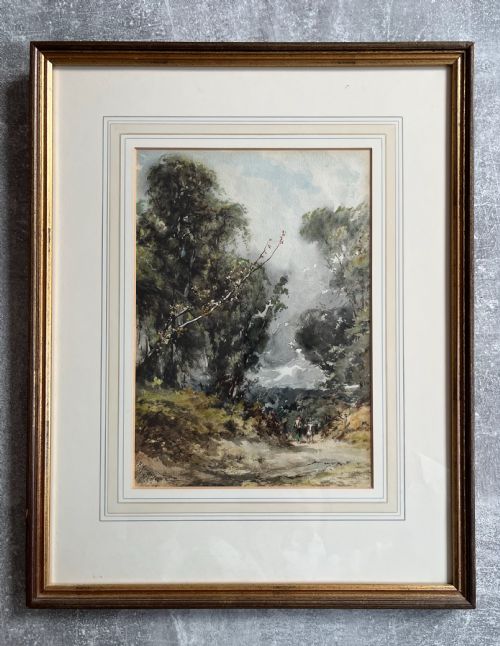
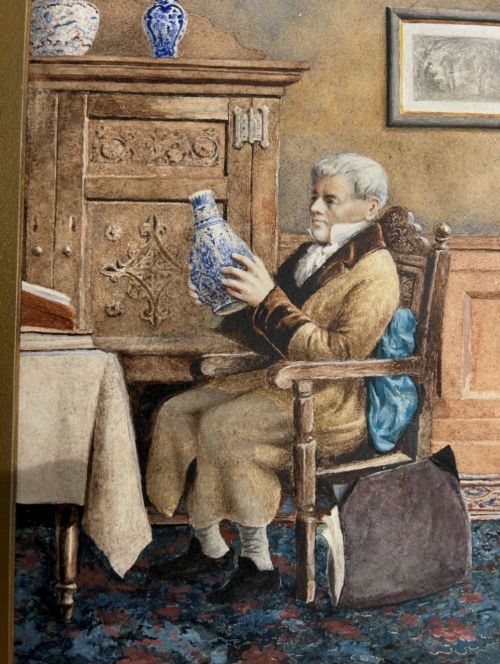
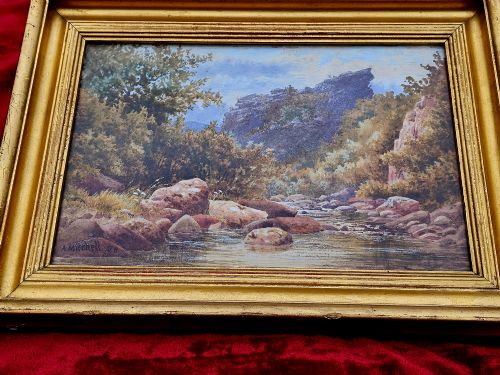
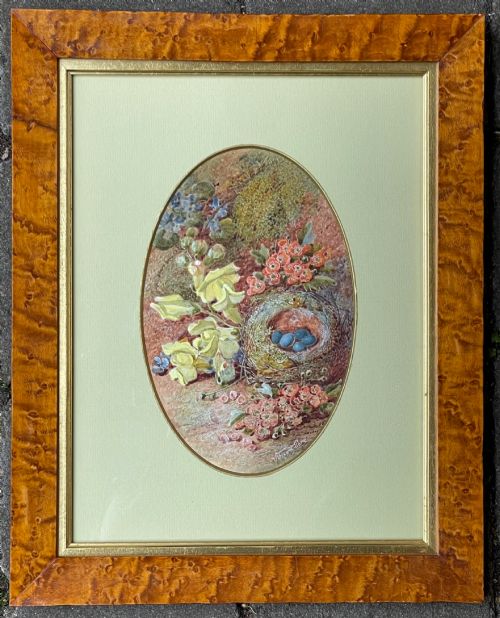
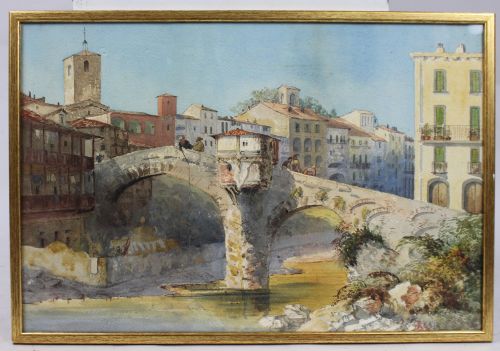
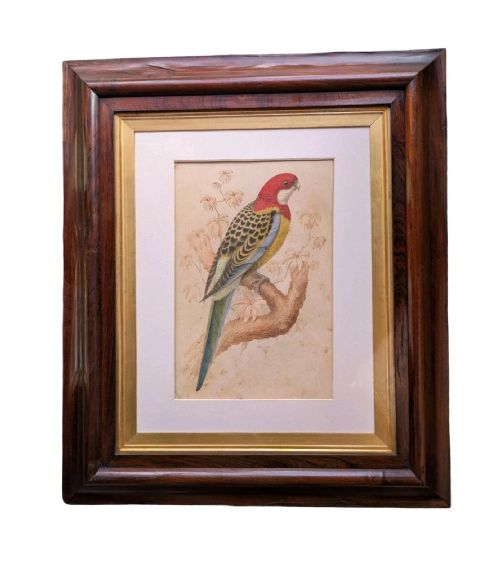
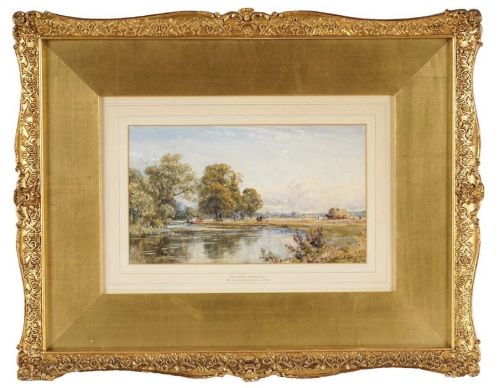
A framed Victorian watercolour picture brings the nineteenth-century landscape, portrait, and marine scene directly to the wall inside a period wood and glass case.
Framed Victorian Watercolour Picture
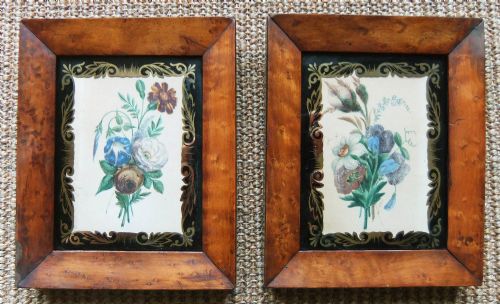
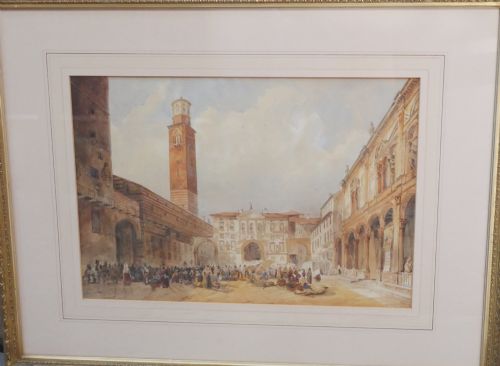
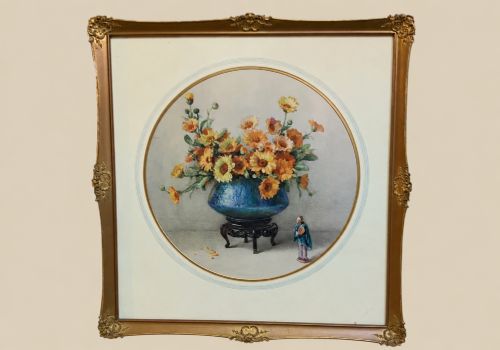
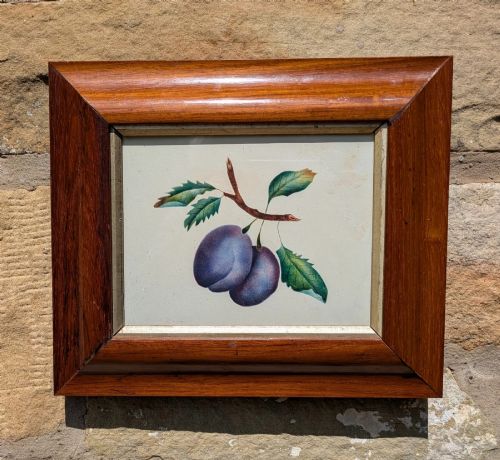
When you search for a framed victorian watercolour picture, you encounter paper works executed in watercolour pigment, bodycolour, and pencil, depicting British landscapes, coastal views, portraits, and botanical studies.
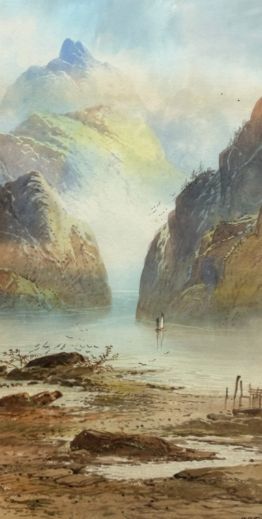
The pieces on this page span the nineteenth century into the Edwardian era, capturing everything from quiet Scottish lochs and Welsh valleys to detailed still lifes of fruit and flowers.
You frequently meet works housed behind glass within rosewood or gilt wood frames, preserving the delicate paper supports against dust and moisture.
Materials and execution
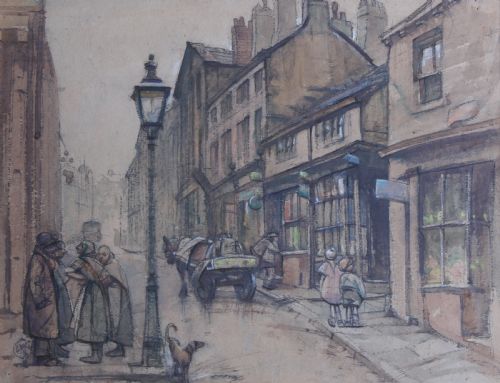
Artists painted primarily with watercolour pigment and bodycolour on paper supports, sometimes combining pastel or ink to define details in portraits and townscapes.
The finished works were secured behind glass inside timber frames constructed from materials such as wood, rosewood, and gilt wood, often accented with gold leaf.
Signatures, dates, and inscriptions were frequently added directly to the paper or mount by the hand of the artist, recording the precise year and location of creation.
One delicate portrait miniature preserves the exact likeness of a nineteenth-century dragoons officer for posterity.
Distinctions in execution and preservation
The distinction between standard works and those of higher merit rests on the surety of the brushwork, the depth of the composition, and the complexity of the subject matter, such as detailed figures or architectural perspective.
Condition plays a central role, distinguishing works with vibrant, unfaded pigment and clean paper supports from those affected by foxing, damp, or heavy sun exposure.
The original housing also contributes, as period frames matching the exact decade of the painting provide an integrity that later replacements lack.
Harry Bright·Cuthbert Crossley·William James Hubard·George Fotherly Hargitt·William Henry Earp·Henry Stacy Marks·A. Mitchell·Vincent Clare·R. Hurst·Robert Thorne Waite·Joseph H Barnes·Ernest Arthur Rowe·Frederick Walker·Frederick James Kerr·Catherine Thomas·Henry Martin Pope·David Cox·Albert Ludovici Jnr·Herman S Melville·George Stanfield Walters·Charles Edward Wilson·John Moxon·George Kilburne·Alfred George Morgan·Thomas Cooper Moore
The Framed Victorian Watercolour Picture Glossary
- Watercolour pigment
- A colourant bound in a water-soluble medium, applied to paper to create transparent washes of colour.
- Bodycolour
- An opaque watercolour paint mixed with white pigment, used by artists to add highlights and solid areas of tone.
- Foxing
- The brown spots and patches caused by chemical reactions in the paper over decades of exposure to humidity.
- Gilt wood
- Carved timber finished with a thin layer of gold leaf or metallic gilt, typical of nineteenth-century picture frames.
Framed Victorian Watercolour Picture: Frequently Asked Questions
How do I date a watercolour picture?
Many nineteenth-century works feature inscriptions, signatures, and dates written directly on the paper by the artist. Examining the style of the frame, the backing boards, and the paper type also helps determine the exact period.
Fashions in clothing, architecture, and landscape subjects depicted within the painting offer further clues to narrow down the decade of creation.
Are these paintings original?
The works listed are original hand-painted watercolours created on paper rather than modern mechanical reproductions. Each piece represents a singular application of pigment by an artist working in the field or studio.
Brushstrokes, pencil underdrawings, and the texture of the paper confirm the hand-rendered nature of every individual artwork.
How should I hang a watercolour?
Watercolour pigments are sensitive to ultraviolet light and can fade severely if exposed to direct sunlight over long periods. Hang your framed picture on an interior wall away from bright windows and damp areas.
Maintaining a stable room temperature prevents the paper from buckling and protects the wooden frame from shrinking or cracking.
What is bodycolour?
Bodycolour is an opaque form of watercolour paint made by mixing pigment with a white filler, such as chalk. Artists utilised this technique to introduce solid highlights and dense areas of light into their compositions.
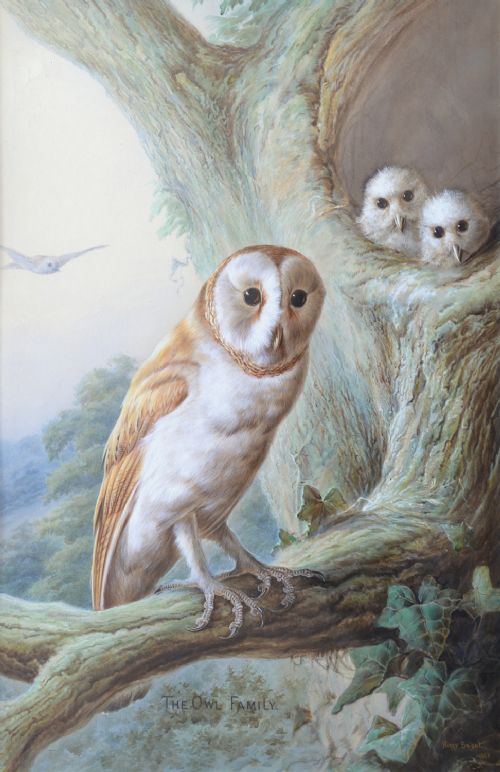
It appears frequently in nineteenth-century landscapes and animal studies to create stark contrasts against transparent washes.