




Framed Victorian Sketches
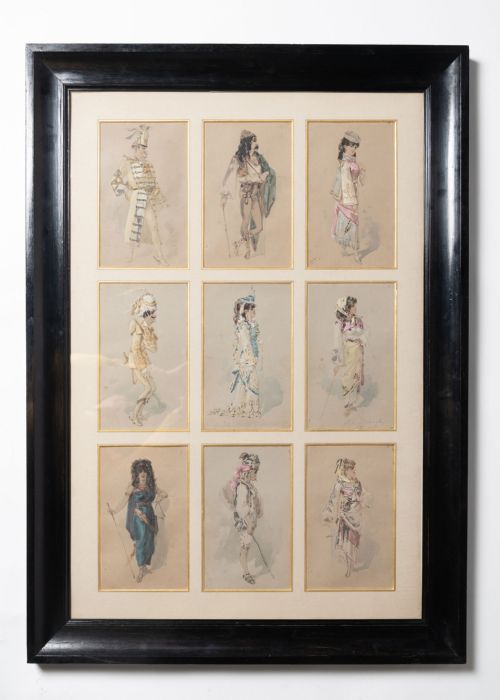
Framed victorian sketches bring intimate nineteenth-century hand-drawn studies and watercolours directly to domestic walls.
Framed Victorian Sketches
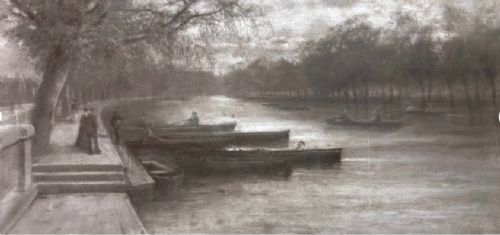
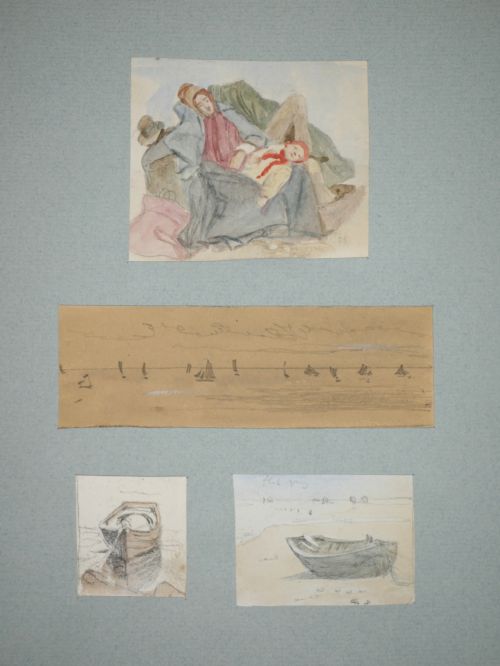
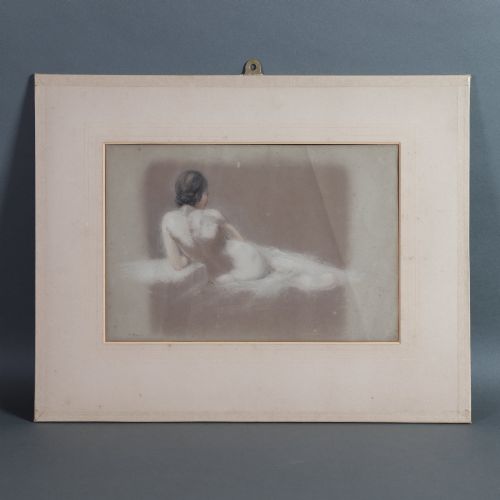
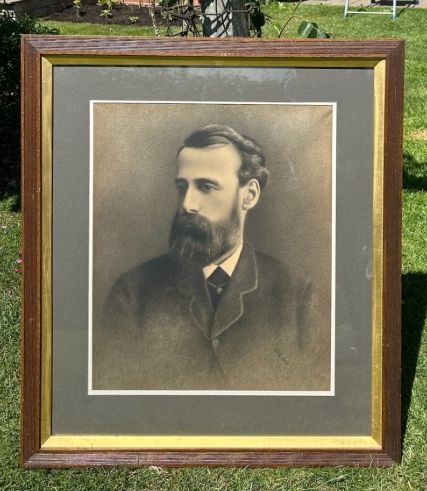
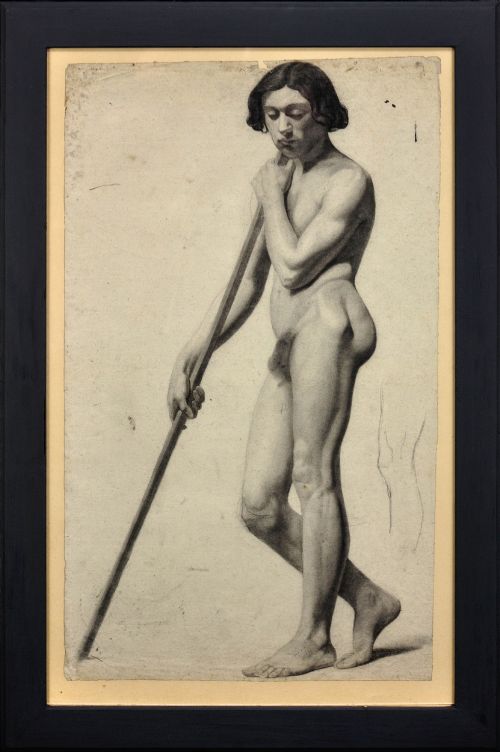
Framed victorian sketches comprise works on paper created during the nineteenth century, capturing everything from swift maritime watercolours to careful architectural elevations. These pieces reflect the varied drawing practices of the period, spanning academic life studies, portraiture, and topographical views.
Most examples encountered here date from the mid to late nineteenth century, executed in mediums such as graphite, charcoal, pen and ink, and watercolour. They frequently arrive in period wooden frames with glass protection, preserving delicate surfaces that have survived well over a century.
Materials and Working Methods
Artists relied primarily on paper supports, applying watercolours, charcoal, chalk, graphite, and ink to record observations or prepare larger compositions. Mixed media studies combine these agents, allowing practitioners to build tone and line with distinct immediacy.
Framing protected these fragile works behind glass using wooden mouldings, which frequently complement the monochromatic or tonal qualities of the drawings within.
Framed Victorian Sketches Retail Price Guide 2026
Typical asking prices for framed victorian sketches among the pieces listed under this phrase on Sellingantiques today, from the lower quarter to the upper quarter. They describe what is for sale here now, not the wider market.
Listings feature works on paper including charcoal, watercolour, and graphite spanning the entire nineteenth century.
Assessing Draftsmanship and Condition
Quality rests principally on the sureness of the hand and the clarity of observation, distinguishing hurried student exercises from confident works by accomplished artists. Strong draftsmanship shows purposeful control of line and tone, whether in a detailed portrait or a rapid landscape study.
Condition also governs value, as paper is vulnerable to foxing, fading, and damp. Well-preserved sheets retain their original contrast and colour without heavy restoration or chemical cleaning.
James Smetham·William Etty·Louis Wain·Hercules Brabazon Brabazon·George Richmond
The Framed Victorian Sketches Glossary
- Charcoal
- A dry drawing medium made from burnt organic material that produces deep blacks and soft smudged tones. It allows artists to work quickly with broad strokes of light and shade.
- Graphite
- A form of carbon used in pencils to produce grey lines and tonal shading. Artists employed it for precise preliminary outlines as well as finished portraits.
- Grisaille
- A painting or drawing executed entirely in shades of grey, neutral grey, or monochromatic tones. It often emulates the appearance of sculpture or serves as an underpainting.
- Foxing
- Brown spots and discolouration that develop on older paper due to chemical reactions over time. Moisture exposure accelerates this common ageing process.
- Academic study
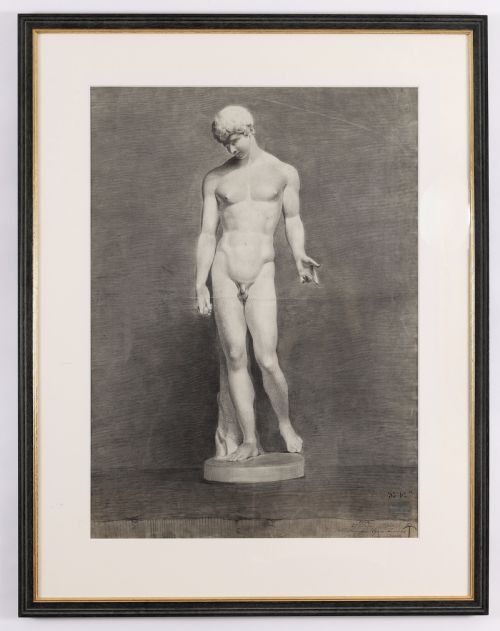
- A rigorous drawing or painting produced within a formal training tradition, frequently focusing on the human figure or classical sculpture. These works served to hone the artist's technical skill.
Framed Victorian Sketches: Frequently Asked Questions
What defines a genuine nineteenth-century sketch?
Genuine nineteenth-century sketches display period-appropriate paper textures, watermarks, and traditional framing methods that align with Victorian working practices.
Closer inspection often reveals hand-mixed pigments, genuine graphite or ink application, and natural ageing signs that modern reproductions cannot replicate.
How were these drawings originally used?
Many pieces began as preparatory studies for oil paintings, architectural designs, or intimate records kept in artists' personal portfolios.
Others served as finished works intended for domestic display, educational instruction, or polite amateur accomplishments within Victorian households.
How should I care for framed works on paper?
Protect antique paper from direct sunlight and high humidity to prevent fading, foxing, and warping of the fragile support.
Keep them away from fluctuating temperatures and ensure the protective glass remains sealed against dust and atmospheric pollutants.
Can I tell if a drawing is a preparatory study?
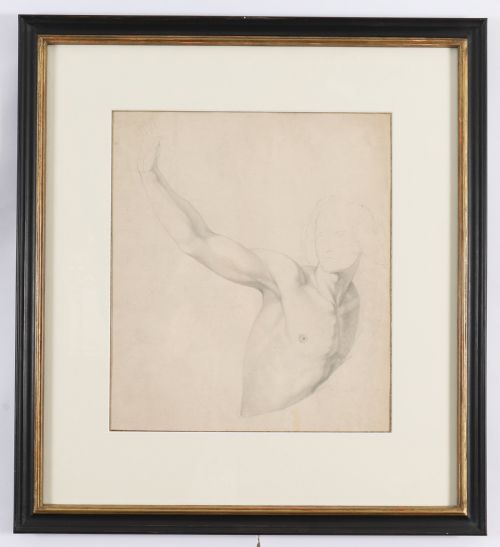
Preparatory studies frequently exhibit grid lines, compositional notes, anatomical adjustments, or rapid hatching used to plan proportions.
They often focus on a single limb, facial expression, or architectural detail rather than presenting a fully resolved narrative scene.