



Framed Textile Fragment
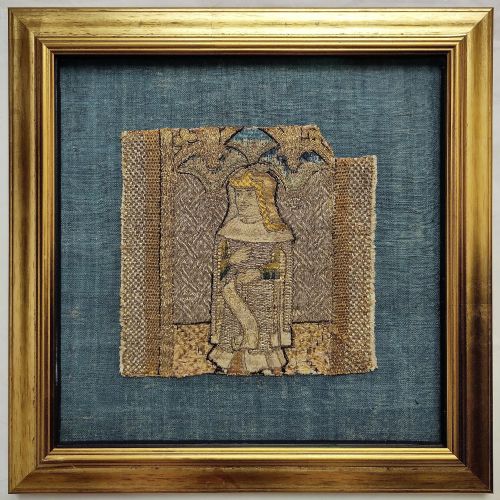
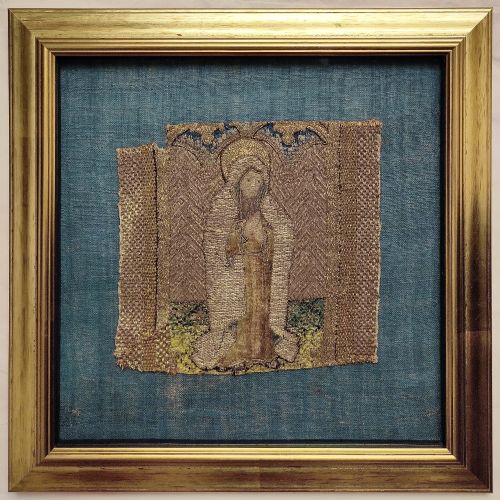
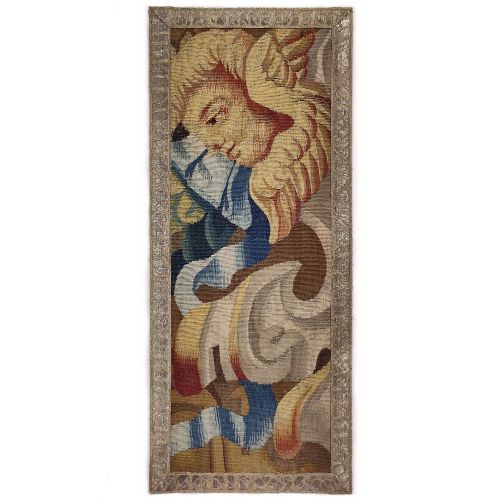
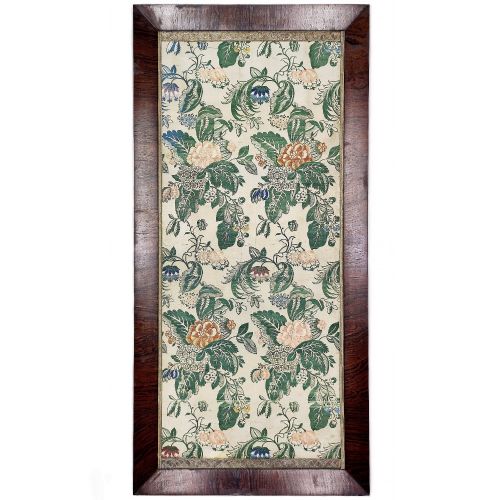
A framed textile fragment brings historic needlework, tapestries and embroideries to the wall, preserving surviving sections of wider historic pieces.
Framed Textile Fragment
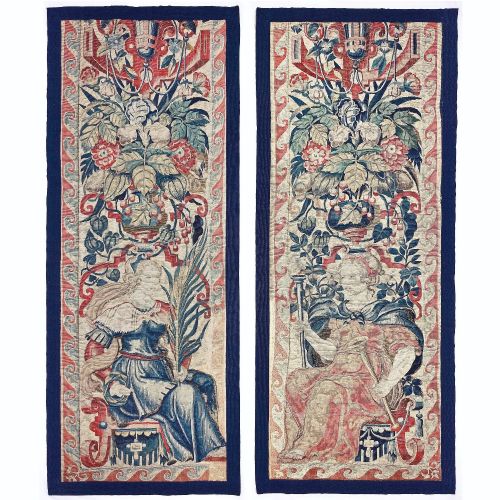
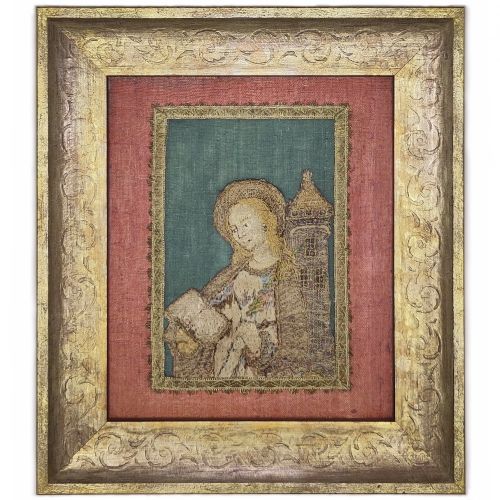
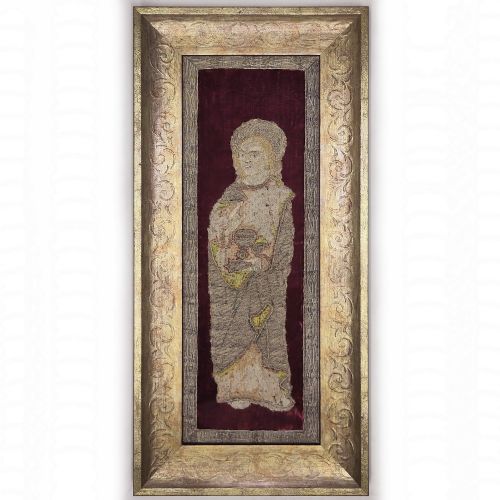
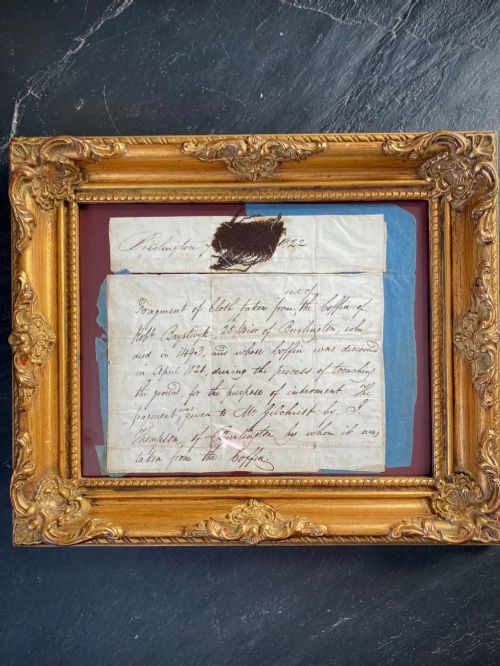
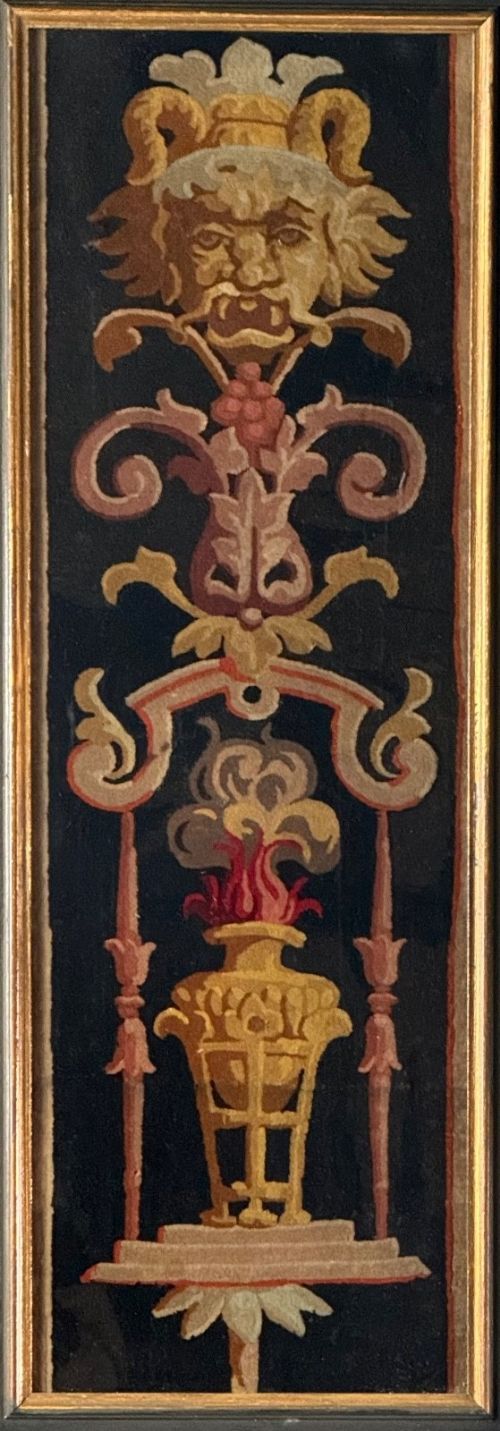
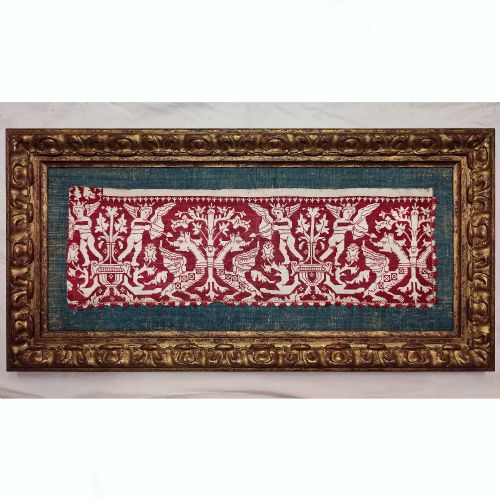
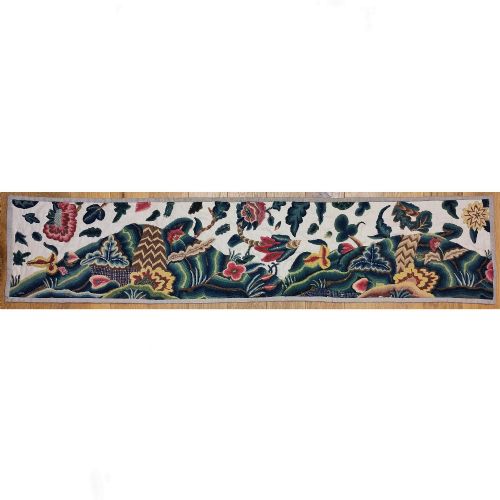
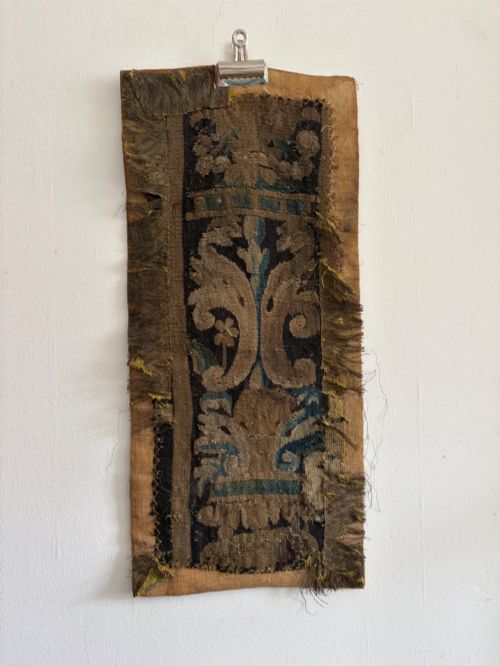
A framed textile fragment is a surviving portion of an older textile, such as a tapestry border, embroidery, crewelwork panel, or woven rug section, mounted and framed for display as wall art.
The selections encountered here span several centuries and geographic origins, ranging from seventeenth-century Italian borders and English crewelwork to Ottoman embroideries and nineteenth-century tribal fragments.
These pieces allow collectors to own historic textile art where the original whole object no longer survives, turning remnants of tapestries, cushions, and nomadic weavings into focused visual compositions.
Materials and construction methods
Makers utilised natural fibres including wool, silk, linen, and cotton, frequently embellished with metallic thread for rich textural contrast.
Techniques vary from hand embroidery and needlework to tapestry weaving and beadwork, reflecting the specific traditions of origins such as England, Flanders, Italy, and the Ottoman Empire.
Mounting and framing methods secure the delicate historic fabrics, often placing the textile against a neutral linen backing inside wooden or gilded wood frames behind glass.
Framed Textile Fragment Retail Price Guide 2026
Typical asking prices for framed textile fragment among the pieces listed under this phrase on Sellingantiques today, from the lower quarter to the upper quarter. They describe what is for sale here now, not the wider market.
The inventory records pieces spanning from the seventeenth century through to the early twentieth century, utilising wool, silk, linen, and metallic thread.
Judging quality in textile fragments
Quality rests in the fineness of the needlework or weave, the complexity of the design, and the vibrancy or subtlety of the surviving natural dyes.
The condition of the textile fabric itself dictates value, as strong fibres and stable mounts ensure the fragment presents clearly without distracting losses.
Historical depth and distinctive regional motifs elevate certain examples, particularly where specific styles like verdure tapestries or seventeenth-century crewelwork remain clearly legible.
The Framed Textile Fragment Glossary
- Verdure tapestry
- A type of woven wall hanging depicting landscape foliage, trees, and animals. Border fragments from these larger works frequently survive as independent panels.
- Jajim
- A tightly woven flatweave textile produced in strips and stitched together. These colourful striped cloths originate from nomadic and village traditions.
- Mafrash
- A storage bag or panel associated with nomadic tribes such as the Teke. Fragments retain distinctive tribal iconography and geometric patterning.
- Needlework
- Any work executed with a needle and thread. In historic pieces, this encompasses canvas work, embroidery, and pictorial panels.
Framed Textile Fragment: Frequently Asked Questions
How do I hang a framed textile fragment?
Hang these pieces away from direct sunlight to protect delicate natural dyes in wool and silk from fading over time.
Ensure the room maintains stable humidity levels to prevent the historic fibres and wooden frames from degrading.
Are these pieces cleaned before framing?
Historic textiles generally retain their original surface patination and are rarely subjected to aggressive modern washing.
Professional mounting focuses on secure support behind glass rather than chemical cleaning.
How can I tell the age of a textile fragment?
Age is identified through the material composition, dye types, stitching techniques, and stylistic motifs characteristic of specific periods.
Comparing the weave structure and design vocabulary to documented examples helps narrow down the century of production.
What is the difference between a tapestry and an embroidery fragment?
A tapestry fragment is formed by weaving coloured weft threads through a warp on a loom to create a pictorial design.
Embroidery is stitched directly onto an existing woven ground fabric using a needle and various threads.