





Framed Sporting Watercolours
Framed sporting watercolours capture field sports, hound packs and horses on paper, offering collectors a direct link to historical countryside pursuits.
Framed Sporting Watercolours
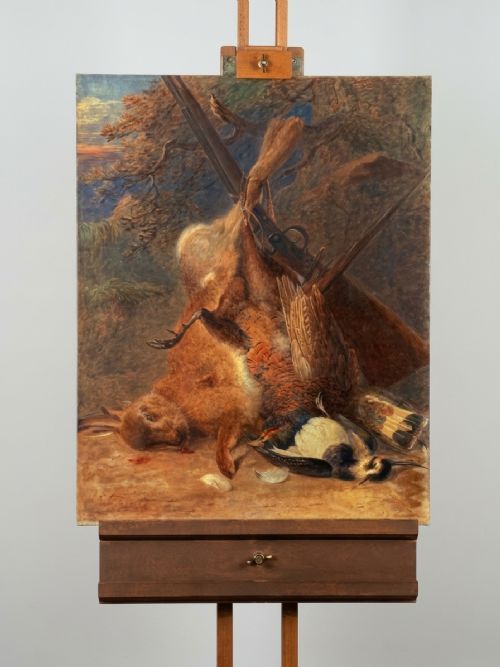
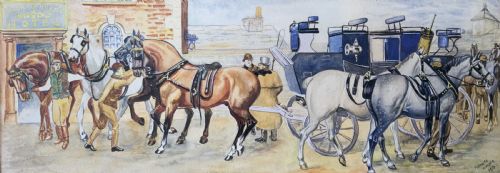
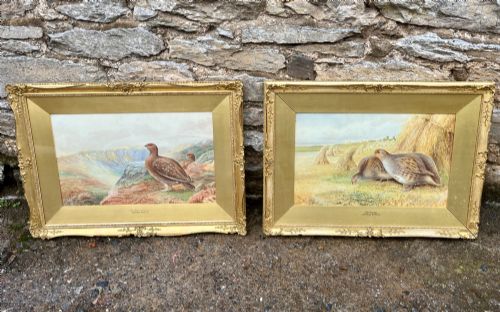
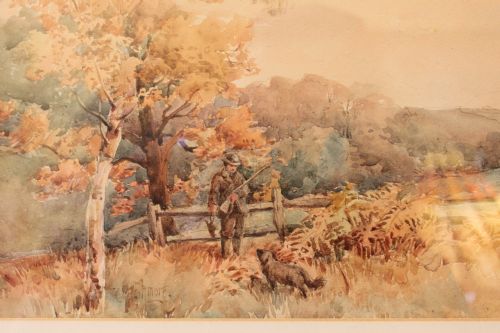
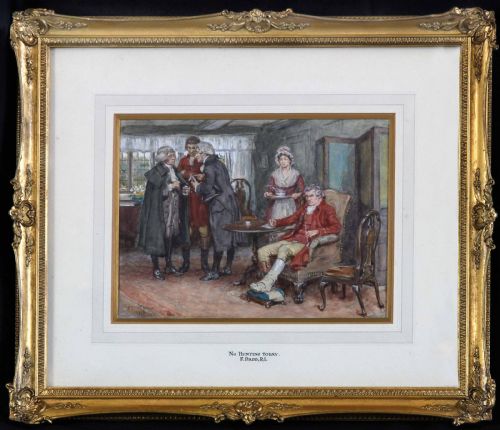
Framed sporting watercolours capture equestrian scenes, hunting dogs, game birds and racing horses executed on paper support. These works span from the Georgian and Victorian eras through the Edwardian period and into the mid-century.
The pieces on this page include single sheets and paired compositions depicting hounds, riders and country gentlemen. Signatures from established illustrators and painters frequently appear alongside unsigned period examples.
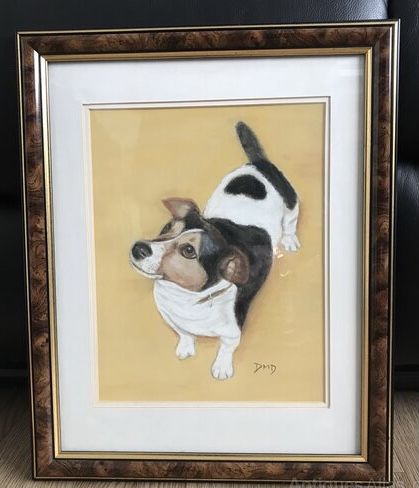
The framing typically consists of wood or gilt surrounds enclosing glass that protects the delicate pigment on paper. These artworks range from intimate studies to large exhibition pieces.
How they were made
Artists applied watercolour paint and bodycolour or gouache onto paper sheets, sometimes combining pastel for texture. These water-based pigments rely on the white of the paper to provide luminosity and tone.
Completed paintings were placed behind protective glass within wooden frames, occasionally utilising gilt moulding to complement the artwork. Oak frames also appear among the material combinations.
Framed Sporting Watercolours Retail Price Guide 2026
Typical asking prices for framed sporting watercolours among the pieces listed under this phrase on Sellingantiques today, from the lower quarter to the upper quarter. They describe what is for sale here now, not the wider market.
Listings span from the Georgian era through Victorian, Edwardian, and mid-century periods, utilising paper, watercolour, gouache, oak, and gilt frames.
What varies in quality
Quality rests upon the artist's draftsmanship in capturing the anatomy of horses, dogs and figures in motion. Swift, confident brushwork distinguishes superior studies from rigid or static renderings.
The preservation of the paper and the vibrancy of the pigments determine the overall standard of a piece. Tonal depth and clarity under the glass separate fine works from faded examples.
George Sydney Shepherd·George Rankin·John Rattenbury Skeaping·Arthur Wardle·Basil Nightingale·J F Marie Huet Villiers·Harry Davis·John Sanderson Wells·John Atkinson·Charles Johnson Payne Snaffles·Arthur Alfred Davis·Frank Dadd·Charles Ashmore·Archibald Thorburn
The Framed Sporting Watercolours Glossary
- Bodycolour
- Watercolour paint mixed with a white pigment to make it opaque. This technique adds solid highlights and denser areas of colour to the paper.
- Gouache
- A heavy water-based paint similar to bodycolour that dries to a matte finish. It provides flat, opaque colour areas alongside traditional transparent washes.
- Gilt
- A thin layer of gold or gold-coloured material applied to the wooden frame moulding. This finish adds decorative sheen around the perimeter of the artwork.
- Provenance
- The documented history of ownership attached to a work of art. Evidence of previous collections helps establish the authenticity and background of a piece.
Framed Sporting Watercolours: Frequently Asked Questions
What subjects do these watercolours show?
The works depict horses, horse racing, fox hunting packs, working dogs, game birds and country gentlemen.
These subjects reflect traditional rural pursuits and equestrian events from the Georgian period to the mid-twentieth century.
Are these paintings original works?
Many listings feature original hand-painted watercolours and gouache works created directly on paper by named artists.
Buyers should examine individual descriptions to distinguish unique paintings from period prints.
How should I hang watercolour art?
Watercolours require placement away from direct sunlight to prevent the pigments from fading over time.
Maintaining stable indoor humidity levels also protects the paper support and the wooden frame.
Do the frames come with the paintings?
The pieces on this page arrive mounted in their protective wooden, gilt or oak frames under glass.
These surrounds often date from the period of the artwork or match the traditional style of the piece.