

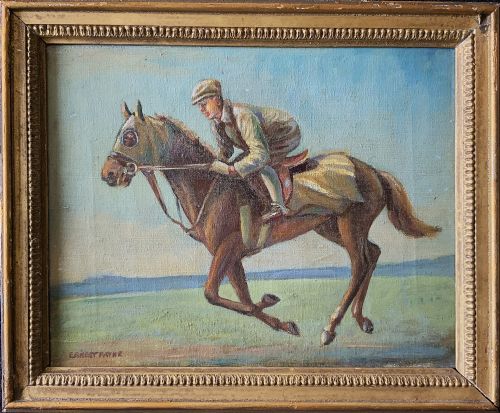
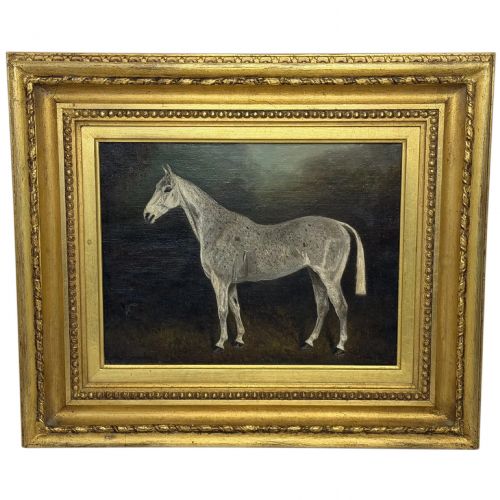
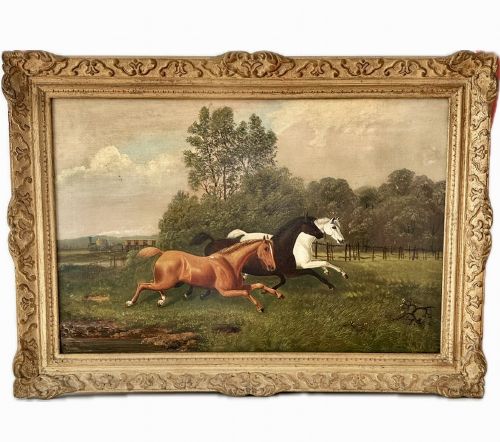
Framed Sporting Oil Artwork
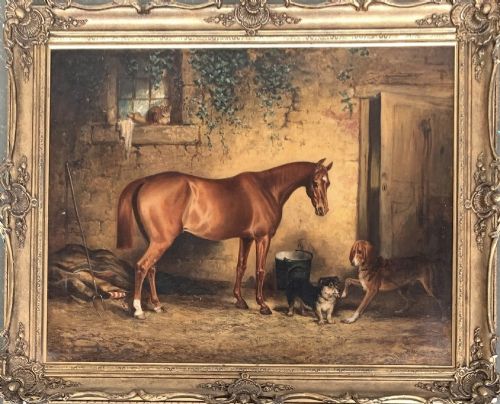
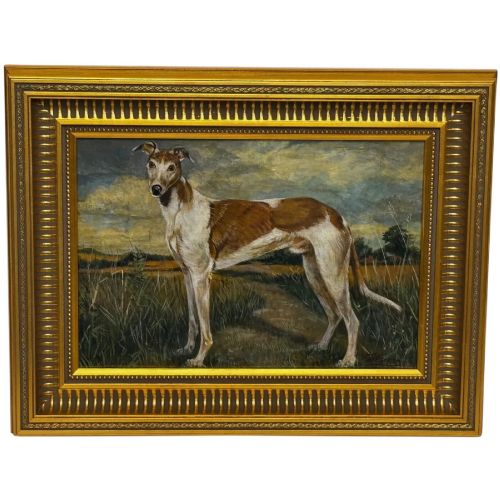
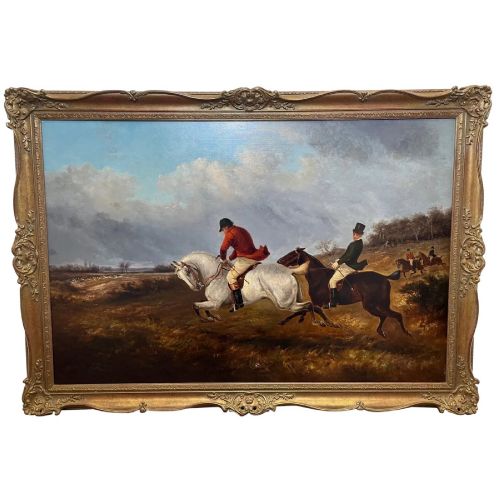
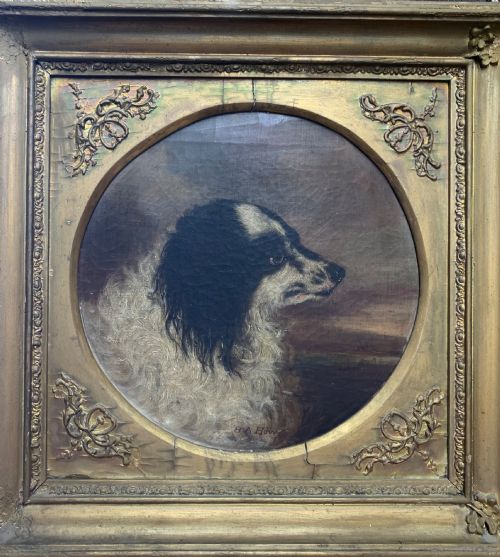
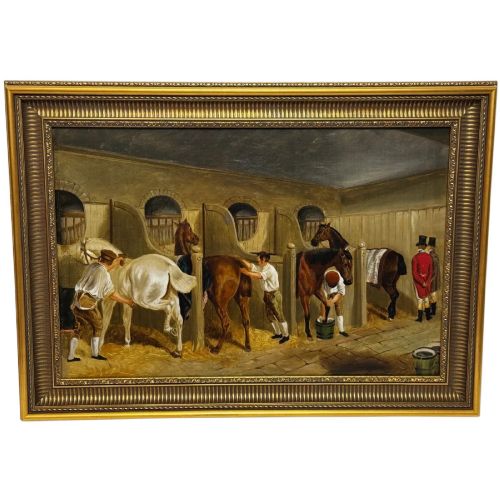
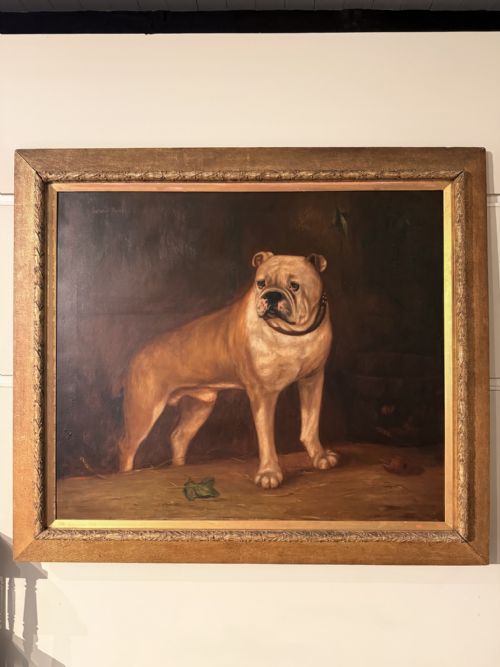
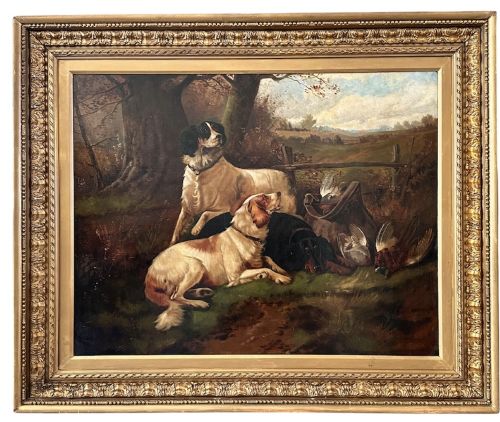
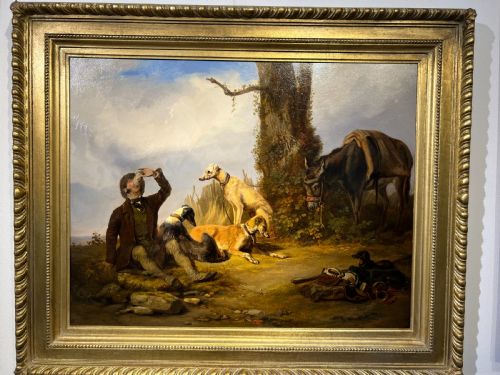
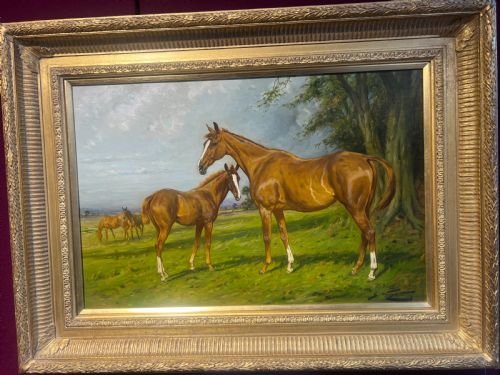
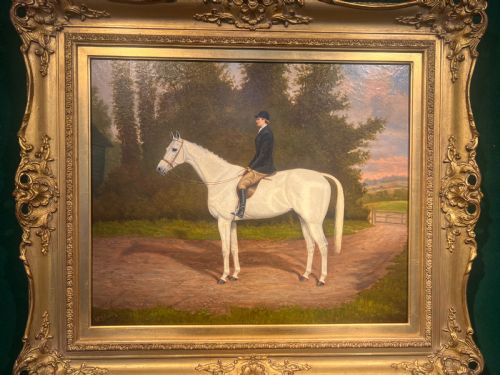
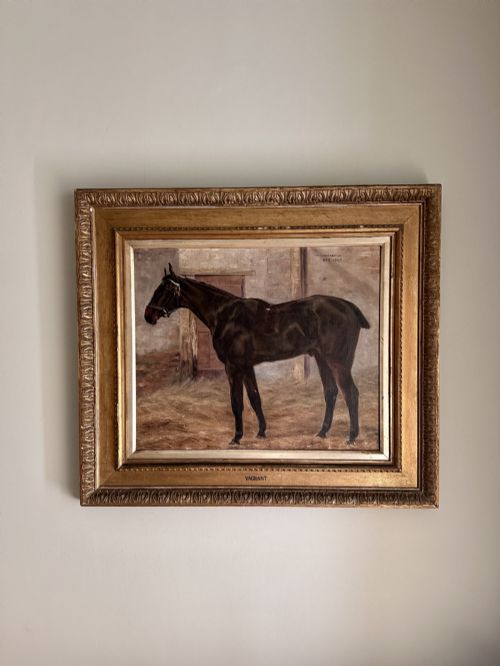
Framed sporting oil artwork captures horses, hounds and rural pursuits through historic painted canvases.
Framed Sporting Oil Artwork
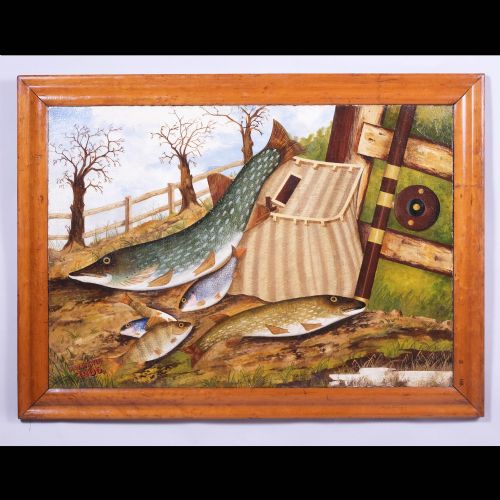
A framed sporting oil artwork records the animals, fields and rural pastimes that engaged British collectors across the nineteenth and early twentieth centuries. These pieces encompass equine portraits, hunting scenes, racing pigeons, gun dogs and coaching studies.
Victorian examples dominate the selection, alongside Georgian and Edwardian works, spanning canvases from the foundational nineteenth century through mid-twentieth compositions. The subjects range from individual named racehorses to lively packs of hounds and rural landscapes.
The physical presentation relies heavily on period framing, often featuring original giltwood or gold leaf surrounds that complement the painted scenes. These works function as historical documents of rural heritage, canine breeds and equestrian lineages.
Materials and construction
The primary vehicle for these paintings is oil paint applied to stretched canvas, though panel supports also appear in earlier pieces. Artists utilised rich oil pigments to capture the sheen of a horse's coat, the texture of a dog's fur and the atmospheric light of outdoor landscapes.
Surrounds are constructed from wood, frequently finished with giltwood or gold leaf to enhance the visual weight of the paintings. The integration of canvas, oil and gilded timber defines the physical fabric of these historic works.
Historic pigeons and spaniels share wall space with royal thoroughbreds and galloping hunters.
Distinctions in quality
Quality rests upon the artist's command of anatomy, posture and light, separating hurried decorative studies from accomplished portraits with genuine character. Masterful brushwork brings animals to life with convincing musculature and alertness.
The preservation of the original canvas and the integrity of the period frame contribute substantially to the standing of a piece. Works retaining their initial giltwood mounts and documented provenance carry greater historical weight.
Henry Barraud·Thomas Smythe·Sir Edwin Henry Landseer·George Wright·William Albert Clarke·Fred Fitzpatrick·Ernest Payne·Edward Priestley·Philip Rideout·John Emms·John Ferneley Senior·Benjamin Blake·Alfred Munnings·John Arthur Lomax·Albert Clark·William Barraud·William Williams·Samuel Raven·George E Sharpe
The Framed Sporting Oil Artwork Glossary
- Giltwood
- Timber carved and coated with gold leaf or metallic paint. This material forms the ornate surrounds typical of nineteenth-century frames.
- Equine portrait
- A painting dedicated to depicting a specific horse. These works often record named racehorses, hunters or stud animals.
- Canvas
- Woven fabric stretched across a wooden frame to serve as a support for oil paint. It is the primary substrate seen in these listings.
- Provenance
- The documented history of ownership of an artwork. This trail establishes the authenticity and past location of a painting.
- Oil paint
- Pigment suspended in a drying oil such as linseed. This medium allows for rich blending and deep colour saturation.
Framed Sporting Oil Artwork: Frequently Asked Questions
What subjects appear in sporting oils?
These paintings focus on horses, hunting dogs, racing pigeons and rural coaching scenes. The imagery reflects nineteenth and early twentieth-century pastimes.
Subjects range from prize racehorses and gun dogs with their day's bag to panoramic fox hunting landscapes.
How do I identify the period?
Dating relies on stylistic clues, artist signatures and the construction methods of the canvas and frame. Victorian works often display rich giltwood surrounds.
Biographical dates of recorded artists provide a firm anchor for establishing when a specific painting was executed.
Are these paintings on canvas?
Most works utilise oil on canvas as the primary medium, supported by wooden stretchers. Some earlier pieces employ wooden panels.
The combination of oil paint and canvas allows for textured brushwork that captures animal coats and landscapes.
How should I display them?
These pieces suit traditional studies, libraries and living spaces where period timber and equestrian art complement the room. Keeping them away from direct sunlight preserves the oil pigments.
The original giltwood and gold leaf frames are designed to stand alone without additional modern mounting.