





Framed Snow Paintings
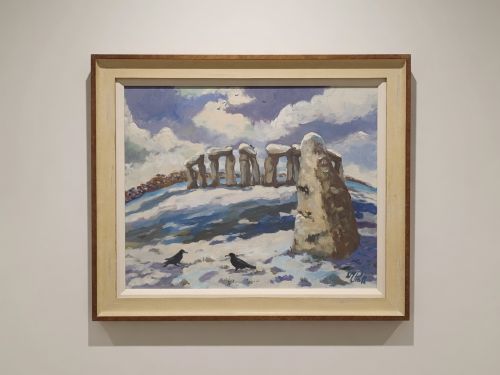
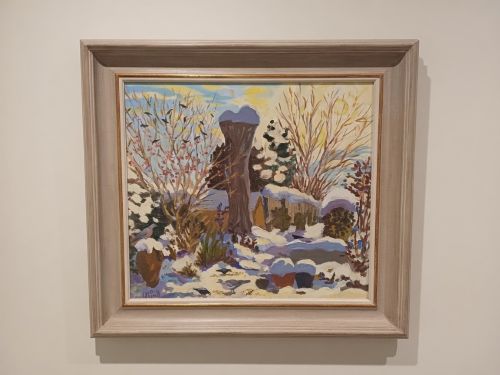
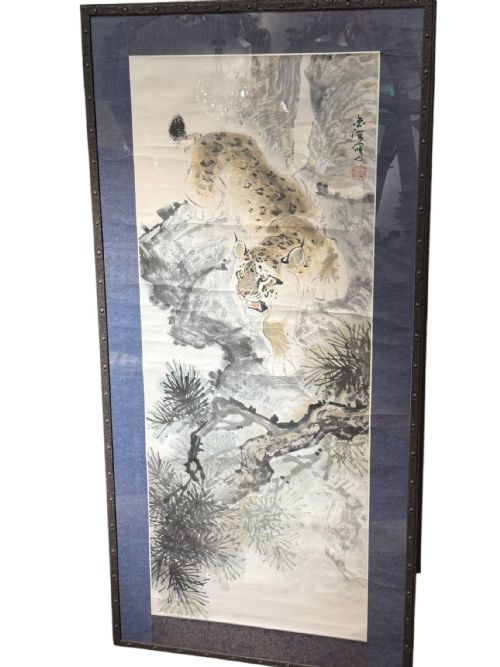
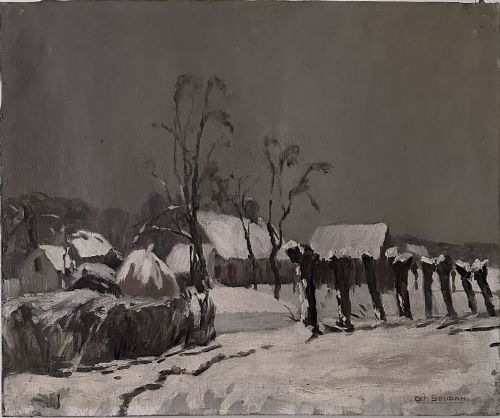
Framed snow paintings capture frost, ice and quiet winter landscapes across various periods and British or European schools.
Framed Snow Paintings
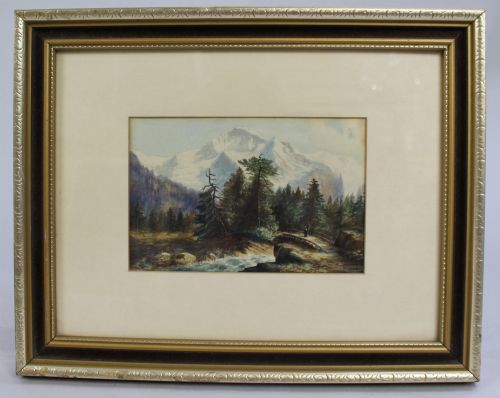
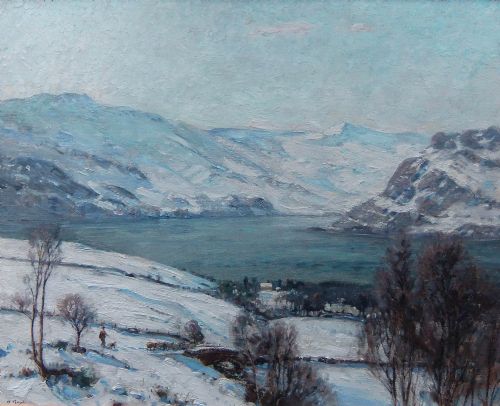
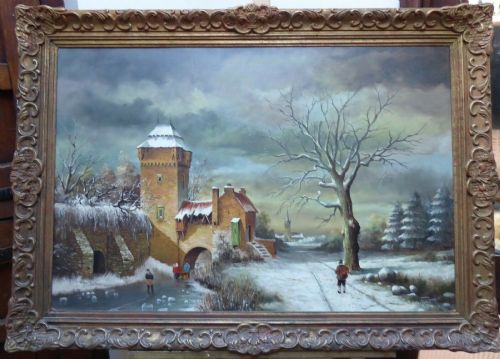
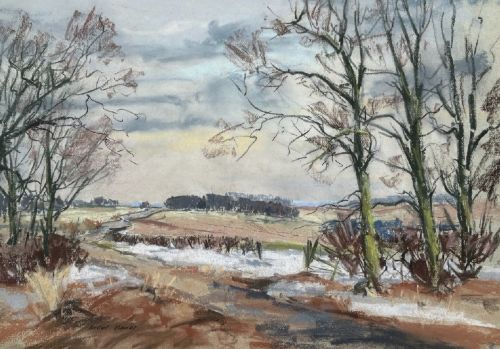
Framed snow paintings encompass original oil and watercolour works depicting winter scenes, coaching halts and frost-covered valleys. These pieces date from the nineteenth century through to the mid-twentieth century and later periods.
The most common examples on this page are oil on canvas or watercolour paintings created by British and European artists working in impressionist or traditional landscape styles. Subjects range from lonely mountain lakes to Yorkshire dales and village cottages in winter.
Buyers will also find specific historical subjects, such as stagecoaches caught in snowstorms and hunting dogs in snowy fields. Each work is contained within a period frame, often constructed from wood and gesso.
How They Were Made
Artists applied oil paint or watercolours onto stretched canvas, wood boards or heavy paper supports. Oil paint allowed for thick impasto brushstrokes to render heavy snow, while watercolour washes created translucent winter light.
Surviving works are preserved within period frames made from wood, frequently finished with gesso and sometimes highlighted with gold leaf to complement the painted winter palette.
Framed Snow Paintings Retail Price Guide 2026
Typical asking prices for framed snow paintings among the pieces listed under this phrase on Sellingantiques today, from the lower quarter to the upper quarter. They describe what is for sale here now, not the wider market.
Several snow paintings preserve the determined tracks of mail coaches, stagecoaches and hunting hounds braving the winter chill.
What Varies in Quality
Quality rests upon the handling of light and atmospheric depth, distinguishing a competent topographical record from a masterly evocation of winter cold. The fluency of the brushwork and the structural integrity of the canvas or paper support directly influence the visual impact.
The harmony between the artwork and its original frame plays a part in the overall standard. Frames retaining their original gesso moulding and gilding enhance the presentation of these winter scenes.
Pieter Cornelis Steenhouwer·Angus Rands·Herbert Royle·Lucy Pratt·Gaston Cornil·Fred Lawson·Ernest Uden·Fannie moody·John Smith Atherton·Charles Jones·John Charles maggs·Sydney Kendrick·GEORGE GRAHAM·Ernest Higgins Rigg·John Ritchie·John Richard Worsdale·Emily M. Paterson·George Augustus Williams·EVELINE LANCE·William Cave Day
The Framed Snow Paintings Glossary
- Gesso
- A plaster-like mixture applied to wood frames to provide a smooth surface for gilding and ornamentation. It is built up in layers before being moulded or carved.
- Impasto
- A technique where paint is laid onto a canvas in very thick areas, usually thick enough that the brush or painting-knife strokes are visible. This method adds tactile weight to painted snow.
- Watercolour
- A painting method in which the paints are made of pigments suspended in a water-based solution. The paper support remains partially visible through translucent washes.
- Canvas
- A heavy woven fabric used as a surface for oil painting, typically stretched taut over a wooden frame. It provides texture and resilience to the finished work.
Framed Snow Paintings: Frequently Asked Questions
How should I hang a framed snow painting?
Select a wall with indirect natural light to protect watercolours and oil pigments from fading over time. Ensure the fixing matches the weight of the wooden frame and canvas.
Keep the painting away from direct heat sources such as radiators, which can warp wooden panels and dry out canvas fibres.
Are these paintings original or prints?
The works listed here are original hand-painted watercolours, pastels and oil paintings on canvas, board or paper. Each piece is a unique creation by the credited artist.
Signatures, brush texture and visible medium surfaces distinguish these original artworks from mechanical reproductions.
What periods do these winter scenes represent?
The collection spans the nineteenth century through the Edwardian and Victorian eras, extending into mid-century British and contemporary works. Many pieces reflect early to mid-twentieth-century landscape traditions.
Stylistic cues and artist dates help place each work within its specific historical and artistic movement.
How do I care for an antique oil painting?
Dust the surface and the wooden frame gently with a soft, dry brush without applying pressure to the canvas. Avoid using liquid cleaners or chemical solvents on the paint.
Maintain a stable room temperature and moderate humidity to prevent the canvas from slackening and the gesso frame from cracking.