
Framed Scottish Landscape Painting
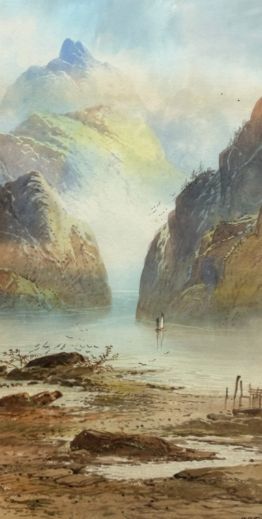
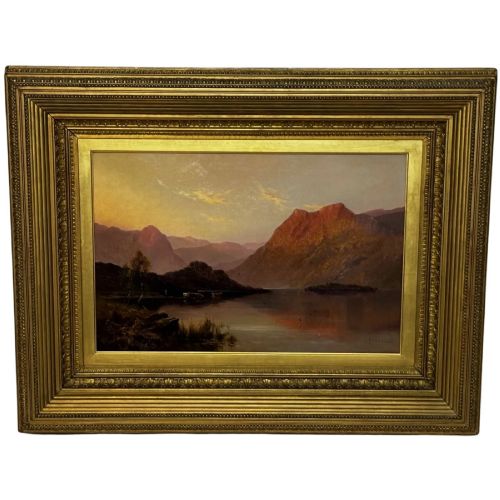
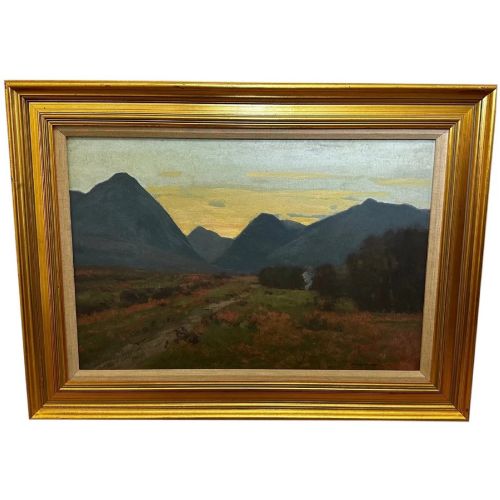
These framed scottish landscape painting pieces capture lochs, glens and coastal views through centuries of artistic tradition, offering buyers a window into historic northern scenery.
Framed Scottish Landscape Painting
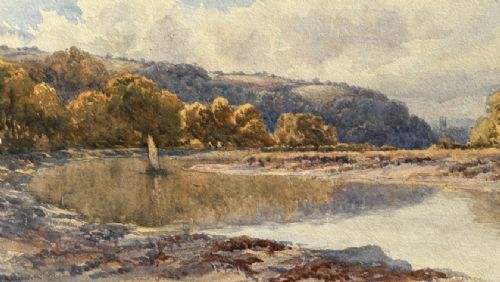
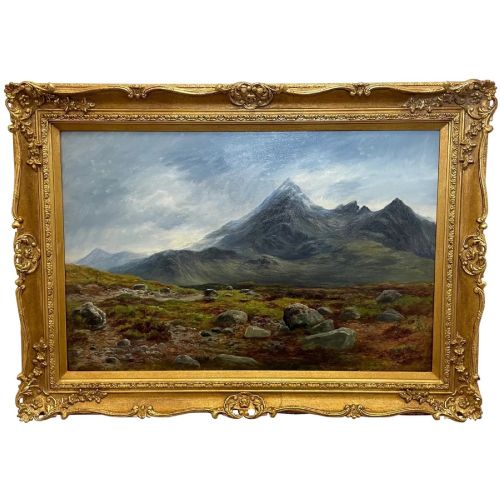
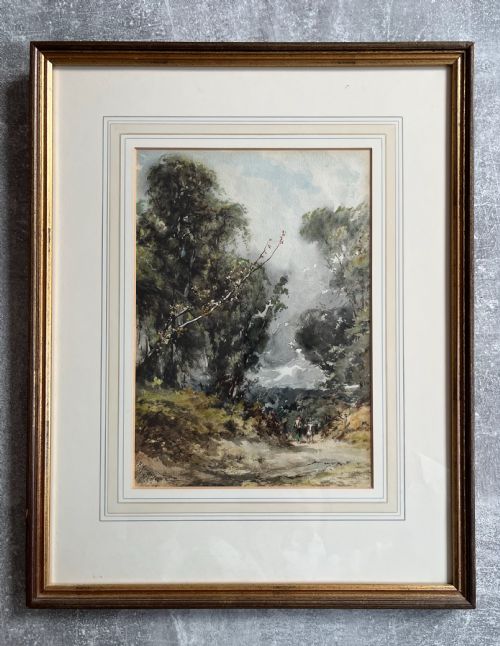
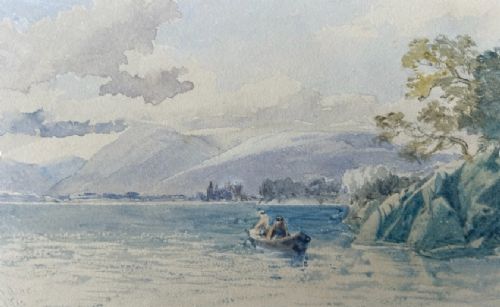
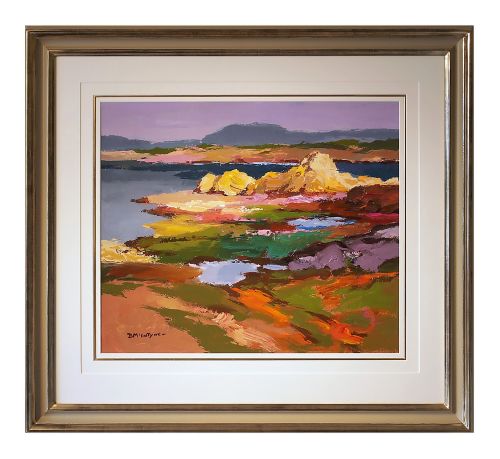
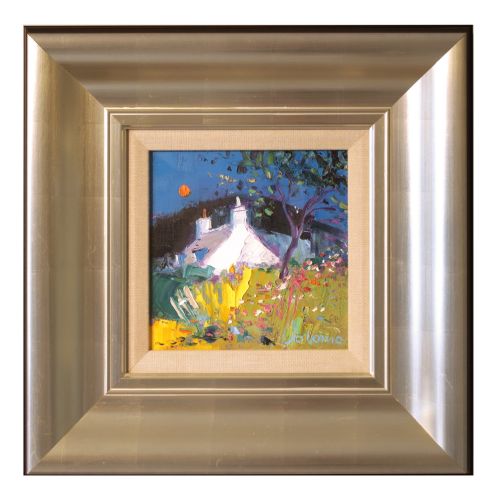
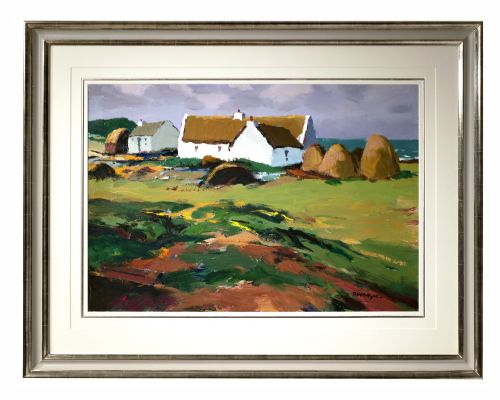
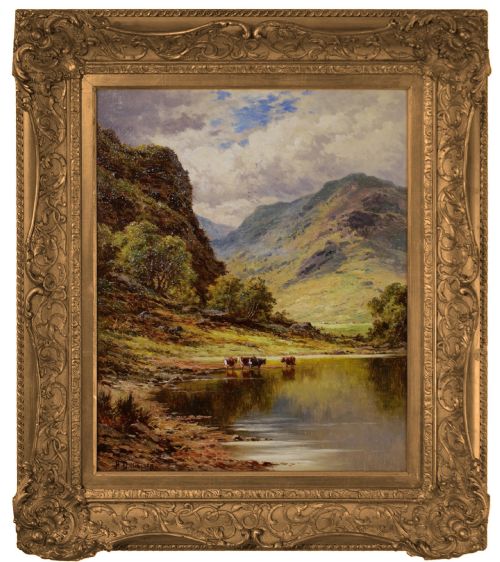
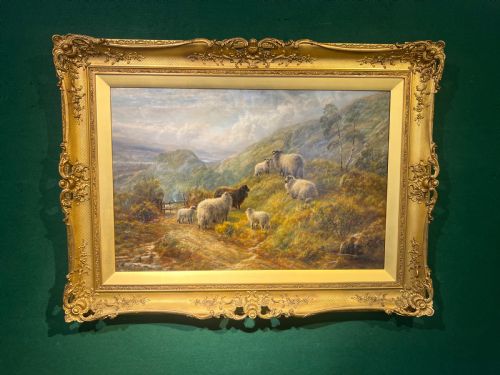
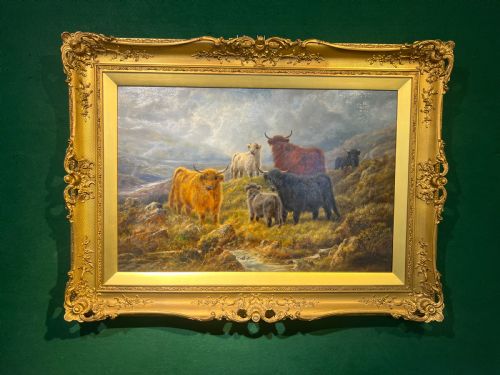
A framed scottish landscape painting brings the topography, weather and rural life of Scotland into an interior space through diverse artistic interpretations. Buyers searching for a framed scottish landscape painting encounter works ranging from detailed nineteenth-century depictions of Highland cattle to mid-century impressionist river scenes.
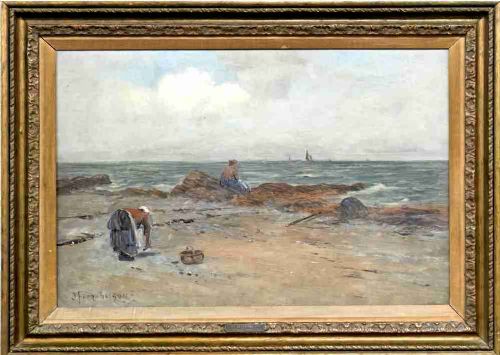
The selection here draws primarily from nineteenth-century, Victorian and Edwardian periods, alongside later twentieth-century examples. Common subjects include lochs, castles, glens and coastal locations executed in oil or watercolour.
Victorian examples frequently showcase romanticized pastoral settings with sheep or cattle, whereas later twentieth-century pieces adopt broader impasto brushwork or abstract qualities. Most works arrive set within wooden, gesso or giltwood frames that complement the era of creation.
How They Were Made
Artists painted primarily using oil on canvas, oil on board, or watercolour on paper, applying pigments with brushes and occasionally palette knives. Canvas supports required wooden stretchers, whilst watercolours were mounted behind paper and glass.
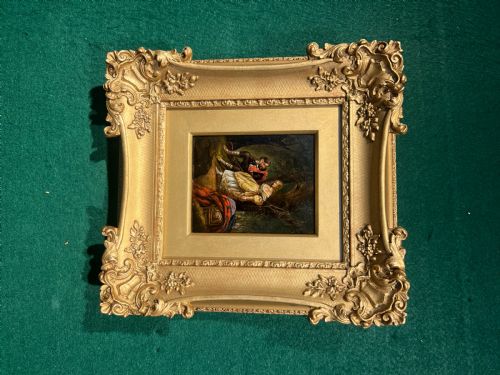
Surrounding frames consist of wood treated with gesso layers and finished with giltwood or painted surfaces. Moulded ornament on the frames often reflects the decorative tastes of the Victorian and Edwardian eras.
Listings span from late eighteenth-century Georgian works through Victorian academic painting to mid-century Scottish impressionism and abstract canvases.
What Varies in Quality
Quality rests upon the skill of the artist in handling light, atmospheric depth and natural textures within the landscape. Master works display confident brushwork and precise anatomical rendering of figures and animals, whereas lesser examples rely on formulaic compositions.
The preservation of the paint surface and the originality of the accompanying frame contribute significantly to the standing of a piece. Works retaining their period giltwood frames without heavy restoration command greater appreciation from collectors.
William Beattie-Brown·George Fotherly Hargitt·Thomas Miles Richardson Jnr·William Henry Earp·Alfred Fontville de Breanski Jr·George Houston·James Kay·Donald McIntyre·John Lowrie Morrison·Henry H. Parker·Robert Watson·Joseph Farquharson·William Watson Jnr·Robert Cleminson·Charles Leslie·John Moxon·William George Tennick·Archibald Kay·Henry Robinson Hall·Thomas Bromley Blacklock·Alexander Jamieson·Everett Watson Mellor·Frank Hider·William Littlejohn
The Framed Scottish Landscape Painting Glossary
- Gesso
- A plaster-like mixture applied to wooden frame mouldings to create a smooth surface for gilding or painting. It provides the foundation for intricate decorative reliefs.
- Impasto
- A technique where paint is laid onto a canvas in thick layers, standing out visibly from the surface. This method adds tactile dimension to water, skies and foliage.
- Giltwood
- Wood that has been covered with a thin layer of gold leaf or gold paint. It forms the lustrous finish seen on many traditional Victorian frames.
- Watercolour
- A paint consisting of pigment suspended in a water-based solution, typically applied to paper. It creates luminous, translucent washes of colour.
- Stretcher
- A wooden framework that holds a canvas taut during the painting process. Older pieces often use wedged expansion corners.
Framed Scottish Landscape Painting: Frequently Asked Questions
How do I date a Scottish landscape painting?
Examine the materials, stretcher construction, and artist signatures against known exhibition records and biographical dates. Stylistic shifts between Victorian romanticism and mid-century impressionism also indicate the period of creation.
Frame styles provide additional clues, as nineteenth-century gesso and giltwood mouldings differ substantially from twentieth-century profiles.
Where should I hang these framed paintings?
Select walls away from direct sunlight and fluctuating heat sources to protect canvas, paper, and giltwood frames from fading or warping. Adequate wall space allows larger Victorian pieces to breathe within a room.
Pairing works with traditional or transitional interior decor enhances their historical character without overwhelming the space.
Are these watercolours or oil paintings?
The inventory includes both watercolours on paper and oil paintings executed on canvas or board. Oils generally offer heavier texture and deeper pigment saturation, while watercolours present a lighter, more transparent finish.
Glazing protects most watercolour works, whereas oil paintings remain open to the air on canvas.
What subjects are most common in these works?
Highland cattle, sheep grazing near lochs, and dramatic mountain glens dominate the nineteenth-century and Edwardian selections. Coastal views and castle ruins also appear frequently across the regional Scottish schools.
Later twentieth-century examples shift towards abstract or impressionist interpretations of rivers and crofts.