



Framed Scottish Fine Art
Framed scottish fine art brings together centuries of portraiture and landscape, capturing northern light and heritage within period wood and gesso.
Framed Scottish Fine Art
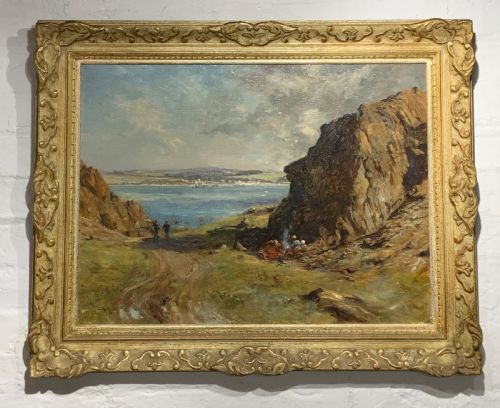
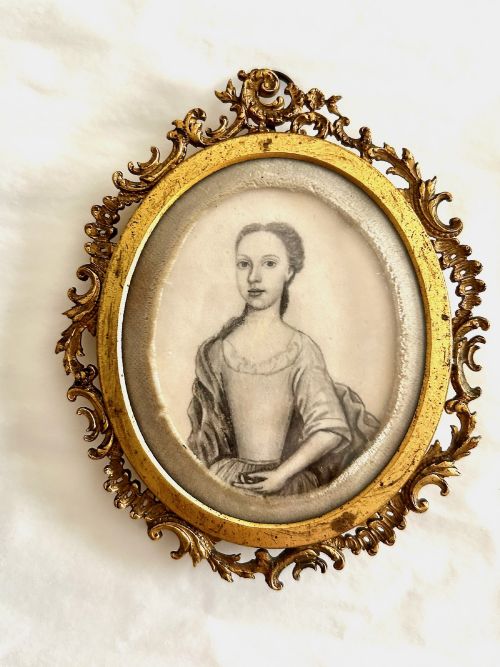
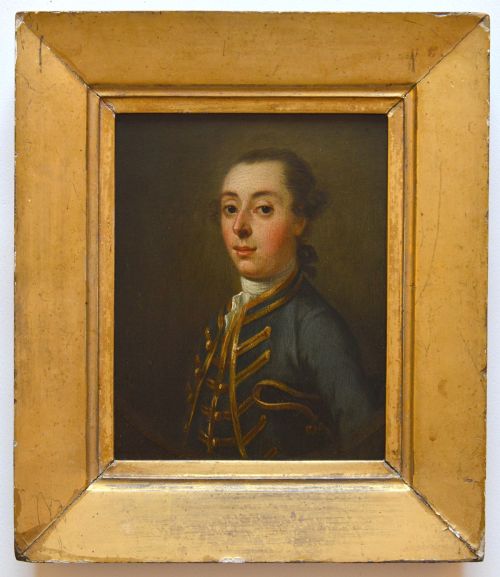
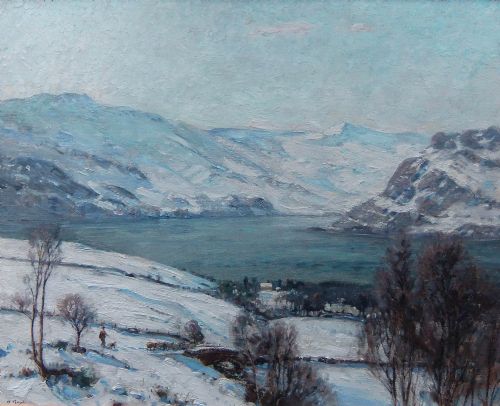
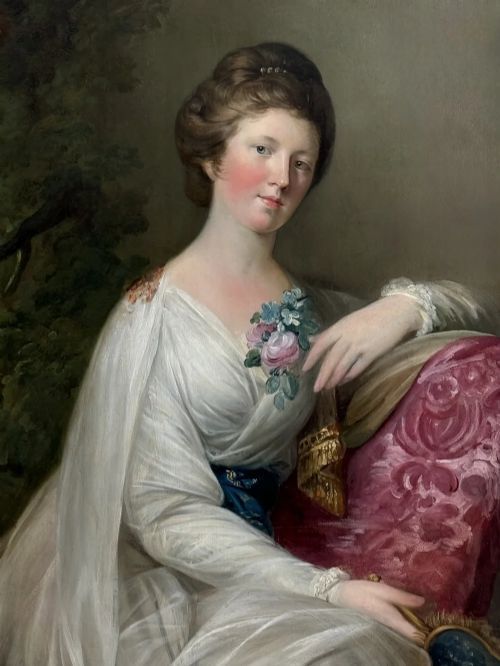
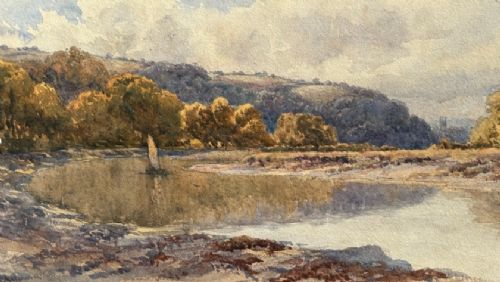
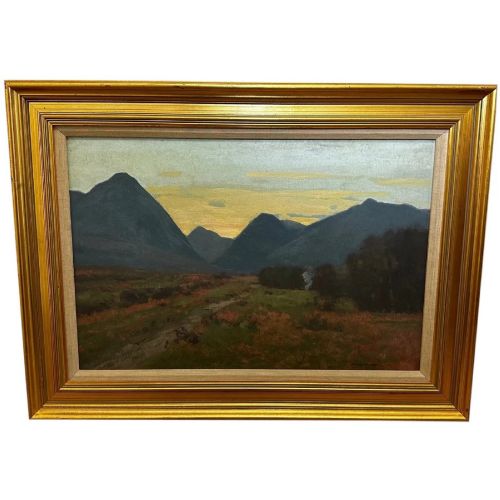
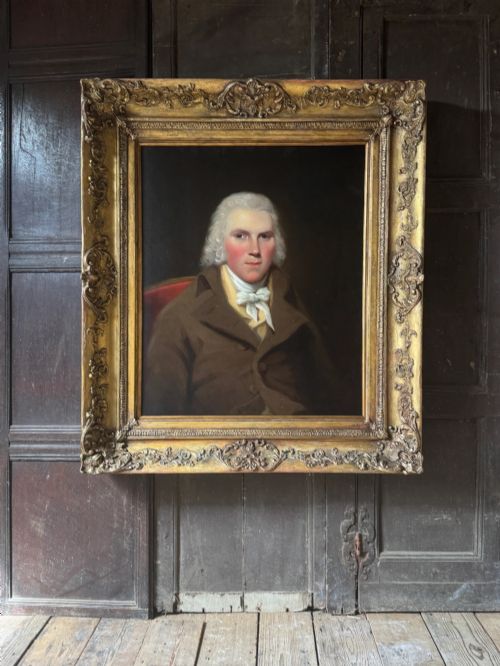
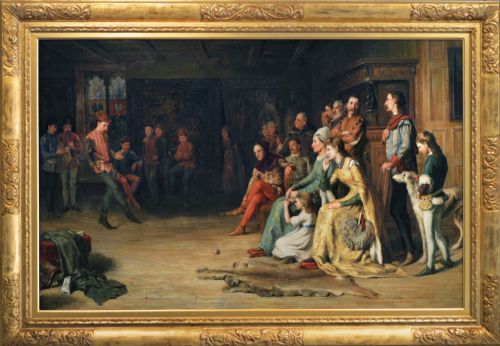
Framed scottish fine art comprises oil paintings, watercolours, and portrait miniatures originating from the seventeenth century onwards. Buyers encounter works spanning Georgian portraiture, Victorian Highland landscapes, and later impressionist views.
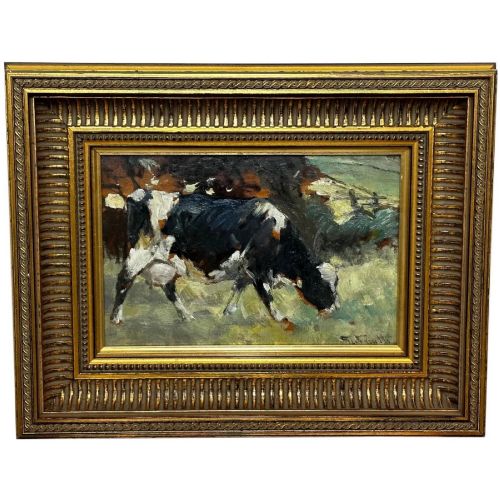
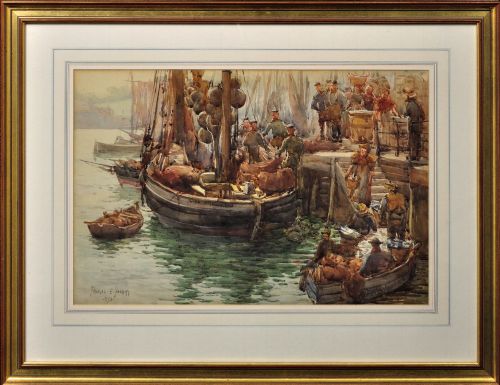
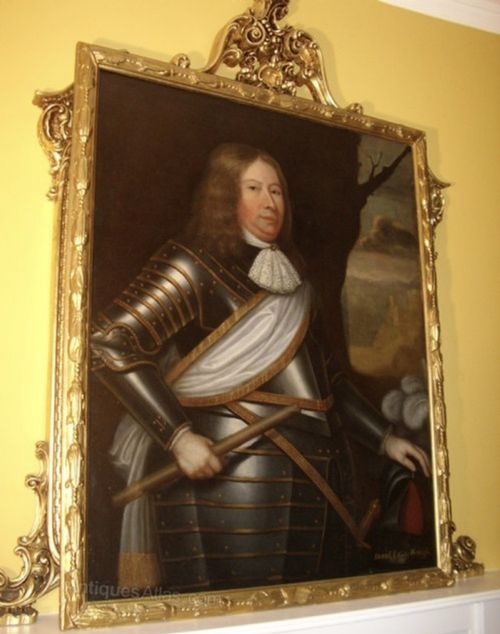
The selection ranges from intimate panel portraits of nobility to large canvas landscapes depicting lochs, cattle, and coastal harbours. Each piece reflects the stylistic movements of British and Scottish art traditions through distinct periods.
Materials and Technique
Artists painted primarily using oil on canvas or wood panel, alongside watercolours on paper. Canvases display varied brushwork, from the tight precision of early portraiture to the looser application found in later impressionist landscapes.
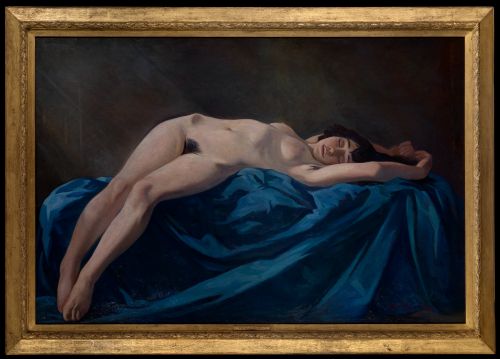
Surviving works retain period framing executed in wood, gesso, and giltwood, frequently finished with gold leaf. These frames complement the visual weight of the paintings while protecting the edges of the canvas or panel.
Framed Scottish Fine Art Retail Price Guide 2026
Typical asking prices for framed scottish fine art among the pieces listed under this phrase on Sellingantiques today, from the lower quarter to the upper quarter. They describe what is for sale here now, not the wider market.
Listings span from the seventeenth century through the 1950s, recording oil on canvas, wood, paper, gesso, and gold leaf.
Execution and Preservation
Quality rests upon the skill of the brushwork and the handling of light, particularly in the rendering of textiles within portraits or atmospheric weather in landscapes. Finer examples demonstrate confident draughtsmanship and strong compositional balance.
Condition of the medium and the integrity of the original or period frame influence the standing of a piece. Original surfaces free from extensive overpainting distinguish superior examples from lesser works.
James Ferguson·Francis Lindo·David Scougall·George Willison·George Houston·Eric Robertson·James Hamilton·John Lowrie Morrison·George Watson·Joseph Farquharson·Charles James McCall·Robert Watson·William Watt Milne·Archibald Kay·William Millar·James Kyd·John Horsburgh·John A. Houston·John Douglas Perrett·Tom Seymour·William McCance·Sir George Reid·George Melvin Rennie·James Torrington Bell·Alfred de Breanski
The Framed Scottish Fine Art Glossary
- Giltwood
- Wood carved and covered with a thin layer of gold leaf or metal powder. This finish appears frequently on antique picture frames.
- Gesso
- A paint mixture consisting of a neutral binder mixed with chalk, gypsum, or pigment. It forms the smooth base applied to wooden frames before gilding.
- Portrait Miniature
- A small, highly detailed painting on vellum, card, or copper. These intimate works gained popularity during the eighteenth century.
- Oil on Canvas
- Pigment mixed with drying oil applied to stretched fabric. It serves as the primary medium for most large paintings in this category.
- Scottish School
- A designation for artists working in Scotland or sharing stylistic traits influenced by northern institutions and landscapes.
Framed Scottish Fine Art: Frequently Asked Questions
How do I date an antique Scottish painting?
Dating relies on stylistic evidence, costume details in portraits, and framing materials. Signatures and artist records help narrow the active period.
Physical inspection of the canvas weave, stretcher bars, and backing boards provides further chronological clues.
What subjects are common in Scottish art?
Landscapes featuring Highland cattle, lochs, and coastal scenes dominate nineteenth-century works. Portraiture of military figures, nobility, and professionals appears frequently in earlier centuries.
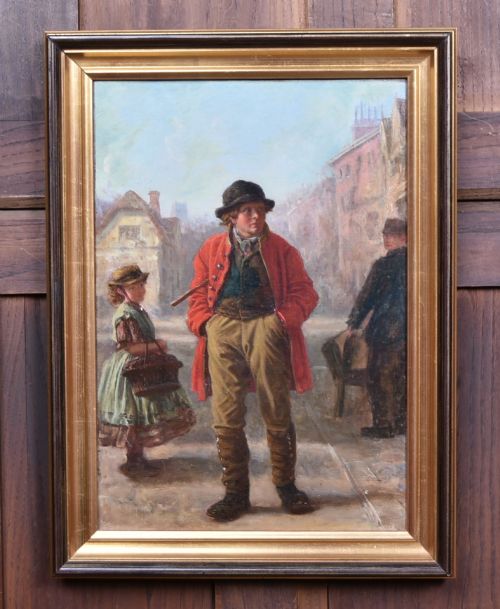
Genre scenes depicting domestic life and agricultural labour also feature across the regional school.
Are these works painted on canvas or panel?
Both supports appear across the inventory. Canvas served as the primary base for larger portraits and sweeping landscapes from the eighteenth century onward.
Wood panels occur more frequently in smaller works, particularly portrait miniatures and early panel paintings.
How should I care for a framed oil painting?
Keep paintings away from direct sunlight, heating vents, and damp environments to protect the canvas and wood. Stable indoor temperatures prevent cracking in the paint layer.
Dust frames gently with a dry, soft cloth and avoid using liquid cleaners on the gilded surfaces.