



Vintage Scottish Loch Picture
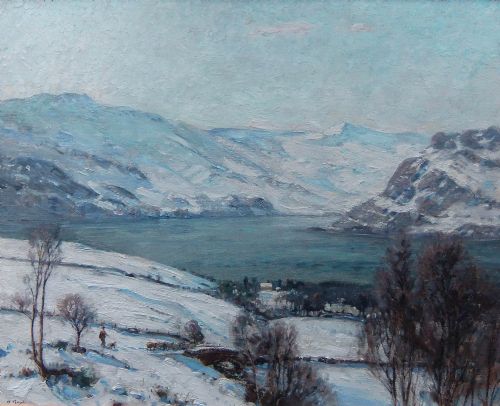
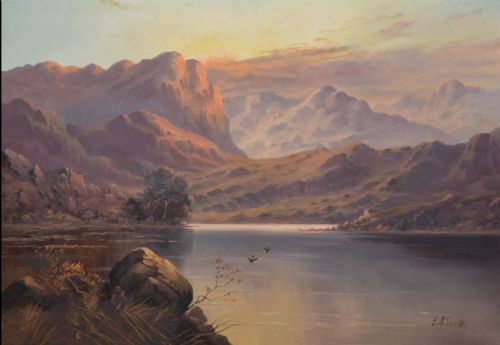
A vintage scottish loch picture captures the rugged grandeur of northern waters, offering a window into traditional highland landscapes through period brushwork.
Vintage Scottish Loch Picture
A vintage scottish loch picture brings the dramatic scenery of Scotland into an interior through traditional painting mediums. These works capture mountainous terrain, misty waters, and highland cattle rendered by artists working across various periods.
Buyers will encounter oil on canvas and watercolour paintings originating from the nineteenth century through the mid twentieth century. The selection spans Victorian grandeur, Edwardian scenes, and mid-century interpretations of famous waters such as Loch Ness and Loch Long.
Common artistic movements represented include Scottish Romanticism, British Impressionism, and the Highland School. Most examples arrive framed, utilising wood and gilt mouldings appropriate to their respective eras.
Materials and methods
Painters relied upon traditional supports such as canvas, paper, and prepared boards for their depictions of northern waters. Oil and watercolour were the primary mediums employed to capture the changing light and atmospheric conditions of the highlands.
Works on paper were typically executed in watercolour or gouache, often requiring protective glass within the frame. Oil paintings on canvas utilised layered pigments to build depth in the mountainous backgrounds and reflective loch surfaces.
Vintage Scottish Loch Picture Retail Price Guide 2026
Typical asking prices for vintage scottish loch picture among the pieces listed under this phrase on Sellingantiques today, from the lower quarter to the upper quarter. They describe what is for sale here now, not the wider market.
Current listings feature oil on canvas, watercolour, and gouache paintings across Victorian, Edwardian, and twentieth-century periods.
Evaluating the artwork
Quality rests upon the artist's ability to handle light and atmosphere, distinguishing evocative landscape interpretations from generic topographical records. Superior compositions demonstrate a confident command of colour and brushwork, particularly in capturing water reflections and highland weather.
Herbert Royle·Henry Robinson Hall·Frank Hider·James Bell Anderson·R.P. Noble·Stanley Orchart·AJ Thornton·E. M. Seaton
The Vintage Scottish Loch Picture Glossary
- Highland School
- A nineteenth and early twentieth century artistic movement focused on the dramatic scenery and wildlife of Scotland. Artists in this tradition emphasised realistic depictions of mountains, lochs, and cattle.
- Gouache
- An opaque water-based medium frequently utilised in early twentieth century paintings. It provides solid blocks of colour and fine detail in landscape works.
- Oil on Canvas
- A painting technique involving pigments suspended in drying oils applied to a woven fabric support. This method allows for rich texture and deep tonal variation.
- Watercolour Painting
- Artworks created using water-soluble pigments on paper supports. This technique relies on the white of the paper to provide luminosity through transparent washes.
- Victorian
- A stylistic period spanning the reign of Queen Victoria, associated with detailed realism and romantic interpretations of landscape. Pieces from this era often feature ornate wooden framing.
Vintage Scottish Loch Picture: Frequently Asked Questions
What periods do these paintings span?
The listings encompass works from the nineteenth century, including Victorian and Edwardian periods, stretching into the mid twentieth century. Artists worked across these decades in distinct styles ranging from traditional academic realism to British impressionism.
Buyers will find that earlier nineteenth-century pieces often focus on romantic highland cattle scenes, while later twentieth-century examples lean towards expressive watercolours and simplified mountain forms.
How should I display a watercolour loch picture?
Watercolour paintings on paper require protection from direct sunlight to prevent fading of the delicate pigments. Position them on interior walls away from excessive moisture and fluctuating heat sources.
Ensure the framing utilises proper mounting techniques that keep the paper from touching the glass directly. This preserves the condition of the paper support over time.
What subjects typically appear in these scenes?
Common motifs include mountainous backdrops, ruined castles situated near the water, and herds of highland cattle resting by the shore. Named bodies of water such as Loch Ness and Loch Earn frequently anchor the composition.
Artists also focused on atmospheric weather effects, depicting misty mornings, moonlight on the water, and changing highland light across the landscape.
How do I identify a Victorian Scottish landscape?
Victorian works are usually characterised by detailed realism, dramatic atmospheric conditions, and romantic portrayals of local wildlife and human figures. The framing often consists of heavy, ornate wood with gilt finishes typical of the period.
Signatures, artist inscriptions, and exhibition labels on the reverse of the canvas or frame frequently provide direct documentation of the painting's origin and date.