




Framed Scottish Art
Framed scottish art brings together centuries of local landscape and portraiture, offering buyers a distinct piece of regional heritage.
Framed Scottish Art
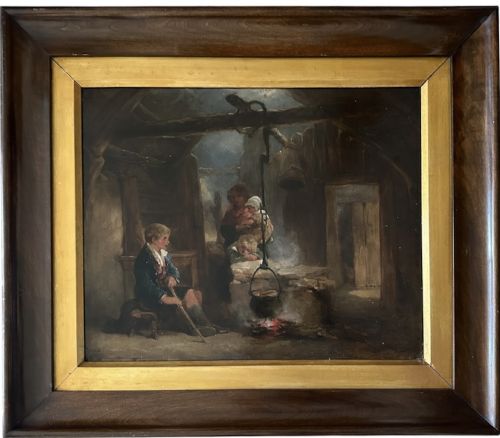
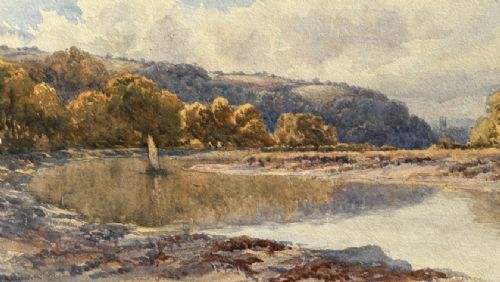
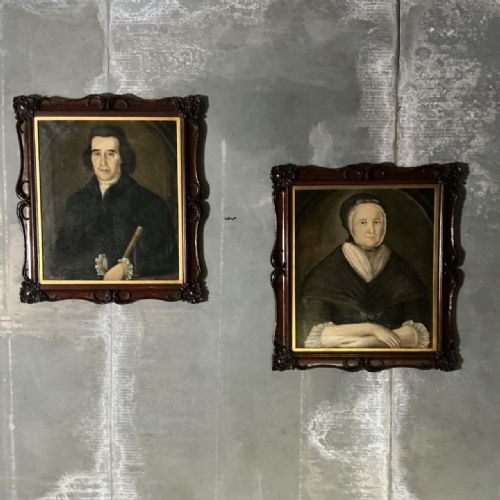
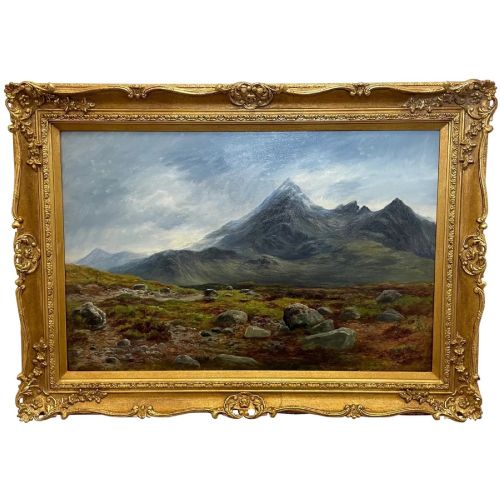
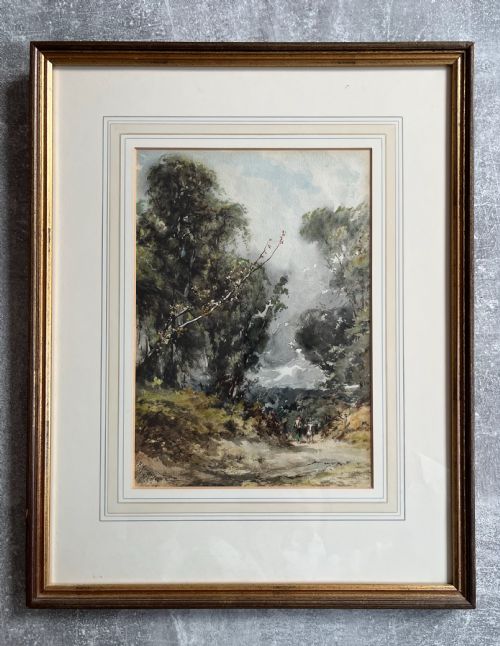
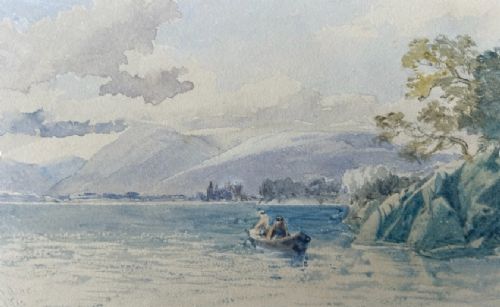
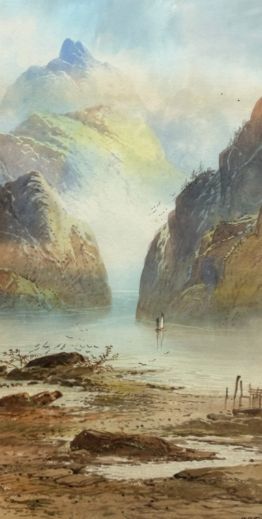
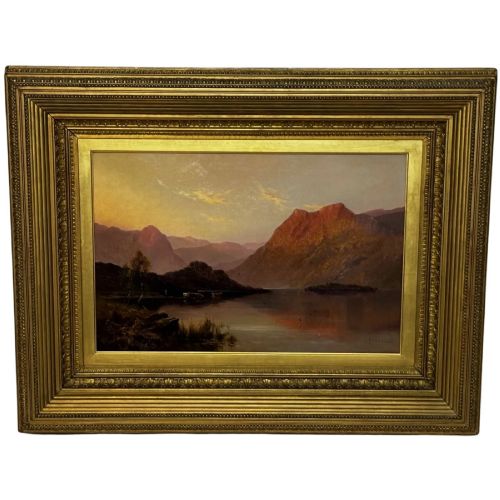
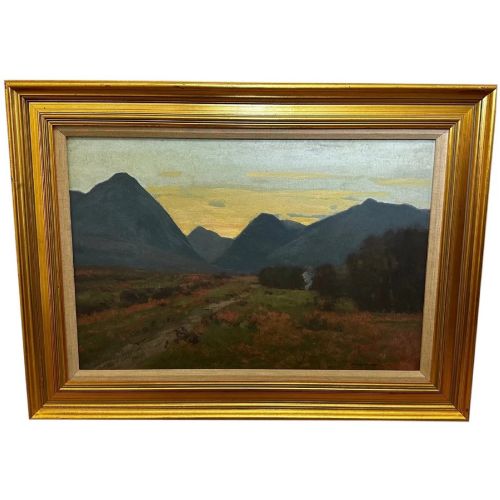
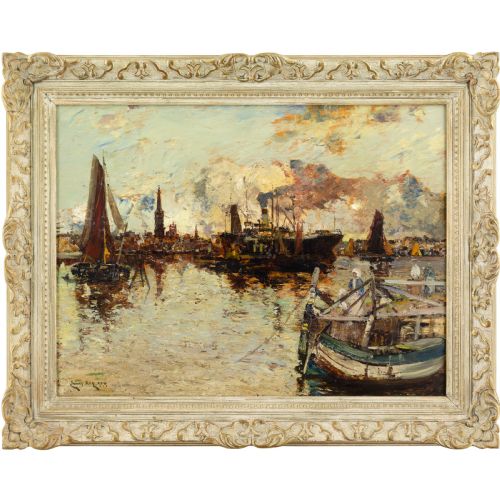
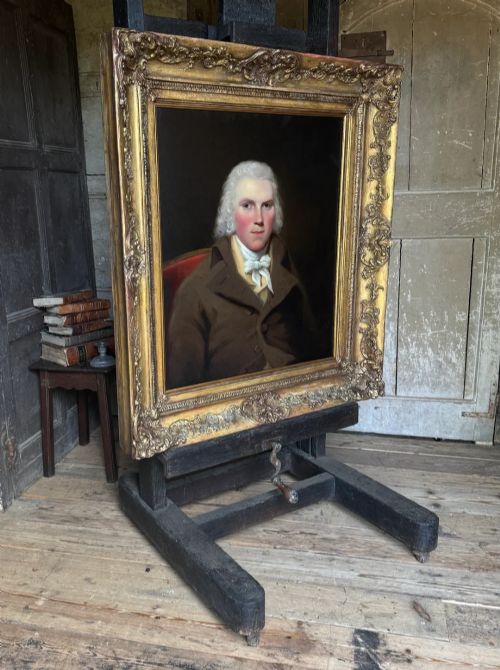
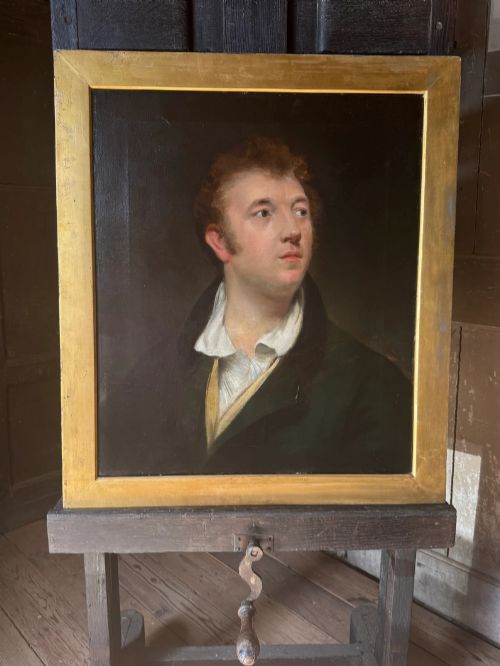
Framed scottish art spans centuries of creative output, taking the form of oil paintings, watercolours, portraits, and wall art. Buyers seeking this phrase encounter regional landscapes, local figures, and historical scenes captured by domestic painters.
The material presentation typically involves canvas, paper, or board secured within wooden or giltwood surrounds. These works frequently document specific topographical locations such as Loch Awe, Loch Leven, and the Isle of Arran.
Examples range from early portraiture originating in the seventeenth and eighteenth centuries through to Victorian landscapes and twentieth-century modern works. Most items met on this page belong to the nineteenth and early twentieth centuries.
Materials and methods
Painters applied oil paint to stretched canvas or board, while watercolours were worked onto paper supports. These methods allowed artists to build rich textures in landscapes or fine detail in portrait miniatures.
Makers housed these paintings in wooden frames, often finished with giltwood or decorative mouldings to complement the artwork. Glass protected delicate watercolour works on paper from atmospheric moisture and handling.
Listings feature works spanning from the 17th century through to the mid 20th century, executed in oil and watercolour.
Distinctions in quality
Quality rests upon the handling of light and form by the artist, distinguishing competent regional records from masterly compositions. Brushwork on canvas and the preservation of pigment vibrancy dictate the visual impact of each piece.
The integrity of the original frame and mount plays a significant part in the overall standard of the object. Surviving contemporary giltwood frames that retain their original gilding elevate the historical weight of the painting.
William Beattie-Brown·George Fotherly Hargitt·Thomas Miles Richardson Jnr·William Henry Earp·George Willison·Alfred Fontville de Breanski Jr·John Scougall·George Houston·James Kay·Eric Robertson·James Howe·James Hamilton·Donald McIntyre·John Lowrie Morrison·Henry H. Parker·Robert Watson·George Watson·Joseph Farquharson·William Watson Jnr·Charles James McCall·Robert Cleminson·George Rankin·Douglas Cameron·Charles Leslie·William Watt Milne
The Framed Scottish Art Glossary
- Oil on Canvas
- Pigments bound in a drying oil applied to a woven fabric surface stretched across a wooden frame. This method was widely utilised for major landscape and portrait works.
- Giltwood
- Wood, typically carved timber, coated with a thin layer of gold leaf or gold paint. It frequently appears on the frames surrounding nineteenth-century paintings.
- Watercolour
- Paint consisting of colour pigments suspended in a water-soluble vehicle, applied to paper. It allows for translucent washes and delicate detail.
Framed Scottish Art: Frequently Asked Questions
How do I date a Scottish oil painting?
Dating relies on stylistic clues, artist signatures, and framing materials characteristic of specific periods like the Victorian era or the eighteenth century.
Examining the canvas preparation and stretcher construction on the reverse often provides additional clues to the age of the piece.
Where were these watercolours and oils displayed?
These framed works hung in townhouses, country estates, and domestic parlours across Britain as statements of regional pride and culture.
Landscapes depicted familiar Scottish lakes and mountains, while portraits recorded prominent local figures and family members.
Are original frames important?
Original giltwood or wooden frames contribute significantly to the historical context and visual harmony of antique paintings.
Matching the period of the frame to the date of the artwork ensures the piece presents as the artist and early owners intended.
How do I care for antique framed art?
Keep paintings away from direct sunlight and dramatic temperature fluctuations to prevent the canvas from cracking or the paper from fading.
Dust wooden frames gently with a dry, soft cloth and avoid using liquid cleaners on gilt surfaces.