


Framed Scenery Artwork
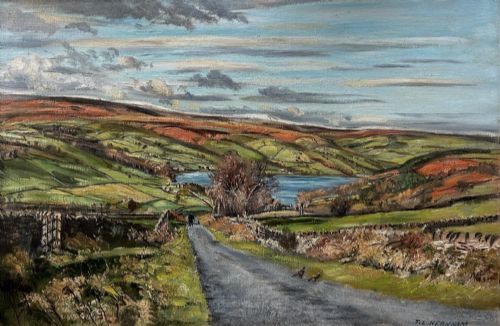
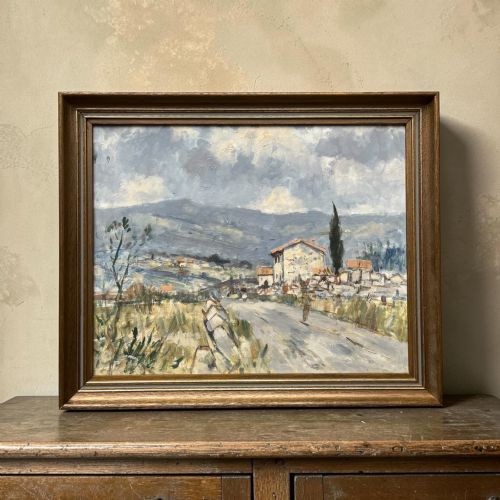
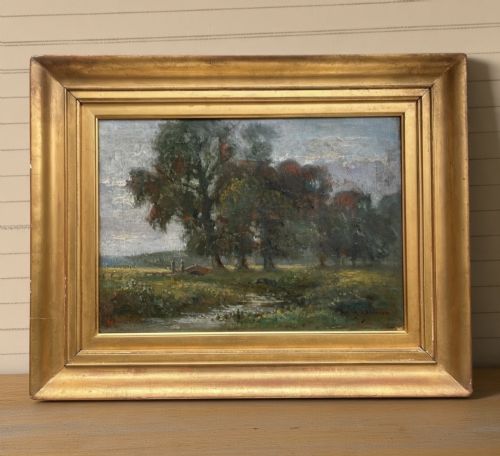
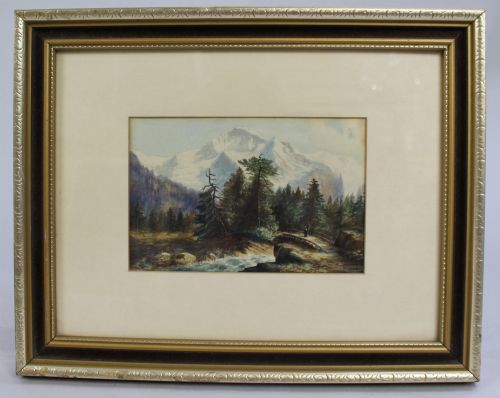
Framed scenery artwork captures rivers, mountains and rural vistas in oil and watercolour, bringing historic landscapes directly to interior walls.
Framed Scenery Artwork
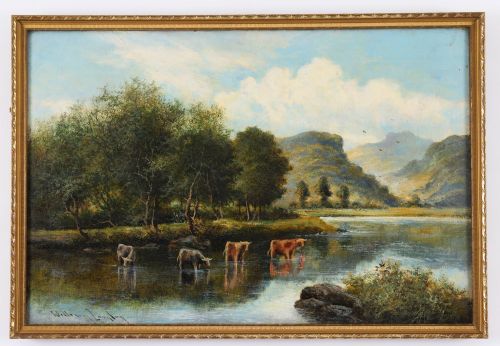
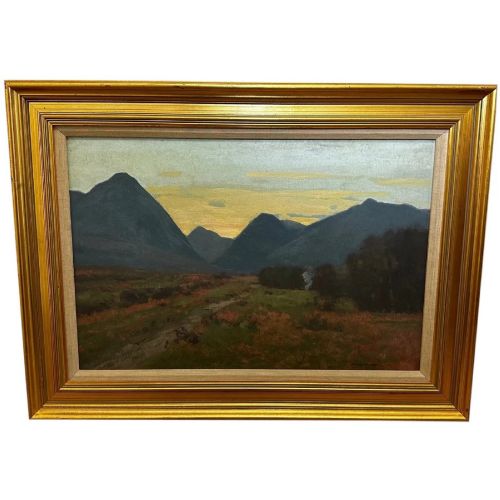
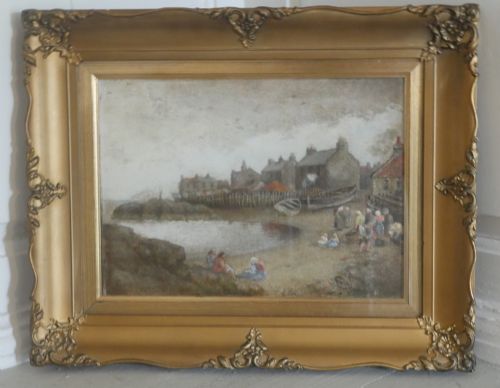
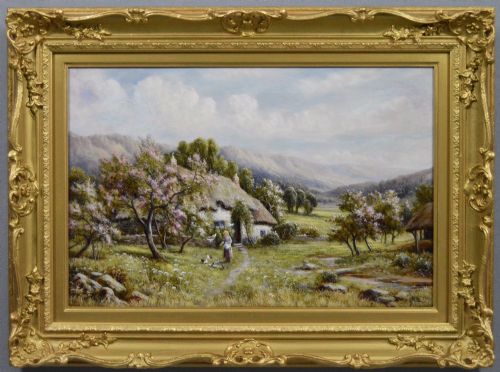
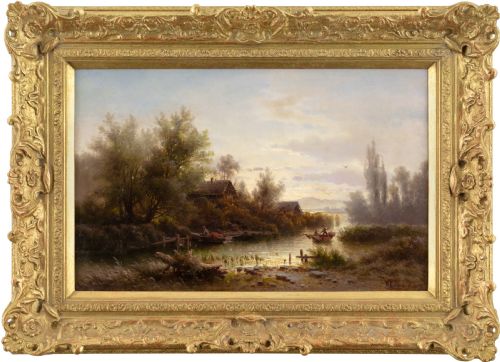
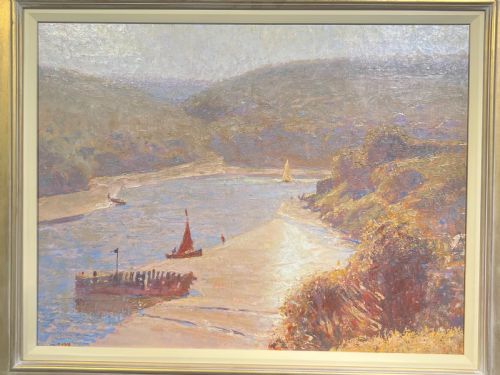
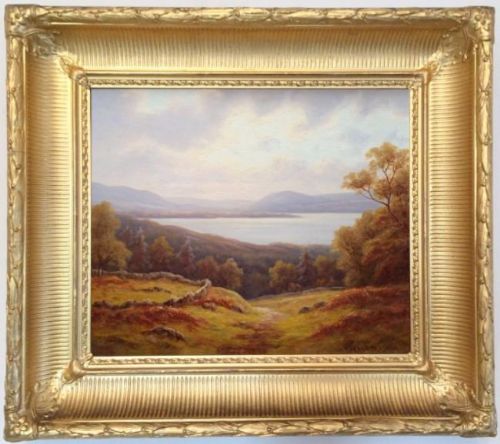
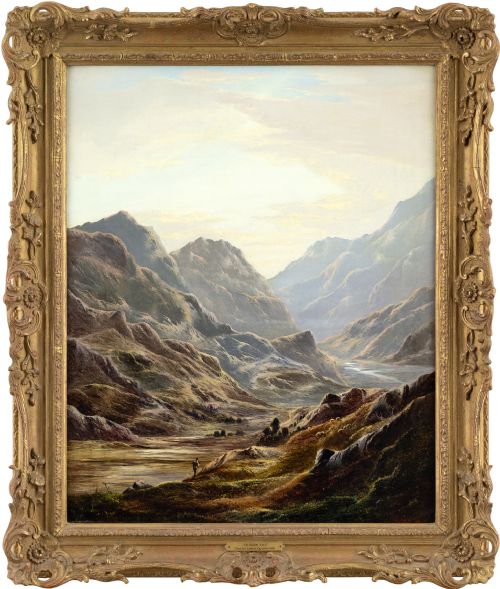
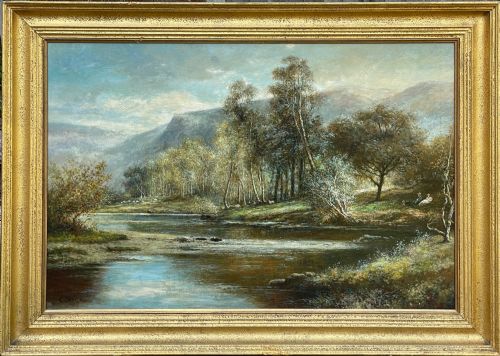
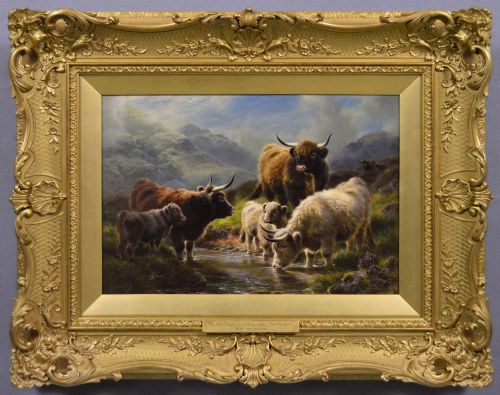
When searching for framed scenery artwork, buyers encounter painted depictions of natural and rural views originating from the nineteenth and twentieth centuries. These pieces record landscapes from Britain and continental Europe, spanning mountain passes, rivers, lakes and coastal harbours.
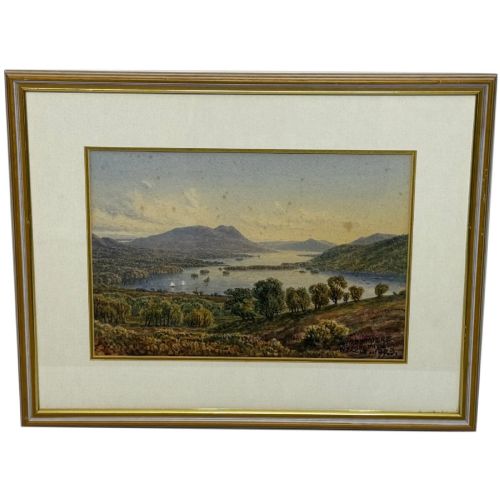
The selections available here lean heavily towards traditional oil paintings on canvas or wood panel alongside watercolours on paper. Artists from various regional schools and academic backgrounds captured these topographical and pastoral scenes.
Framed scenery artwork ranges from small cabinet watercolours to large gallery oils housed in their original protective surrounds. The compositions document specific geographic locations such as Scottish highlands, Welsh valleys and Alpine lakes.
Materials and construction
The physical objects combine supports of stretched canvas, wood panels or heavy paper with oil paint, watercolour pigments and gouache. Pigments were applied by brush to build up light, atmosphere and geographical detail across the surface.
Framing utilised traditional materials including carved wood, moulded gesso and gilt finishes designed to complement and protect the artwork. Many pieces retain period or antique frames constructed specifically for the individual canvas or paper support.
Framed Scenery Artwork Retail Price Guide 2026
Typical asking prices for framed scenery artwork among the pieces listed under this phrase on Sellingantiques today, from the lower quarter to the upper quarter. They describe what is for sale here now, not the wider market.
Several artists clearly braved biting mountain winds to paint freezing Highland lakes and snowy Swiss streams without modern thermal gloves.
Judging the standard of works
Quality rests upon the artist's ability to handle light, perspective and atmospheric depth within the natural landscape. Stronger examples demonstrate confident brushwork, accurate proportions and a cohesive palette that holds the viewer's attention.
The condition of both the painted surface and the surrounding frame influences the overall integrity of the piece. Intact original gesso and giltwood frames alongside stable, unlined canvases represent higher standards of preservation.
Thomas Leslie Kerkham·Martin Walton·Fred Solway Merriman·W.L. Guest·William Langley·William Taylor Longmire·Edward Mills·George Houston·Robert John Hammond·Cecil Allan Mould·Albert Rieger·William Watson Jnr·E Brown·Charles Leslie·Everett Watson Mellor·John Grenville Fennell·Sidney Richard Percy·H Wallace·John Wright Oakes·Karl Herrle·Stanley Orchart·Harry Pennell·John Falconar Slater·Alfred de Breanski·William Hoggatt
The Framed Scenery Artwork Glossary
- Oil on canvas
- Pigment suspended in drying oil applied to a woven fabric support stretched over a wooden frame. This medium allowed artists to build rich textures and deep tones.
- Watercolour
- A paint consisting of water-soluble pigments used on paper supports. It creates translucent washes of colour particularly suited to atmospheric skies and distant mountains.
- Giltwood
- Wood that has been coated with a thin layer of gold leaf or gold paint. It provides a reflective, ornate border common on nineteenth-century landscape paintings.
- Gesso
- A plaster-like mixture applied to wood frames before gilding or painting. It creates a smooth surface capable of holding intricate moulded relief decoration.
- Wood Panel
- A rigid flat support made from timber used by artists prior to and alongside canvas. It offers a stable surface that prevents the flexing associated with stretched fabric.
Framed Scenery Artwork: Frequently Asked Questions
What periods do these landscapes cover?
The selections span the nineteenth and twentieth centuries, capturing shifts in artistic approach from Victorian romanticism through to mid-century realism. Works date from the eighteen-seventies up to the nineteen-sixties.
Victorian and Edwardian pieces sit alongside later modernist interpretations. Each era brings distinct framing styles and handling of natural light.
Where do the depicted locations come from?
The paintings record specific sites across Britain and continental Europe, including Scottish highlands, Welsh lakes and Alpine mountains. Artists travelled to these rural destinations to sketch directly from life.
Labels or signatures often identify exact spots such as Windermere, Loch Lomond or Swiss valleys. This topography gives each piece geographic documentary value.
How should I hang scenery artwork at home?
These framed works suit dining rooms, studies or living spaces where traditional wall art enhances interior character. Consider the lighting in the room to avoid direct glare on oil varnishes or watercolour glass.
Ensure wall fixings match the weight of the heavier giltwood frames. Grouping pieces by period or palette creates a cohesive gallery display.