

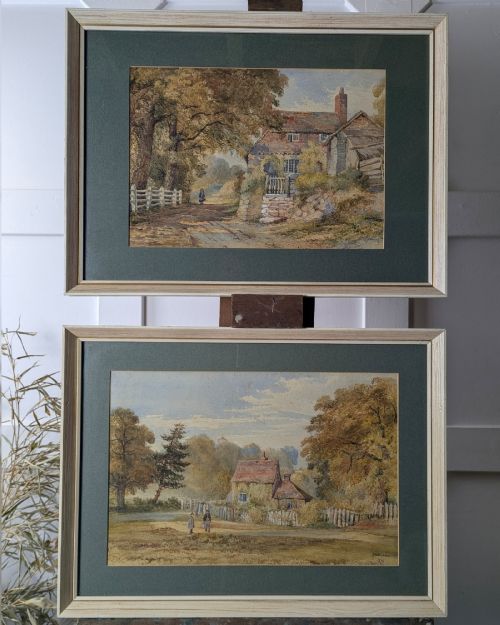
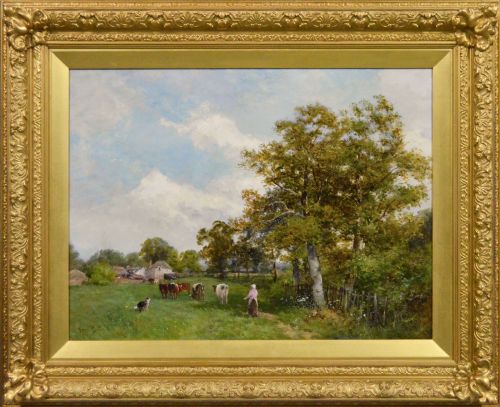
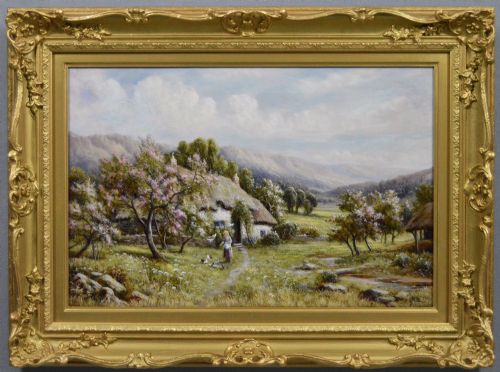
Framed Rural Landscape
A framed rural landscape brings the quiet of the countryside indoors through enduring oil and watercolour views of fields, cottages and rivers.
Framed Rural Landscape
A framed rural landscape captures agricultural scenes, village life and open countryside across centuries of British and European art. Buyers examining this page encounter works spanning from the nineteenth century into the mid-twentieth century.
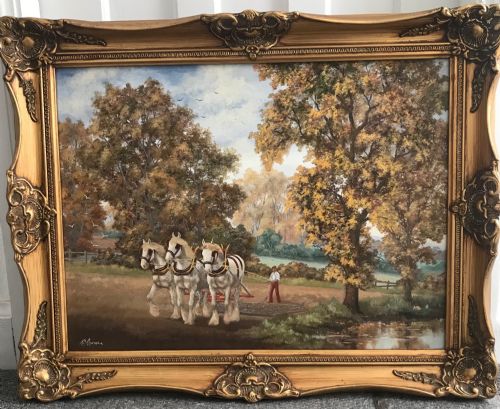
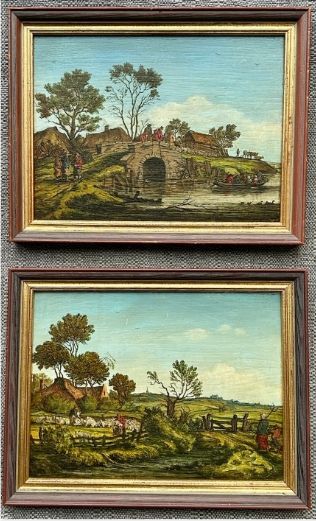
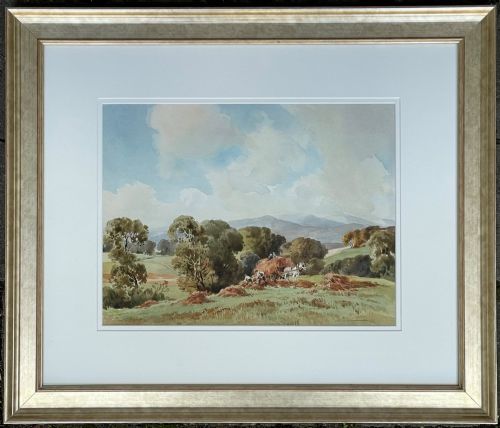
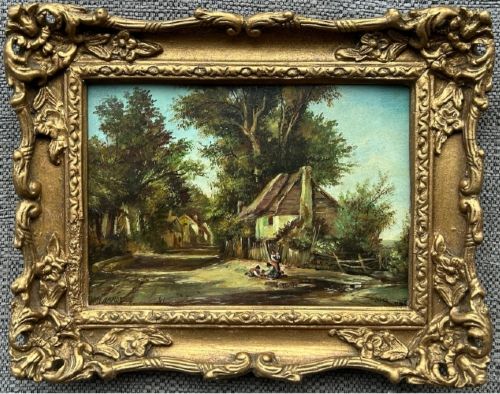
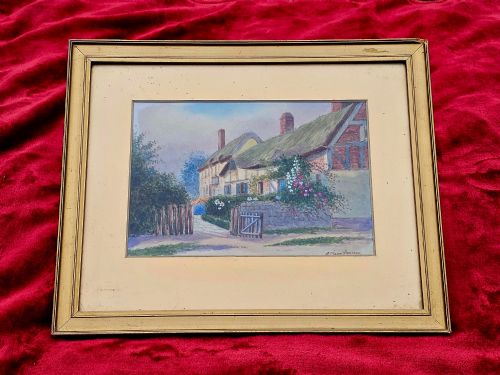
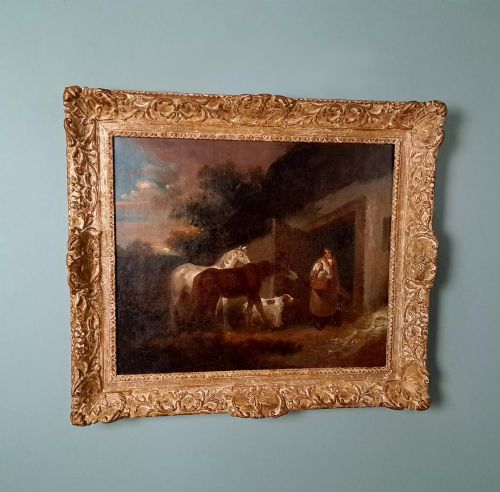
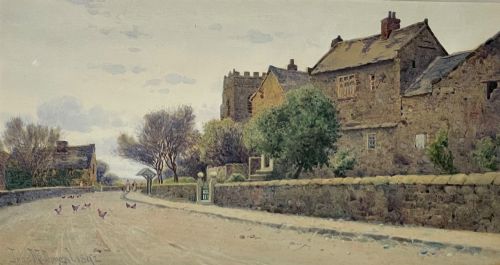
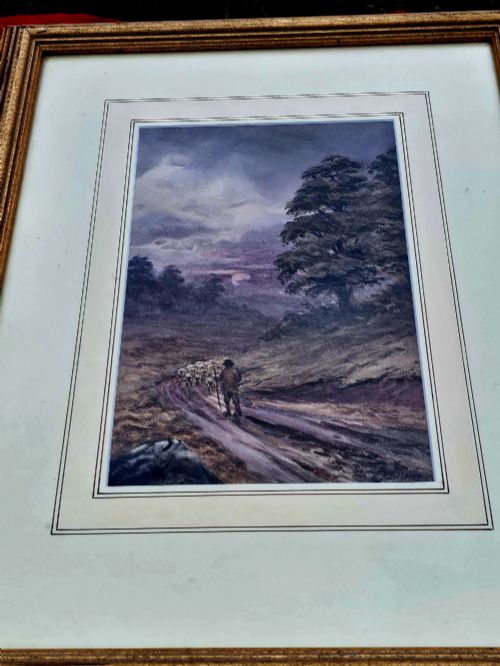
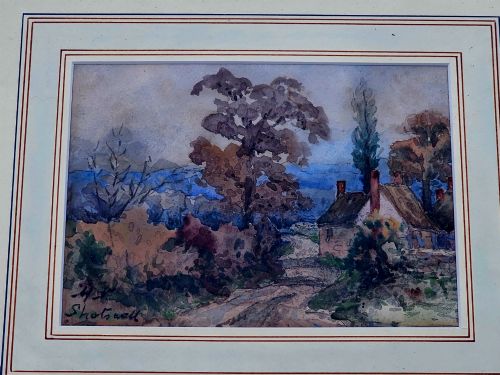
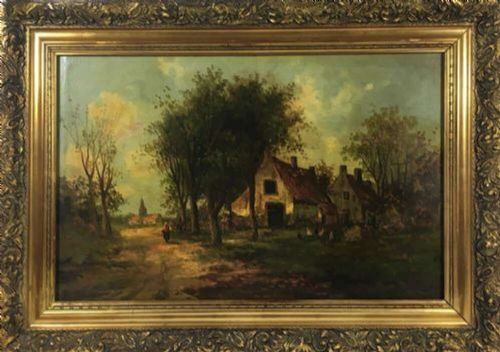
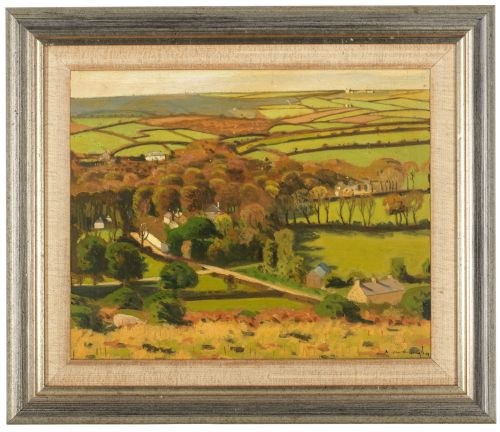
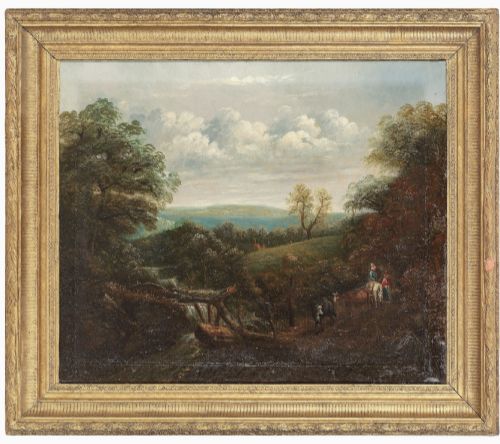
The most common formats met here are traditional oil paintings on canvas and panel alongside detailed watercolours on paper. These pieces frequently depict harvest fields, herding scenes, farms and rural paths.
Originating largely from British and continental schools, the works reflect changing artistic movements including Victorian realism, impressionism and traditional country styles.
Materials and Techniques
Artists painted primarily with oil on canvas, wood panels, board and card, or applied watercolour pigments onto paper. These media were selected to capture natural light and the subtle textures of rural foliage and earth.
Works are typically enclosed in wooden frames, frequently finished with gilt decoration to complement the palette of the artwork within. Protective glass is commonly utilised for watercolours on paper to prevent environmental damage.
The selection spans the nineteenth century through the mid-twentieth century, utilising oil, watercolour and wood.
Evaluating Quality
Quality depends upon the artist's ability to handle light, atmospheric depth and the natural movement of figures, animals and foliage. Finer works display confident brushwork and a convincing sense of place.
The preservation of the original pigments, paper or canvas and the structural integrity of the period wooden frame influence the standing of an individual piece.
W Klombeck·Percy Lancaster·William Howard Hardy·A Marie Parsons·William Joseph Shayer Senior·John McDougal·EJ Letheren·Robert Morson Hughes·Robert A Nottingham·David Bates·Robert John Hammond·Charles Houben·Walter Heath Williams·Robert W Macbeth·Th Thibault·John Horace Hooper·Raymond Booth·Frederick Walker·Eric Brown·Ernest Higgins Rigg·George Oyston·Frederick James Kerr·John Bond·Umberto Volpato·William Greaves
The Framed Rural Landscape Glossary
- Watercolour
- A painting method where fine pigment is suspended in a water-based, translucent solution applied to paper. This technique yields luminous washes and delicate detail.
- Oil on Canvas
- Pigment mixed with drying oil applied to a stretched fabric support. It allows for rich colour blending and textured impasto application.
- Gilt Wood
- Timber carved or moulded and coated with a thin layer of gold leaf or metallic paint. It provides a traditional decorative border for framed art.
- Impressionism
- A nineteenth-century painting style focusing on the accurate depiction of light and its shifting qualities. Artists utilised visible brushstrokes and unblended pigments.
Framed Rural Landscape: Frequently Asked Questions
What subjects do these rural landscapes depict?
The artworks portray traditional country scenes including harvest fields, grazing livestock, cottages, rivers and figures working the land.
These depictions reflect historical rural life and agricultural practices across Britain and Europe during the nineteenth and early twentieth centuries.
How do I care for a framed watercolour?
Watercolours on paper require protection from direct sunlight to prevent fading of the delicate pigments over time.
Keeping them in stable environmental conditions away from excessive moisture preserves both the paper support and the surrounding frame.
Where should I hang a rural landscape?
These pieces suit traditional living spaces, studies or hallways where their natural subjects complement classic interior designs.
Positioning them away from direct heat sources and bright sunlight ensures the longevity of the frame and the artwork.