

Framed Portrait of Officer
A framed portrait of officer captures the gravitas of military history through enduring painted and drawn likenesses.
Framed Portrait of Officer
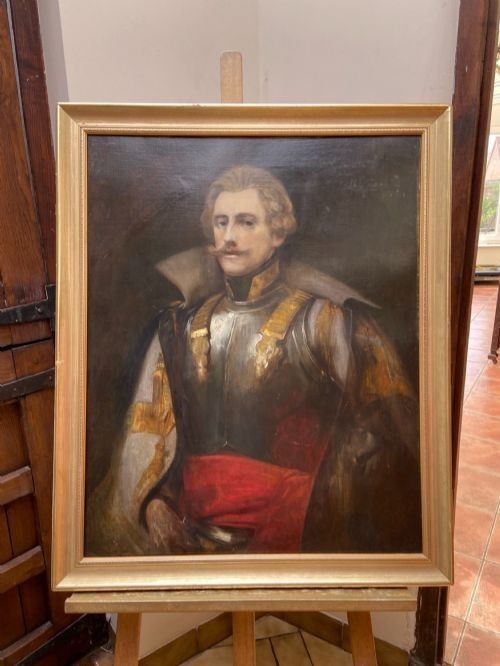
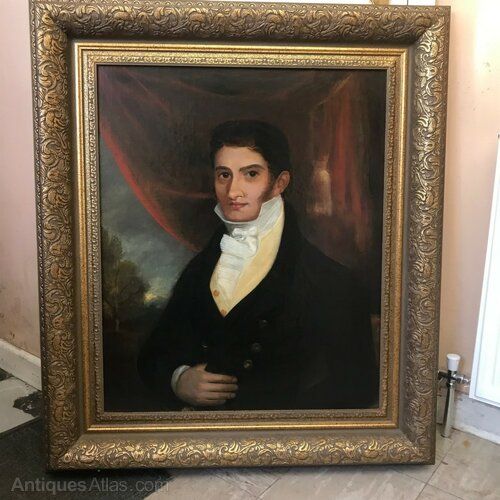
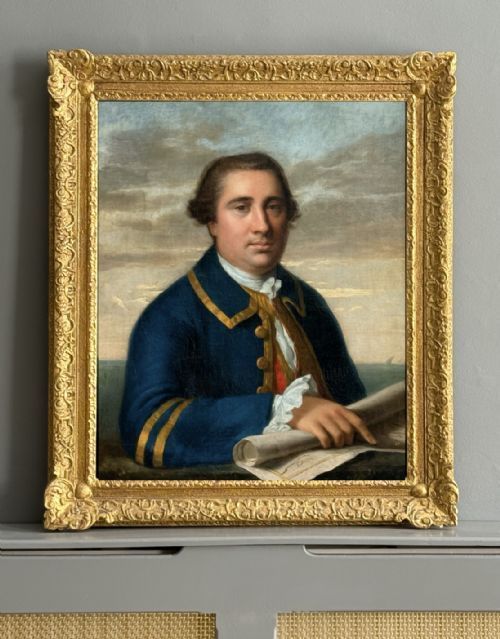
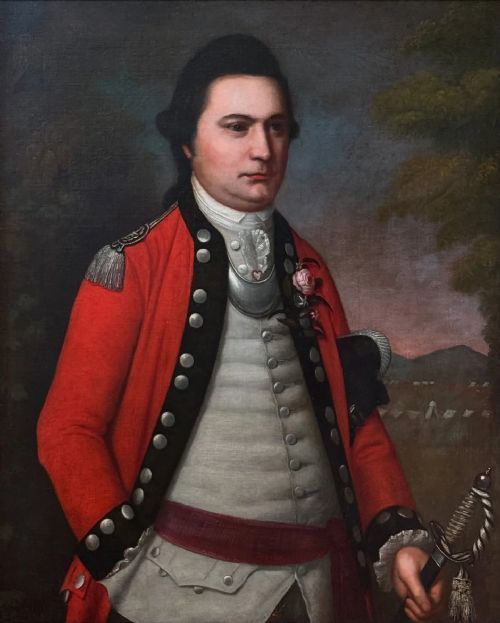
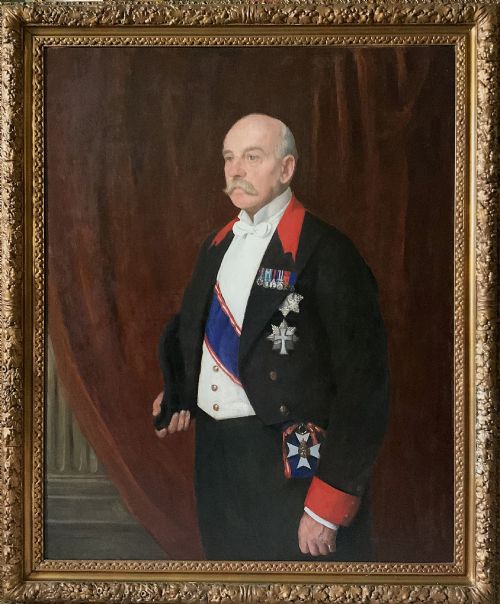
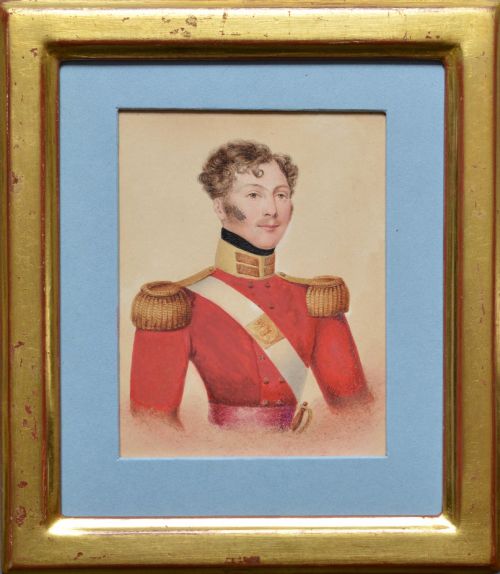
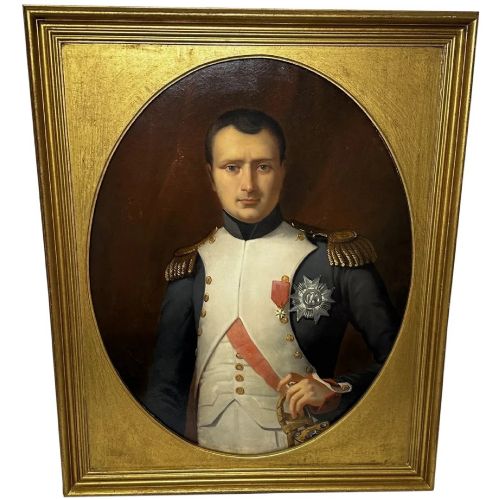
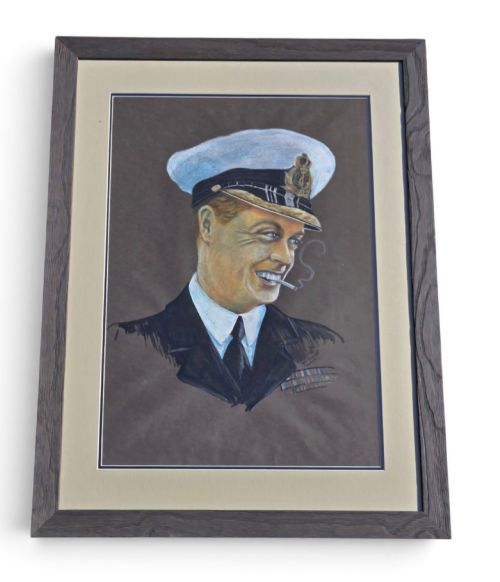
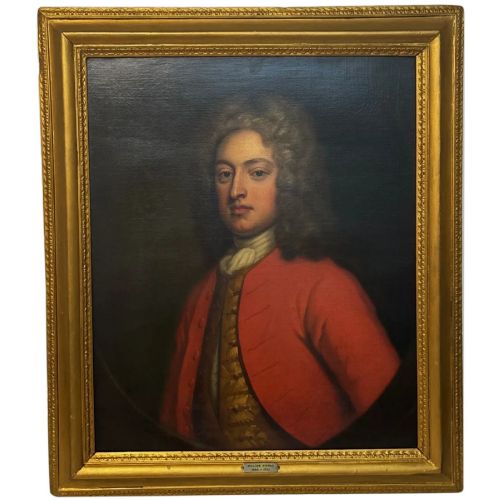
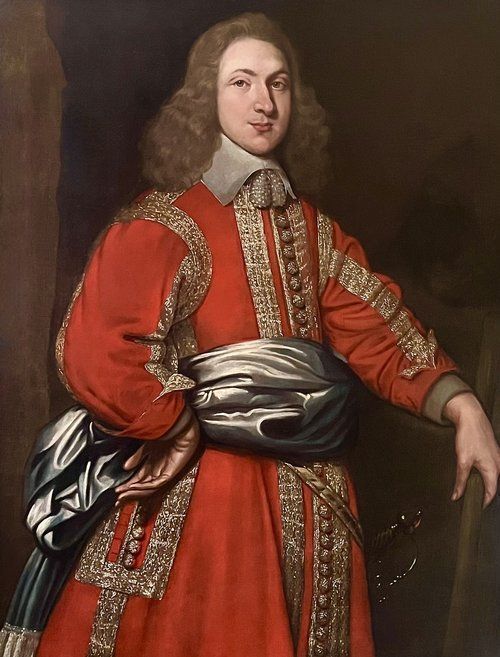
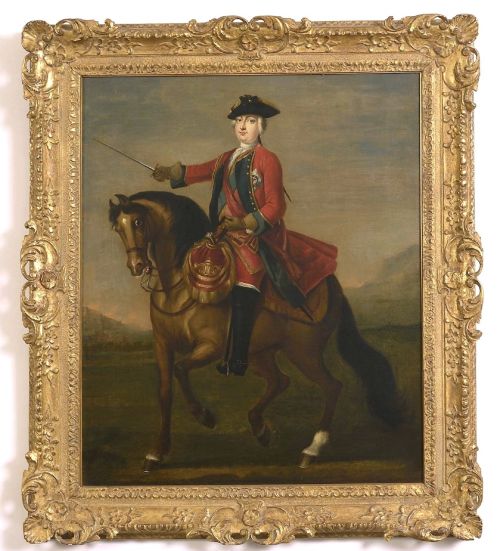
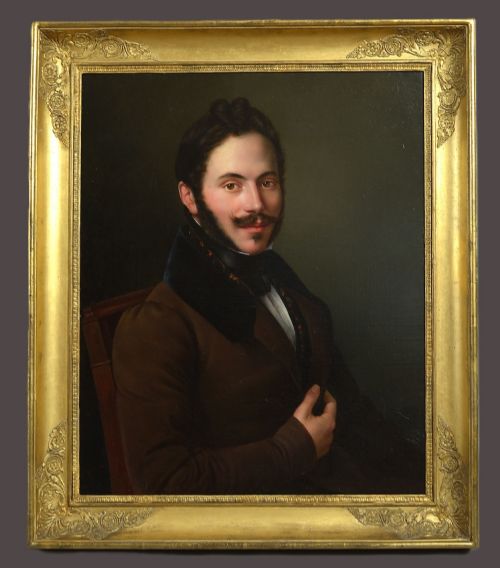
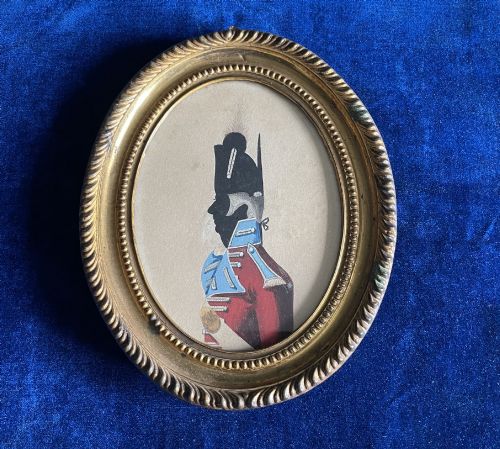
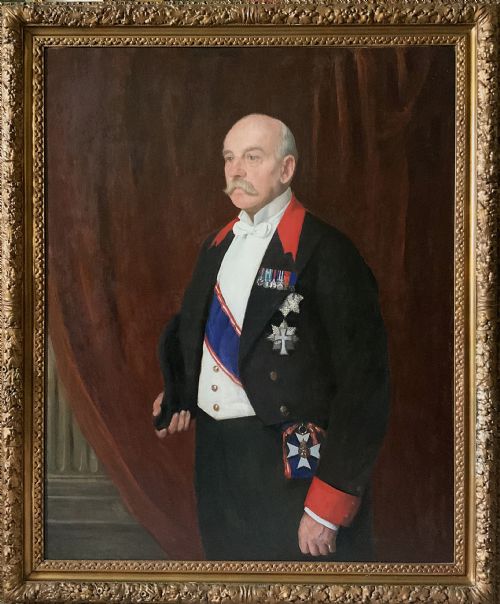
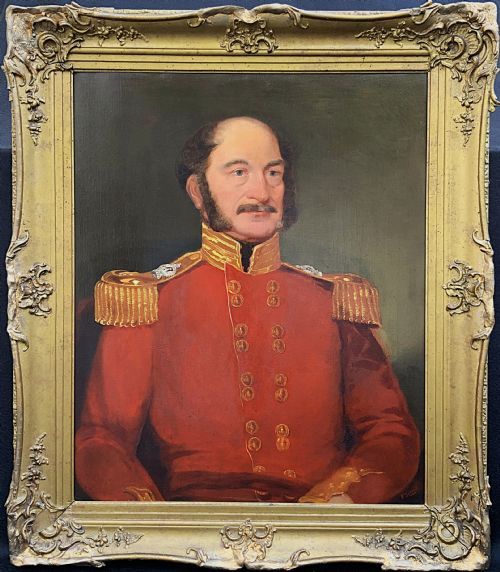
A framed portrait of officer depicts military figures from various historical campaigns, rendered in oil, watercolour, and pastel. These works span multiple centuries, ranging from seventeenth-century subjects in armour to twentieth-century commanders.
The most frequent examples encountered on this page originate in the eighteenth and nineteenth centuries, often showing subjects in red coats or naval uniforms. These range from substantial canvas oil paintings to intimate portrait miniatures.
Subjects include British, French, and Anglo-Indian officers, capturing specific regiments and ranks from captains to major-generals. Each piece reflects the military dress and artistic conventions of its respective period.
Materials and Technique
Frames play a structural and aesthetic role, constructed from wood and finished with giltwood to complement the artwork. Glazing protects delicate paper works like watercolours and pastels from environmental damage.
At least one officer was captured on an agate panel inside an eighteenth-century gold frame, proving good things come in small packages.
Evaluating the Range
The capability of the hand defines the upper tier, where facial expression, fabric texture, and uniform details possess distinct psychological depth and anatomical precision. Lesser works rely on formulaic repetition and stiff postures.
Provenance and documentation elevate a piece significantly, particularly when the sitter and artist are identified through contemporary inscriptions or historical records. Intact period framing adds integrity to the presentation.
Lemuel Francis Abbott·Stickland Lowry·John Wootton·Thomas Hudson·Edouard Pingret·Edward Pugh
The Framed Portrait of Officer Glossary
- Giltwood
- Wood carved and coated with gold leaf or gold paint to form ornate decorative frames. This technique was widely utilised for framing significant oil paintings.
- Portrait Miniature
- A small, highly detailed painting executed on ivory, vellum, or card, often housed in a precious metal case. These portable artworks frequently depicted military officers for family members.
- Oil on Canvas
- Pigment mixed with drying oil applied to stretched woven fabric. This medium allowed artists to achieve rich colour depth and lasting durability.
- Anglo-Dutch School
- A grouping of artists working in Britain and the Netherlands who shared stylistic influences during the seventeenth century. Their portraits often feature dark, restrained palettes.
Framed Portrait of Officer: Frequently Asked Questions
How do I identify the military rank from the portrait?
Uniform details such as lace, epaulettes, and collar insignia indicate the specific rank and regiment of the sitter. Contemporary inscriptions on the canvas or frame often record the officer's name and title.
Historical records and military archives can further clarify the exact dates of service and campaign participation associated with the uniform style.
What is the difference between oil paintings and miniatures?
Oil paintings are executed on large canvas or wood panels, designed for prominent display on interior walls. They utilise thick pigments to capture dramatic lighting and uniform textures.
Portrait miniatures are scaled down to pocket size, painted with meticulous brushwork on delicate surfaces. They were intended for personal, intimate keeping rather than public display.
How should I care for antique portrait frames?
Giltwood and wooden frames require gentle dusting with a soft, dry brush to prevent the accumulation of grit. Avoid using liquid cleaners or chemical polishes, which can strip the delicate gold leaf.
Keep framed artworks away from direct sunlight and sources of heat to prevent the canvas from sagging and the wood from warping.
Are these portraits signed by the artists?
Some works bear visible artist signatures or studio inscriptions, while many historical pieces remain unattributed. Unsigned paintings are frequently attributed to specific schools or periods based on technique.
Stylistic comparison with documented works helps specialists attribute anonymous portraits to particular regional schools or known workshops.