


Framed Pastoral Canvas Artwork
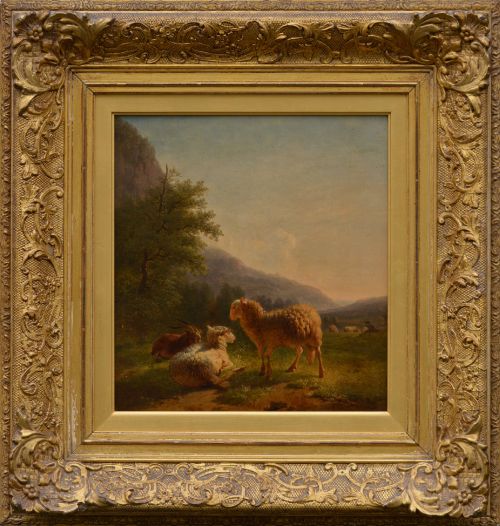
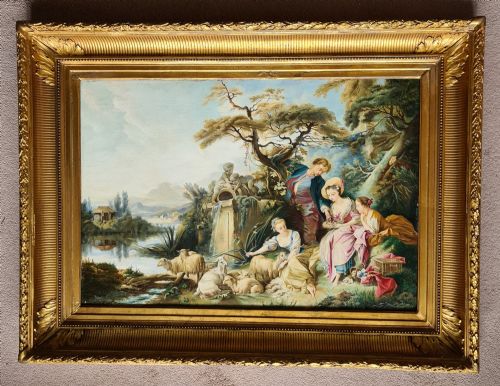
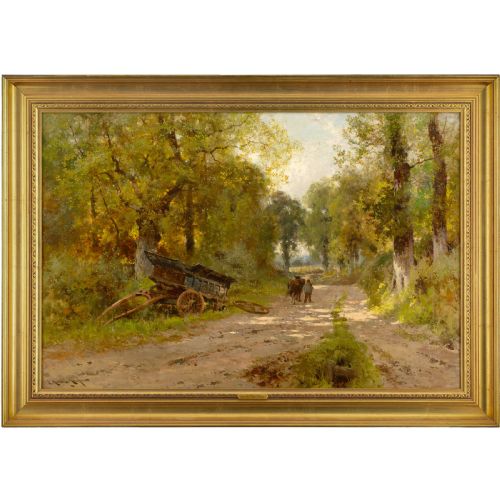
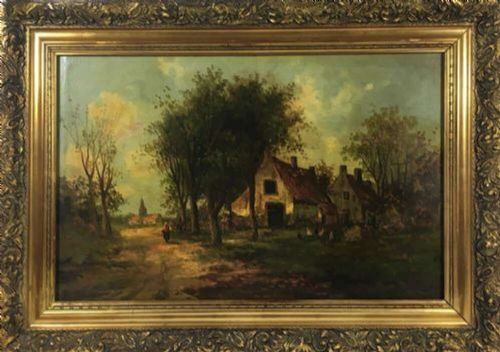
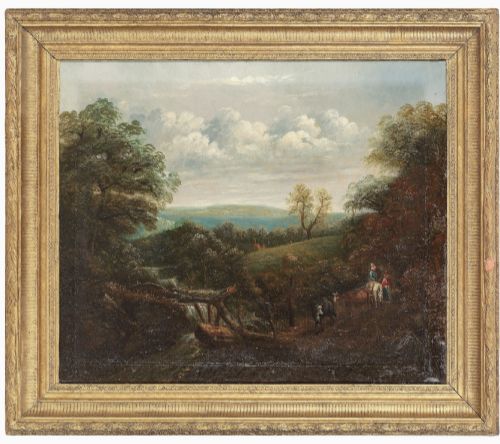
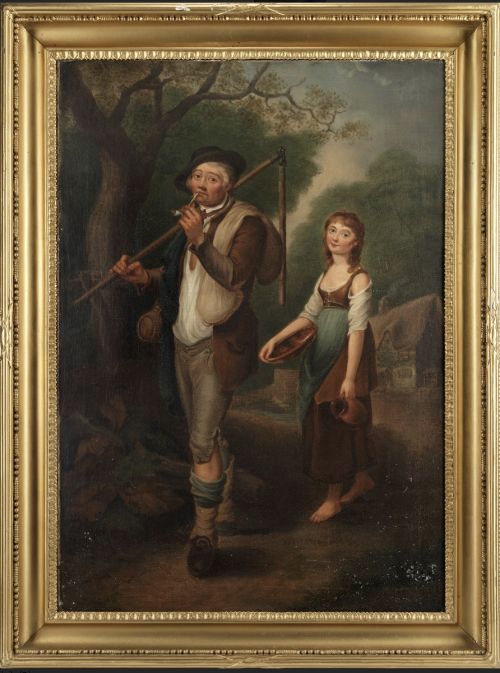
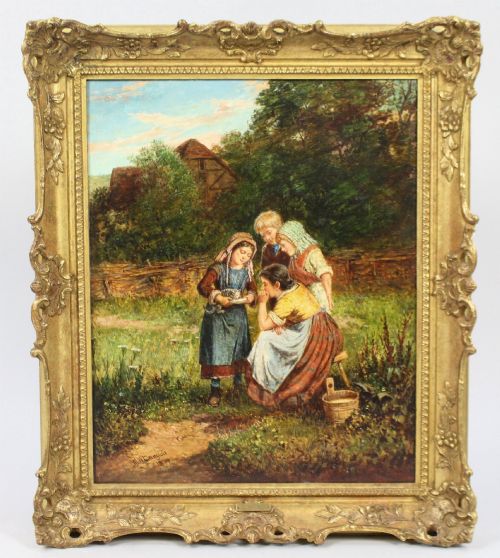
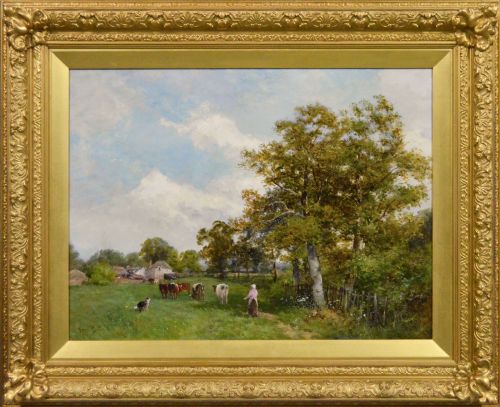
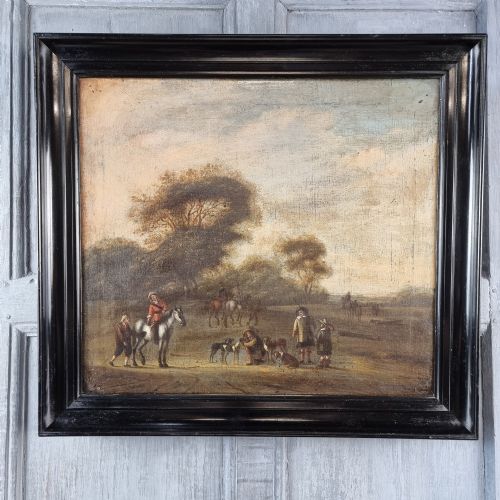
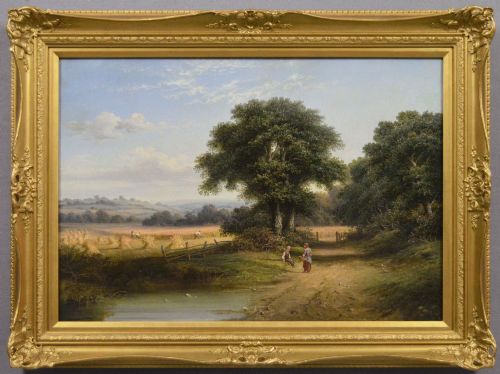
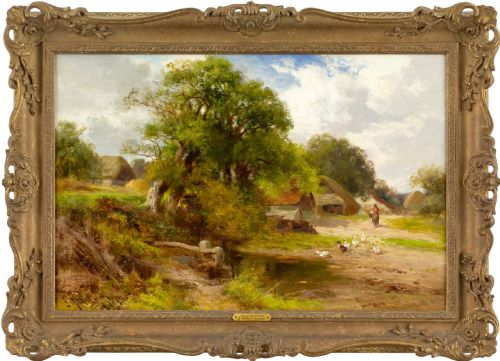
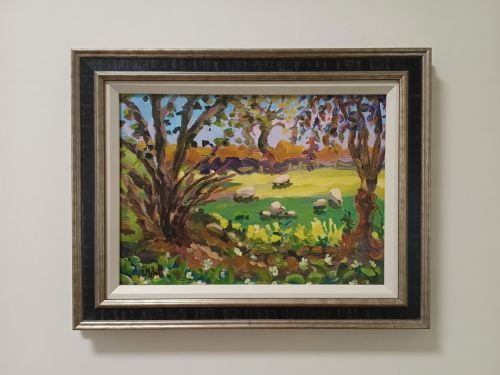
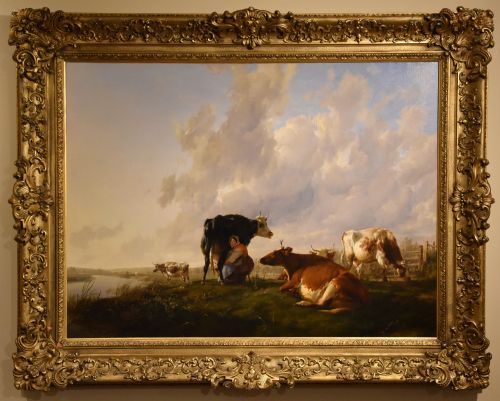
Framed pastoral canvas artwork brings rural idylls, shepherds, cattle and rolling countryside straight into the room inside original wooden enclosures.
Framed Pastoral Canvas Artwork
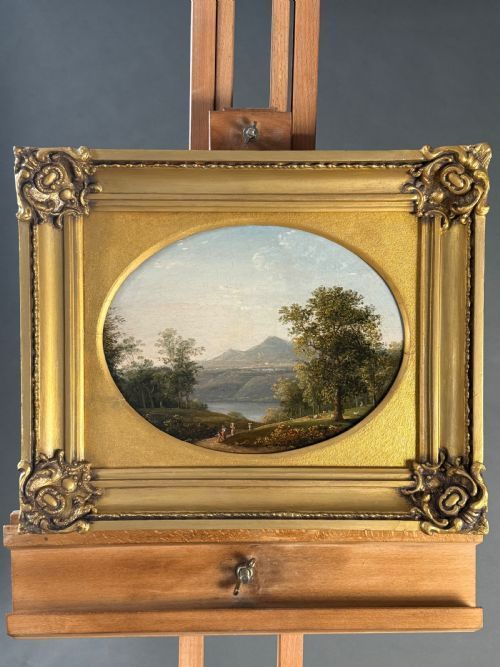
Framed pastoral canvas artwork captures agricultural scenes, herds of cattle, sheep, and country figures painted across the nineteenth and early twentieth centuries. These works stem from British, French, and Italian schools, recording rural life through realists, romantics, and regional painters.
Buyers meet nineteenth-century Victorian canvases alongside Edwardian pieces, often showing farmyards, riverbanks, and highland pastures. The compositions range from intimate cottage landscapes to grand grand tour vistas depicting shepherds and livestock at rest.
How They Were Made
Painters applied oil paint to stretched canvas, building up rural scenes with layered pigments that captured natural light on cattle, sheep, and foliage. The resulting works rely on oil as the primary medium for depth and texture.
Makers housed these paintings in wooden frames, frequently incorporating gesso and giltwood mouldings to complement the pastoral subject matter. These surrounds protect the canvas edges while providing a decorative perimeter.
Materials recorded include oil paint, canvas, wood, gesso, and giltwood across various nineteenth-century styles.
What Varies in Quality
The distinction between ordinary and exceptional works rests upon the handling of light, anatomical precision in animals, and atmospheric depth within the landscape. Master painters render cattle, sheep, and human figures with anatomical conviction and narrative weight.
Frame construction and material integrity also separate examples, where original carved giltwood or gesso mouldings elevate the complete object. The cohesion between the painting's brushwork and its period housing determines the standing of the piece.
Eugène Verboeckhoven·William H Myers·John Horace Hooper·Thomas Sidney Cooper·David Bates·Walter Heath Williams·Jacob Philipp Hackert·Lucy Pratt·Richard Redgrave·Ernest Higgins Rigg·Robert Watson·Albert Rieger·William Watson Jnr·Douglas Cameron·Johann Friedrich Voltz·Henry H Parker·Jan Miel·John Emms·A M Gauci·Charles Clair·Charles Zacharie Landelle·Margaret Maitland Howard·William Henry Mander
The Framed Pastoral Canvas Artwork Glossary
- Canvas
- A heavy woven fabric used as a support surface for oil paintings. It is stretched over a wooden frame before application of the ground and paint layers.
- Giltwood
- Wood that has been coated with a thin layer of gold leaf or gold paint. This material is common in period frames designed to showcase nineteenth-century fine art.
- Pastoral
- A genre of art concerning rural life, shepherds, and agricultural landscapes. These scenes idealize country living and farm animals.
- Gesso
- A plaster-like mixture applied to wood frames to create a smooth surface for gilding. It allows intricate moulded ornamentation around the artwork.
- Barbizon School
- A nineteenth-century French art movement focused on realism in landscape painting. Painters in this circle emphasised direct observation of nature and farmyard settings.
Framed Pastoral Canvas Artwork: Frequently Asked Questions
What subjects appear in these pastoral paintings?
These works depict rural scenes featuring sheep, cattle, shepherds, milkmaids, and figures near harvest fields or rivers. The compositions focus on agricultural life and countryside vistas.
Animals like shorthorn bulls and collies frequently anchor the foreground, set against British, French, or Italian landscapes.
How do I date a pastoral canvas?
Dating relies on stylistic clues, stretcher construction, and framing materials. Nineteenth-century and Edwardian pieces show specific handling of realism and romanticism.
Signatures, artist records, and canvas stamps help place the work within specific periods like the Victorian era or the early twentieth century.
Where were these landscape artworks created?
The pieces originate from various European traditions, including the British School, the Norwich School, and the Barbizon School in France. Grand tour paintings also reflect Italian influences.
Artists travelled across Britain, France, and Italy to record local agricultural scenes and river landscapes.
How should I hang a giltwood framed painting?
Hang the piece away from direct sunlight and fluctuating heat sources to protect the oil paint and canvas. Ensure the wall fixings safely support the combined weight of the canvas and wooden frame.
Keep the artwork at eye level where the giltwood and gesso details can be appreciated in natural room light.