

Framed Pastel Artwork Painting
Framed pastel artwork painting pieces bring delicate textures and immediate colour to walls, captured directly onto paper through soft pigments.
Framed Pastel Artwork Painting
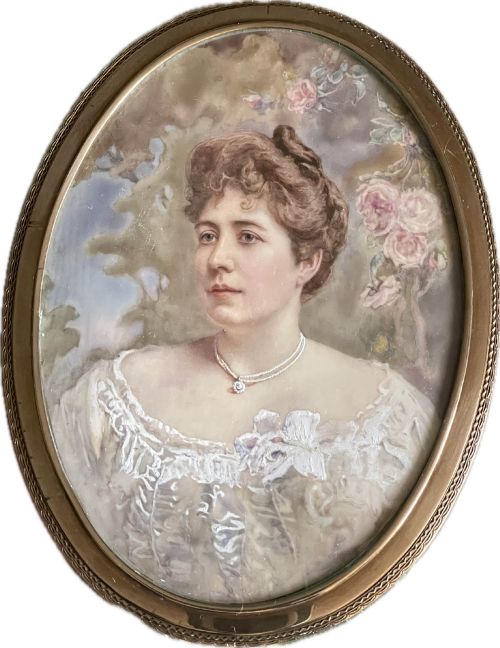
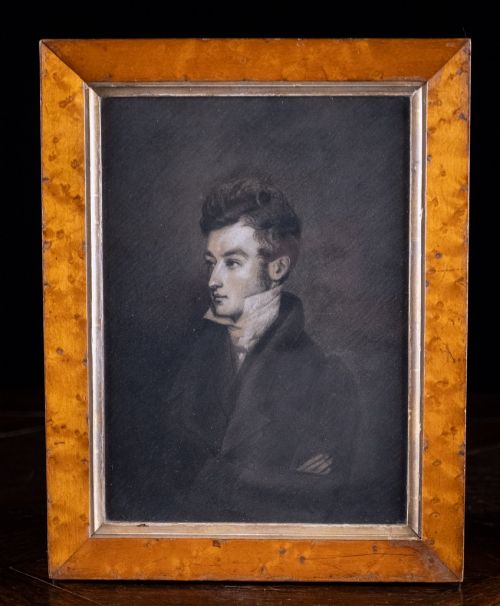
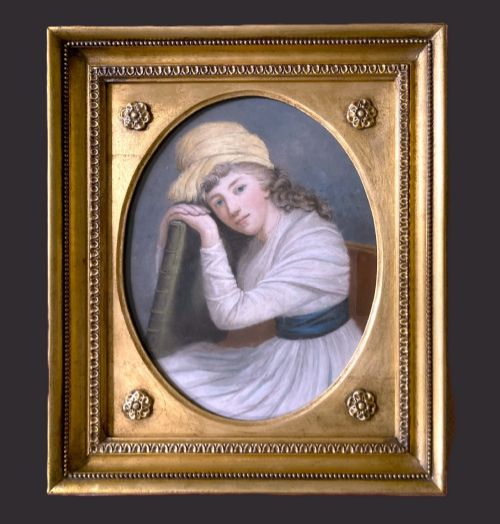
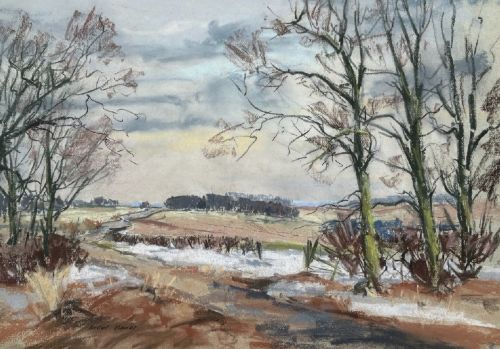
A framed pastel artwork painting combines powdered pigment strokes with protective glass glazing, preserving fragile surfaces from smudging. These works range from intimate portrait studies to sweeping landscape scenes spanning multiple centuries.
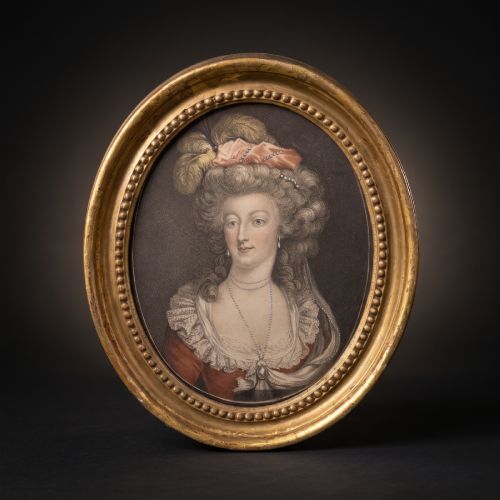
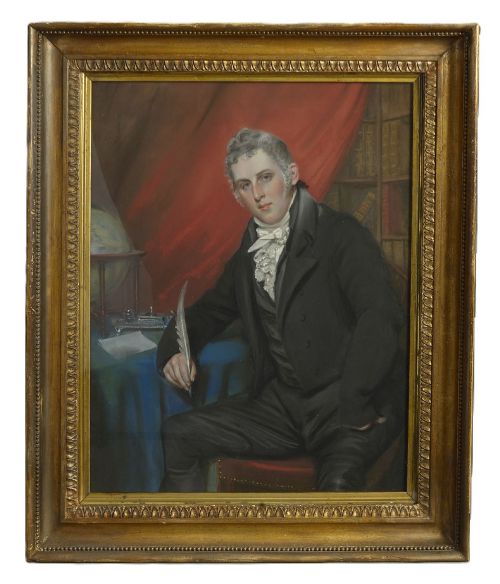
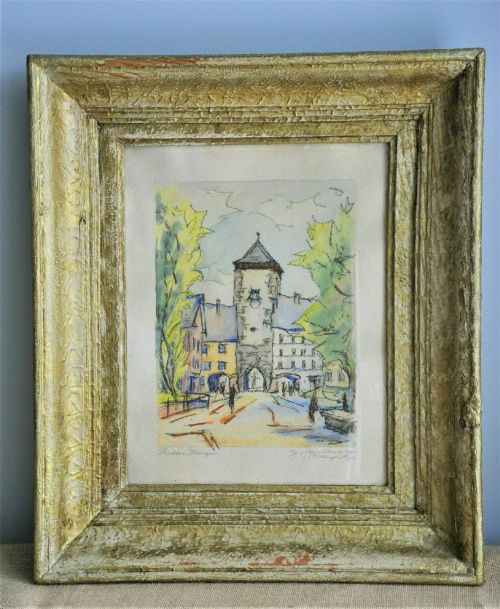
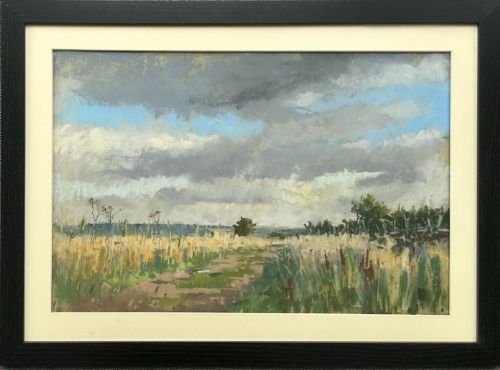
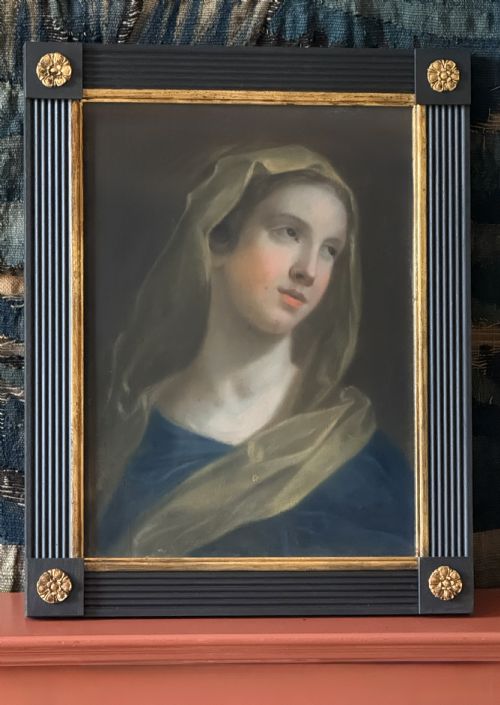
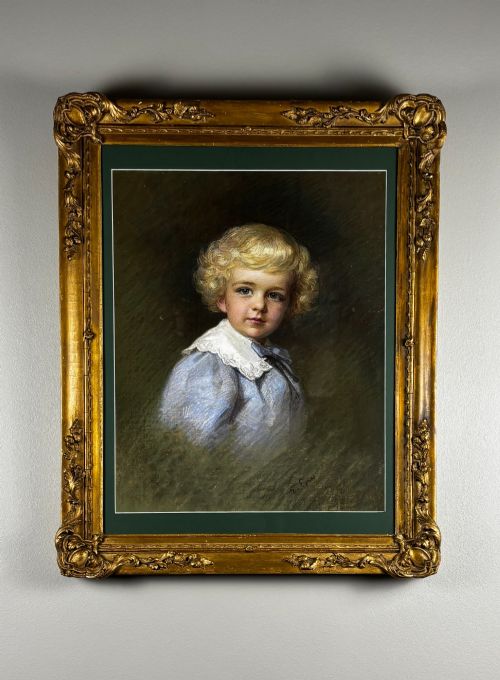
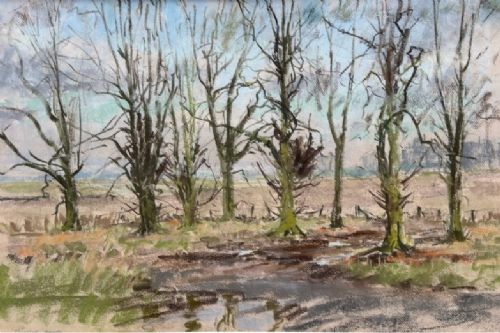
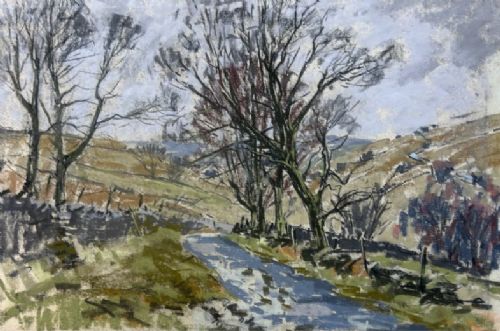
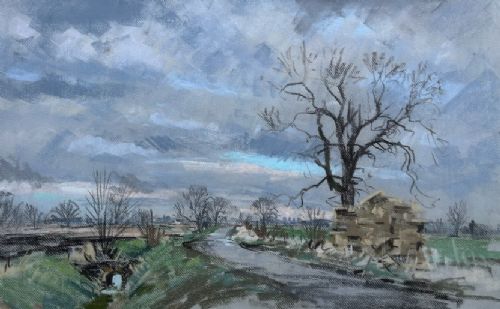
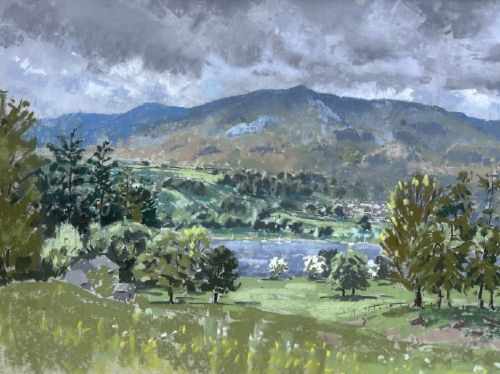
Buyers frequently encounter mid twentieth century landscapes alongside eighteenth and nineteenth century portraiture on this page. The subjects extend from human figures and military officers to animals and coastal views.
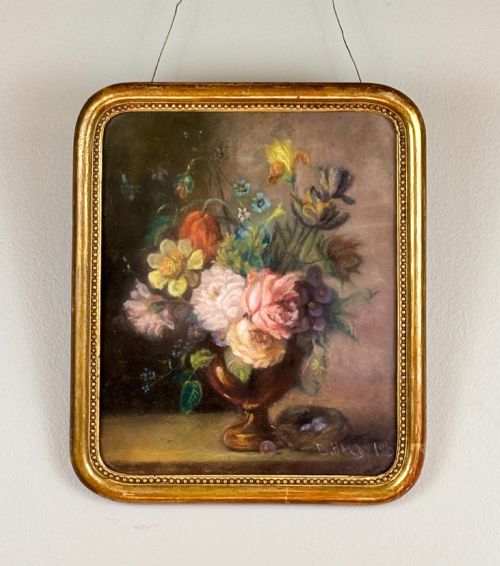
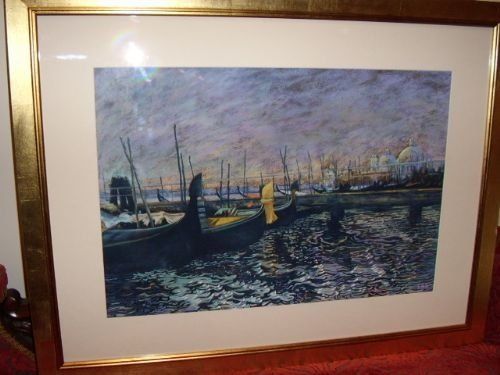
The physical forms include wall art, framed fine art, and portrait paintings housed within period wooden surrounds. Many examples combine pastel with gouache or watercolour to build depth.
How they were made
Artists executed these works by applying dry pastel sticks directly onto paper surfaces, sometimes blending pigments with fingers or stumps. Gouache and gold leaf occasionally appear alongside the primary medium to accentuate highlights.
Protection relies on heavy timber framing, often featuring giltwood or simple wood mouldings, sealed with glass to prevent atmospheric damage. The underlying support consists primarily of paper housed within enclosed backing.
Framed Pastel Artwork Painting Retail Price Guide 2026
Typical asking prices for framed pastel artwork painting among the pieces listed under this phrase on Sellingantiques today, from the lower quarter to the upper quarter. They describe what is for sale here now, not the wider market.
Several dogs make an appearance here, including three Pekingese and a stylish cat rendered in oil pastels.
What varies in quality
The strength of the draftsmanship and the preservation of the pigment layer distinguish finer examples from simpler student exercises. Artists who captured anatomical precision or atmospheric light created works of enduring visual weight.
The integrity of the original frame and the absence of heavy pigment flaking determine the condition hierarchy. Works retaining their initial glass and undisturbed paper surfaces command greater admiration.
Anna Tonelli·John Russell·Benedetto Luti·Emily Eyres·Angus Rands·Joseph Knight
The Framed Pastel Artwork Painting Glossary
- Pastel
- A dry painting medium composed of powdered pigment and a binder rolled into sticks. It offers a velvety texture that requires glass protection.
- Gouache
- An opaque water-based paint utilised alongside pastel to add solid highlights and dense colour passages.
- Giltwood
- Wood carved and coated with gold leaf or gold paint, frequently used for decorative antique picture frames.
- Gilding
- The application of fine gold leaf or powder onto surfaces such as wooden picture frames.
- Gesso
- A plaster-like mixture applied to wooden frames to provide a smooth base for gilding.
Framed Pastel Artwork Painting: Frequently Asked Questions
How should I clean the glass?
Use a soft cloth dampened slightly with standard glass cleaner, applying it to the cloth rather than spraying directly onto the frame. This prevents moisture from seeping beneath the rebate and damaging the pastel paper.
Keep the liquid away from the wooden moulding and the gilt edges to preserve the original finish.
Why are they displayed under glass?
Pastel pigment sits loosely on the paper surface without a liquid binder, making the medium vulnerable to touch and air movement. Glass creates a physical barrier that stops the powder from shifting.
Without this protection, accidental contact easily blurs the fine lines and delicate shading.
Can I hang them in direct sunlight?
Direct sunlight causes pigments to fade over time, particularly organic colours utilised in older works on paper. Position these pieces on interior walls away from bright windows.
Utilising UV-filtering glass provides an additional layer of protection against fading if natural light cannot be avoided.
How do I identify the period?
Examine the framing technique, paper type, and the clothing style of any depicted figures. Eighteenth and nineteenth century portraits display different costume details and framing materials compared to mid twentieth century landscapes.
Papers from earlier centuries often show distinct watermarks and heavier hand-laid textures.