

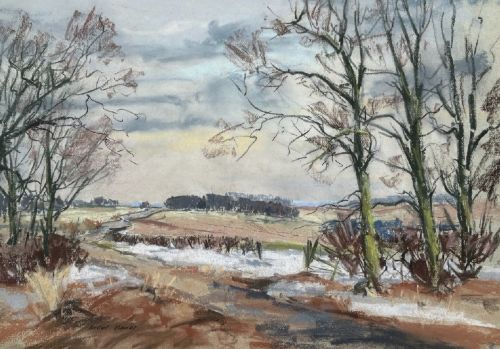
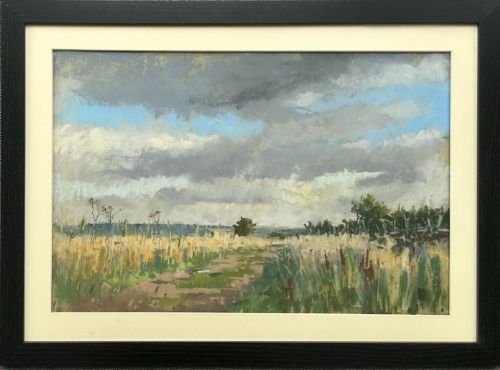
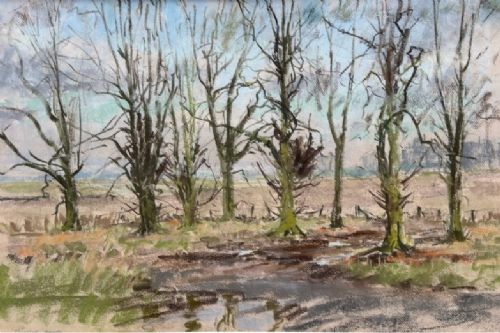
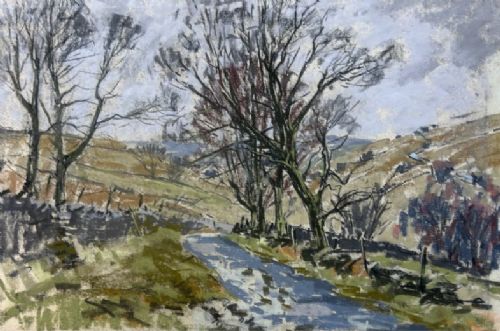


Original British Pastel Drawing
An original british pastel drawing brings texture and immediacy to a room, capturing light on paper through pigment alone.
Original British Pastel Drawing
When you search for an original british pastel drawing, you encounter works spanning from the Victorian period through the Edwardian era into mid-century modernism and the 1960s. These pieces encompass landscapes, portraits, still lifes, and figure studies executed by British artists working across various regions.
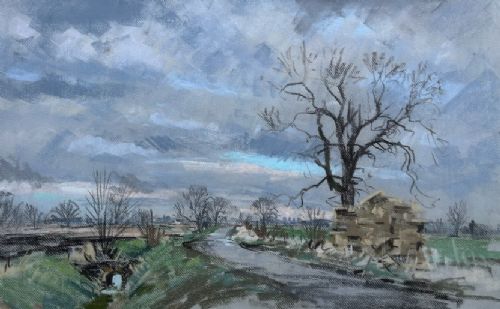
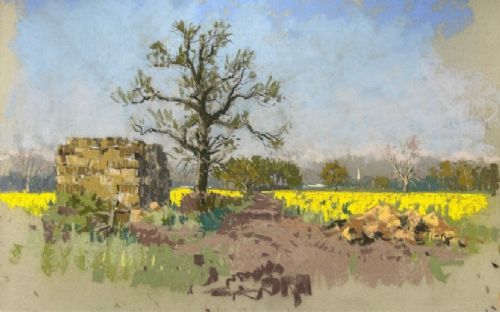
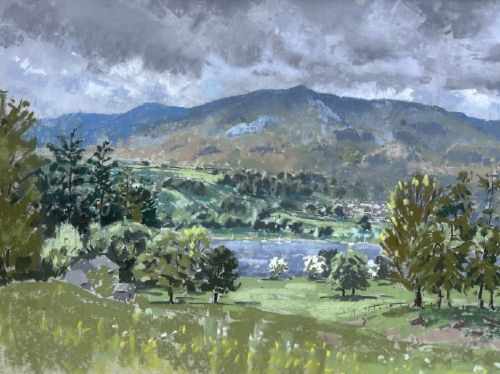
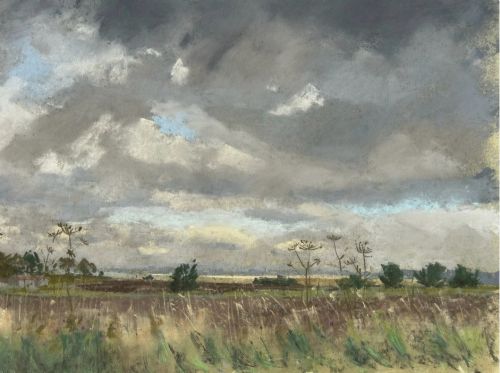
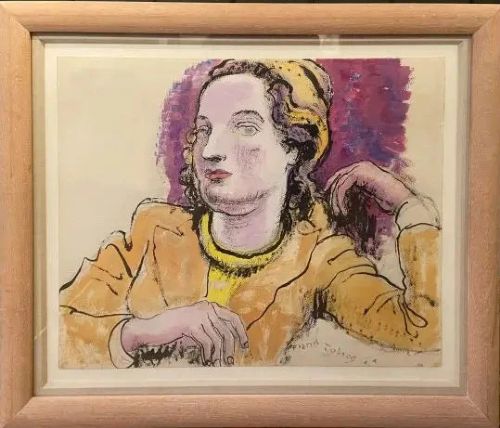
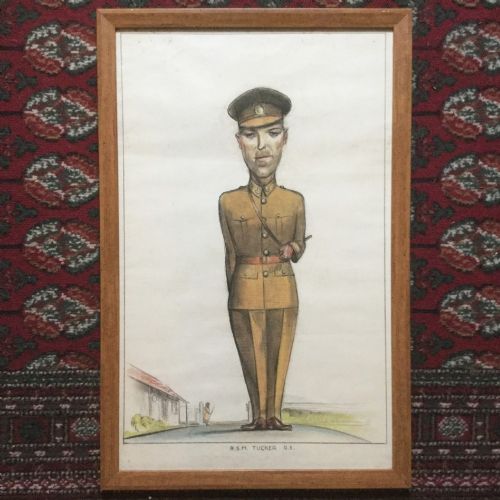
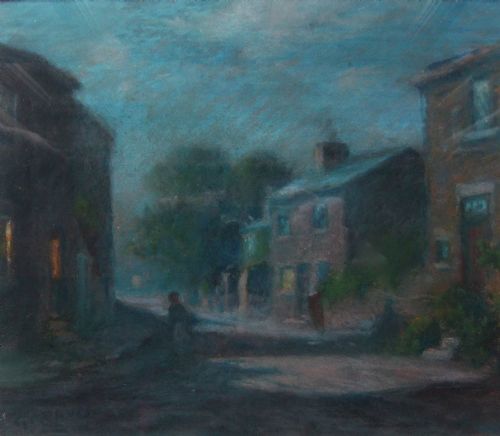
The most common examples on this page are mid-century landscapes and portraits from the twentieth century, often framed behind glass in period wood or walnut moulding. They range from expansive regional scenes of Yorkshire and Cumbria to intimate figure drawings and still lifes of florals.
Earlier pieces from the nineteenth century and the Edwardian period tend towards formal portraiture and traditional pastoral scenes, while later twentieth-century works embrace modernist abstraction and bolder palettes.
Materials and technique
Artists utilise soft pastel sticks, chalk, and charcoal on paper or coloured card, sometimes combining them with watercolour or gouache to build depth and contrast. Pastel particles sit directly on the support without a liquid binder, which gives the surface its characteristic velvety bloom.
Because pastel pigment is inherently fragile and prone to smudging, these works require careful mounting behind glass with a protective spacer to keep the paper clear of the glazing. Framing materials typically consist of period wooden mouldings that protect the delicate chalk layers from environmental moisture and physical disturbance.
Original British Pastel Drawing Retail Price Guide 2026
Typical asking prices for original british pastel drawing among the pieces listed under this phrase on Sellingantiques today, from the lower quarter to the upper quarter. They describe what is for sale here now, not the wider market.
Materials recorded across the selection feature pastel, chalk, charcoal, watercolour, gouache, and coloured paper.
Judging quality in pastels
Quality rests upon the sureness of the hand and the control of tone, where skilled draughtsmanship allows minimal strokes to convey form, weight, and atmosphere. Strong works demonstrate confident handling of light and shadow without excessive blending that muddy the pigment.
The condition of the pigment surface dictates much of the appeal, as works that retain their original chalk density and show minimal loss behind the glass carry greater visual impact. Furthermore, the prominence of the artist and the specific subject matter elevate certain sheets above standard topographical or studio studies.
Angus Rands·Frank Dobson·Samuel Rabin·John Rattenbury Skeaping·Cecil Charles Windsor Aldin·John Hobson Nicholson·Arthur Todd·Adrian Heath·Denis William Reed·Lena M Alexander·Jennifer Toombs·Aubrey Sykes·John Macallan Swan·Josiah Gilbert·Sonia Lawson
The Original British Pastel Drawing Glossary
- Pastel
- A dry painting medium consisting of powdered pigment combined with a binder, formed into sticks for drawing directly on paper.
- Gouache
- An opaque water-based paint often used alongside pastel to add solid highlights and dense opaque areas of colour.
- Fixative
- A liquid spray applied to pastel drawings to bind the loose pigment particles to the paper and prevent smudging.
- Support
- The underlying surface, typically paper, card, or canvas, upon which the pastel drawing is executed.
Original British Pastel Drawing: Frequently Asked Questions
How should I frame an original pastel?
Pastels must be framed under glass to protect the loose pigment from dust and touch. A mount or spacer is essential so the glass does not press directly against the paper surface.
Sealing the back of the frame helps prevent dust ingress and protects the delicate chalk layers from humidity changes over time.
Can pastel drawings fade in sunlight?
Pigments used in pastels can be sensitive to direct, prolonged ultraviolet light. Hanging them away from harsh south-facing windows preserves the original colour intensity.
Museum glass or UV-filtering glazing offers additional protection against fading while maintaining clear visibility of the textured surface.
What is the difference between pastel and chalk?
Chalk typically refers to natural mineral stones used for linear drawing, while pastels are manufactured sticks containing a high concentration of pure ground pigment.
In many historic drawings, artists used both mediums together, laying down chalk for structure and pastel for broad areas of saturated colour.