

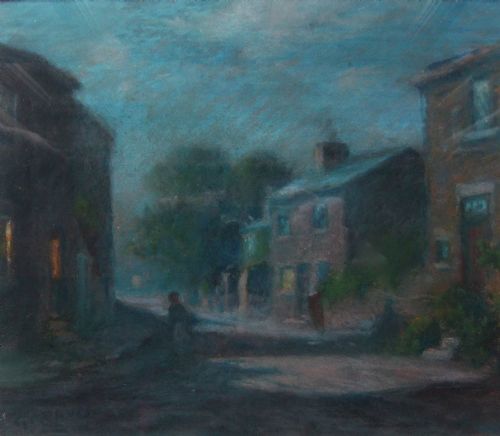


Paper Pastel Landscape Artwork
These paper pastel landscape artwork pieces bring pastoral views and coastal scenes into rooms through soft, chalky pigments.
Paper Pastel Landscape Artwork
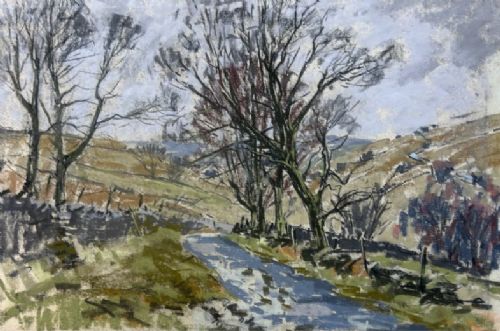
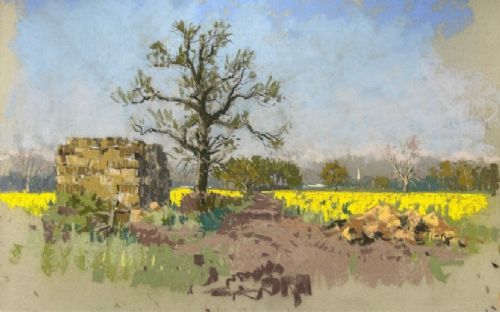
When you search for paper pastel landscape artwork, you encounter original framed works on paper capturing scenes from English and European localities. These pieces range from Edwardian pastoral compositions to mid-century British views, often combining pastel with watercolour pigments.
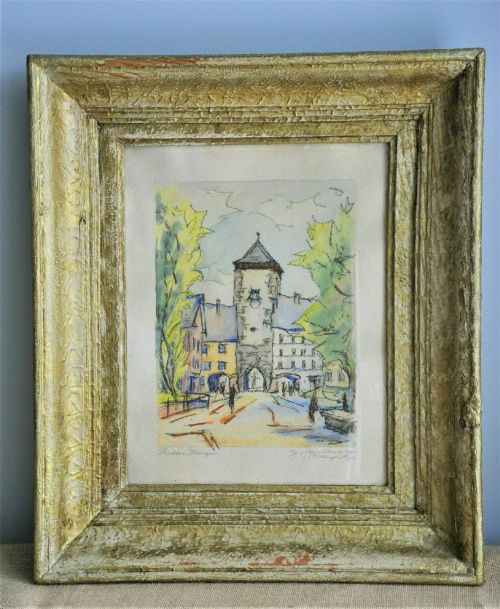
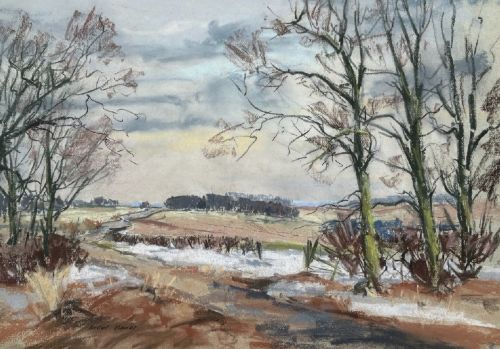
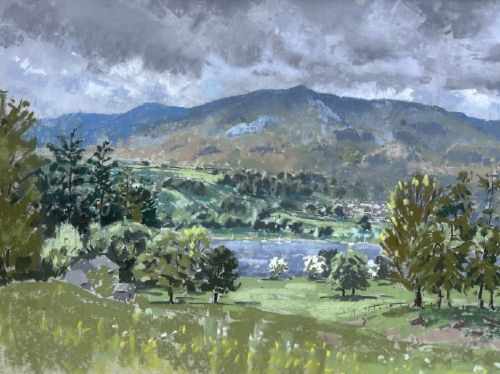
The selections on this page feature depictions of Yorkshire dales, Cumbrian waters, and continental waterways executed during periods such as the Edwardian era and the mid-twentieth century. Works commonly arrive housed in wood and gilt frames behind glass for protection.
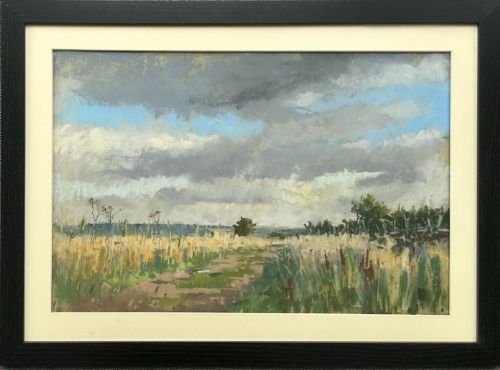
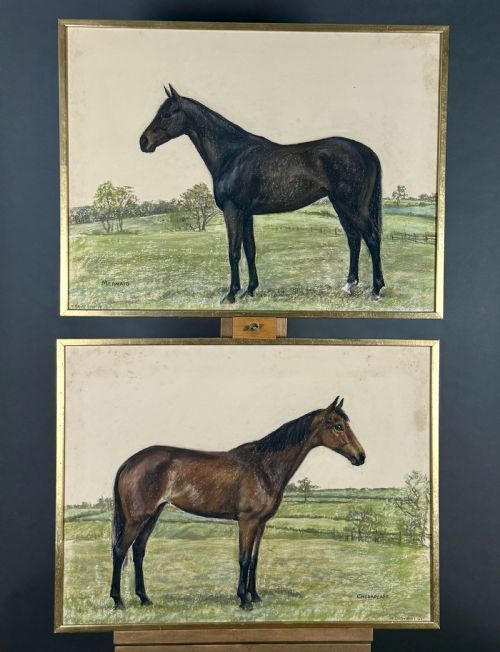
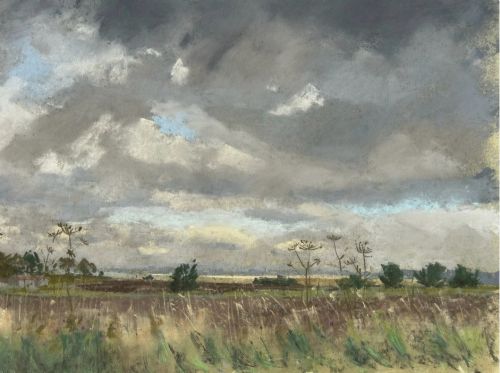
Subjects stretch from northern English snow scenes and stormy skies to French post-impressionist harbour views and Venetian canals. The physical format remains wall art, presented either as individual framed pastel drawings or paired studies.
How they were made
Artists apply dry pastel pigment directly to paper supports, occasionally combining the medium with watercolour washes to define sky and terrain. The friable nature of pastel requires mounting beneath glass to prevent the delicate pigment particles from smudging.
Protective framing relies on wood surrounds, frequently enhanced with gilt finishes that complement the warm tones of the paper beneath. These materials work together to preserve the soft textures characteristic of works executed in the medium.
Paper Pastel Landscape Artwork Retail Price Guide 2026
Typical asking prices for paper pastel landscape artwork among the pieces listed under this phrase on Sellingantiques today, from the lower quarter to the upper quarter. They describe what is for sale here now, not the wider market.
Mermaids and Chesapeake ponies occasionally share wall space with snowy Yorkshire dales and Venetian canals.
What varies in quality
Quality separates through the artist's handling of light and atmospheric depth, distinguishing rapid field sketches from finished topographical compositions. The preservation of the paper support and the stability of the pastel pigment under glass also influence the standing of an individual piece.
Framing choices affect the overall presentation, with period wood and gilt surrounds offering greater contextual harmony than modern replacements. The distinctness of the locality depicted and the provenance linked to named artists further differentiate the works.
Angus Rands·William Greaves·John Hobson Nicholson·John Abernethy Lynas-Gray·Henry Wimbush·Lamorna Birch
The Paper Pastel Landscape Artwork Glossary
- Pastel
- A dry painting medium consisting of powdered pigment and a binder, shaped into sticks. It produces velvety surfaces that require glass protection.
- Gilt frame
- A wooden housing treated with gold leaf or metallic paint. These surrounds provide traditional finishing for nineteenth and twentieth-century works on paper.
- Post-Impressionism
- An art movement extending beyond impressionist methods towards bolder colour and expressive form. Works in this style emphasise structured pictorial planes.
- Edwardian pastoral
- A stylistic category focusing on rural tranquility and idyllic country scenes produced during the Edwardian period. These compositions often employ soft, muted palettes.
Paper Pastel Landscape Artwork: Frequently Asked Questions
How should I hang pastel art?
Keep framed pieces away from direct sunlight and damp environments to protect the paper and fragile pigment layers from degradation. Hanging them on interior walls maintains stable temperature conditions.
Ensure the glass does not touch the surface of the artwork itself by checking that a mount or spacer separates the paper from the glazing.
Are these works original paintings?
The items listed comprise original pastel drawings and paintings executed by hand rather than modern reproductions or prints. Each piece represents a unique application of pigment onto paper.
Artists worked directly on location or from studio studies, producing singular records of landscapes in Yorkshire, Cumbria, Venice, and Normandy.
What framing is typical?
Most works appear within wood frames, frequently featuring gilt detailing that suits the historical period of the artwork. Glass covers the paper surface to secure the soft medium.
Original framing often accompanies the piece, preserving the historic presentation preferred by collectors of twentieth-century British art.
How do I identify the period?
Dating relies on stylistic markers associated with movements like British Impressionism and Post-Impressionism, alongside artist signatures and framing evidence. Edwardian and mid-century aesthetics exhibit distinct approaches to colour and subject matter.
Examining the paper type and backing materials can provide additional clues regarding the era of execution.