
Framed Paper Portrait Sketch
When you search for a framed paper portrait sketch, you enter a quiet room of charcoal lines and ink washes that bring historical faces close.
Framed Paper Portrait Sketch
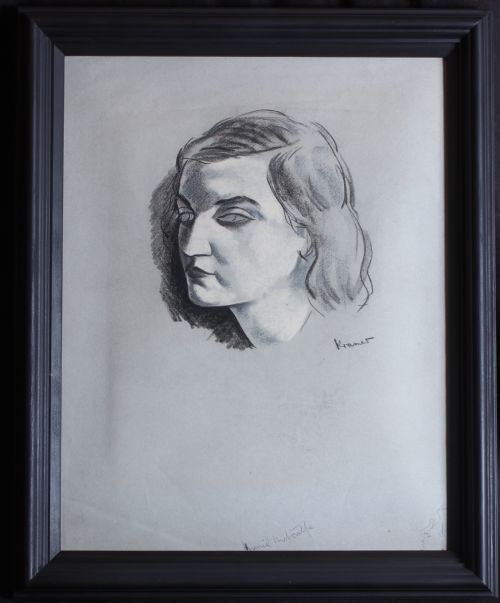
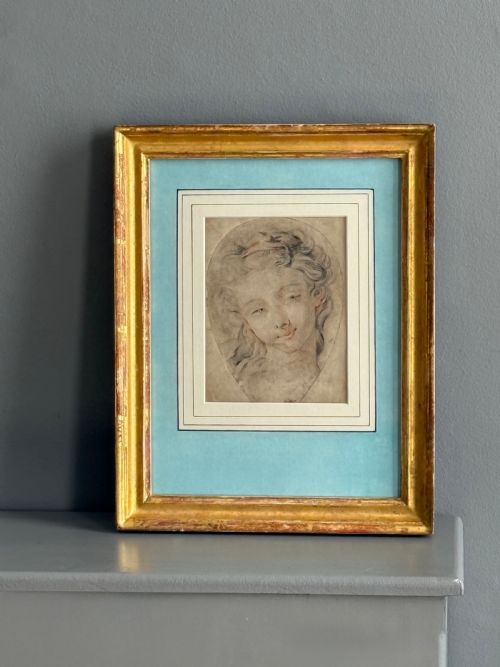
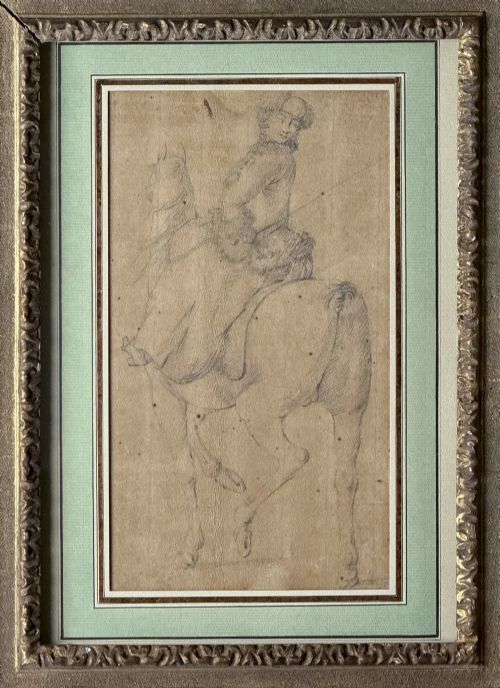
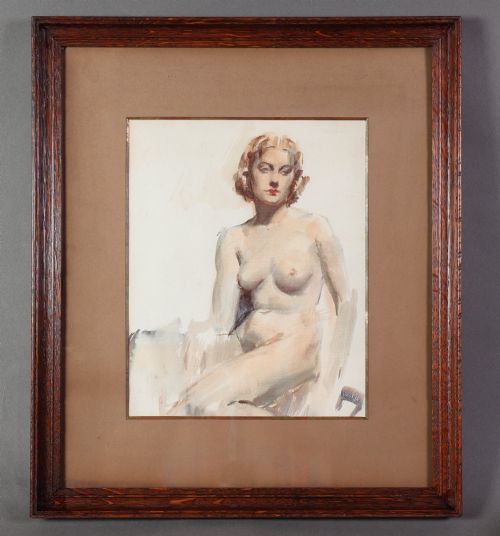
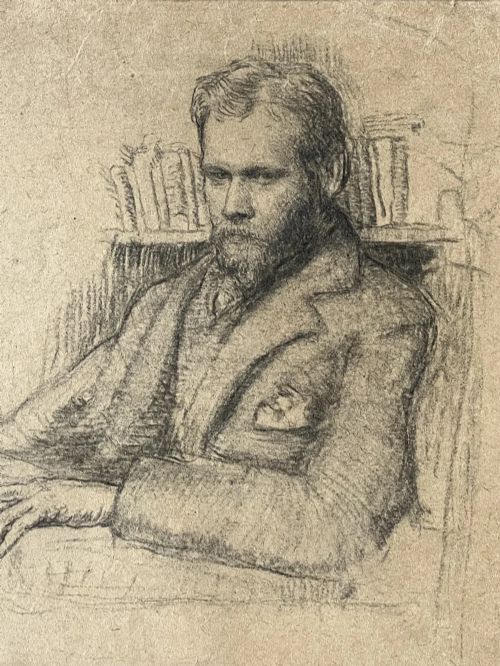
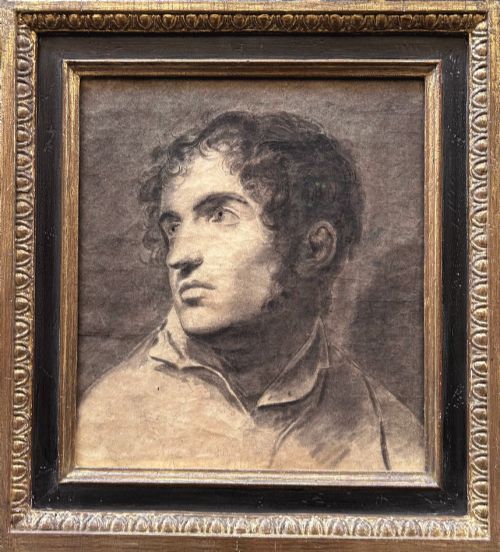
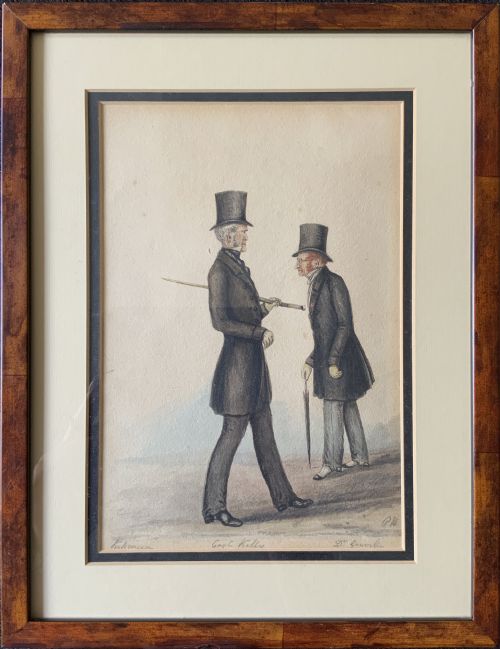
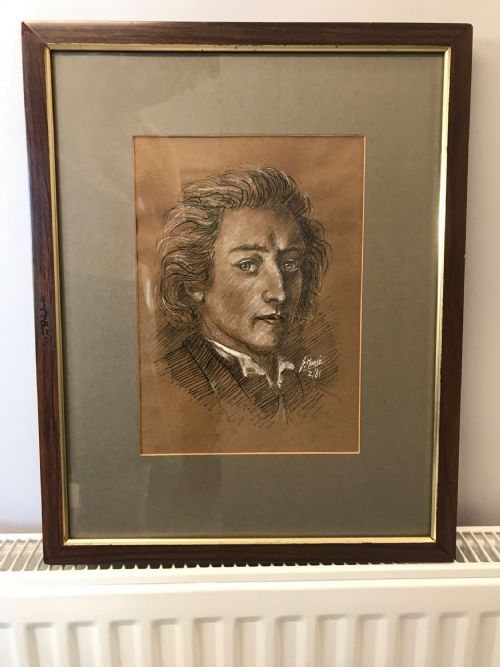
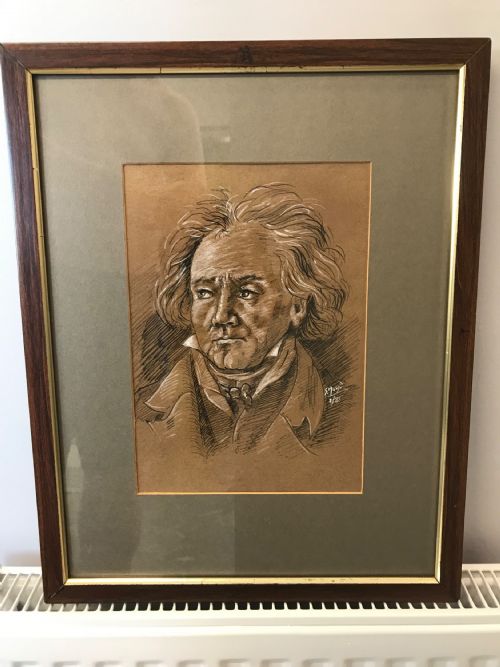
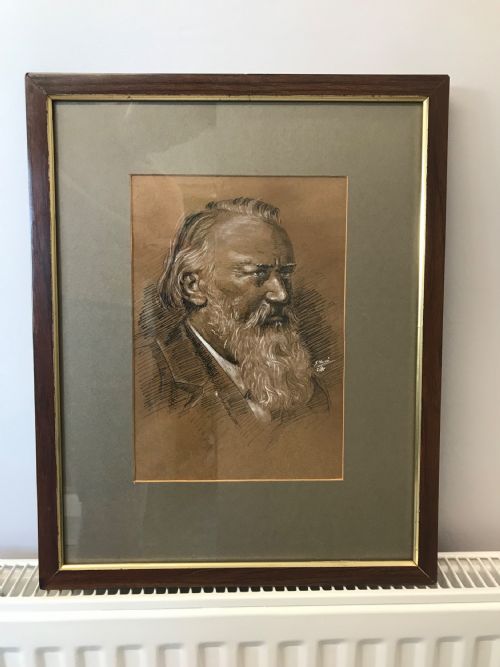
A framed paper portrait sketch captures the likeness of an individual using dry or fluid media on a paper support, housed within a protective wood and glass setting. These works range from rapid preliminary studies for larger oil paintings to finished exhibition drawings produced across the eighteenth, nineteenth, and twentieth centuries.
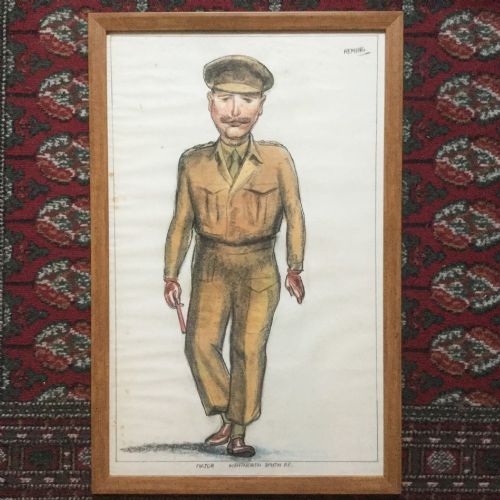
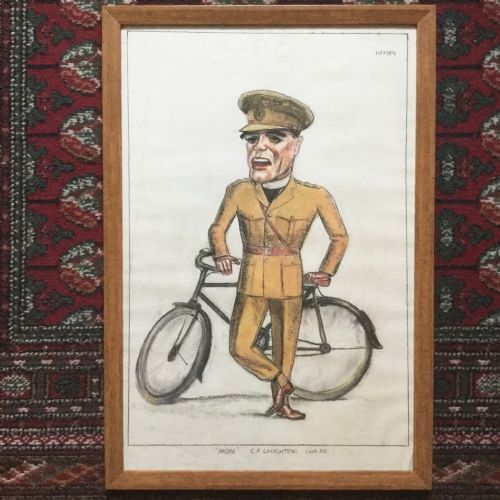
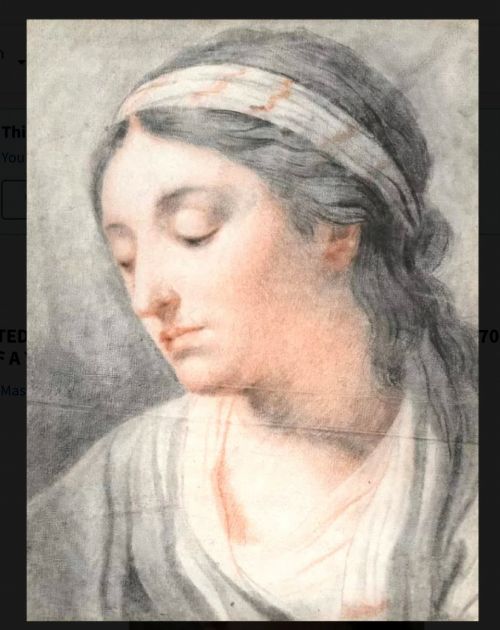
The selections encountered here span academic life studies, wartime pastels, and Regency pencil sketches, reflecting diverse stylistic movements such as Academic Realism, Victorian portraiture, and Modern British art. Subjects vary from military officers and historical composers to anonymous sitters and classical figures.
Each piece bears the direct hand of the artist, preserving immediate marks that reveal the creative process far more intimately than a polished canvas. The enclosing frames, whether original maple, carved Florentine, or later mouldings, complete the presentation of these fragile works on paper.
Materials and execution
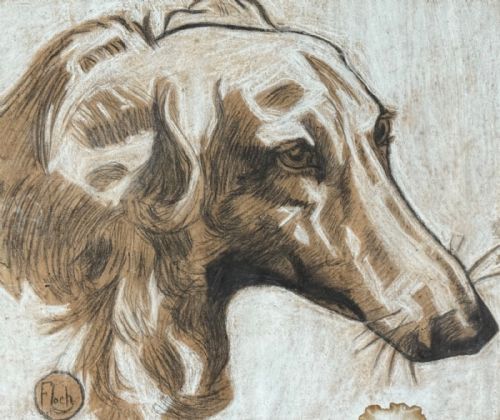
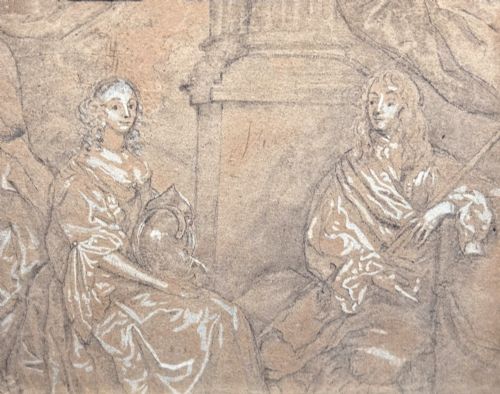
Artists relied primarily on graphite, charcoal, chalk, and ink to build form and shadow on various grades of paper, frequently employing gouache or watercolour washes for subtle heightening. Buff, tinted, and laid papers provided a mid-tone ground that allowed highlights in white chalk or bodycolour to emerge with greater impact.
Draftsmanship relied upon precise pencil hatching, sweeping charcoal strokes, or fluid pen and ink lines, often fixed to prevent smudging over time. These techniques required swift confidence, as paper offered little margin for correction compared to layered oil paints.
Glazing with glass protected the delicate pigment layers from atmospheric dust and moisture, while wooden frames secured the sheet behind mats or directly against the rebate.
Listings feature works executed in graphite, charcoal, ink, chalk, and watercolour across the eighteenth, nineteenth, and twentieth centuries.
Determining quality in portrait sketches
Quality rests upon the sureness of the draftsmanship and the psychological depth captured in the sitter's expression, separating hurried academic exercises from masterly character studies. An assured line and economical use of shadow demonstrate the creator's command over the medium.
The condition of the paper surface and the integrity of the media also dictate the standing of a piece, with unblemished sheets free from severe foxing commanding greater attention. Furthermore, the harmonious pairing of an authentic period frame enhances the overall coherence and preservation of the work.
Augustus John·Hans Holbein·Sir Thomas Lawrence·Frédéric Chopin·Ludwig van Beethoven·Johannes Brahms
The Framed Paper Portrait Sketch Glossary
- Charcoal
- A dry drawing medium made from burnt organic material, producing deep black marks that smudge easily and require careful glazing.
- Gouache
- An opaque watercolour paint containing a binding agent, used to add solid highlights and body to paper drawings.
- Foxing
- Brown age spots caused by chemical reactions in the paper, frequently encountered in antique works.
- Rebate
- The recessed groove inside a wooden frame where the glass, mat, and artwork rest securely.
- Wash
- A diluted application of ink or watercolour spread thinly across paper to create smooth background tones or shadows.
Framed Paper Portrait Sketch: Frequently Asked Questions
How should I hang a paper portrait sketch?
Position these works away from direct sunlight to prevent the paper from yellowing and the media from fading over time. Maintain stable indoor humidity levels to protect the delicate fibres and prevent mould growth behind the glass.
Utilise secure wall fixings suited to the weight of the wooden frame, ensuring the piece hangs flat and stable. Grouping several sketches together creates a balanced display reminiscent of historic studio walls.
Are these sketches original artworks?
Every piece presented is a unique hand-drawn or painted work on paper, rather than a modern reproduction or print. Artists executed these directly using graphite, charcoal, ink, or pastels during their respective periods.
Signatures, studio stamps, or distinct paper characteristics often accompany these original creations, attesting to their authenticity. Collectors value this direct connection to the artist's hand during the sitting.
What is the difference between a study and a finished portrait?
A study typically focuses on capturing a specific anatomical feature, pose, or expression quickly, serving as preparatory work for a larger canvas. These pieces often display visible grid lines, marginal notes, or looser handling of the medium.
A finished portrait stands as a complete, independent work intended for exhibition or commission. These display higher levels of detail and tonal refinement across the entire sheet.
How do I identify the period of a sketch?
Examine the clothing, hairstyles, and facial accessories of the sitter, which generally reflect the fashion of the era in which the artist worked. Portrait subjects from the Regency period, for instance, display distinct neoclassical dress compared to Victorian sitters.
Paper watermarks, framing styles, and inscriptions on the reverse also offer reliable clues to dating. Handwriting styles and stretcher or mount construction further help narrow the decade of creation.