
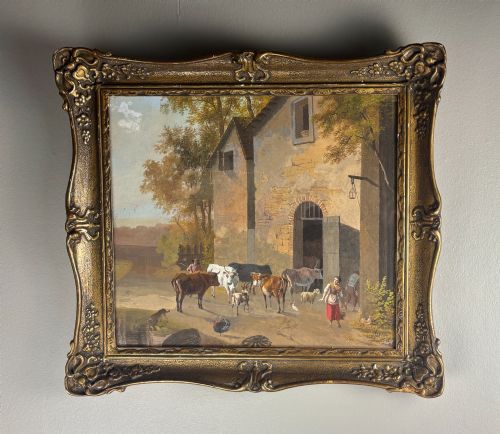
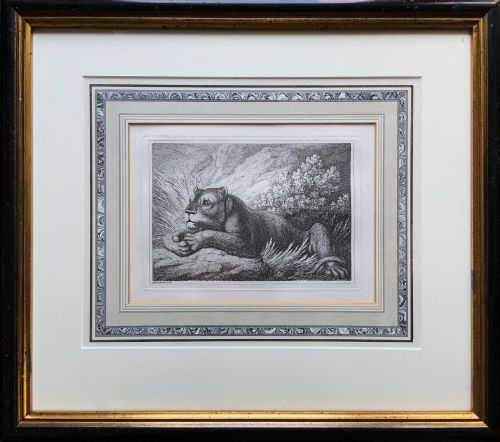
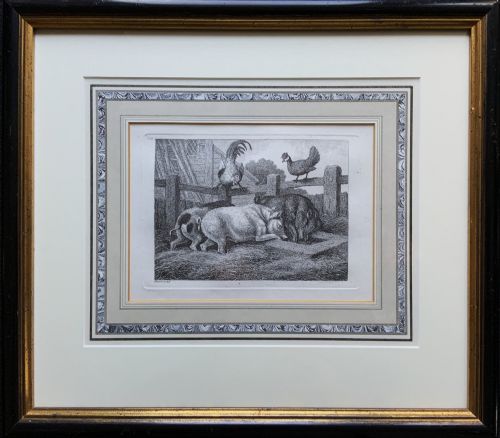
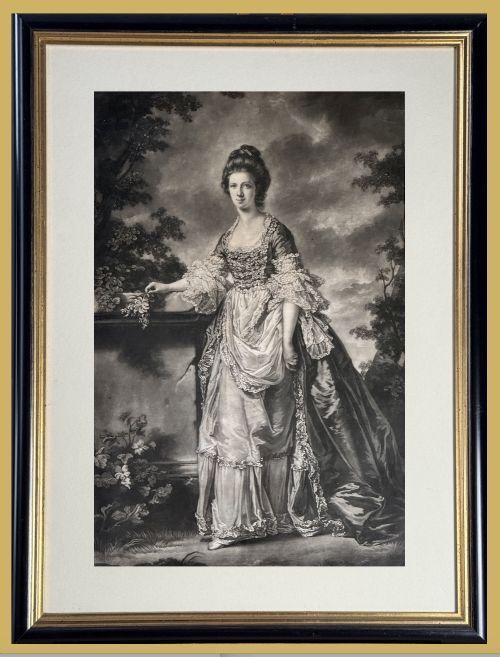
Framed Paper Picture
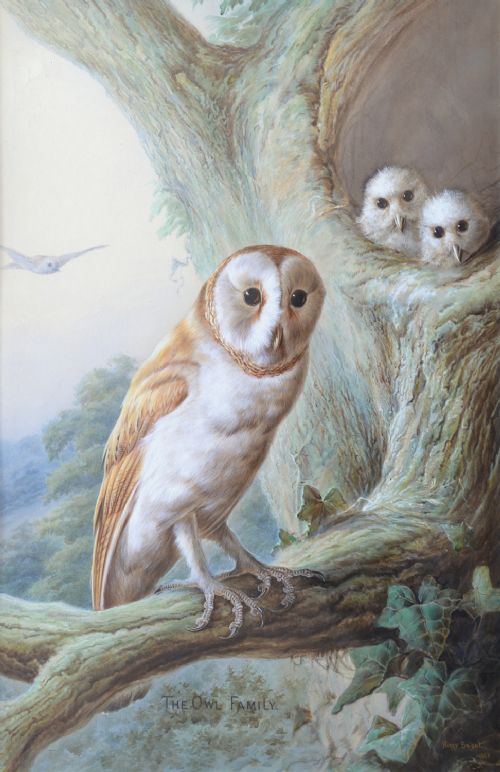
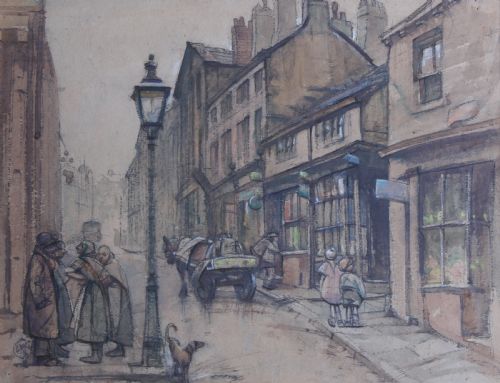
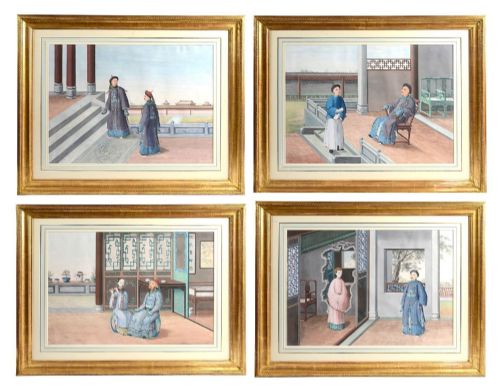
A framed paper picture brings delicate silhouettes, watercolours, and engravings into interior spaces under protective glass.
Framed Paper Picture
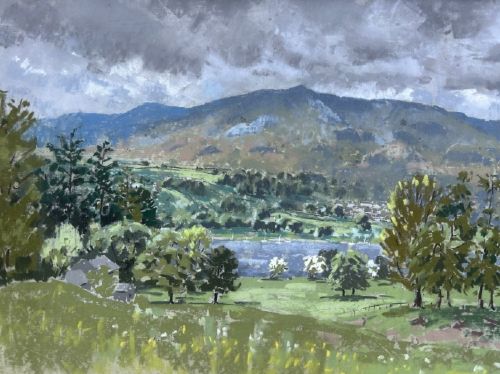
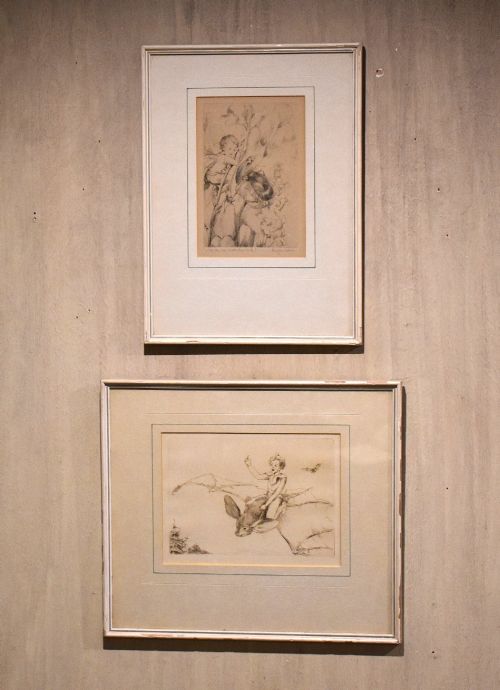
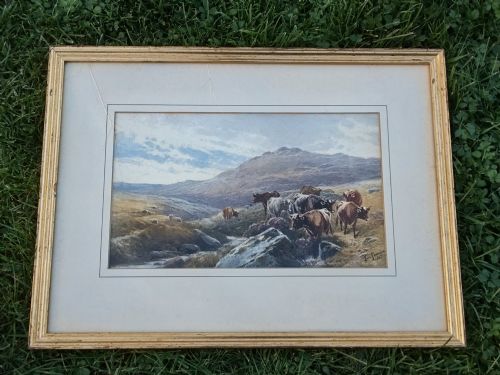
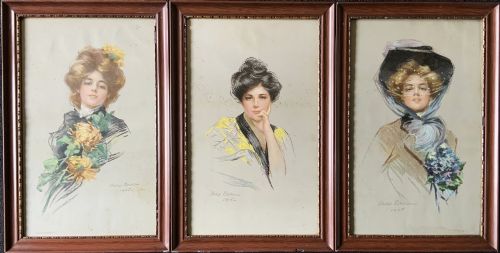
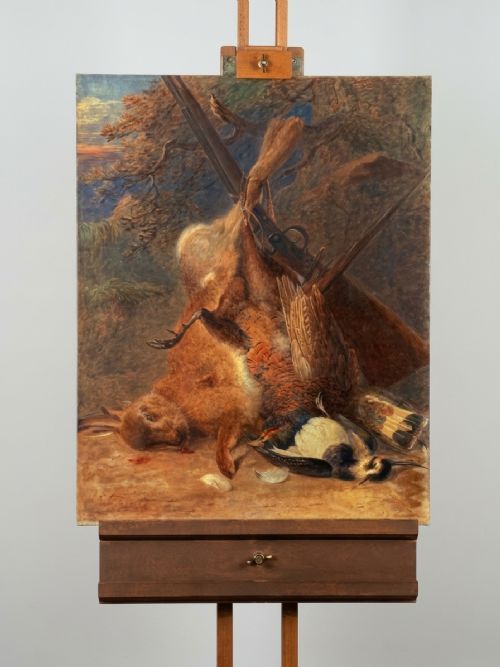
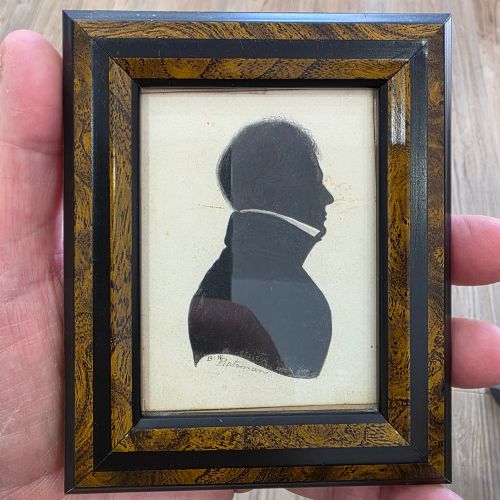
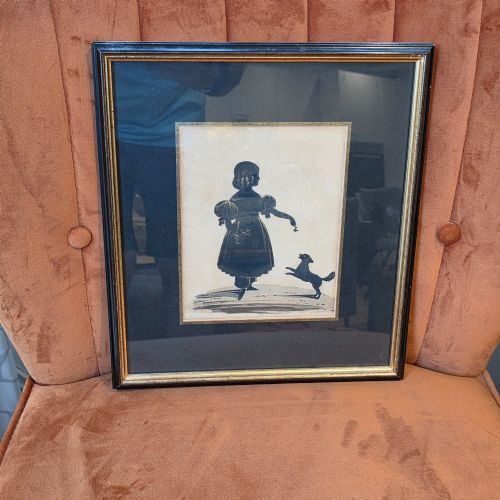
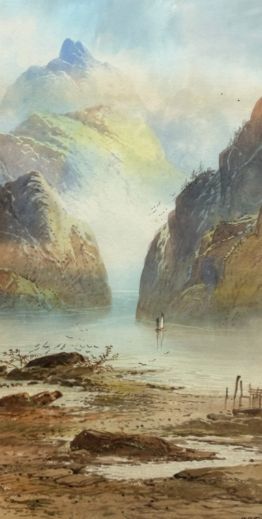
A framed paper picture encompasses a diverse selection of works on paper, ranging from delicate cut silhouettes and watercolours to historical engravings and pastels. The examples encountered on this page stretch across multiple centuries, showing subjects from maritime scenes and landscapes to detailed portraiture.
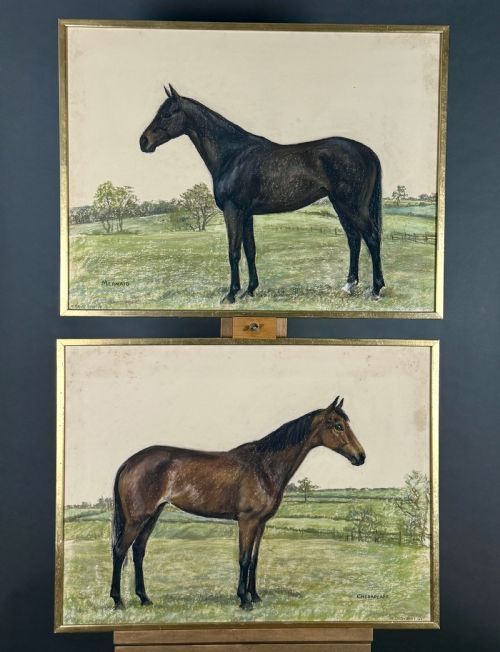
Nineteenth-century pieces feature prominently alongside Georgian and Edwardian examples, often preserved within original wood frames. Buyers will also find mid-century pastels and early twentieth-century caricatures represented among the varied wall art.
These works function primarily as wall art and framed prints, utilising glass to protect fragile ink, pigment, and paper surfaces from environmental damage over time.
Materials and technique
The fundamental components combine paper sheets with mediums such as watercolour pigment, ink, pastel, and gouache, frequently accented with touches of gold leaf. Skilled hands applied these materials using traditional drawing, painting, and printmaking techniques.
Printmakers utilised engraving, etching, mezzotint, and lithography methods to produce detailed imagery, while silhouette artists employed precise cutting and ink detailing.
Makers housed these works behind glass within timber frames, sometimes utilising period mouldings like Hogarth frames to complete the presentation.
Listings span from the eighteenth century through to the 1960s, featuring watercolours, engravings, and pastels on paper.
Assessing quality
Quality rests upon the skill of the draughtsman or printmaker, where confident lines and deliberate brushwork distinguish superior compositions from simpler decorative items. The precision of cut paper silhouettes and the clarity of printed lines indicate the level of craftsmanship involved.
The preservation of the paper and the medium determines the integrity of the piece, with stable pigments and minimal fading representing better survivals. Original framing matching the period of the artwork adds further distinction to the piece.
William James Hubard·Augustin Edouart·Herbert Dicksee·Percy Lancaster·Sir William Nicholson
The Framed Paper Picture Glossary
- Silhouette
- A portrait or scene cut from dark paper or painted in solid profile against a pale background. These monochromatic likenesses gained popularity during the eighteenth and nineteenth centuries.
- Lithograph
- A print produced from a flat stone or metal plate treated to retain ink only in the desired areas. This planographic method allowed artists to create tonal illustrations on paper.
- Etching
- A printmaking technique where lines are bitten with acid into a metal plate before being inked and pressed onto paper. This process produces fine, sharp details characteristic of antique works.
- Gouache
- An opaque water-based paint that provides solid colour and coverage on paper supports. Artists often combined gouache with watercolour to add highlights to landscapes and portraits.
- Aquatint
- A variant of etching that produces areas of tone rather than simple lines through the use of powdered resin. Printmakers utilised this technique to replicate the appearance of watercolour washes.
Framed Paper Picture: Frequently Asked Questions
How should I clean the glass?
Use a soft cloth slightly dampened with water or standard glass cleaner applied to the cloth rather than directly onto the surface. Avoid letting moisture seep beneath the glazing to protect the paper within.
Keep frames flat during cleaning to prevent stress on aged wood joints and historic fixings.
Where should I hang them?
Display these works away from direct sunlight and moisture to prevent the paper support and watercolours from fading or developing foxing spots. Interior walls with stable room temperatures offer the best environment for preservation.
Position pieces at eye level in rooms with low humidity to maintain both the timber frame and the enclosed artwork.
Are original frames important?
Original frames provide historical context and complement the period aesthetics of the paper artwork inside. Hogarth frames and period mouldings often match the exact age of the piece they enclose.
Matching frames enhance the overall character and integrity of the assembled wall art.
How do I identify a silhouette?
Silhouettes feature high-contrast profiles of figures, frequently cut from black paper or painted onto card. Nineteenth-century examples sometimes include gilt highlights or accompanying handwritten details.
Examining the back of the frame can reveal period trade labels or signatures left by the original gallery.