


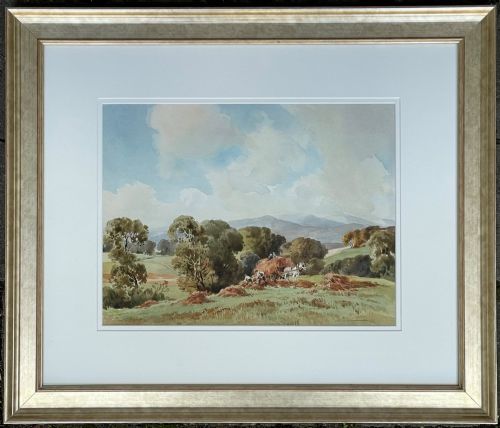
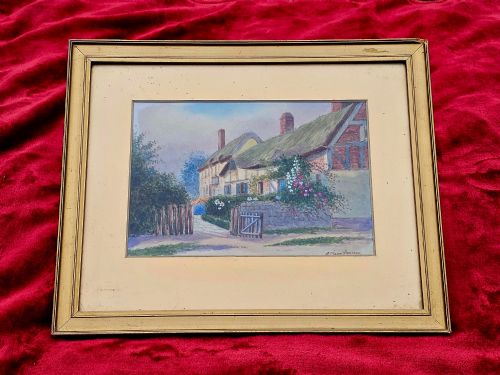
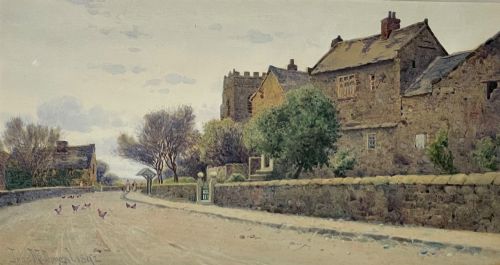
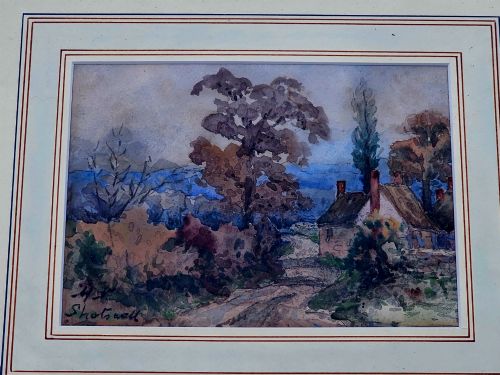
Framed Paper Landscape Artwork
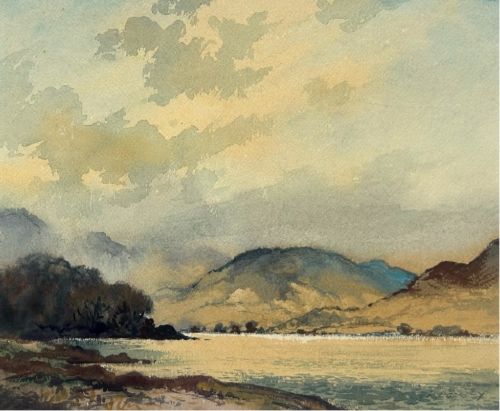
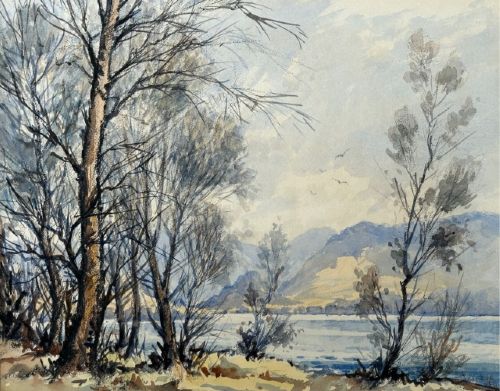
These framed paper landscape artwork pieces capture open vistas and coastal scenes on delicate supports, offering a direct window into past topographical views.
Framed Paper Landscape Artwork
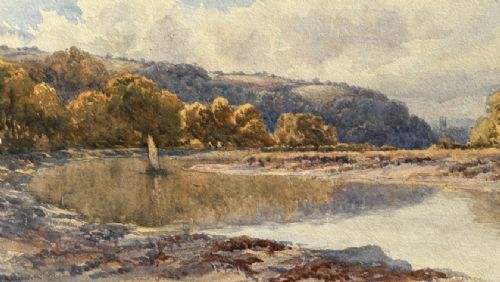
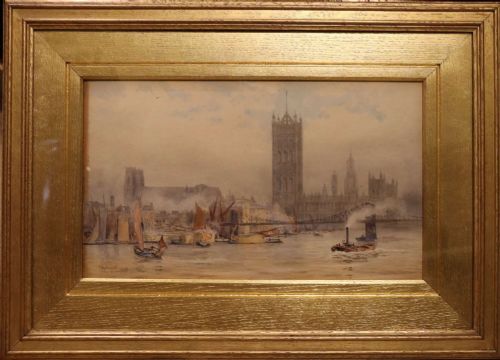
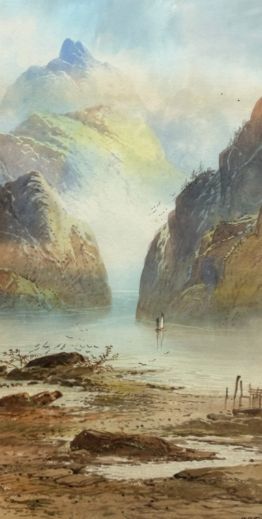
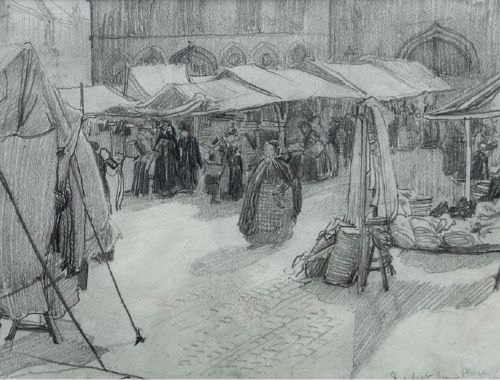
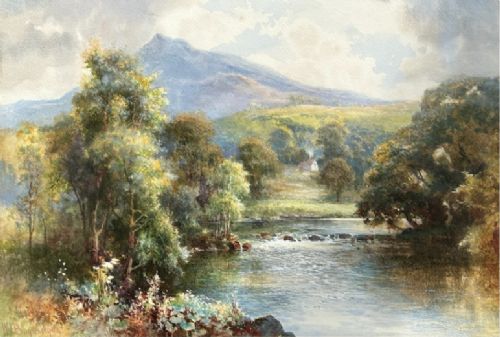
When you search for framed paper landscape artwork, you encounter original watercolours, drawings, and pastels created across the nineteenth and twentieth centuries. These pieces record British and continental scenery, ranging from quiet Welsh riversides to bustling Venetian markets and Yorkshire coastal harbours.
The versions most common on this page date from the Victorian and Edwardian eras through to the mid-twentieth century. Works by named regional painters sit alongside anonymous sketches, all retained beneath protective glass within traditional wood frames.
Subjects stretch from intimate village lanes and upland farms to grand architectural capriccios and maritime harbours. Each composition relies on the tonal qualities of paper to capture atmosphere, weather, and light.
Materials and technique
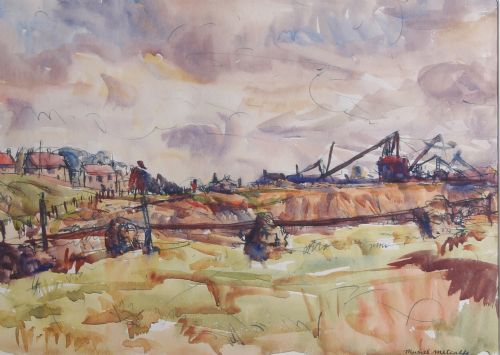
Watercolour pigment and ink form the primary mediums on this page, applied directly to absorbent paper supports. Artists built up transparent washes for skies and terrain, sometimes reinforcing details with fine pencil or charcoal lines.
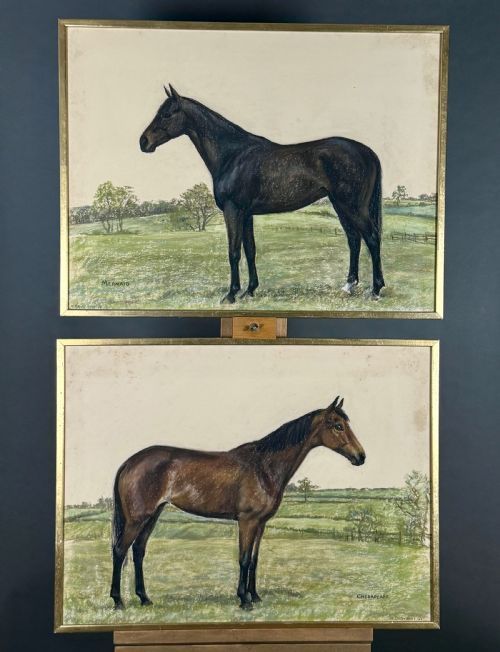
Pastel and chalk appear in selected studies, offering richer, opaque colour application across textured paper surfaces. These works depend heavily on glass to protect the loose pigment from abrasion and atmospheric moisture.
Framing materials consist predominantly of wood, often enclosing the original backing boards and historic mount cards. Glazing protects the delicate paper sheets from environmental dust and handling wear.
Geographic subjects across the inventory range from Welsh river valleys and Yorkshire harbours to Constantinople and Venetian canals.
Standards of execution
The strength of a composition rests on the surety of the draughtsmanship and the control of pigment washes. Superior examples demonstrate confident handling of light and shadow, capturing atmospheric depth without excessive reworking.
Condition of the paper support dictates overall integrity, where minimal fading and absence of heavy acidic toning preserve the artist's original palette. Original frames that complement the period of the artwork add distinct historical context.
James Orrock·William Henry Earp·Henry Percy Huggill·Percy Lancaster·David Roberts
The Framed Paper Landscape Artwork Glossary
- Watercolour
- A paint consisting of a pigment suspended in a water-soluble binder, traditionally applied to paper sheets.
- Wash
- A thin, transparent layer of diluted watercolour pigment applied evenly across paper to create skies or water.
- Pastel
- A dry art medium in the form of a stick, consisting of powdered pigment and a binder, yielding a velvety surface.
- Gouache
- An opaque watercolour paint containing an added white pigment to create a heavier, solid finish.
- Topographical
- Representing specific real-world places, towns, or natural scenery with accurate local detail.
Framed Paper Landscape Artwork: Frequently Asked Questions
How should I display watercolour landscapes?
Hang these works away from direct sunlight to prevent the fugitive pigments from fading over time. Stable indoor humidity protects both the paper support and the wooden frame from warping.
Keep glass surfaces clean using dry cloths, avoiding liquid sprays that might seep beneath the rebate and damage the artwork.
Are these works signed by the artists?
Many examples feature original signatures, monograms, or studio inscriptions placed discreetly in the corners of the sheet. Others remain unsigned, which was common for preliminary sketches and rapid plein-air studies.
Attributions often rely on period framing labels, exhibition tags, or distinct stylistic traits recorded in historical artist registries.
What periods do these pieces represent?
The selection spans from the eighteenth century through the Victorian and Edwardian periods into the mid-twentieth century. Edwardian and Victorian works form the largest portion of available landscape scenes.
Stylistic shifts trace a path from detailed topographical recording toward looser, impressionistic brushwork in later decades.
How can I tell watercolours from prints?
Close inspection under magnification reveals the raised texture of brushstrokes and pooling pigment edges unique to hand-applied paint. Prints show uniform dot patterns or fine mechanical ink lines under similar examination.
Original drawings also display indentations in the paper where pencils or nibs pressed into the damp or dry surface.