




Framed Ornithology Wall Art
Framed ornithology wall art brings historical bird illustrations and paintings into domestic rooms, capturing natural history with delicate precision.
Framed Ornithology Wall Art
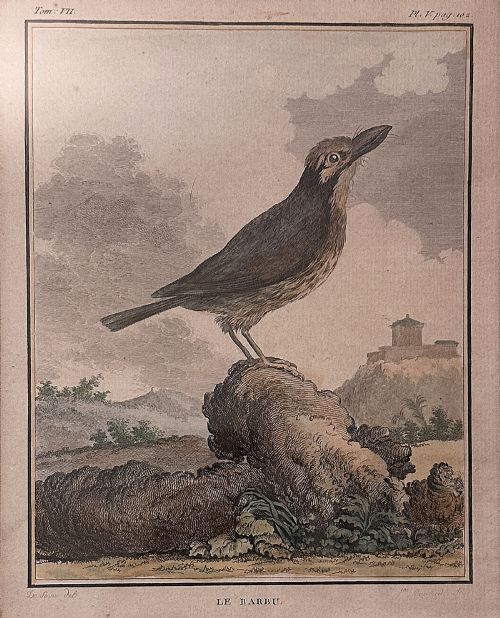
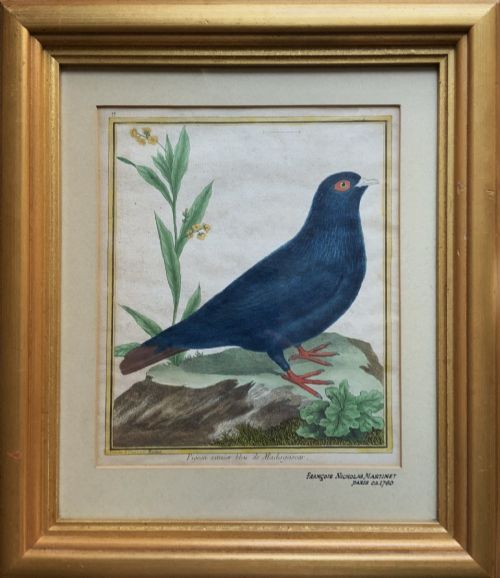
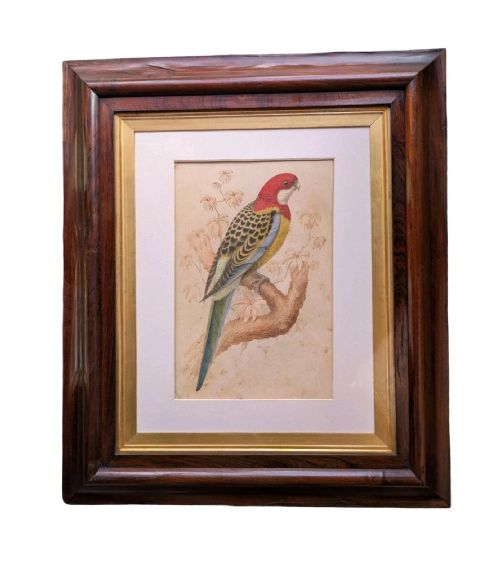
When someone searches for framed ornithology wall art, they encounter historical depictions of birds preserved behind glass within wooden or gilt frames. These pieces span the eighteenth, nineteenth and twentieth centuries, originating from natural history folios, scientific expeditions and private watercolours.
The selection on this page centres on works executed on paper, including hand-coloured engravings, lithographs and original watercolour paintings. Buyers find single plates, matching pairs and larger sets depicting parrots, game birds, finches and waterfowl.
The visual character of these works shifts across periods, moving from the restrained scientific recording of the Georgian era through the rich chromatic depth of Victorian naturalism into mid-twentieth-century illustration. Each piece offers a window into both avian biology and historical printmaking or painting techniques.
How they were made
The foundational images rely on paper supports carrying engraved lines, lithographic ink or watercolour pigment applied by hand. Printmakers utilised copper plates and lithographic stones to transfer detailed botanical and ornithological subjects before artists added watercolour washes.
Framing methods protect these vulnerable paper works using wood, gilt wood and ebonised mouldings, often paired with gold leaf details and deep mounts. Glass fronts shield the delicate pigments and hand-coloured surfaces from ambient moisture and dust.
Victorian naturalists captured everything from majestic macaws to humble lapwings, ensuring even a disgruntled finch achieved immortality.
What varies in quality
Quality rests upon the precision of the initial draughtsmanship and the delicacy of the hand-colouring applied to the paper surface. Works produced by recognised natural history illustrators display anatomical accuracy and lifelike plumage textures that lesser decorative prints lack.
The preservation of the paper and the integrity of the original framing elements influence the standing of each piece. Intact nineteenth-century watercolours and eighteenth-century engravings retain a vibrancy in the pigment that elevates the visual impact on the wall.
François-Nicolas Martinet·George Edwards·William Andrews Nesfield·Harry Bright·William Swainson·Edward Lear·Paul-Louis Barruel·Eleazor Albin·Archibald Thorburn
The Framed Ornithology Wall Art Glossary
- Engraving
- A printmaking technique where an artist cuts lines into a metal plate to hold ink for transfer onto paper. This method produces fine, sharp details essential for scientific illustration.
- Lithography
- A planographic printing process utilising a smooth stone or metal plate to reproduce images with subtle tonal gradations. It allowed publishers to produce coloured bird plates efficiently in the nineteenth century.
- Gilt wood
- Wood coated with a thin layer of gold leaf or metallic gilt paint to create a lustrous surface. These frames add warmth and formal weight to the mounted artwork.
- Watercolour
- A painting method where pigment is suspended in a water-soluble binder applied to paper. Artists used this medium to capture the varied plumage and subtle hues of live birds.
Framed Ornithology Wall Art: Frequently Asked Questions
How do I date framed bird prints?
Dating relies on the paper type, printing technique, and stylistic markers of the frame and mount. Eighteenth-century examples often feature hand-coloured copperplate engravings on laid paper, whereas Victorian pieces frequently utilise lithography or original watercolour.
Examining inscriptions, artist signatures, and framing materials provides further chronological context. Comparing the paper colour and plate marks against known publication dates of natural history folios helps narrow the period.
Are these original watercolours or prints?
The selection includes both original watercolour paintings executed directly on paper by artists and printed works such as engravings and lithographs. Many of the prints feature contemporary hand-colouring applied after the printing process to enhance the realism of the birds.
Close inspection with a loupe reveals whether the image consists of printed ink lines or direct brushstrokes. Prints often show plate impressions in the paper, while watercolours display pigment texture directly on the sheet.
How should I hang and light these pieces?
These works require protection from direct sunlight to prevent the watercolour pigments and coloured inks from fading over time. Hanging them on interior walls away from direct windows preserves the paper and the integrity of the frame.
Soft, indirect ambient lighting highlights the fine details of the feathers and the texture of the paper without generating damaging heat. Ensuring stable room humidity prevents warping in the wooden and gilt frames.
Can I display prints as sets?
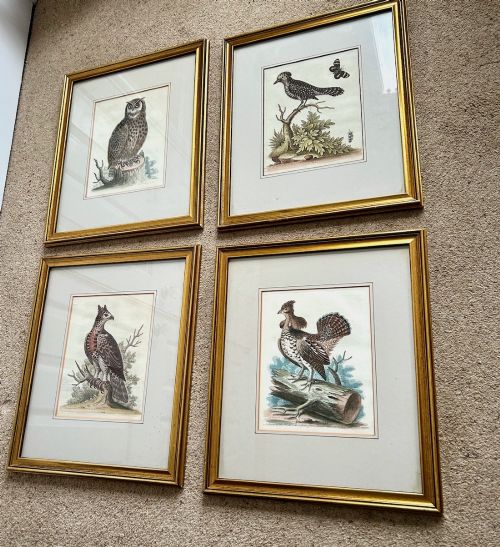
Historic natural history illustrations were frequently published as bound volumes or folios containing series of plates depicting related species. Matching sets of four or more pieces reflect this original grouping and create a balanced arrangement when hung together.
Framed pairs and sets maintain visual continuity through uniform mount styles and frame finishes. Grouping them on a single wall emphasises the taxonomic scope of the original ornithological publication.