
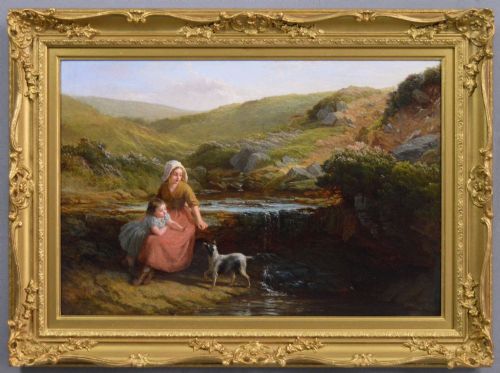
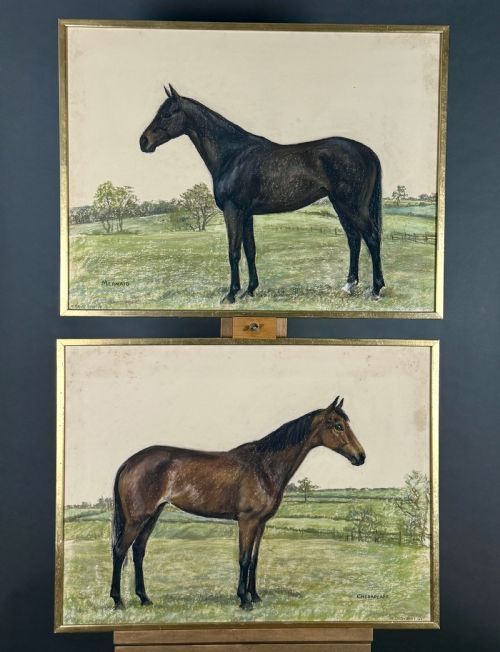
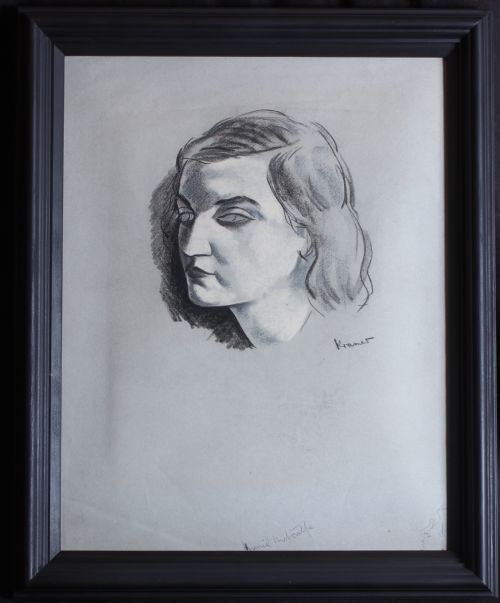
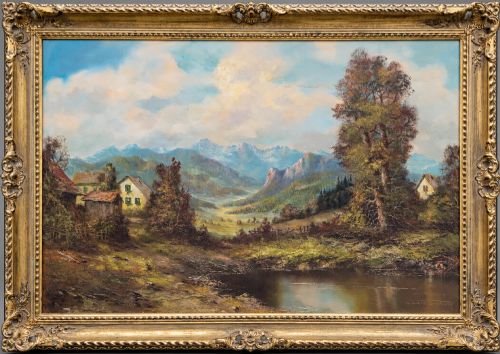
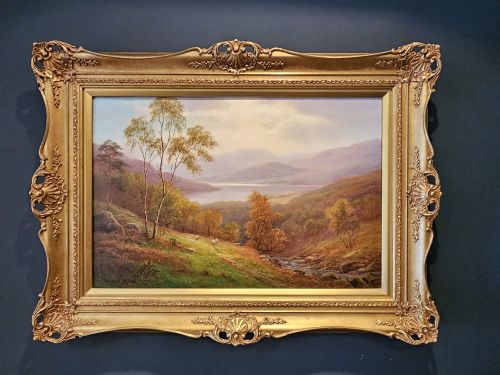
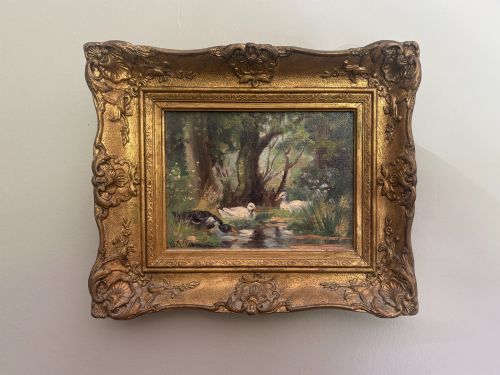
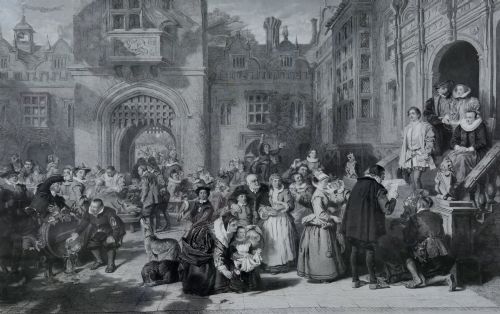
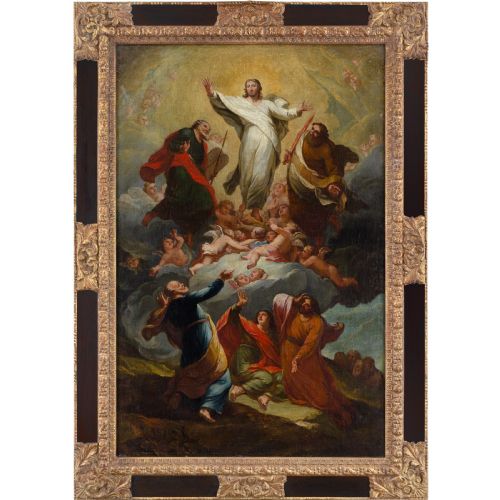
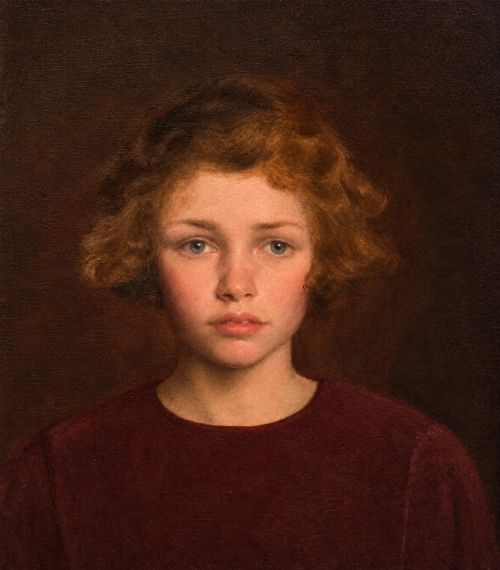
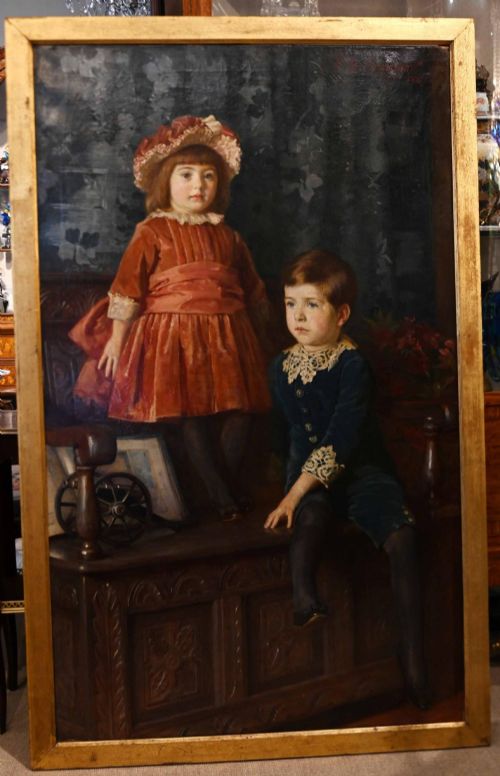
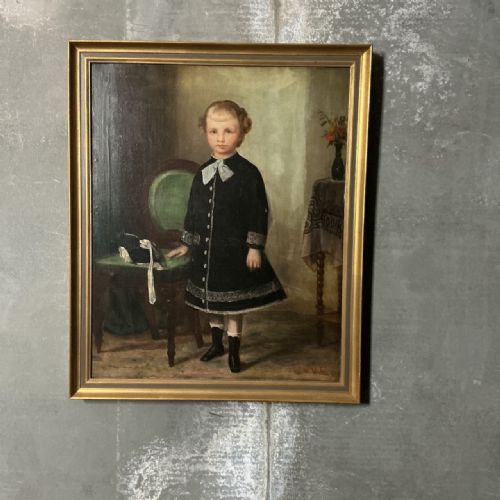
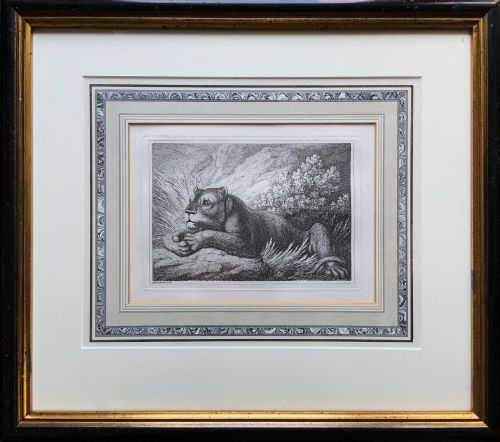
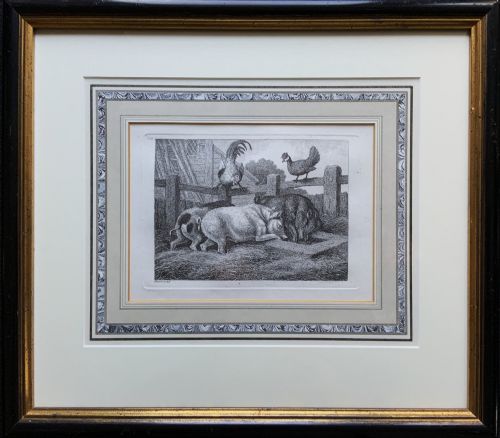
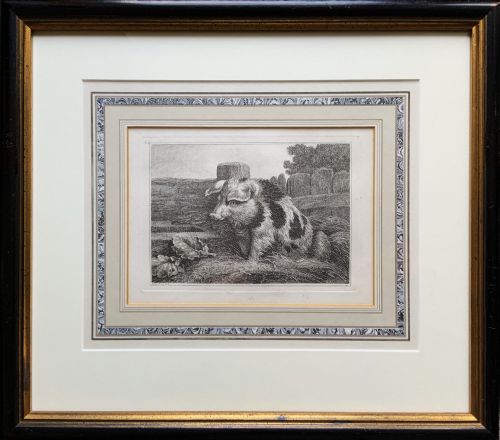
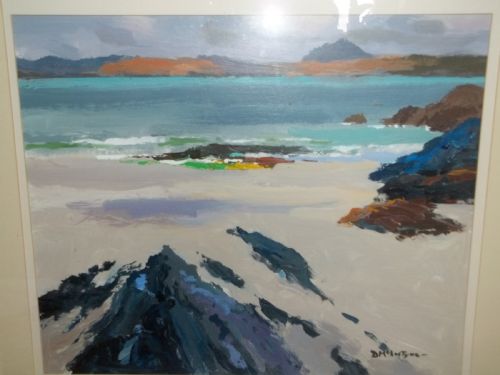
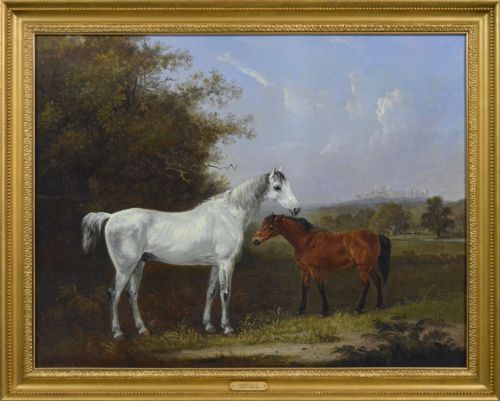
Framed Original Art
Framed original art encompasses hand-rendered works on canvas, panel and paper preserved behind glass and within period surrounds.
Framed Original Art
When searching for framed original art, buyers encounter unique creative works spanning several centuries of British and European craftsmanship. The selection relies heavily on historical examples rendered by named hands and anonymous studios alike.
The most common pieces on this page are nineteenth and early twentieth-century watercolours and oil paintings. Landscapes, portraits, maritime scenes and botanical studies dominate the available forms.
Works appear in mediums ranging from delicate pencil drawings and gouache to tempera and oil on canvas. Each piece retains its primary surface, housed in wood or gilt enclosures appropriate to its era.
How They Were Made
Makers applied oil paint, watercolour or gouache to prepared surfaces including stretched canvas, wooden panels, heavy paper and card. Pigments were worked by hand using traditional brushes, knives and pencils to achieve tone and texture.
Enclosures consist primarily of timber frames, often embellished with moulded gesso and finished in gold leaf or plain wood. Glass panels protect fragile works on paper from atmospheric damage while securing the assembly.
A royal messenger pigeon won a prize in nineteen thirty-five, inspiring an artist to immortalise the bird in watercolour.
What Varies in Quality
The standard of execution in brushwork, draughtsmanship and composition distinguishes notable examples from standard decorative pieces. Masterly handling of light, shadow and anatomical or architectural proportion elevates a work.
The integrity of the ensemble also matters, particularly whether the painting retains its original period frame and backing materials. Sympathetic preservation of the primary pigment surface without heavy restoration preserves historical value.
David Law·George Sydney Shepherd·Irene Christobelle Pownoll Williams·H Medlycott·Bruce Bairnsfather·Kenneth Cozens·Eugène Verboeckhoven·George Fotherly Hargitt·Thomas Miles Richardson Jnr·Bernard Hailstone·James Orrock·William Henry Earp·Henry Percy Huggill·Sir James Dromgole Linton·William H Myers·George Graham·John Hayls·Thomas Ellison·Clifford Hanney·W Klombeck·Percy Lancaster·William Howard Hardy·Frederick Marriott·Arthur Wardle·James Smetham
The Framed Original Art Glossary
- Watercolour
- A paint consisting of pigment suspended in a water-soluble binder, typically applied to paper. This medium allows for transparent washes and fine linear details.
- Gouache
- An opaque water-based paint that includes a white pigment filler, resulting in a heavier, more solid colour finish than standard watercolour.
- Gesso
- A plaster-like mixture applied to wooden frames as a base for moulding decorative details and applying gilding.
- Tempera
- A permanent fast-drying painting medium consisting of coloured pigment mixed with a water-soluble binder entity such as egg yolk.
- Provenance
- The documented history of a work of art, establishing ownership and authenticity from its creation to the present day.
Framed Original Art: Frequently Asked Questions
How should I hang framed original art?
Hang pieces at eye level using appropriate wall anchors matched to the weight of the timber and glass. Keep works away from direct sunlight and damp environments to protect the pigments.
Ensure secure picture wire or brackets are utilised on the back of the frame to distribute the load evenly across the wall fixings.
Can I reframe an antique painting?
Changing the surround alters the historical context of the piece, as many works have remained in their original enclosures for generations. Original frames often display patination that complements the age of the canvas.
Consult a professional restorer if the existing housing requires structural repair rather than replacing it outright.
What is the difference between an oil and a watercolour?
Oil paintings utilise pigments bound in drying oils applied to canvas or wood panels, allowing for rich textures and deep colour blending. Watercolours use water-soluble binders on paper, creating luminous, translucent compositions.
Oils generally do not require glass protection, whereas watercolours must be glazed to shield the paper from humidity and handling.