


Framed Orientalist Art Print
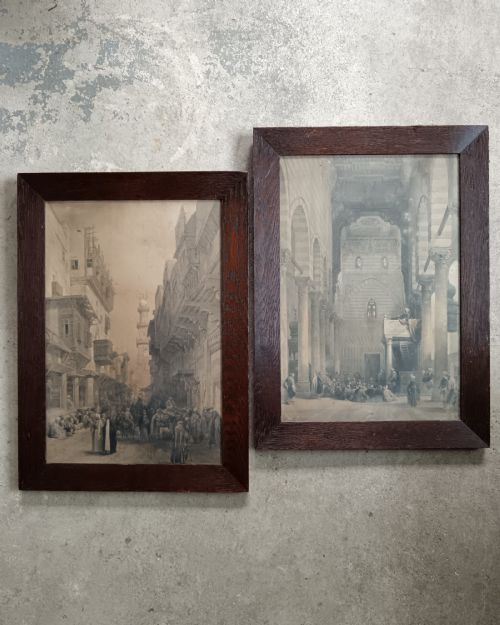
A framed orientalist art print brings nineteenth-century scenes of Cairo, Constantinople, and Japanese fairy tales to your walls in period wooden frames.
Framed Orientalist Art Print
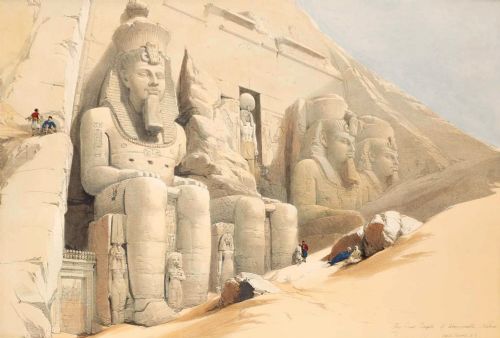
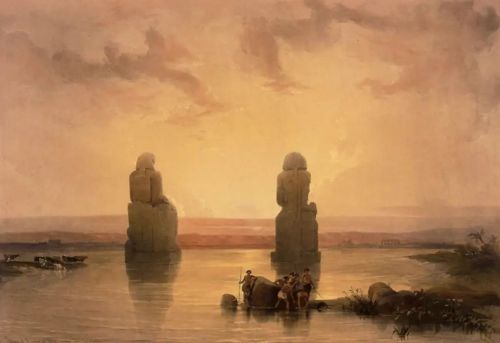
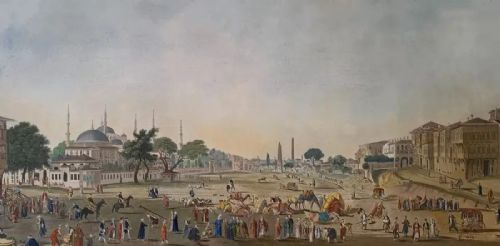
A framed orientalist art print captures historical architecture, Middle Eastern landscapes, and traditional tales through nineteenth-century and early twentieth-century imagery. These pieces transport viewers to distant locations through detailed depictions of colossal statues, Bosphorus kiosks, and Middle Eastern street scenes.
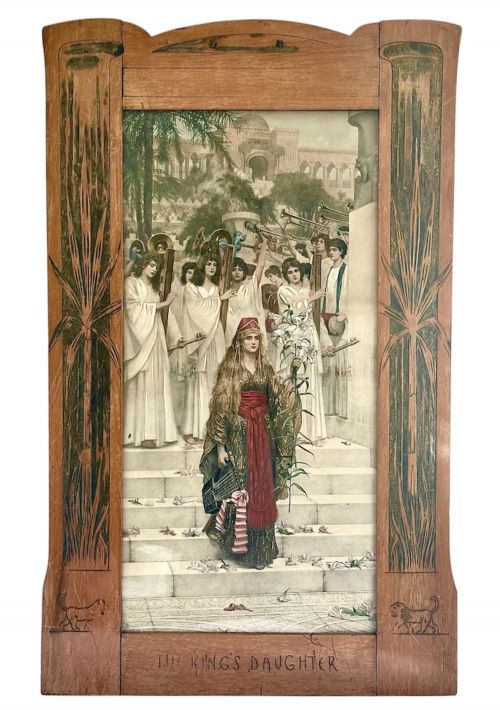
You are most likely to meet Victorian and nineteenth-century examples on this page, alongside Edwardian and 1910 pieces. Common forms include coloured lithographs, engravings, and photogravures presented behind glass within oak, card, or gilt wood frames.
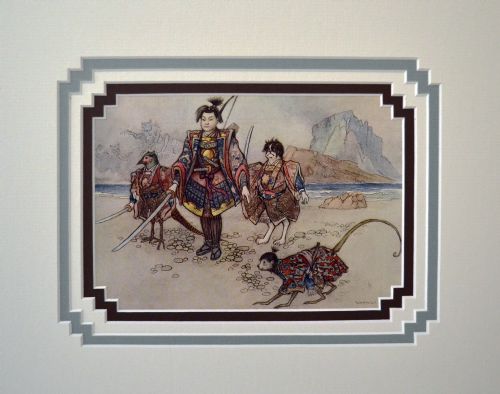
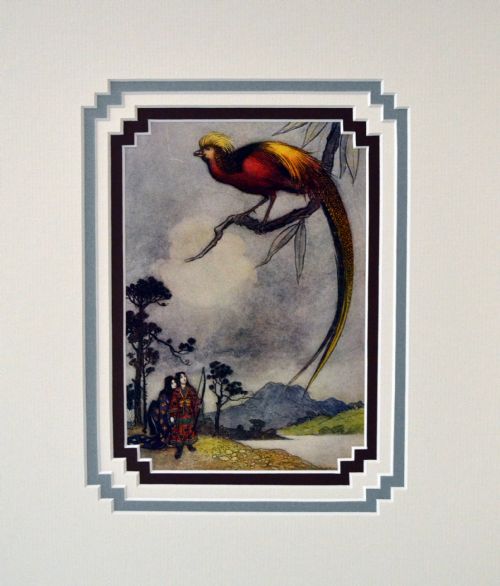
The subjects range from academic studies of Egyptian monuments by David Roberts and Otto Pilny to Japanese fairy tales illustrated by Warwick Goble. Each piece reflects the European fascination with Eastern cultures during the Victorian and Edwardian eras.
How they were made
The imagery relies on paper, card, ink, and watercolour applied through traditional printmaking methods like lithography and engraving. Artists such as David Roberts and Anton Ignaz Melling recorded architectural views that craftsmen subsequently transferred to plates for publication.
Workshops housed these prints in robust oak and gilt wood frames, protecting the delicate paper surfaces beneath glass. Original framing often includes maker labels and card backing that secure the work for display.
Oscar Asche poses in theatrical costume as Kismet, proving the Victorians loved a bit of drama long before television arrived.
What varies in quality
The retention of original framing, such as H. Alden and Co. surrounds paired with early glass and mounts, preserves the historic integrity of the artwork. First edition runs and works by named artists like David Roberts or Otto Pilny command greater attention than later or anonymous reproductions.
David Roberts·Anton Ignaz Melling·Herbert Gustave Schmaltz·Louis Haghe·Warwick Goble·Otto Pilny
The Framed Orientalist Art Print Glossary
- Lithograph
- A print made by drawing an image on limestone or a metal plate with a greasy medium so the ink adheres only to the drawn lines. This technique allowed for rich tonal gradations and vibrant colour printing in nineteenth-century publications.
- Photogravure
- A print produced from a photographic negative transferred to a metal plate and etched, creating continuous tonal ranges. This method captured subtle details of paintings and drawings during the late Victorian and Edwardian periods.
- Engraving
- An intaglio printmaking process where lines are cut directly into a metal plate with a sharp tool called a burin. The resulting impressions display precise, clean lines well suited to architectural views.
- Gilt Wood
- Wood treated with a thin layer of gold leaf or gilt paint, commonly utilised for nineteenth-century picture frames. It adds a warm metallic sheen that complements the artwork within.
- Foxing
- Brown spots and discolouration that develop on old paper due to chemical reactions over time. Its presence or absence affects the visual cleanliness of a print.
Framed Orientalist Art Print: Frequently Asked Questions
What is an orientalist art print?
An orientalist art print depicts Middle Eastern, North African, or Asian subjects created by European artists during the nineteenth and early twentieth centuries. These works document architecture, daily life, and landscapes encountered during travels abroad.
They appear as lithographs, engravings, and photogravures, often preserved behind glass in period wooden frames.
How do I date a framed print?
Dating relies on the paper type, printing technique, subject matter, and framing materials recorded in the piece. Victorian lithographs and Edwardian photogravures each exhibit distinct technological markers from their respective decades.
Original framing components, such as manufacturer labels on the reverse, provide further chronological clues.
Are these prints original?
The listings comprise authentic period prints, including first edition illustrations and nineteenth-century folio plates. They are historical artefacts produced during the eras they represent rather than modern reproductions.
Each item retains the physical characteristics of antique paper, ink, and frame construction.
How should I display these prints?
Display them on interior walls away from direct sunlight to protect the paper and watercolour pigments from fading. Maintaining stable room temperatures prevents the wood frames and paper from warping.
Keep the original glass and backing intact to preserve the historical fabric of the piece.