

Framed Old Master Art
Framed old master art comprises historical paintings and fine works created across the sixteenth, seventeenth and eighteenth centuries, valued for their deep portraiture and classical narratives.
Framed Old Master Art
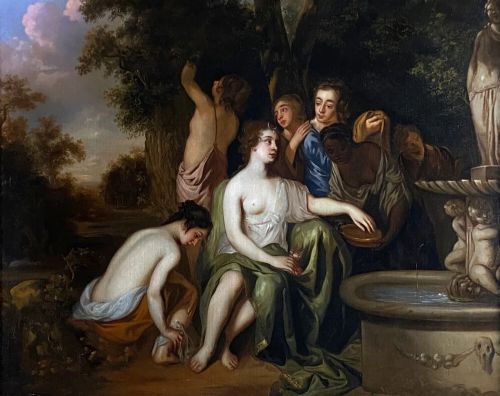
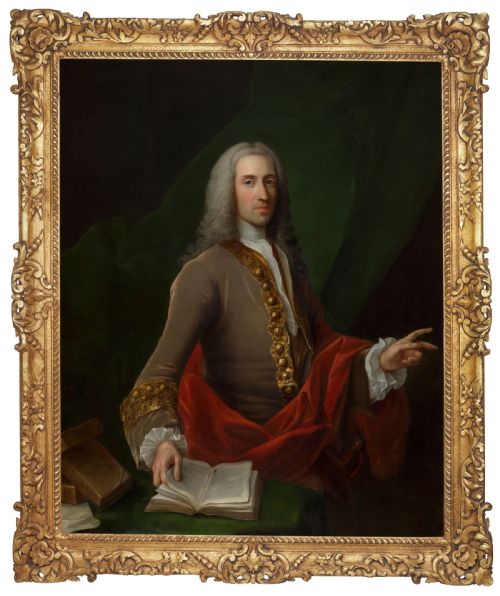
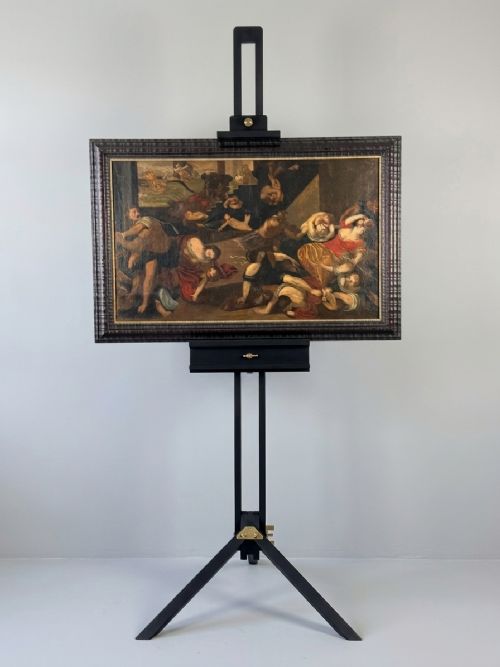
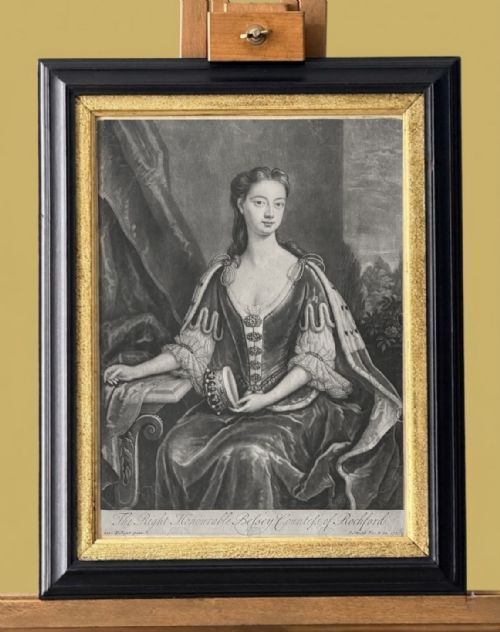
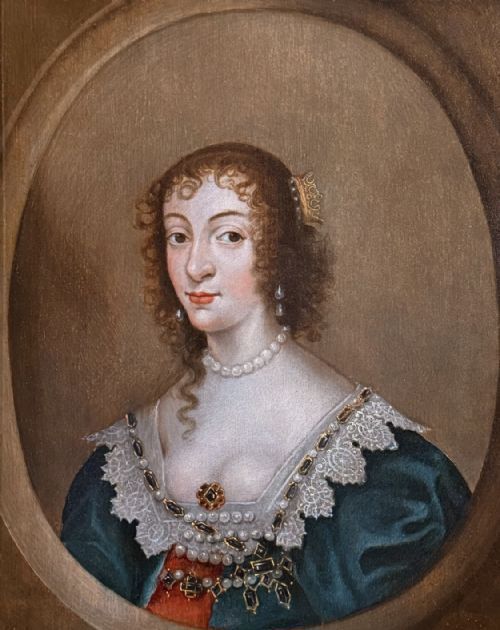
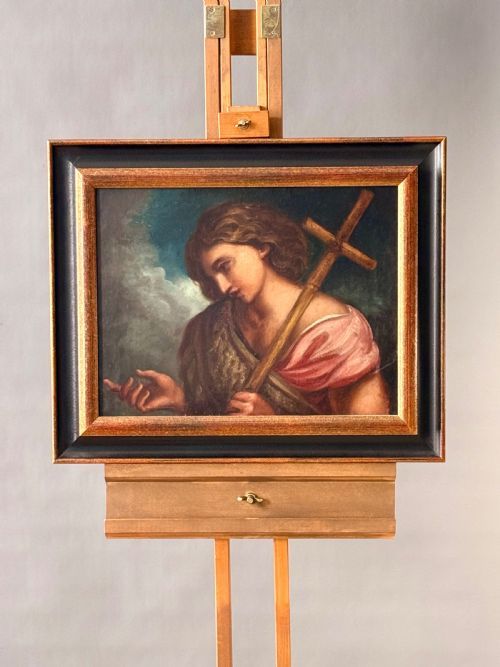
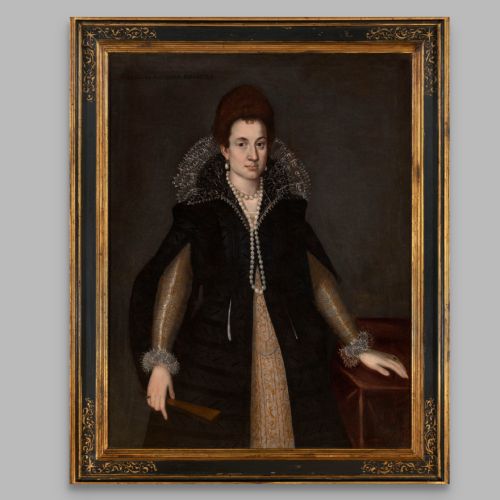
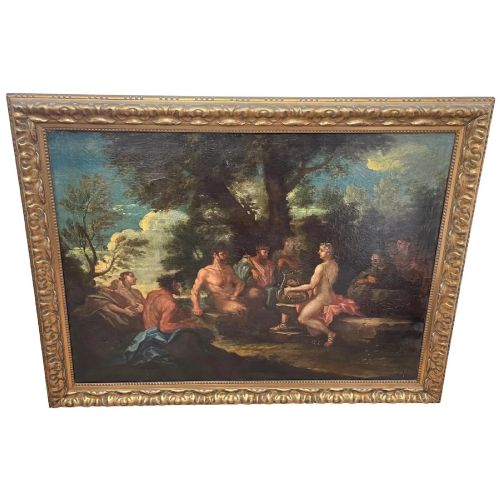
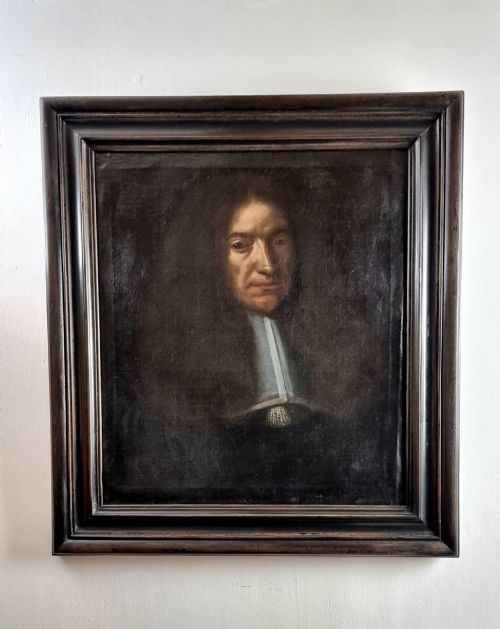
Framed old master art centres on oil paintings, portraits and fine prints originating from European schools during the Baroque, Renaissance and Dutch Golden Age periods. Buyers seeking framed old master art encounter formal portraiture of nobility, religious scenes and mythological narratives created between the sixteen-hundreds and seventeen-hundreds. The selection relies heavily on seventeenth-century English, Dutch and Italian works housed in period wooden surrounds.
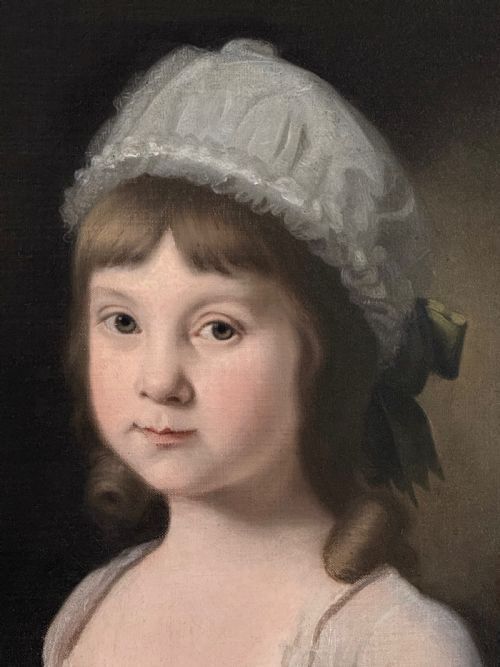
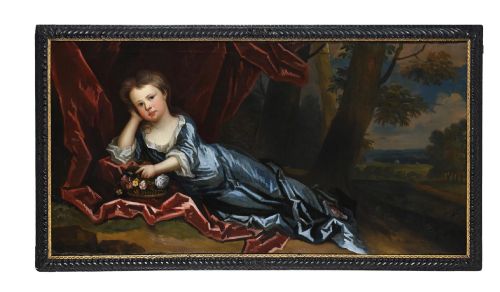
The category spans canvas and wood panel paintings attributed to regional schools or circle members of notable historic painters. Pieces range from intimate depictions of children and noblemen to grand religious compositions executed with classical precision.
Materials and construction
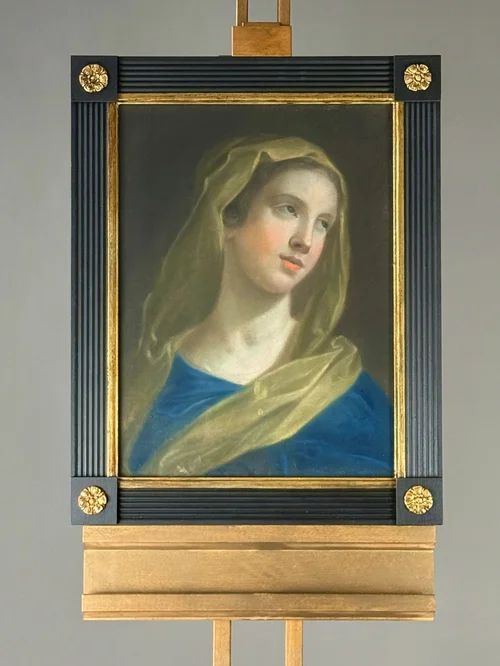
Support materials include prepared canvas stretched over wooden frames or solid wood panels, sometimes accompanied by historic glass protection on prints and pastels. The construction relies on traditional joinery for the heavy wooden mouldings that house the artworks.
The selection includes oil on canvas, wood panels, and giltwood frames spanning the sixteenth to the nineteenth centuries.
Evaluating the standard of works
Quality separates through the subtlety of brushwork, the preservation of the original paint layer, and the anatomical accuracy found in portraiture and figures. Superior examples display confident handling of light and shadow, characteristic of the Dutch Golden Age and Italian Baroque traditions.
The integrity of the canvas or wood panel alongside the authenticity of the surrounding giltwood frame dictates the overall standing of an individual piece. Works demonstrating visible pentimento or well-documented provenance carry greater artistic weight.
John Boydell·Pier Francesco Mola·Sir Peter Lely·Joshua Reynolds·Jeremiah Davison·Benedetto Luti·John Smith·Charles D'Agar·Van Dyck·Pietro Fachetti·Bernardino Luini·Hyacinthe Colin de Vermont·Johannes Lingelbach·Toussaint Gelton·Rembrandt·Pieter Borseler·Henri and Charles Beaubrun·Adriana Verelst·Poussin·David Teniers The Younger·Frans Hals·James Maubert·Titian·Nicolaes Maes
The Framed Old Master Art Glossary
- Old Master
- A term denoting a European artist of skill working before the nineteenth century. These painters established the foundational technical standards for subsequent Western art.
- Circle of
- A designation indicating the artist worked in the studio or under the direct influence of a master painter. This category reflects the prevailing style of a specific workshop.
- Pentimento
- An alteration in a painting evidenced by visible traces of earlier brushstrokes beneath the final layer. This reveals the artist changing their composition during the creative process.
- Giltwood
- Wood carved and coated with a thin layer of gold leaf. This material defined elite framing practices throughout the seventeenth and eighteenth centuries.
- Mezzotint
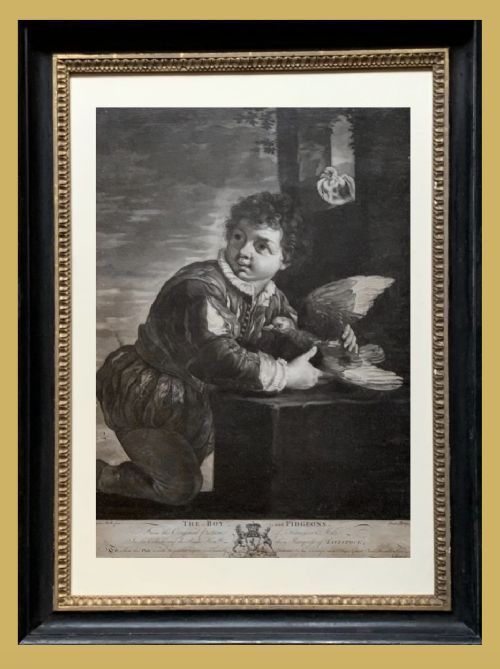
- A printmaking process of the intaglio family where the plate is roughened to allow half-tints. It produces rich tonal variations well suited to portraiture.
Framed Old Master Art: Frequently Asked Questions
What defines old master art?
Old master art refers to fine paintings and prints produced in Europe from the early Renaissance through the eighteenth century. The term covers works by trained artists working within established historical traditions.
These pieces typically depict religious, classical, or portrait subjects using traditional oil paint on canvas or wood panels.
How do I identify a seventeenth-century portrait?
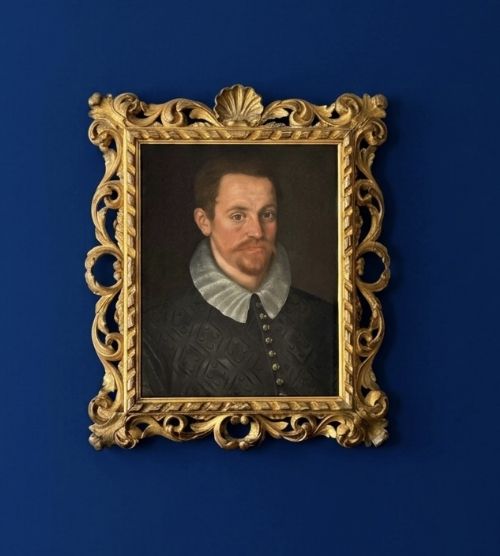
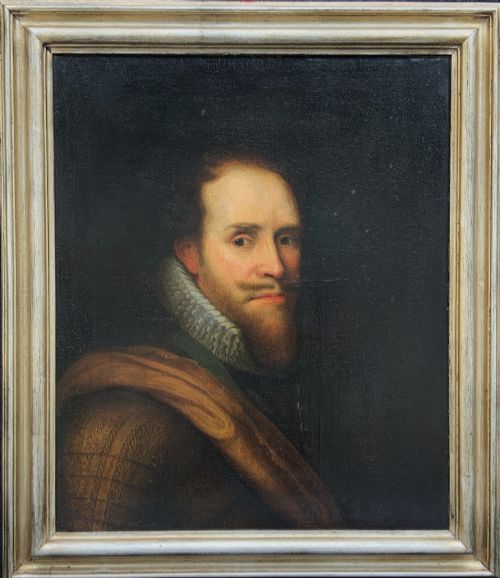
Seventeenth-century portraits often feature distinctive costume details such as white ruff collars, dark embroidered doublets, or formal armour. The subjects are rendered with sombre expressions and dramatic lighting characteristic of the Baroque period.
Analysing the preparation of the canvas and the construction of the wooden frame provides further clues to the period.
Where should I hang a framed oil painting?
Framed oil paintings require stable interior environments away from direct sunlight and excessive moisture. Placing them on interior walls protects both the canvas and the delicate giltwood frame from temperature fluctuations.
Proper lighting enhances the dark, rich pigments used by artists during the Dutch Golden Age and Italian Renaissance.
What is the difference between circle of and attributed to?
Attributed to indicates a work considered by experts to be by a specific named artist based on stylistic evidence. Circle of denotes a piece created by an unidentified hand closely associated with the master's studio.
Both classifications help establish the historical context and artistic lineage of the artwork.