


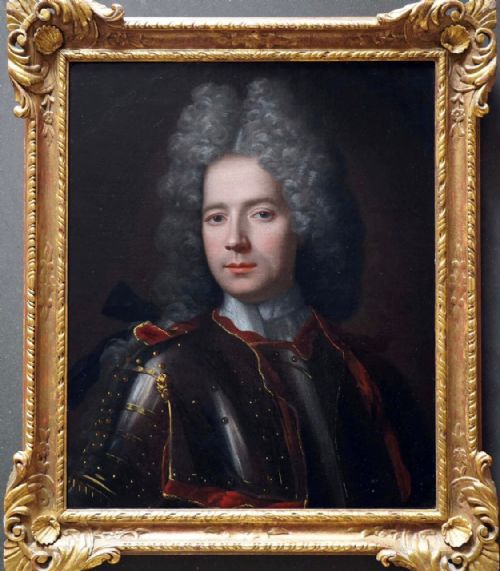

Framed Nobleman Oil Portrait
A framed nobleman oil portrait brings centuries of aristocratic presence into a room, capturing elite status through oil paint on canvas.
Framed Nobleman Oil Portrait
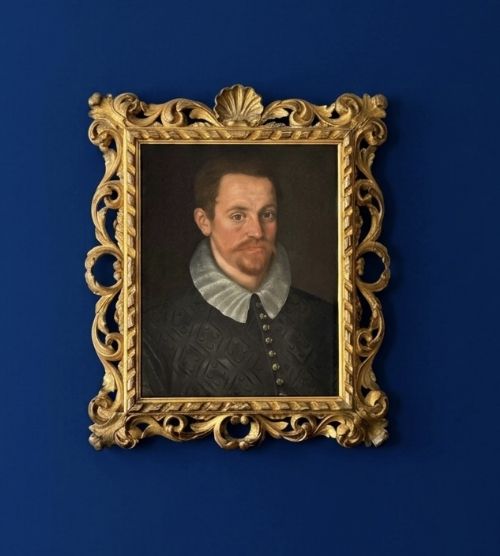
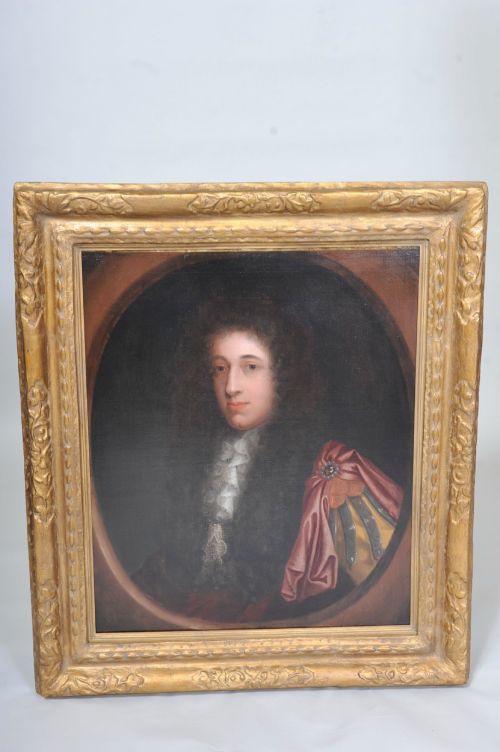
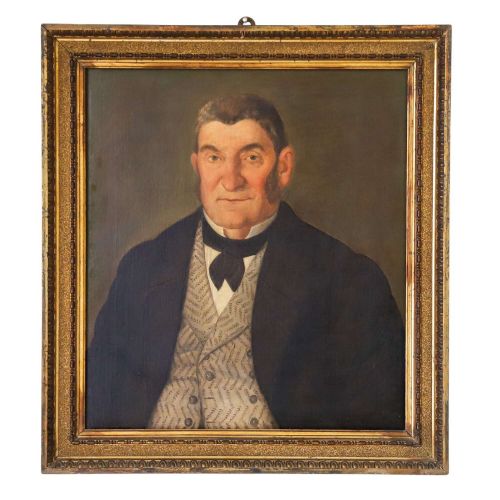
A framed nobleman oil portrait represents aristocratic and elite male subjects captured across the seventeenth, eighteenth, and nineteenth centuries. These works span English, Dutch, French, German, and Italian schools, rendered in styles from Baroque and Rococo to Jacobean and nineteenth-century realism.
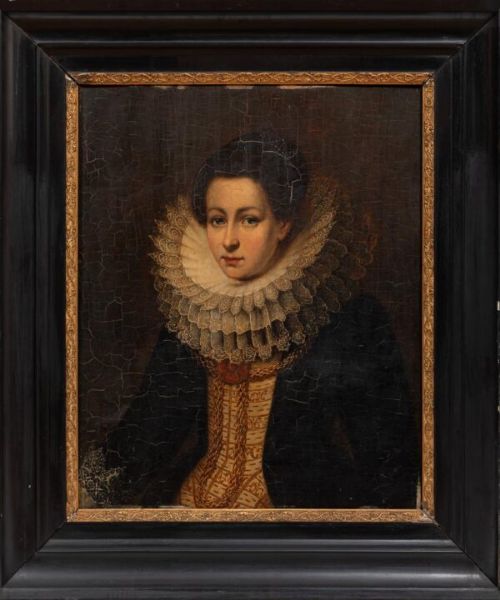
Subjects appear in formal attire such as dark embroidered doublets, white ruffs, armour, or ceremonial robes like the Order of the Garter. The accompanying frames are predominantly wood, giltwood, and gold leaf, completing the presentation of these historical oil paintings.
How they were made
These historical artworks use oil paint applied to canvas stretched over wooden supports, allowing artists to build rich textures and deep tones. Canvases are then housed in wooden frames finished with giltwood and gold leaf to accent the portraits.
Makers applied traditional European painting techniques across centuries, utilising layered oil pigments to capture the intricate details of lace ruffs, polished armour, and heavy fabrics.
Listings feature works spanning the seventeenth to twentieth centuries, executed in oil on canvas with wooden and giltwood frames.
What varies in quality
Quality rests upon the skill of the brushwork in rendering facial expression, fabric textures, and the hands of the sitter. Works attributed to named artists or distinct European schools command greater artistic standing.
The craftsmanship of the frame also dictates overall quality, with hand-carved giltwood and gold leaf surrounds contributing significantly to the piece.
Nicolas De Largillière·Louis De Silvestre·Adriaen De Kies·William Aikman·Michael Dahl·Jean-Baptiste Santerre·Johan Horner
The Framed Nobleman Oil Portrait Glossary
- Ruff
- A stiffened pleated collar worn in the sixteenth and seventeenth centuries. These elaborate white collars frequently frame the subjects of early portraits.
- Giltwood
- Wood carved and coated with gold leaf or gold paint. This material forms the ornate frames typical of classical oil paintings.
- Baroque
- An artistic style prevalent in the seventeenth and eighteenth centuries characterised by drama and rich detail. Many nobleman portraits reflect this grand aesthetic.
- Doublet
- A close-fitting man's jacket worn during the Renaissance and seventeenth century. Subjects in early works often wear embroidered versions of this garment.
- Canvas
- Heavy woven fabric used as a surface for oil painting. Artists stretch this material over wooden frames before applying their pigments.
Framed Nobleman Oil Portrait: Frequently Asked Questions
How do I identify the period of a framed nobleman oil portrait?
Dating relies on the sitter's clothing, such as ruffs or doublets for the seventeenth century and armour or velvet coats for the eighteenth century. Frame styles and canvas construction also offer clues to the era of creation.
Attributions inscribed on the canvas or frame help confirm the historical context, alongside the painting technique typical of European schools from specific centuries.
Where should I hang a framed nobleman oil portrait?
These commanding works suit principal reception rooms, studies, or hallways where their scale and dark tones create a strong focal point. They pair well with traditional interiors, wood panelling, and heritage colour schemes.
Keep portraits away from direct sunlight and damp walls to protect the oil paint, canvas, and giltwood frame from environmental damage.
What is the difference between school works and named artists?
Portraits attributed to a specific named artist carry direct documentation of their authorship and individual technique. School works represent pieces produced in the style or workshop of a particular region or era without a direct signature.
Both categories offer historical depth, though named masterworks often reflect more distinct personal brushwork.
How do I care for an antique oil portrait and its frame?
Dust the canvas and giltwood frame gently with a soft, dry brush to prevent particle buildup. Avoid using water, chemical cleaners, or commercial sprays on the painted surface.
Maintain stable room temperature and humidity levels to prevent the canvas from sagging and the wooden frame from cracking.