


Framed Mythology Wall Print
These framed mythology wall print examples bring classical stories and ancient figures directly into a room through historic paper works.
Framed Mythology Wall Print
A framed mythology wall print presents classical stories, deities, and legendary figures captured through historical printing techniques. Buyers searching for a framed mythology wall print encounter works spanning from the eighteenth century through the early twentieth century.
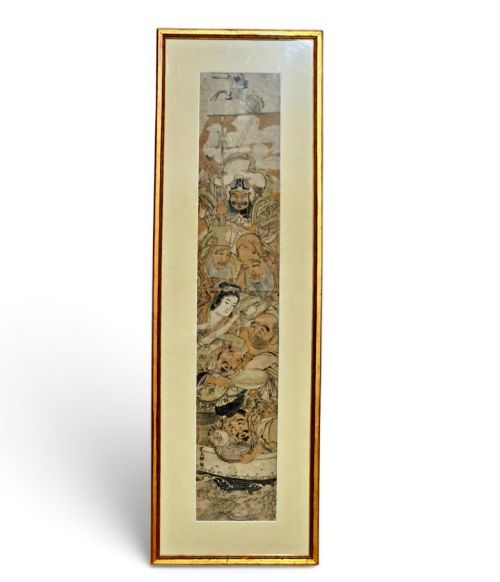
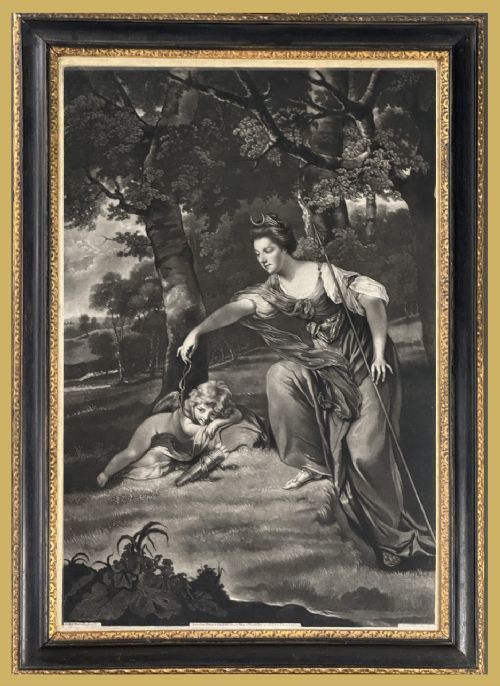
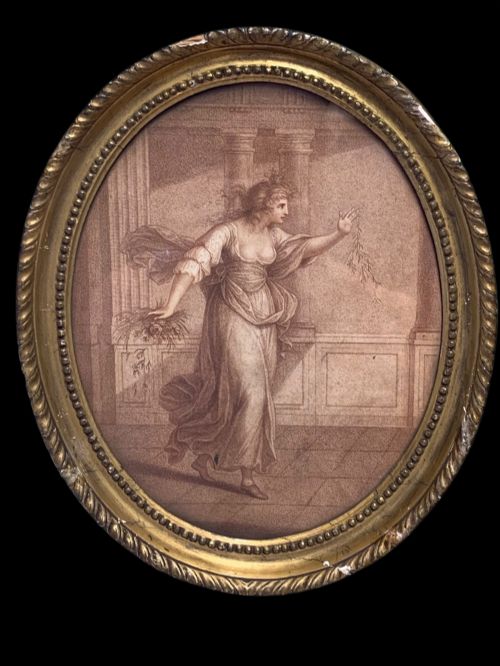
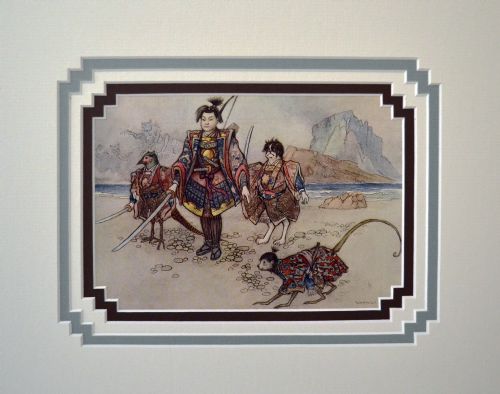
The selection ranges from Japanese woodblock representations of the Seven Lucky Gods and traditional fairy tales to European engravings and etchings illustrating Homer's Odyssey, Diana, and the architectural antiquities of Athens. These pieces typically arrive housed in period wooden frames with glass protection.
Most examples originate from the eighteenth and nineteenth centuries, reflecting enduring tastes for neoclassical and classical subjects. Buyers frequently find framed pairings or individual plates originating from larger artistic portfolios and bound volumes.
Materials and production methods
Makers produced these works using paper, card, and varied printing inks applied through etching, stipple engraving, mezzotint, chromolithography, and woodblock techniques. Artisans often utilised hand-applied pigments or monochrome ink impressions to render fine details of drapery and expression.
Frames employ wood, metal, gold leaf, and giltwood constructions to enclose and protect the delicate paper sheets beneath glass. These mounting choices reflect the prevalent aesthetic of each period, from simple wooden borders to elaborate gilded surrounds.
The current selection spans the eighteenth century, the Victorian era, nineteen-ten, and nineteen-twenty, featuring works in paper, glass, ink, wood, and gold leaf.
Factors of quality and execution
Quality rests upon the crispness of the ink impression against the paper and the fidelity of the line work. Finer plates display sharp details in complex narrative scenes, whereas weaker examples show blurred lines or muddy tonal gradations.
The condition and period integrity of the surrounding frame contribute significantly to the overall piece. Original giltwood and gold leaf surrounds that complement the age of the print elevate the work above items placed in later, unsympathetic mounts.
Katsukawa Shunshō·James Watson·Sir Joshua Reynolds·Warwick Goble·John Flaxman·Arthur Hacker
The Framed Mythology Wall Print Glossary
- Stipple engraving
- A method of engraving that uses a pattern of dots to create tonal gradations and soft shadows. This technique allows for delicate flesh tones and subtle textures in figural compositions.
- Mezzotint
- A printmaking process where the copper plate is roughened to achieve rich dark tones and smooth transitions. It produces deep, velvety dark areas suited to dramatic portraits and mythological subjects.
- Chromolithography
- A colour lithographic printing technique using multiple stones or plates to build up hues. This process yields vibrant multi-coloured prints without requiring hand-colouring.
- Ukiyo-e
- A genre of Japanese art depicting scenes from history, folklore, and literature. These woodblock prints utilise flat areas of colour and bold outlines.
- Neoclassical
- An artistic style drawing inspiration from the classical art and culture of ancient Greece and Rome. Works in this vein emphasise restraint, symmetry, and heroic subject matter.
Framed Mythology Wall Print: Frequently Asked Questions
How should I hang a framed mythology wall print?
Position the piece at eye level away from direct sunlight to protect the historic paper and ink from fading over time. Ensure the wall fixings match the weight of the wooden and glass frame.
Maintain stable indoor humidity levels to prevent the paper from cockling and to protect the giltwood or wooden frame from warping.
How do I identify the age of a print?
Examine the paper characteristics, plate marks, and printing technique under magnification to determine the likely production era. Eighteenth-century engravings often feature distinct plate indentations and laid paper textures.
Compare the style of the frame and any accompanying publisher inscriptions with known historical periods such as the Georgian or Edwardian eras.
What subjects appear in these prints?
Common subjects include Greek and Roman deities, scenes from Homer's Odyssey, classical architectural antiquities, and traditional Japanese folklore. Artists frequently drew upon well-known myths to depict dramatic narratives.
These visual stories range from allegorical portraits of historical figures cast as mythological characters to detailed depictions of ancient temples and gods.
Are these prints original first editions?
Many listings comprise original period printings from historic publications, folios, and artist portfolios. Checking the specified date helps determine whether a piece dates from the original publication period.
Publishers often released these illustrations to accompany classical texts, fairy tales, and architectural surveys of Athens.