


Framed Monochrome Wall Prints
Framed monochrome wall prints bring together historic portraiture, fine engraving and tonal depth within period wooden surrounds.
Framed Monochrome Wall Prints
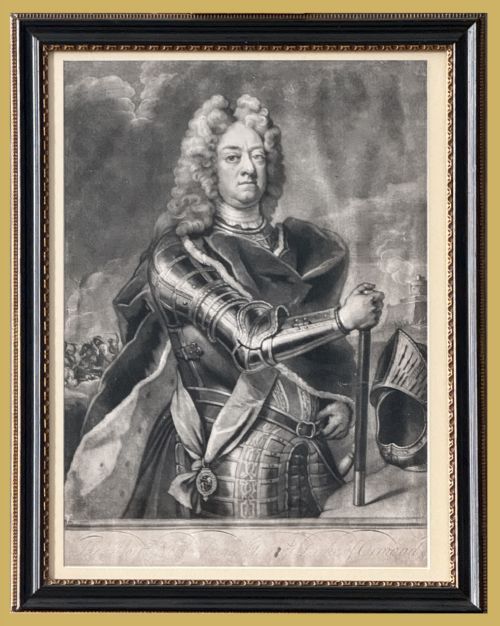
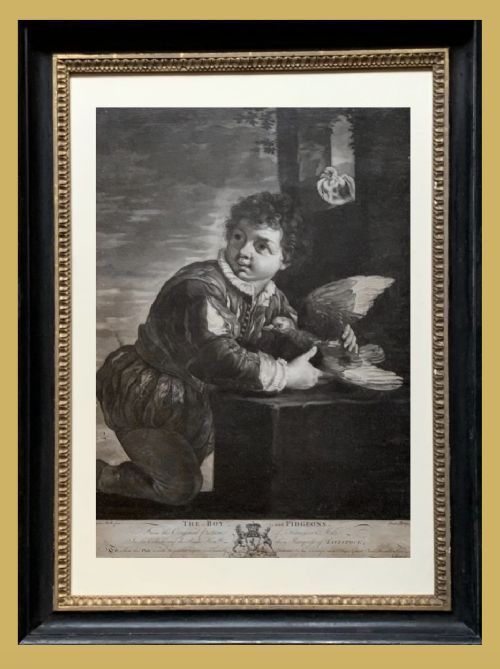
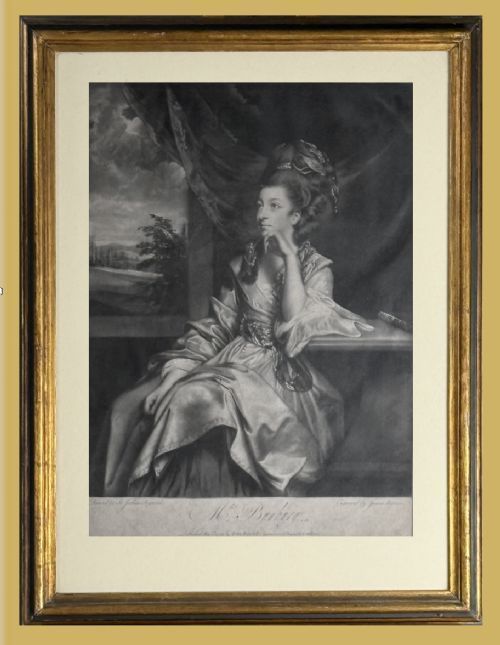
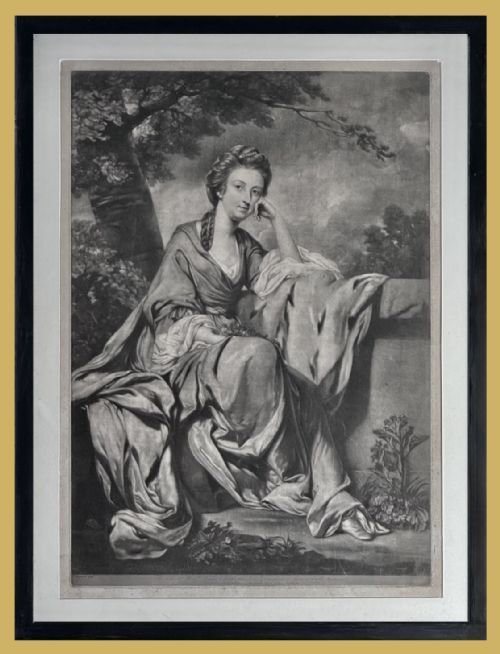
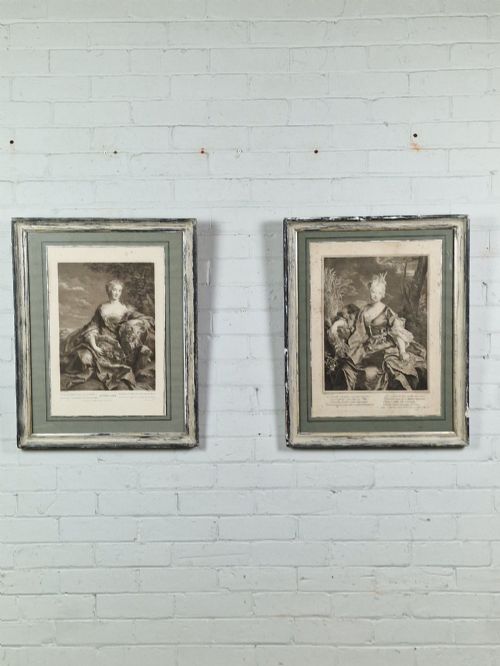
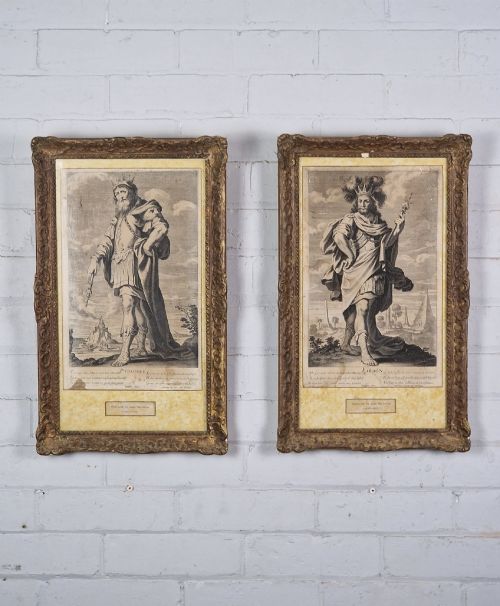
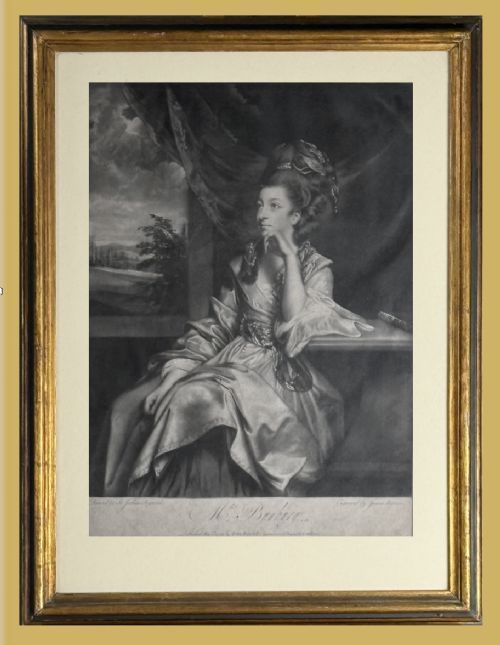
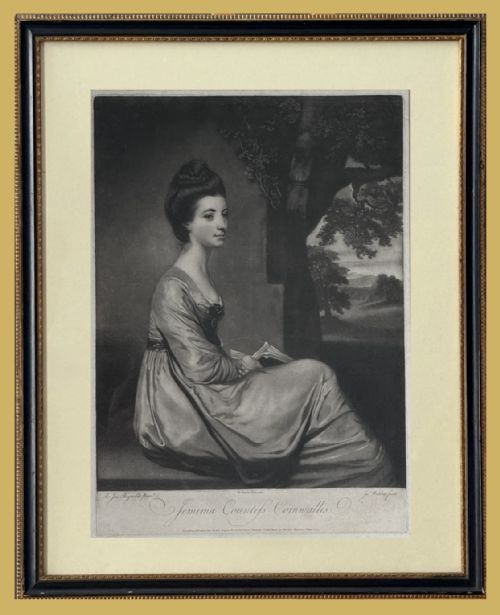
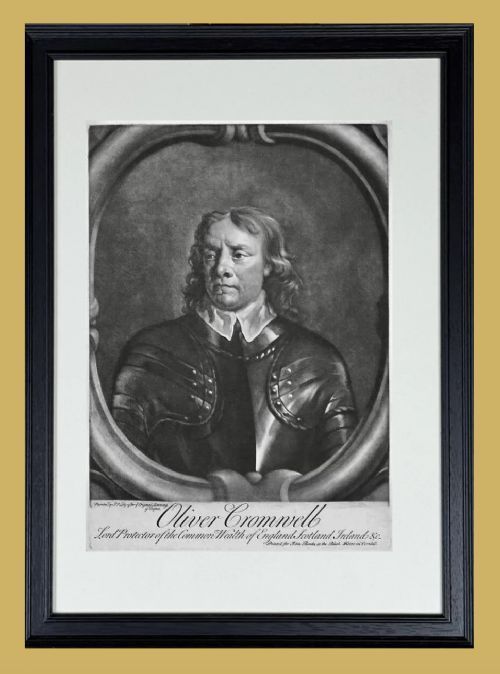
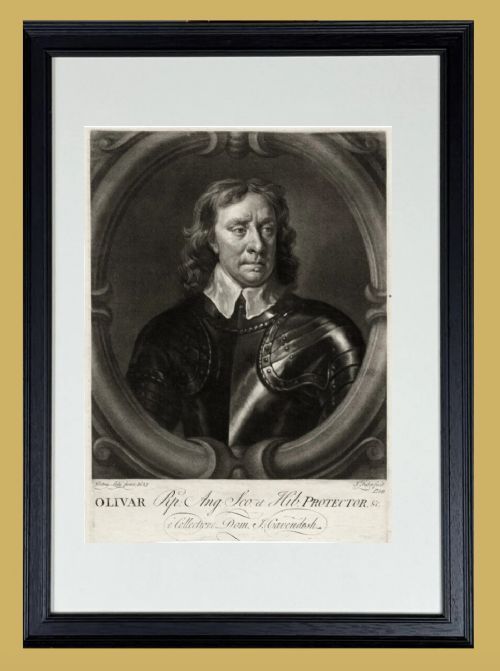
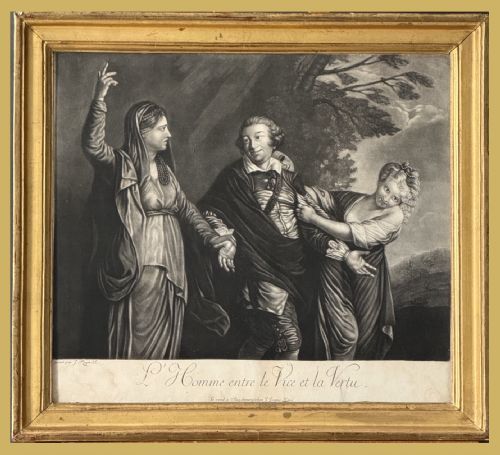
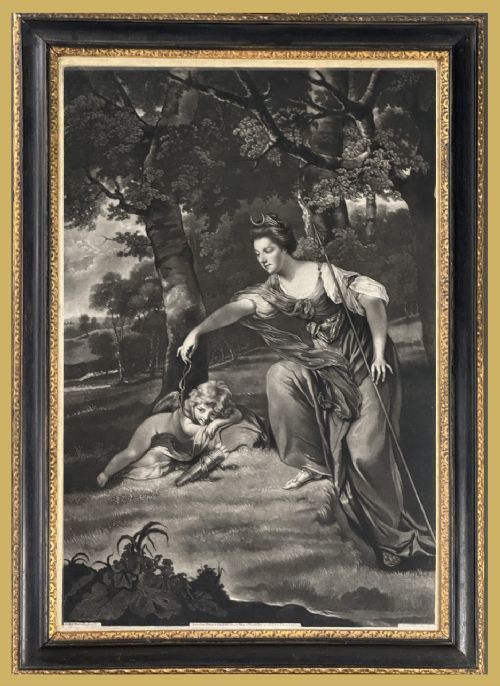
Framed monochrome wall prints encompass centuries of engraved art, portraiture and decorative plates housed behind glass in timber frames. The selection on this page relies heavily on eighteenth-century mezzotints and engravings depicting notable figures, mythological scenes and classical architectural studies.
Buyers encounter works originating from the seventeenth century through to the modern era, with Georgian and Victorian examples appearing frequently alongside French baroque compositions. These pieces function well as singular focal points or grouped in symmetrical arrangements across domestic interiors.
Materials and Techniques
Many historical frames incorporate applied gold leaf or gilding to accentuate the carved details of the borders. The interaction between the dark monochromatic ink on aged paper and the reflective quality of the surrounding frame defines the visual character of each piece.
Subject matter across the inventory ranges from classical architectural plates and anatomical engravings to dramatic hunting scenes and regal portraits.
Assessing Quality and Execution
Quality in these works rests upon the clarity of the impression left by the printing plate and the fidelity of the tonal gradations. Early strikes from copper plates yield sharp, rich blacks and distinct details, whereas later or worn impressions lose definition in the shadows.
The integrity of the accompanying frame contributes significantly to the overall merit of the piece. Period frames featuring original gilding or authentic joinery elevate the item above those housed in replacement or later secondary mounts.
John Simon·John Boydell·James Watson·Edward Fisher·John Smith
The Framed Monochrome Wall Prints Glossary
- Mezzotint
- A printmaking process where the copper plate is roughened uniformly to produce dark tones, then scraped and burnished to create light areas. This technique allows for subtle gradations of shade and tone.
- Engraving
- A method of cutting design lines directly into a metal plate using a sharp tool called a burin. The resulting lines hold the ink that transfers to paper under high pressure.
- Etching
- A technique where acid bites lines into a metal plate through a protective wax ground. Artists draw through the wax to expose the metal before the chemical bath creates the recesses for ink.
- Drypoint
- A printmaking method in which an artist scratches lines directly into a metal plate with a hard needle. This action raises a burr of metal that catches ink to produce soft, velvety lines.
- Gilt Wood
- Timber that has been coated with a thin layer of gold leaf or gilt paste. It provides a reflective, ornamental border around the framed artwork.
Framed Monochrome Wall Prints: Frequently Asked Questions
How do I care for antique paper prints?
Keep framed prints away from direct sunlight to prevent the ink and paper from fading over time. Maintain stable indoor humidity levels to protect both the paper support and the wooden frame.
Ensure that the glass remains intact and that the backing board permits adequate ventilation without trapping damaging moisture within the rebate of the frame.
What is a mezzotint portrait?
A mezzotint portrait is an intaglio print created by roughening a copper plate to hold rich, dark tones and smoothing areas to create highlights. This method was widely used in past centuries to reproduce oil paintings of prominent individuals.
The resulting images offer deep shadows and smooth tonal transitions that distinguish them from standard line engravings.
How can I tell the age of a frame?
Examine the construction joints, the type of timber used, and the method applied for the surface finish. Older frames often display hand-cut joinery, pegged corners, and layers of gesso beneath the gilding.
Modern replacement frames usually feature uniform machine cutting, staples, and synthetic finishes that lack the depth and wear of period examples.
Where should I hang these prints?
These monochromatic artworks suit studies, libraries, hallways, and living rooms where historical character is desired. Their neutral black and white palette allows them to blend easily with various wall colours and interior schemes.
Pair complementary subjects together, such as botanical plates or paired portraits, to create a balanced gallery wall arrangement.