
Framed Monochrome Sketch
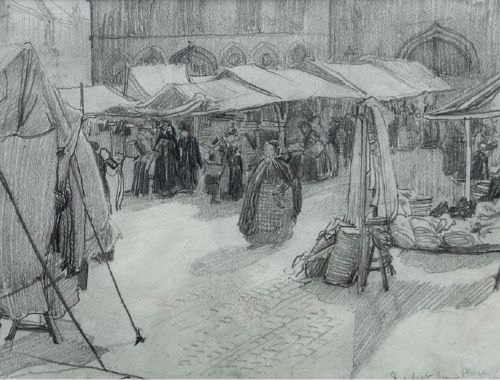
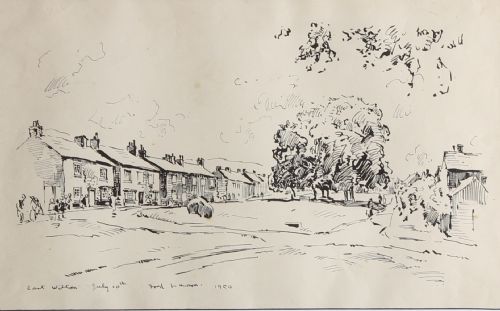
When you search for a framed monochrome sketch, you are looking at original works on paper rendered in graphite, charcoal, pencil or ink.
Framed Monochrome Sketch
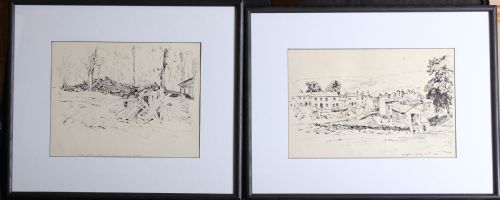
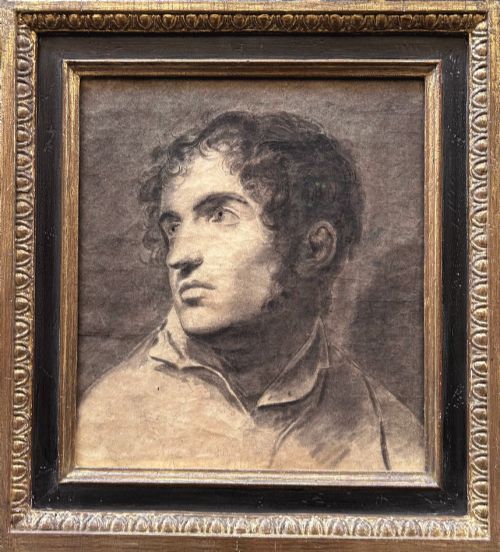
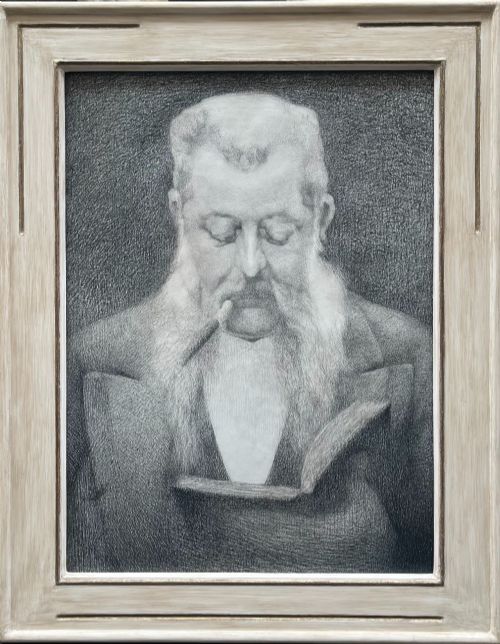
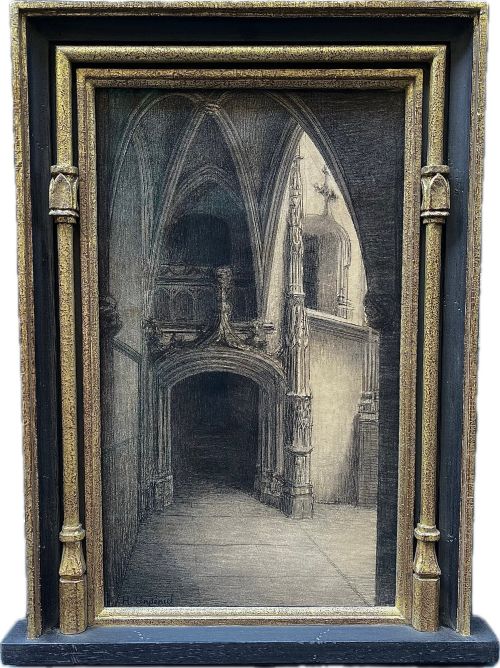
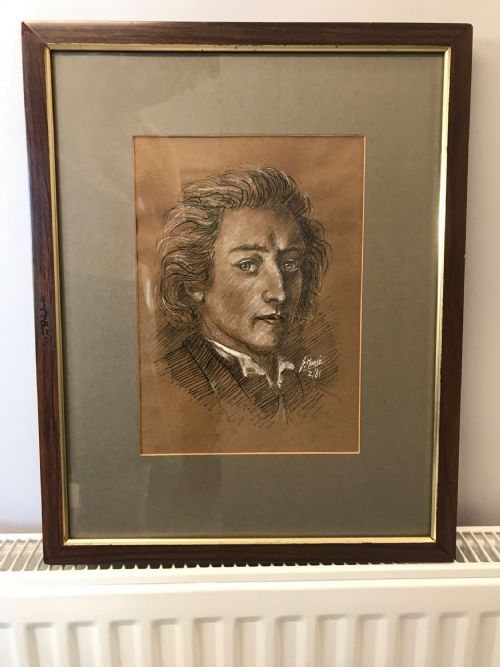
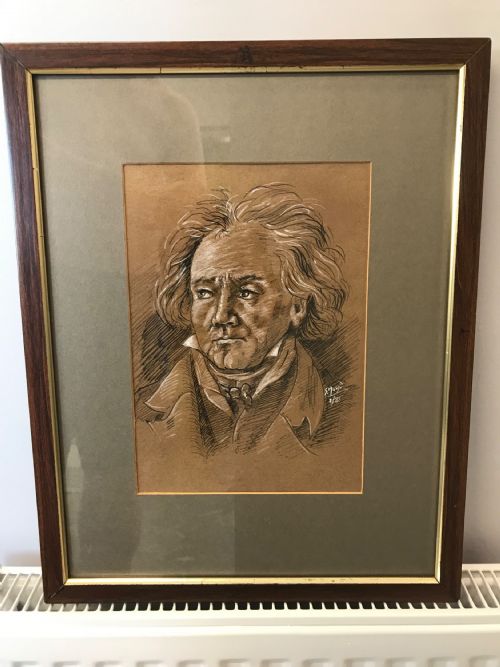
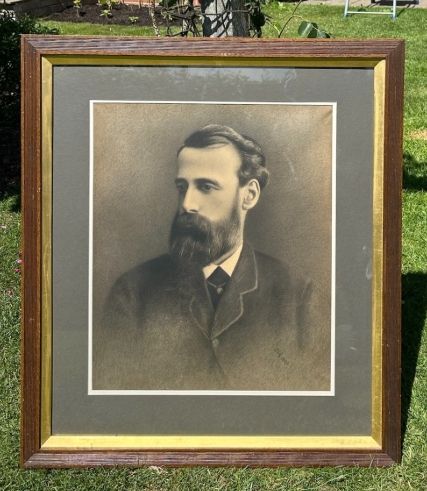
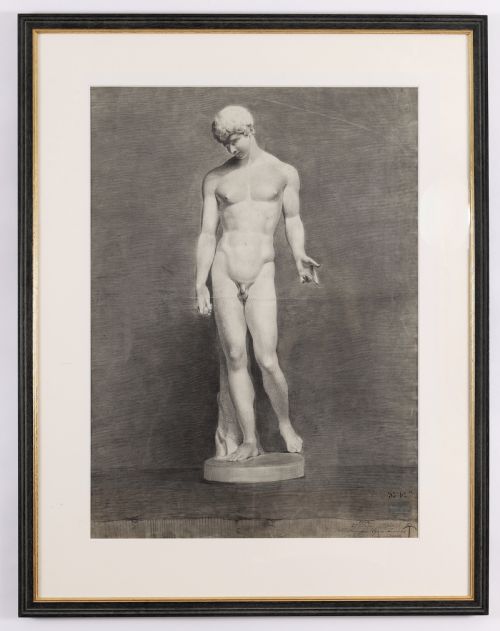
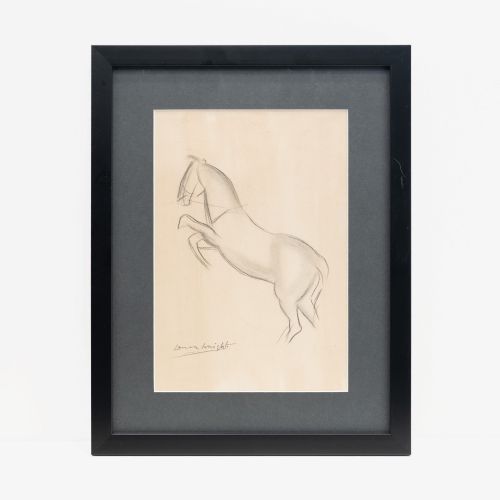
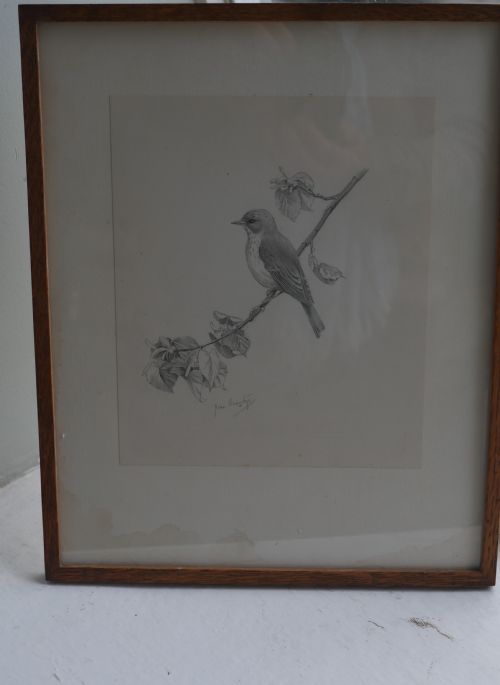
A framed monochrome sketch brings together original works on paper produced across the eighteenth, nineteenth and twentieth centuries, capturing subjects ranging from classical studies and architectural views to portraits and landscapes. You will frequently encounter nineteenth century school portraits, academic life studies, and early twentieth century British or French works preserved behind glass.
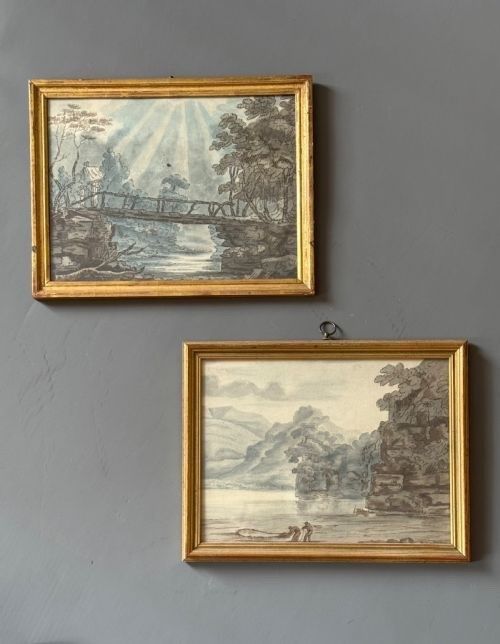
The materials span simple pencil, graphite, charcoal and pen and ink wash on various paper supports, often housed within period wood or giltwood frames. These pieces function historically as working studio drawings, preliminary artist studies, or finished illustrative works rather than mass-produced prints.
The selection reflects diverse artistic movements, including Victorian academic realism, Gothic Revival subjects, and early twentieth century regional landscapes. Buyers seek them out for their direct connection to the artist's hand and the immediate, unvarnished character of monochrome media.
Materials and technique
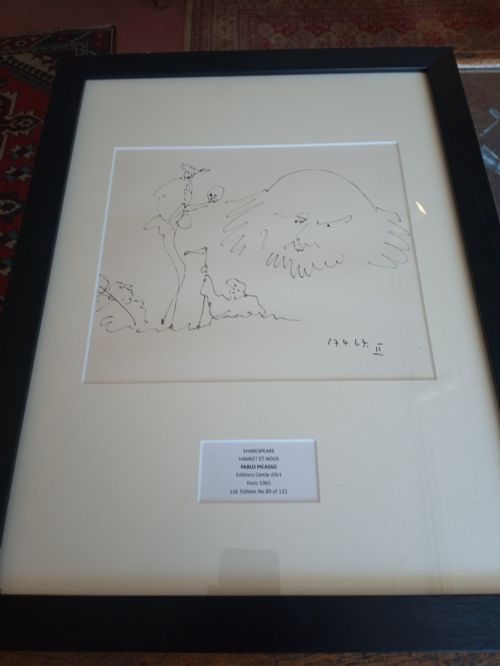
The fundamental materials of a framed monochrome sketch consist of paper supports marked by graphite, charcoal, pencil, or pen and ink, sometimes augmented with wash or gouache. Artists employed these media to build tone, line and shadow directly, relying on the contrast between dark pigment and pale paper.
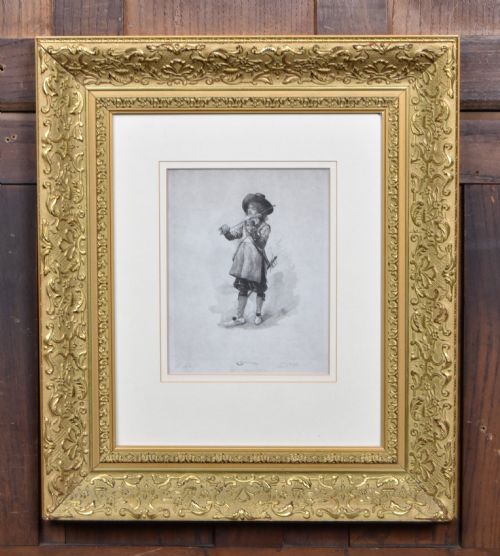
Framing typically involves wood or giltwood surrounds combined with glass to protect the delicate, unsealed surface of charcoal and graphite drawings from smudging and environmental degradation over time.
The listings span the eighteenth century to the modern era, featuring graphite, charcoal, ink and pencil on paper within wood and giltwood frames.
Distinctions in quality
Quality in these drawings rests upon the surety of the artist's line, the expressive handling of shadow, and the structural integrity of the composition. A master study or finished portrait demonstrates confident proportion and psychological depth, whereas lesser examples remain stiff or formulaic school exercises.
The preservation of the paper support and the originality of the associated framing also determine distinction. Works retaining their period wood or giltwood frames alongside stable, unblemished paper carry greater integrity than those compromised by heavy foxing or modern alterations.
Henry Percy Huggill·Fred Lawson·Henri Charles Angéniol·Dame Laura Knight·Leopold Halvoet·Henry Arthur Roberts·Sir Edwin Landseer·Pierre-Paul Prud'hon·J D Fergusson·Augustus Edwin John·Winifred Eugene Ballard·Sir Francis Leggatt Chantrey
The Framed Monochrome Sketch Glossary
- Monochrome
- A work executed in a single colour or tint, relying on varying shades of black, grey or brown. In these pieces, the effect is achieved through graphite, charcoal or ink on paper.
- Grisaille
- A painting or drawing executed entirely in shades of grey or neutral greyish-brown. It often serves to imitate sculpture or functions as a monochrome study.
- Gouache
- An opaque water-based paint consisting of pigment, water, and a binding agent such as gum arabic, frequently used alongside ink wash to add highlights.
- Wash
- A technique where ink or watercolour is diluted to create a semi-transparent layer of fluid tone across the paper.
- Academic Realism
- A style of painting and drawing produced under the influence of European academies of art, emphasising precise anatomy, classical subjects and rigorous life drawing.
Framed Monochrome Sketch: Frequently Asked Questions
What is a monochrome sketch?
A monochrome sketch is an original drawing created using a single colour medium, such as graphite, charcoal, pencil, or pen and ink on paper. These works rely on tone, shadow and line rather than a full palette of colours to define their subject.
They range from rapid preliminary studio studies and academic life drawings to finished landscape and portrait compositions produced across several centuries.
How should I hang these drawings?
Because works on paper are sensitive to environmental conditions, you should hang your framed monochrome sketch away from direct sunlight and damp walls. Natural light fades ink, charcoal and paper supports over time.
Keep them in rooms with stable temperature and humidity levels to preserve both the paper and the period wood or giltwood frame.
Are these drawings original art?
The listings comprise original hand-drawn works of art rather than modern reproductions, featuring direct applications of graphite, ink, or charcoal by the artist's hand. Each piece records unique artist marks, corrections and paper textures.
Studio drawings and life studies offer a direct glimpse into historical artistic training and working methods.
How do I date a sketch?
Dating relies on stylistic evidence, artist signatures, inscriptions, paper watermarks and the construction methods of the accompanying frame. Academic life studies often follow conventions tied to nineteenth century drawing academies.
Written dates, sitter identifications, or studio stamps on the reverse or front of the paper provide direct chronological markers.