




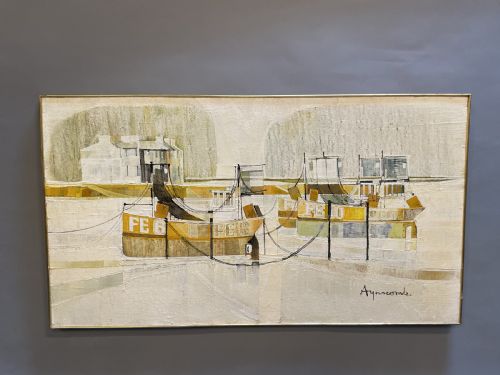


Framed Modernist Oil Painting
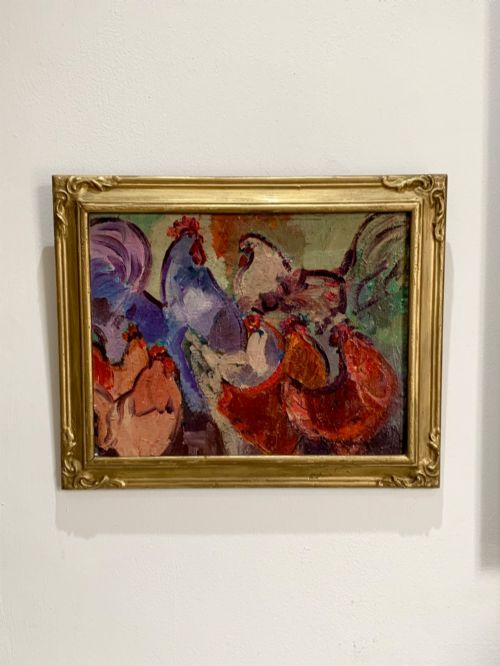
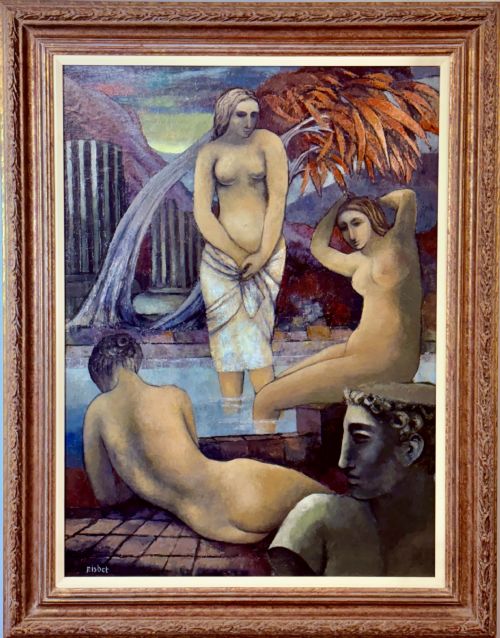
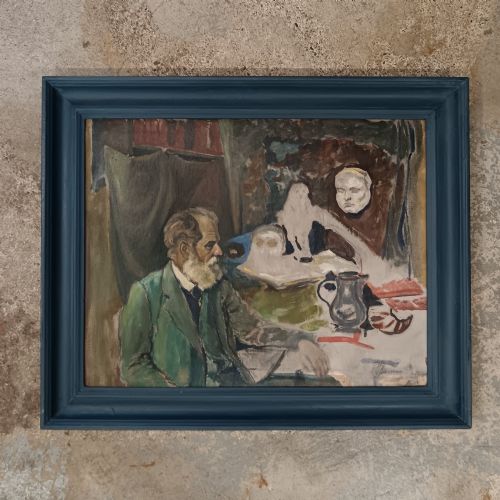
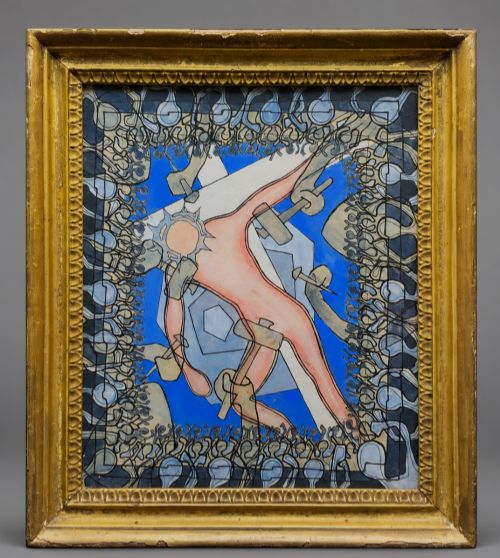
A framed modernist oil painting brings expressive brushwork and mid-century character to an interior.
Framed Modernist Oil Painting
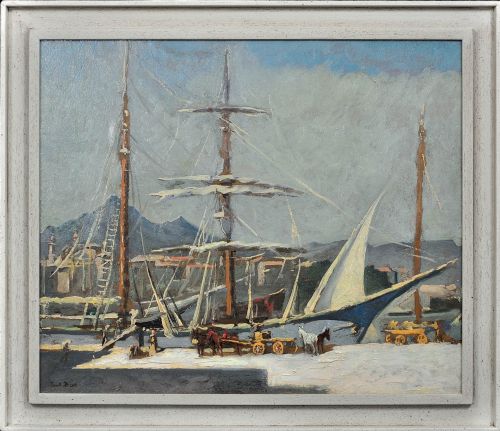
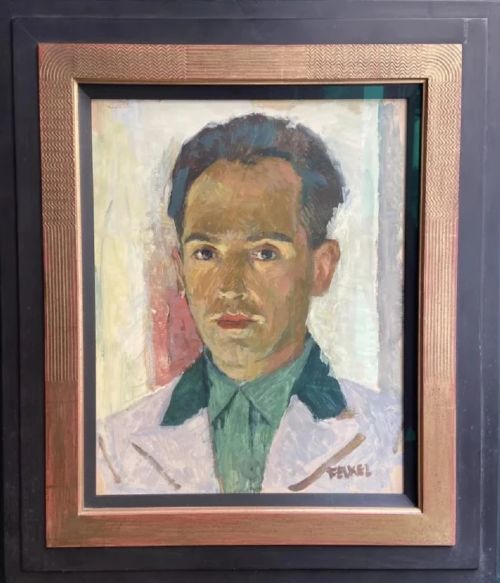
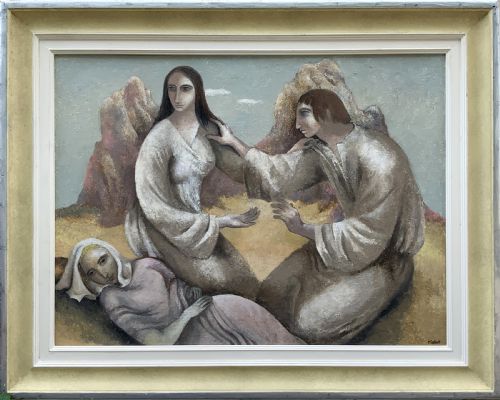
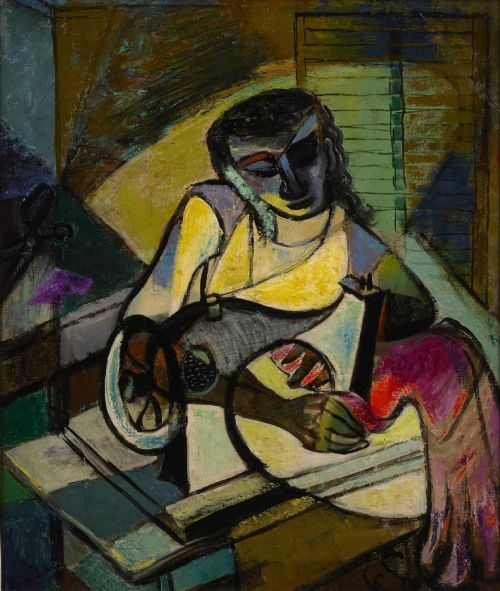
A framed modernist oil painting encompasses original artworks spanning the 1920s to the 1960s, featuring styles from expressionism and cubism to mid-century abstraction and the St Ives School. Buyers examining this page will encounter portraits, coastal harbours, figurative studies, and still lifes created across Britain, France, and wider Europe.
The selection ranges from intimate interior scenes and floral arrangements to large cityscapes and rugged landscapes, presented in period wood frames. Works from the 1950s and 1960s lean heavily into abstract compositions, while earlier decades from the 1920s often showcase avant-garde and fauve influences.
Most pieces utilise traditional supports such as canvas or board, housing pigment applied through flat planes, thick impasto, or energetic brushstrokes. These works capture the shift away from strict academic realism towards subjective colour and form.
How they were made
Artists painted primarily with oil on canvas or prepared board, sometimes utilising encaustic or mixed techniques to build texture and depth. Pigments were manipulated using brushes and palette knives, resulting in varied surface treatments from smooth glazes to heavy impasto.
The supporting wood frames are integral to the pieces, often contemporary to the artwork and constructed from timber moulded, carved, or painted to complement the composition.
Framed Modernist Oil Painting Retail Price Guide 2026
Typical asking prices for framed modernist oil painting among the pieces listed under this phrase on Sellingantiques today, from the lower quarter to the upper quarter. They describe what is for sale here now, not the wider market.
Materials recorded across the selection include canvas, wood, oil paint, board, and wooden frames.
What varies in quality
Quality rests in the surety of the composition, the strength of the palette, and the artist's ability to balance abstraction with structural integrity. Superior works display a confident handling of pigment and light, where every brushstroke contributes to the spatial rhythm of the canvas.
The integration between the painting and its original wood frame further distinguishes the piece, as well-matched framing preserves the historical context and visual harmony of the artwork.
Paul Bret·Carl Felkel·Lena Gurr·Christine Nesbit·Lilian Colbourn·Raymond Moritz·Denis Mitchell·Gabriel Dauchot·William McCance·Pinchus Krémègne·Yetta Kane·Kenneth B Malpass·Lillian M Harrison·Bernard Meninsky·Alastair Flatterly
The Framed Modernist Oil Painting Glossary
- Canvas
- A heavy woven fabric stretched across a wooden frame to serve as a painting support. It provides a flexible yet durable surface for oil paint.
- Impasto
- A technique where paint is laid onto a canvas in very thick areas, usually thick enough that the brush or palette-knife strokes are visible. This adds tangible three-dimensional texture to the surface.
- Board
- A rigid flat panel made from wood pulp or compressed material used as an alternative to stretched fabric. It offers a firm, stable ground for oil paint.
- Fauve
- A style characterised by strong colours and painterly qualities rather than realistic or representational values. The movement emphasises flat areas of vibrant pigment.
- Cubist
- An early twentieth-century style that broke up subjects into geometric shapes and multi-angled perspectives. It fundamentally changed how space and form were depicted on a flat surface.
Framed Modernist Oil Painting: Frequently Asked Questions
How do I hang a heavy framed oil painting safely?
Ensure your wall fixings match the weight of the timber frame and canvas, using appropriate wall plugs and screws into solid masonry or stud work where possible.
Hang the piece from picture wire secured firmly to D-rings on the wooden frame back, keeping it level and away from direct heat sources.
How do I identify the period of a modernist painting?
Examine the stylistic cues, such as the flat planes of 1920s avant-garde composition versus the looser abstraction typical of the 1950s and 1960s.
Supporting evidence often appears in the framing materials, artist signatures, or stretcher construction on the reverse of the canvas.
Do these paintings require special environmental conditions?
Keep works away from damp environments, high humidity, and rapid temperature fluctuations to prevent the canvas or wood panel from warping and cracking.
Position paintings out of direct, prolonged sunlight to protect oil pigments and prevent fading over time.