


Framed Military Historical Picture
A framed military historical picture captures the drama of past campaigns and the figures who shaped them through period prints, watercolours, and oils.
Framed Military Historical Picture
A framed military historical picture encompasses artworks and prints that record notable battles, military portraits, and campaign scenes spanning the eighteenth and nineteenth centuries. Buyers searching for a framed military historical picture will encounter diverse artistic interpretations, from eighteenth-century oil portraits to early twentieth-century trench art charcoal drawings.
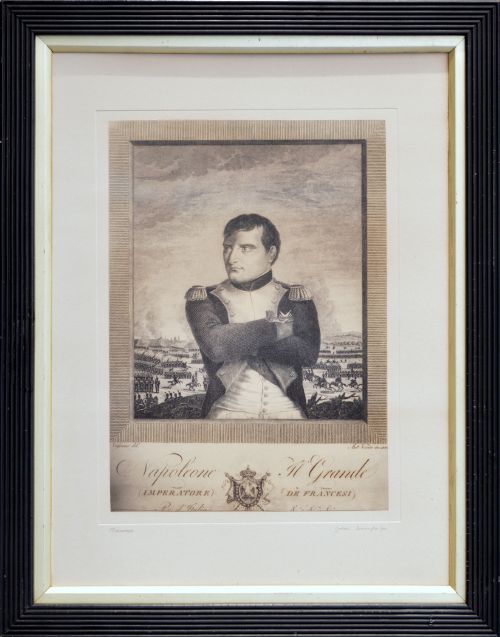
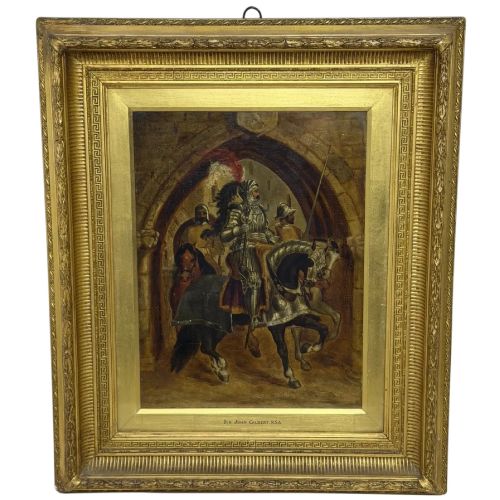
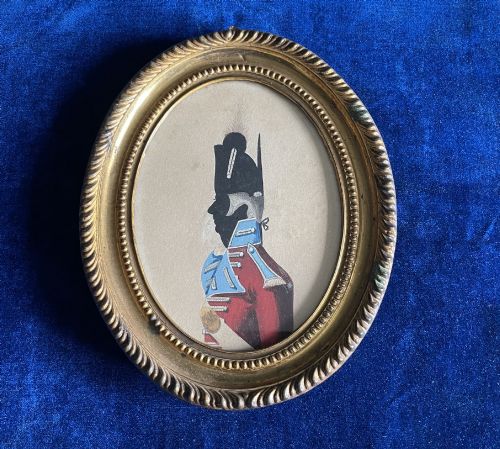
The selection ranges from grand depictions of Napoleonic cavalry skirmishes to intimate watercolours of individual soldiers and officers. Examples include engravings after historical events, nineteenth-century tapestries, and oil paintings depicting knights and generals.
Most pieces date from the Victorian era and the nineteenth century, framed in period materials such as giltwood and mahogany. These works serve as tangible records of military heritage, preserving the likenesses and actions of historical regiments and commanders.
Materials and techniques
Artisans and artists employed media such as oil paint, watercolour, charcoal, and engraving ink upon paper, canvas, and textile. These varied works were then secured behind glass within protective wooden surrounds, including gilt wood and mahogany frames.
Techniques range from fine portrait miniatures and detailed etchings to large tapestries and oil on canvas compositions. The combination of skilled draftsmanship and robust framing ensured these historical records survived through subsequent centuries.
The listings feature oil paintings, watercolours, engravings, and charcoal drawings framed in glass, giltwood, and mahogany across the eighteenth, nineteenth, and early twentieth centuries.
Evaluating quality and execution
Quality rests upon the skill of the execution, evident in the anatomical precision of figures, the handling of light in oil and watercolour, and the fidelity of engravings. Works by documented artists or those associated with specific schools exhibit superior compositional depth.
The integrity and age of the framing materials, such as original giltwood or polished mahogany, contribute significantly to the overall merit of the piece. Superior examples maintain clear provenance, distinct subject matter, and well-preserved pigments or ink lines beneath the glass.
Sir John Gilbert RA·John A Houston·George Cattermole·David Wilkie·Gerrit Schipper
The Framed Military Historical Picture Glossary
- Engraving
- A printmaking technique where an image is incised into a metal plate, producing fine lines that capture intricate historical scenes. This method was widely used for reproducing battle compositions.
- Trench art
- Objects created by soldiers, prisoners of war, or civilians from materials found in conflict zones during wartime. These pieces often incorporate personal or tactical motifs from the First World War.
- Giltwood
- Wood that has been coated with a thin layer of gold leaf or gold paint. It frequently borders eighteenth and nineteenth-century frames.
- Portrait miniature
- A small, highly detailed painting, often executed on paper or vellum, depicting an individual officer or notable historical figure. They demand exceptional brushwork due to their diminutive scale.
- Oil on canvas
- Pigments bound in a drying oil medium applied to stretched fabric support. This technique allows for rich colour blending and durability in historical military paintings.
Framed Military Historical Picture: Frequently Asked Questions
What periods do these pictures cover?
The selection primarily spans the eighteenth, nineteenth, and early twentieth centuries, capturing eras such as the Napoleonic Wars and the First World War.
Pieces range from Georgian engravings and Victorian prints to early twentieth-century trench art drawings.
How were these historical artworks displayed?
These works were traditionally hung in country houses, officers' messes, and domestic parlours to commemorate military victories and ancestral service.
They were preserved behind glass within wooden frames, such as giltwood or mahogany, to protect the paper and canvas from atmospheric damage.
What is trench art?
Trench art comprises items fashioned by soldiers and civilians during periods of conflict, utilising readily available materials from the battlefield.
In this category, items include charcoal drawings executed near active fronts during the First World War.