


Antique Knight Oil Painting
These antique knight oil painting works bring historic armour and stately character to a room, drawn mainly from nineteenth-century hands and earlier revivals.
Antique Knight Oil Painting
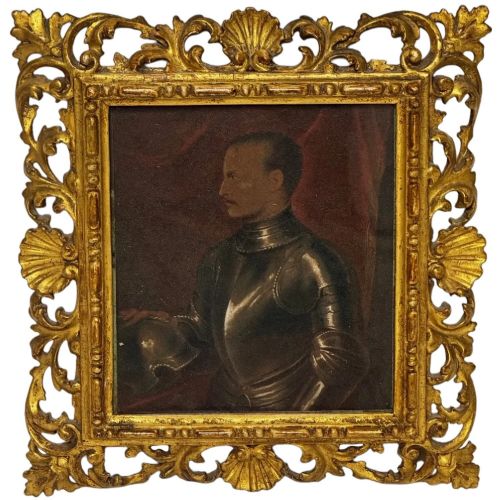
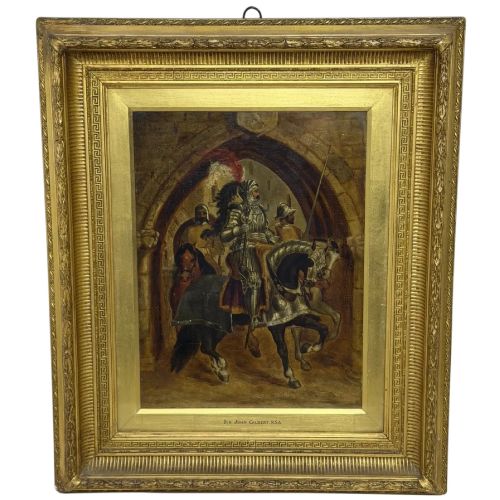
When searching for an antique knight oil painting, you encounter canvases depicting figures in full suits of armour, Renaissance noblemen, and historical portraits spanning from the sixteenth century to the Victorian era. The most frequent pieces on this page are nineteenth-century interpretations and revivals, often referencing earlier Renaissance styles.
The selection ranges from sixteenth-century Italian portraits of noblemen in armour to seventeenth-century baroque depictions and nineteenth-century historical scenes. These artworks often capture sitters associated with military lineages or chivalric processions, executed in oil on canvas.
Works on this page also include pieces by artists bearing the surname Knight, depicting landscapes, marine subjects, and interior family scenes alongside the armour portraits. Buyers seeking this subject matter navigate a mix of formal portraiture and narrative historical art.
Materials and construction
These works are painted using oil paint applied to canvas or wood panels, capturing the metallic sheen of armour and the rich textures of period garments. The physical support typically consists of stretched canvas secured in traditional wooden frames.
Many of the frames associated with these paintings utilise gold leaf and gesso applied over gilt wood, providing the heavy ornamentation characteristic of nineteenth-century presentation. The techniques reflect academic portraiture traditions, employing layered glazes to render light reflecting off polished steel and velvet fabrics.
Among the historical figures recorded in these canvases, a formidable northern pike makes an unexpected appearance alongside the human nobility.
Factors determining quality
Quality in these works rests upon the fidelity of the anatomical drawing, the convincing rendering of reflective metal surfaces, and the expressive depth of the sitter's face. Superior paintings demonstrate confident brushwork in the handling of heavy plate armour and intricate lace or textiles.
The sophistication of the composition and the provenance associated with the circle of a recognised painter or academy elevate certain works above standard decorative pieces. Original gilt wood frames featuring period gesso work also contribute to the overall integrity and desirability of the piece.
Sir John Gilbert RA·Harold Knight RA·William Henry Knight RA·David Scougall·George Henry Knight·Rowland Knight·John William Buxton Knight·Adam Knight
The Antique Knight Oil Painting Glossary
- Oil on Canvas
- Pigments mixed with a drying oil applied to a woven fabric support stretched across a wooden frame. This medium allows for rich blending and deep tones.
- Gilt Wood
- Wood that has been coated with a thin layer of gold leaf or gold paint. It frequently appears on ornate antique picture frames.
- Gesso
- A white paint mixture consisting of a binder mixed with chalk, gypsum, or pigment. It serves as a prepared surface for gilding or painting on wood.
- Renaissance Revival
- An artistic movement during the nineteenth century that drew inspiration from the art and culture of the European Renaissance. Works in this style often incorporate historical armour and period dress.
- Baroque
- A European style of art of the seventeenth and early eighteenth centuries characterised by exaggerated motion and clear detail. Paintings from this tradition emphasise dramatic lighting and deep shadow.
Antique Knight Oil Painting: Frequently Asked Questions
How do I date an oil painting of a knight?
Dating relies upon examining the canvas preparation, the stretcher construction, and the style of the clothing or armour depicted in the artwork. Pigment analysis and frame construction also offer reliable chronological indicators.
Comparison with documented works by known nineteenth-century circles or earlier centuries helps narrow the period of execution. Inscribed details on the reverse often provide specific provenance or sitter identification.
What is a Renaissance Revival knight painting?
A Renaissance Revival piece is a later nineteenth-century work that looks back to the aesthetics, portrait conventions, and armour styles of the fifteenth and sixteenth centuries. These artists deliberately emulated earlier historical grandeur.
Such paintings satisfy Victorian and Edwardian taste for historical narrative and chivalric romance, rather than originating in the Renaissance period itself.
How should I hang and care for an oil painting on canvas?
Keep the canvas away from direct sunlight, heating vents, and damp environments to prevent the oil paint and canvas support from degrading. Stable room temperatures protect the structural integrity of both the painting and its frame.
Dust the surface gently with a soft, dry brush and avoid using liquid cleaners on the paint or the gilt wood frame.
Are all knight paintings actual portraits of soldiers?
Many represent formal commissions of nobility or military figures wearing full suits of armour as a symbol of status and lineage. Others function as historical genre scenes or theatrical narrative works.
Studio paintings and circle works often depict generalized noblemen or literary figures rather than specific historical combatants.