


Framed Military Equestrian Art
Framed military equestrian art brings together horses, cavalry officers and historic battlefields within traditional wooden and gilt frames.
Framed Military Equestrian Art
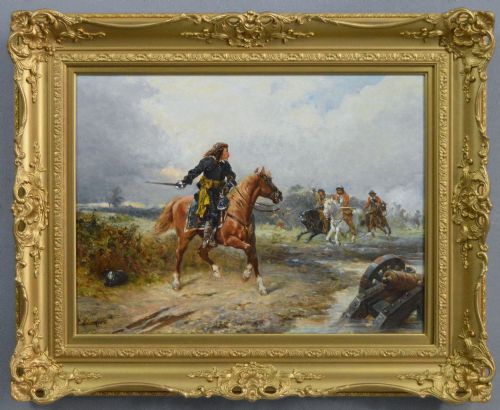
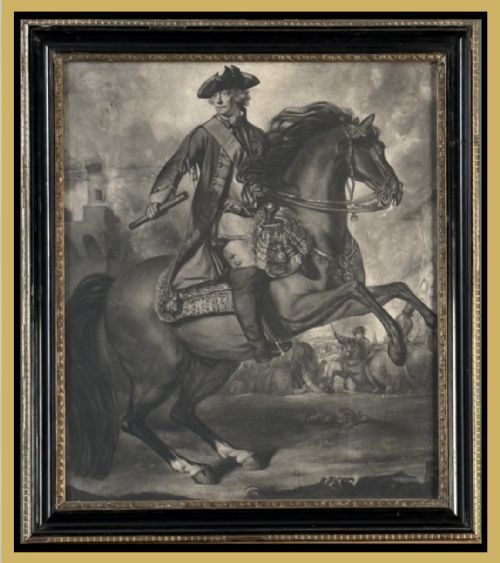
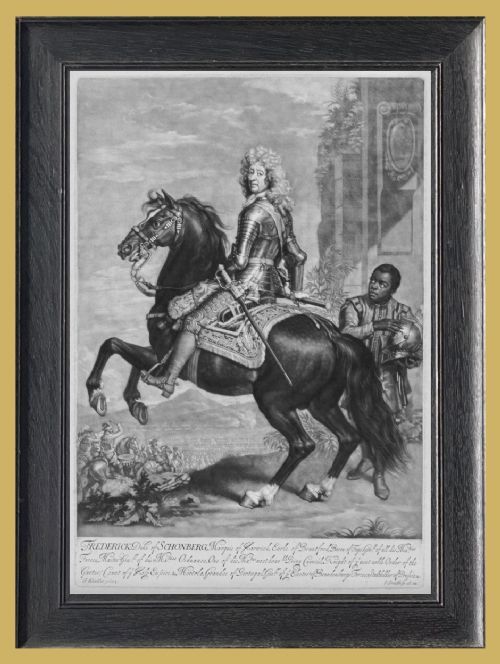
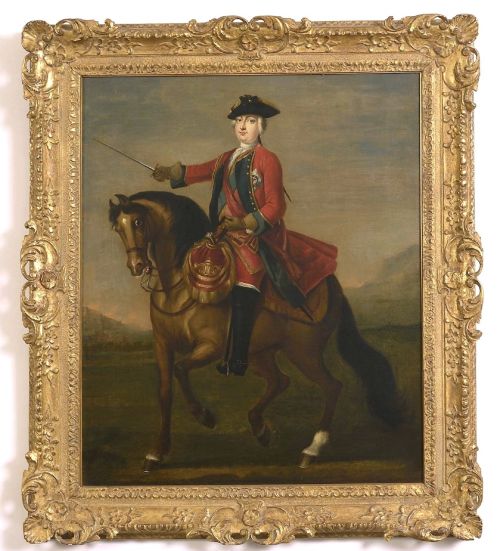
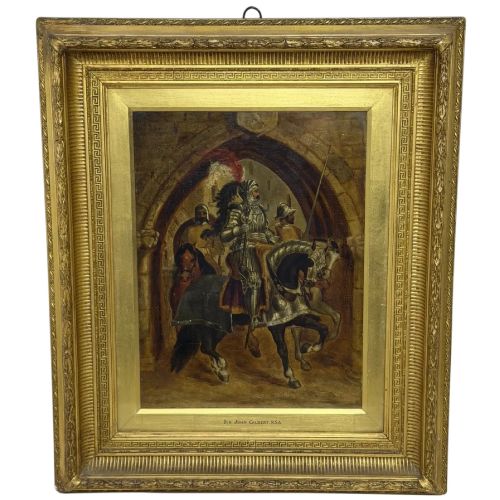
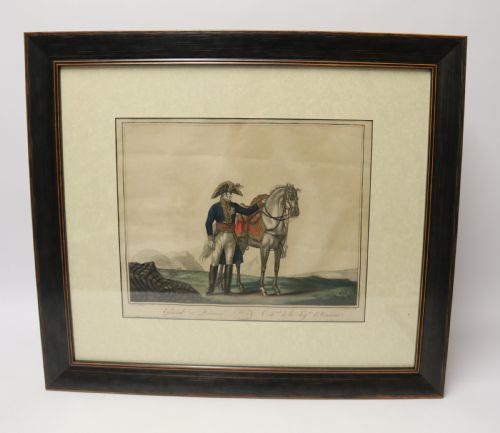
When you search for framed military equestrian art, you encounter a selection of oil paintings, watercolours, mezzotints, prints and wall plaques spanning from the 17th century through to the mid-20th century. These works capture mounted soldiers, cavalry skirmishes and notable portraiture.
The most common examples on this page are 19th-century works and Victorian pieces, alongside earlier Georgian and 17th-century interpretations depicting military commanders and historic engagements.
Materials and construction
Works in this category utilise oil on canvas, watercolours and paper, occasionally presented as pen and ink drawings or hand-coloured prints. These mediums are housed within wood and giltwood frames, often protected by glass.
Artists employed traditional painting and printing techniques, from mezzotint engraving after earlier masters to detailed watercolour sketches and robust oil painting methods on canvas and porcelain wall plaques.
Listings feature oil on canvas, watercolours, paper, and porcelain wall plaques housed in wood and giltwood frames.
Assessing quality and execution
The distinction between standard examples and finer pieces lies in the skill of the draughtsmanship, the expressiveness of the horse and rider, and the handling of the medium by artists working within specific schools and circles.
Original watercolours and period oil paintings demonstrate greater depth and individual character compared to later prints and massed reproductions, while the preservation of the original giltwood frame significantly influences the integrity of the piece.
Edward Fisher·John Smith·Thomas Hudson·Sir John Gilbert·Edith Alice Simkins·Jean Sobieski·Gilbert Scott Wright·Thomas Mackay·Snaffles·George Cattermole·Philips Wouwerman·William Edward Millner
The Framed Military Equestrian Art Glossary
- Mezzotint
- A printmaking process of the intaglio family where the plate is roughened to produce tones of grey and black. It allows for subtle gradations of light and shadow.
- Giltwood
- Wood that has been coated with gold leaf or a gold-coloured finish. This material is standard for traditional picture framing.
- Cavalry
- Soldiers who fought on horseback. They form the central subject of many military art compositions.
- Provenance
- The chronological ownership and history of an artwork. It establishes authenticity and tracks the passage of a piece through time.
Framed Military Equestrian Art: Frequently Asked Questions
What periods do these pieces cover?
The selection spans from the 17th century through the Georgian and Victorian eras, extending into the early and mid-20th century.
Most items originate from the 19th century, reflecting military subjects of those periods.
Are these works original?
The page includes original oil paintings, watercolours and pen and ink drawings alongside period prints and mezzotints.
Each listing specifies the exact medium utilised by the artist or printmaker.
How should I hang these framed works?
Ensure your wall supports the weight of the wood and giltwood frames, particularly for larger oil paintings on canvas.
Keep them away from direct sunlight to protect paper, watercolours and pigments from fading over time.
What subjects are depicted in the art?
Subjects include cavalry skirmishes, battle scenes, portraits of military officers, and individual studies of horses.
Historical engagements and garrison life also appear frequently across the different centuries.