





Framed Military Engravings
Framed military engravings capture historical conflicts, commanders, and formations through intricate ink on paper preserved behind glass.
Framed Military Engravings
Framed military engravings represent historical campaigns, naval officers, and prominent commanders across the seventeenth, eighteenth, and nineteenth centuries. Buyers seeking framed military engravings encounter works produced during the Georgian, Victorian, and Regency periods.
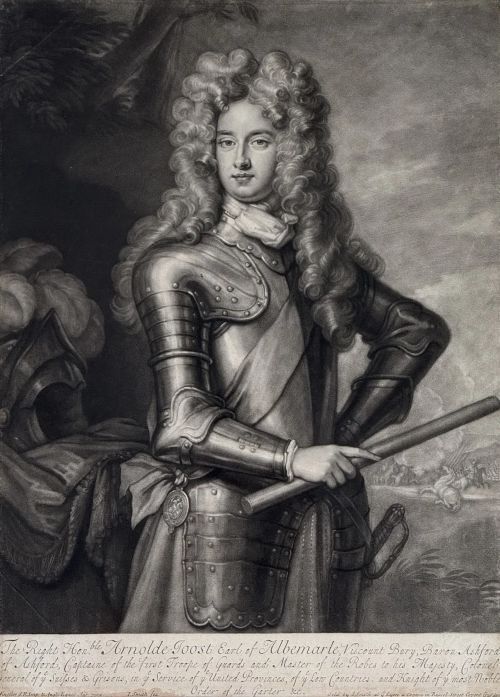
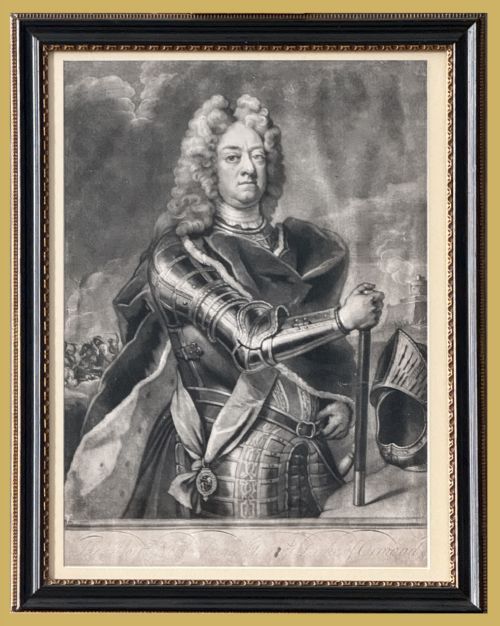
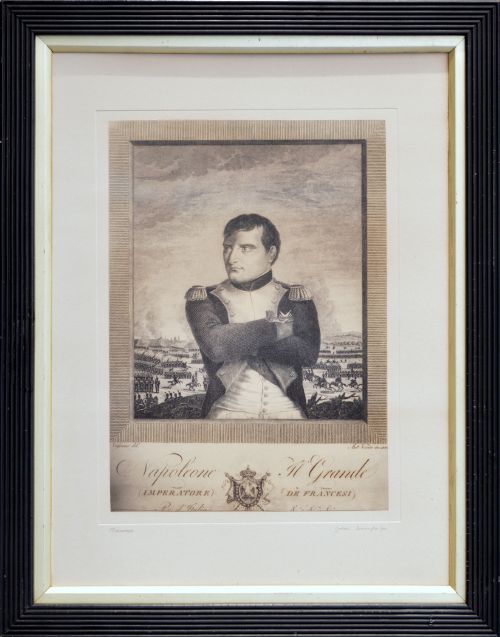
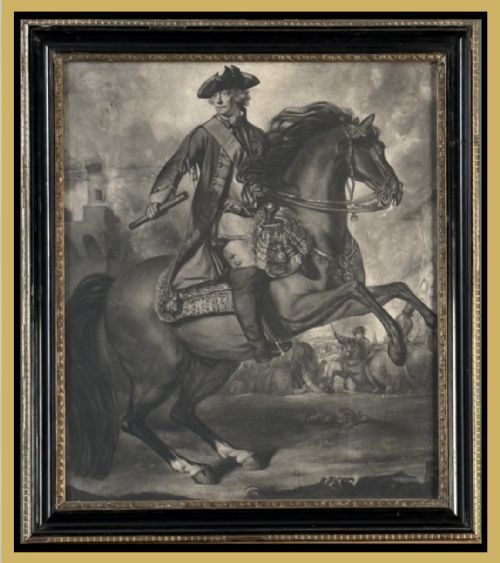
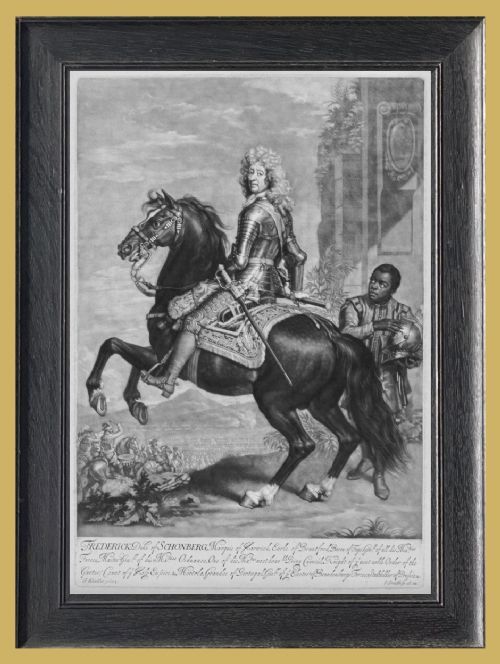
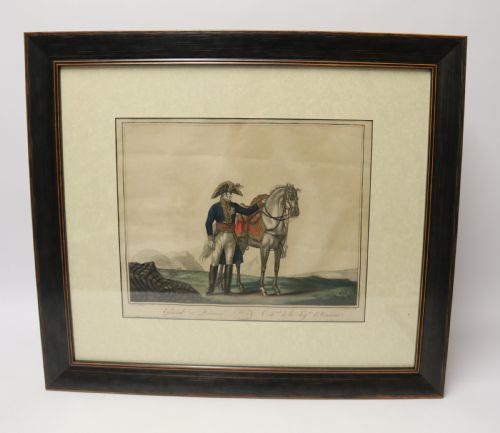
These pieces encompass various forms including mezzotint portraits, wood engravings, hand-coloured prints, and etchings depicting formations, battles, and notable figures. The selection ranges from single portraits of military leaders to sets illustrating specific historical events like the Second Anglo-Afghan War or Napoleonic campaigns.
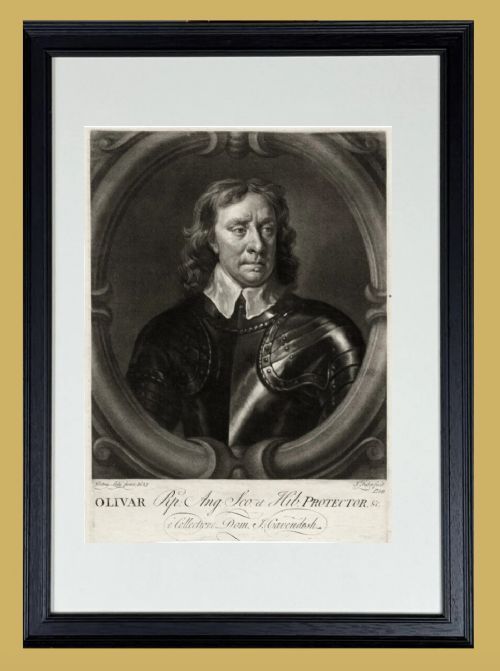
Originating from British and French traditions, the works frequently capture notable subjects such as Oliver Cromwell, Napoleon, and various Earls and Dukes. Surviving examples combine detailed printmaking with period framing in materials like mahogany and giltwood.
Assessing quality
Quality rests upon the clarity of the ink impression and the preservation of the paper surface within the frame. Early mezzotint portraits demonstrate refined tonal gradations achieved by the engraver working from original paintings.
The sophistication of the framing materials, such as period mahogany or genuine gold leaf giltwood, distinguishes superior examples. The historical significance of the depicted subject and the renown of the printmaker also elevate the standing of the piece.
Listings feature paper prints created through mezzotint, etching, and engraving techniques, housed in wood, mahogany, and giltwood frames.
John Simon·Edward Fisher·John Smith·Joseph Sympson·H Singleton·David Wilkie
The Framed Military Engravings Glossary
- Mezzotint
- A printmaking process where the copper plate is roughened to achieve rich dark tones and subtle gradations of light. This technique allowed eighteenth-century printmakers to faithfully reproduce oil paintings of military commanders.
- Engraving
- A method of cutting design lines into a metal plate to hold ink for printing onto paper. It produces crisp, enduring lines suitable for detailed military formations and portraits.
- Etching
- A process utilising acid to cut lines into a metal plate for subsequent printing. Artists employed this technique to capture expressive historical scenes.
- Giltwood
- Wood carved and coated with gold leaf or gold paint. This material forms the ornate period frames surrounding many historic prints.
Framed Military Engravings: Frequently Asked Questions
How old are these framed military engravings?
The pieces span the seventeenth, eighteenth, and nineteenth centuries, encompassing the Georgian, Regency, and Victorian periods. Dates depend on the specific conflict or portrait subject represented in the print.
Earlier works originate from the 1600s and 1700s, whilst later examples reflect nineteenth-century printmaking techniques and nineteenth-century French Empire styles.
What subjects do these engravings depict?
The subjects range from portraits of military commanders and naval officers to specific historical campaigns and troop formations. Examples include depictions of Oliver Cromwell, Napoleon, and scenes from the Second Anglo-Afghan War.
Certain works also record volunteer regiments and specific historical moments such as the death of Major Pierson or the Waterloo Dispatch.
How should I display framed military engravings?
These works require placement away from direct sunlight to protect the paper and ink from fading over time. Maintaining stable indoor humidity levels helps preserve both the paper and the original wood or giltwood frames.
Wall placement should ensure the glass is secure and the hanging hardware supports the weight of the frame and glass combination.
Are the frames original to the prints?
Frames consist of period materials such as mahogany, wood, and giltwood that correspond to the era of the artwork. Victorian, Regency, and Georgian frames reflect the prevailing aesthetic tastes of their respective periods.
Examining the construction of the wood and the application of gold leaf provides insight into the age and origin of the framing.