


Victorian Military Engraving
Victorian military engraving comprises historical prints, silver items, and personal artefacts capturing nineteenth-century armed forces, offering collectors a direct link to regimental history.
Victorian Military Engraving
Victorian military engraving encompasses a diverse range of objects from the nineteenth century, including framed prints, paper engravings, and metal items bearing regimental inscriptions. These pieces document military campaigns, veteran associations, and royal reviews through contemporary imagery.
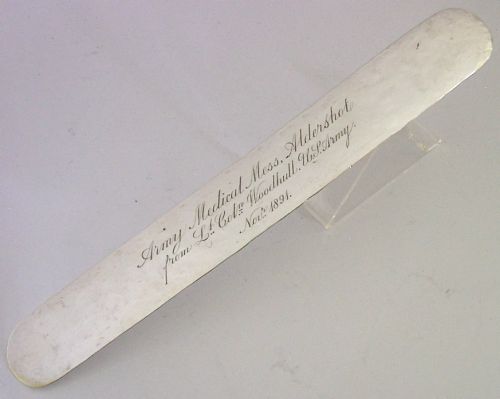
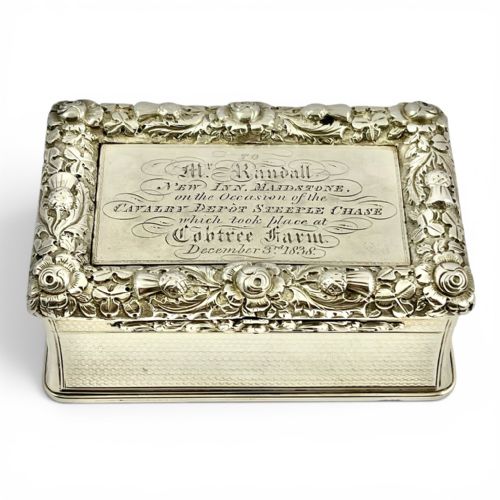
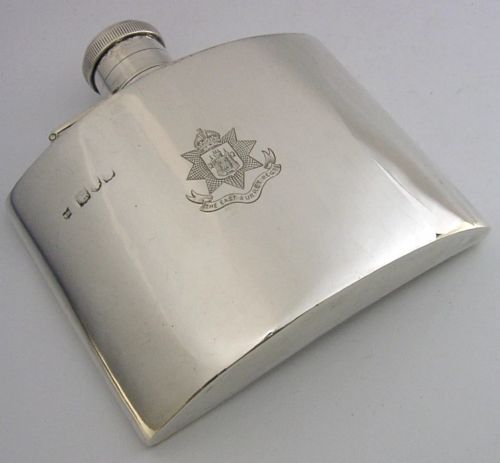
Framed prints and wood engravings form a central part of this category, depicting scenes such as the march toward Kabul or infantry formations. Alongside these graphic works, buyers encounter functional items like sterling silver hip flasks, snuff boxes, and page turners inscribed with specific military connections.
Origins span British regimental history, colonial service, and European campaigns, with items linked to the Boer War era and the American Civil War. The physical forms vary from wall art to portable silver and presentation boxes associated with units like the East Surrey Regiment.
Materials and construction
Paper serves as the primary medium for prints and engravings, utilised alongside ink for detailed impressions of military subjects. Wood provides the backing and framing materials, often featuring gilded wood or mahogany finishes.
Sterling silver represents the dominant metal for presentation items, hip flasks, and snuff boxes. Craftsmanship involves traditional silversmithing techniques, hand-engraving, and percussion mechanisms for functional firearms.
Several pieces record the quiet reading habits of Chelsea Pensioners alongside the thunder of the Waterloo Dispatch.
Factors determining quality
Quality in these pieces depends on the clarity of the engraving and the preservation of the paper or metal surface. Crisp lines on printed works and distinct, legible inscriptions on silver items separate finer examples from heavily worn pieces.
The sophistication of the object itself influences its standing, with substantial sterling silver pieces and marked presentation boxes demonstrating superior workmanship compared to standard utilitarian items.
The Victorian Military Engraving Glossary
- Wood engraving
- A relief printing technique where an image is cut into the end-grain of a block of hard wood. This method allows for fine detail and high durability during the printing process.
- Sterling silver
- An alloy of silver containing ninety-two point five percent silver and seven point five percent other metals, usually copper. It is the standard material for British silver tableware and presentation items.
- Hip flask
- A thin flask for holding liquor, curved to fit the pocket. Victorian examples in this category often feature regimental crests or commemorative engravings.
- Page turner
- A long, flat implement used for cutting and turning book pages. Specimens in this category incorporate precious metals and historical inscriptions.
- Percussion pistol
- A firearm that uses a percussion lock ignition system, popular during the nineteenth century. These weapons frequently bear maker marks and officer associations.
Victorian Military Engraving: Frequently Asked Questions
What periods do these items cover?
The pieces span the nineteenth century, encompassing the Victorian era and specific conflicts like the Boer War and the Second Anglo-Afghan War.
Dates on items range across the eighteen-hundreds, reflecting active service and commemorative periods of the British army.
Are the prints originals from the period?
The prints and wood engravings date from the nineteenth century, serving as contemporary visual records of military life, campaigns, and royal reviews.
Publishers issued these works to document current events and military history for the public.
How do I identify a regimental piece?
Inscriptions on the metalwork or paper often name specific units, such as the East Surrey Regiment or the King's Own. Maker marks and dates provide further context.
Examining the engraved text helps connect the object to particular campaigns or historical milestones.