

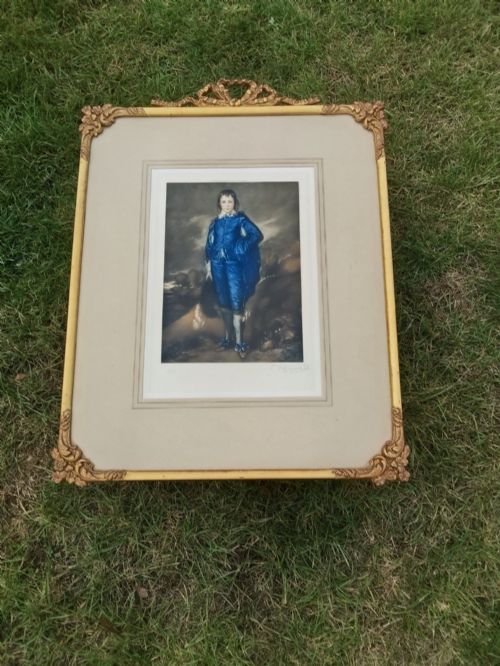
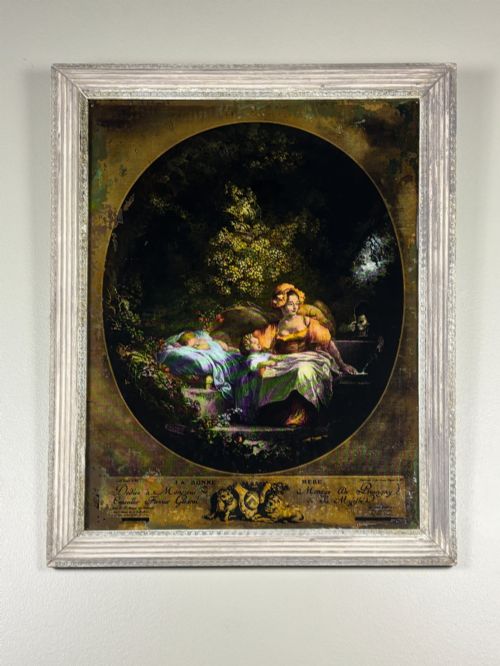
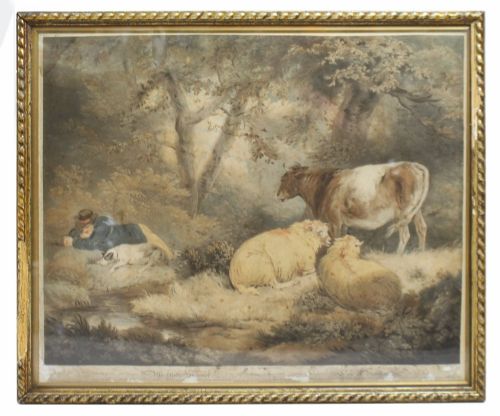
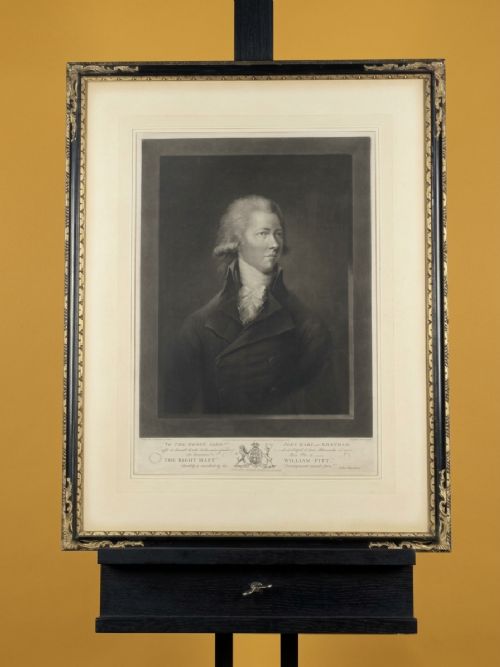


Framed Mezzotint
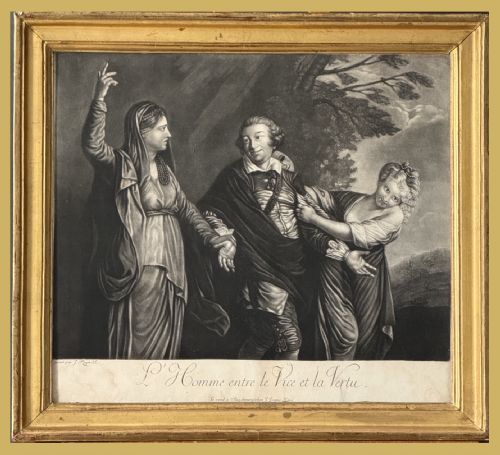
A framed mezzotint offers rich tonal depth and historic portraiture, bringing seventeenth and eighteenth-century printmaking directly to the wall.
Framed Mezzotint
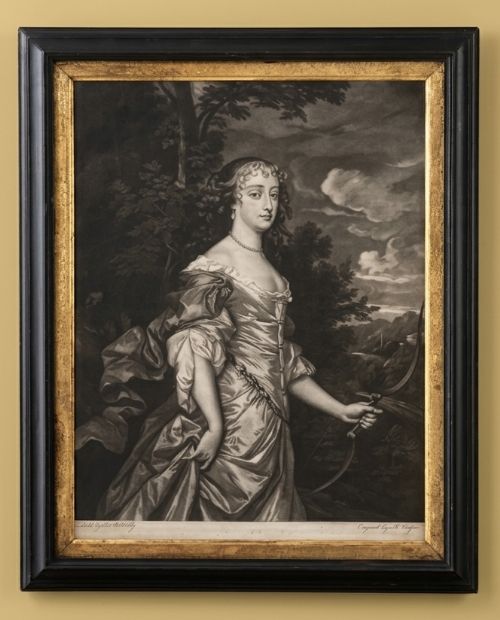
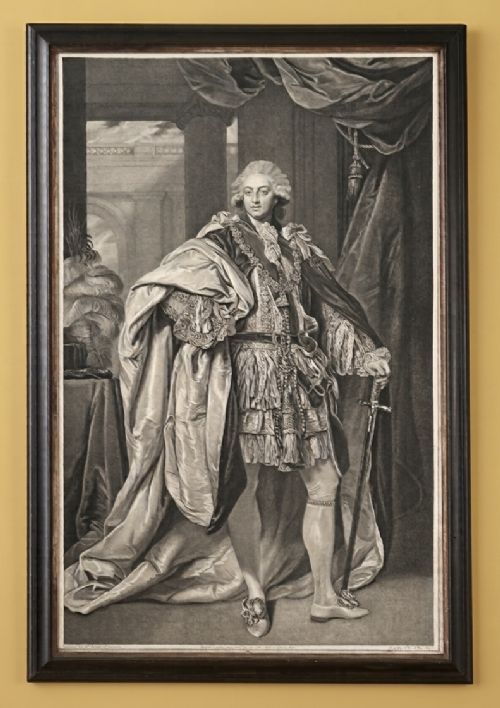
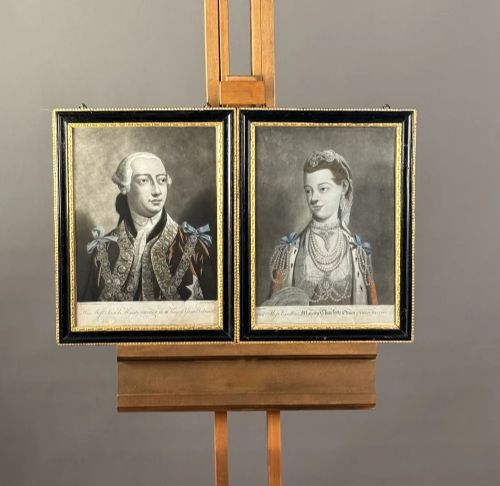
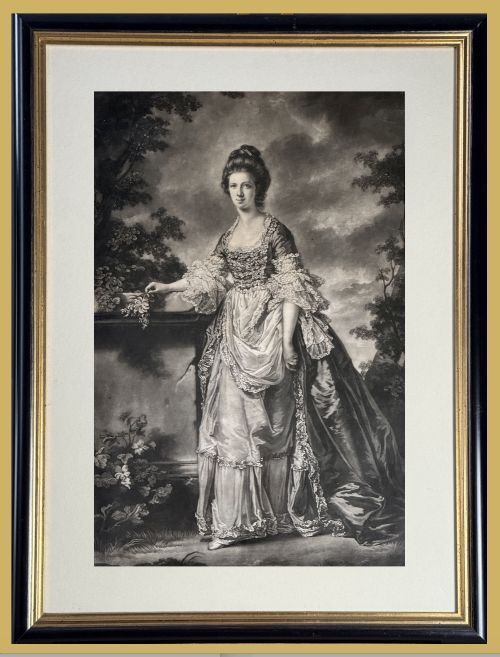
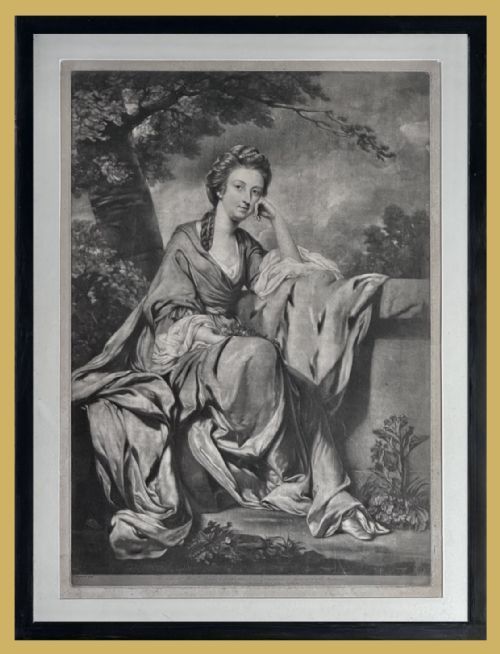
A framed mezzotint represents an intaglio printing method where the copper plate is roughened evenly to hold ink and produce dark fields, contrasted against scraped highlights that yield subtle gradients. Buyers searching for a framed mezzotint encounter mostly eighteenth-century and seventeenth-century British portraiture depicting nobility, royals, and notable figures.
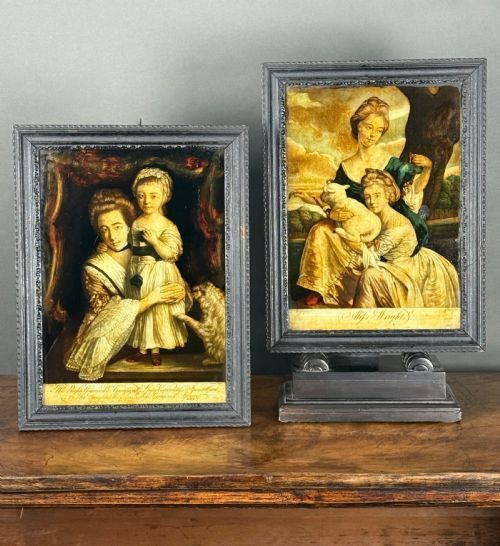
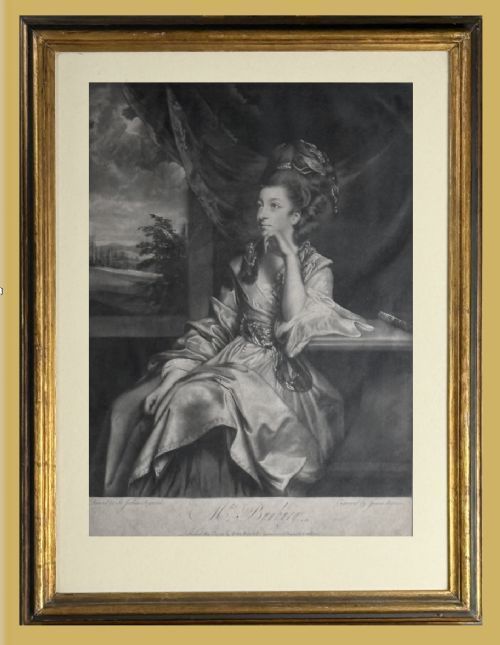
The subjects on this page include kings, queens, and duchesses captured by prominent engravers after painters such as Sir Joshua Reynolds and Sir Peter Lely. Alongside standard paper prints under glass, collectors find reverse glass mezzotints where the inked image is transferred and sometimes coloured directly onto the glazing.
Most examples arrive in period wooden frames, often retaining gilt finishes or gold leaf that complement the dark, velvety tones of the ink beneath. These pieces span the Baroque and Georgian eras, functioning primarily as wall art that preserves historic likenesses through tonal graduation rather than hard lines.
Materials and Techniques
Makers prepared a copper plate using a curved, notched tool known as a rocker, rolling it across the metal in multiple directions to raise a dense burr that would hold ink entirely. Engravers then scraped and burnished areas of this rough surface down to varying depths to create lighter tones and highlights.
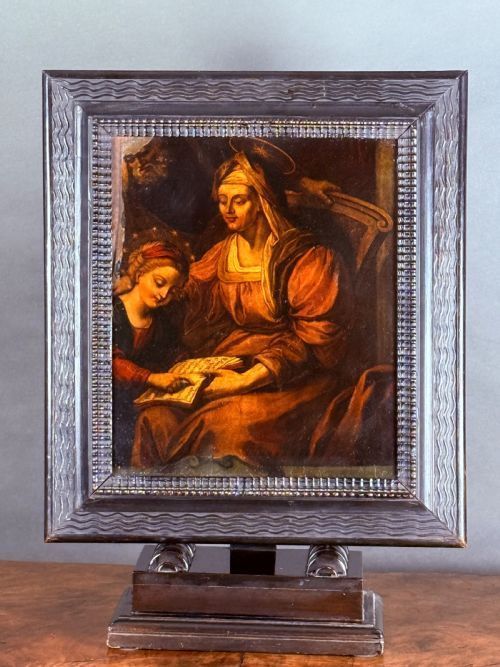
Printers pressed dampened paper onto the inked copper plate under high pressure, transferring the rich black grounds and delicate grey mid-tones characteristic of the method. For reverse glass variants, the printed image was applied to glass and treated with oil paint or pigments before being secured in a wooden frame.
Frames utilised timber moulded to suit the period, finished with gold leaf, gilt, or plain wood to house the delicate paper or glass sheets safely. The combination of copper-plate ink on paper and protective glass ensured the survival of these tonal prints across centuries.
Framed Mezzotint Retail Price Guide 2026
Typical asking prices for framed mezzotint among the pieces listed under this phrase on Sellingantiques today, from the lower quarter to the upper quarter. They describe what is for sale here now, not the wider market.
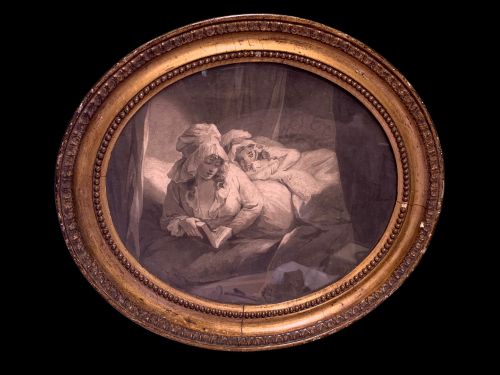
Several portraits capture eighteenth-century domestic life alongside nobility, including depictions of children with pigeons and moments of shared reading.
Evaluating Quality
The richness of the dark velvety ground and the clarity of the scraped highlights determine the visual impact of an impression, separating heavily worn plates from crisp early pulls. Master engravers achieved remarkable subtlety in facial expressions and fabrics, translating painted brushwork into deep tonal gradations.
The preservation of the paper, the vibrancy of added colour in reverse glass examples, and the originality of the frame contribute significantly to the standing of a piece. Historical association, such as the stature of the sitter and the renown of the painter and scraper, elevates the significance of the work.
George Keating·John Smith·Thomas Frye·James Watson·John Jones·Thomas Watson·John Simon·Edward Fisher·John Boydell·Charles Spooner·Joseph Sympson·Valentine Green·Jiohan Elis Haid·W Dickinson·John Faber Snr·James McArdell·John Faber Jr·Robert Williams
The Framed Mezzotint Glossary
- Mezzotint
- An intaglio printmaking process where the copper plate is roughened to print solid black, and scraped to produce lighter tones. This method allows for smooth gradations of light and shade without reliance on line work.
- Reverse glass mezzotint
- A specialised technique where the print image is transferred to the underside of a glass sheet and often hand-coloured. The glass then serves as both the protective glazing and the support surface.
- Intaglio
- A printing technique where the image is incised or sunk below the surface of the plate. Ink is held in the depressions and transferred to paper under pressure.
- Burnisher
- A smooth tool used by the printmaker to flatten the burr on a copper plate. This lightening of the texture reduces ink retention, creating highlights.
- Gilt wood
- Timber frames coated with a thin layer of gold leaf or metallic powder. This finish was standard for displaying fine portrait prints in historic interiors.
Framed Mezzotint: Frequently Asked Questions
What is a framed mezzotint?
A framed mezzotint is an antique print made by roughening a copper plate to hold ink, creating deep tones and soft shading rather than sharp lines. These works are typically mounted behind glass in period wooden frames.
Printers used this method to reproduce oil paintings by major artists, capturing the likenesses of historical figures with remarkable tonal depth.
How do I care for a framed mezzotint?
Keep these pieces away from direct sunlight to prevent the ink and any added colours from fading over time. Maintain stable room temperatures to protect the historic paper, glass, and wooden frames from moisture damage.
Dust the frame gently with a dry cloth and avoid applying any liquid cleaners directly to the glass or timber.
How do I identify a reverse glass mezzotint?
Reverse glass examples display the image directly adhered to the glazing rather than resting on a separate sheet of paper behind it. You may notice applied oil paint or pigment highlighting the details from behind the glass.
These pieces require particular care due to the direct integration of the image with the protective glass panel.
What period do these framed prints come from?
The listings on this page primarily date from the seventeenth and eighteenth centuries, spanning the Baroque, Restoration, and Georgian eras. This period marked the height of mezzotint portraiture in Britain.
Frames often reflect the prevailing style of the era in which the print was produced, utilising gilt wood and traditional moulding techniques.