

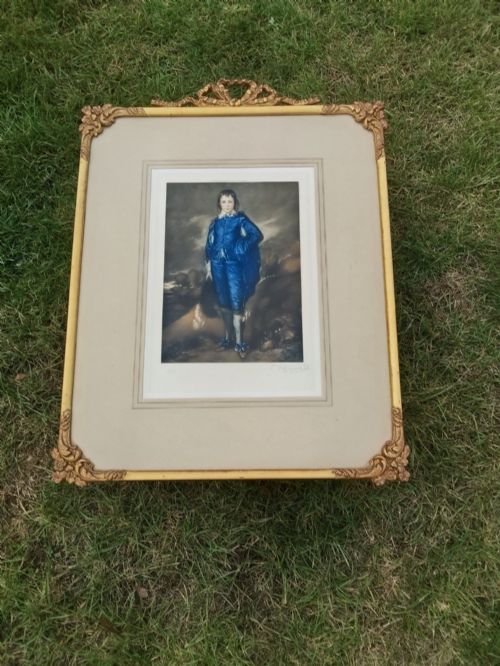
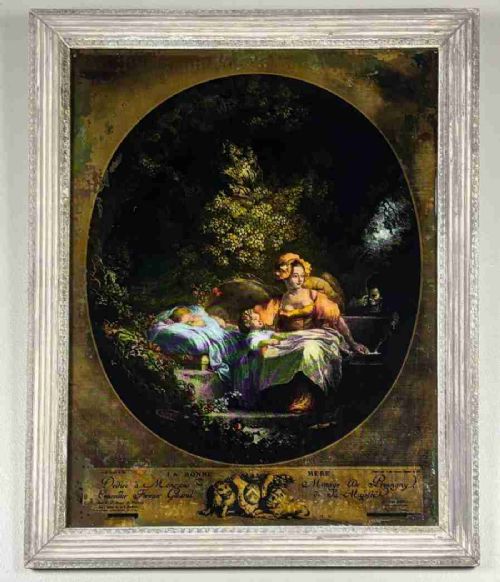
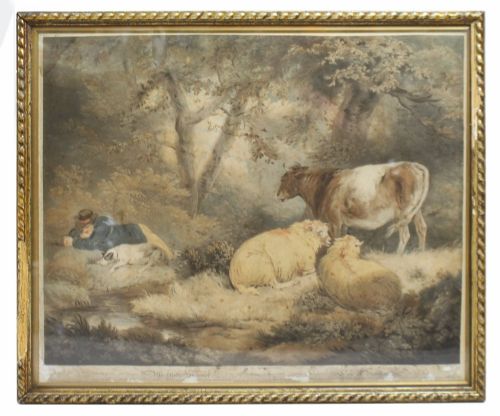
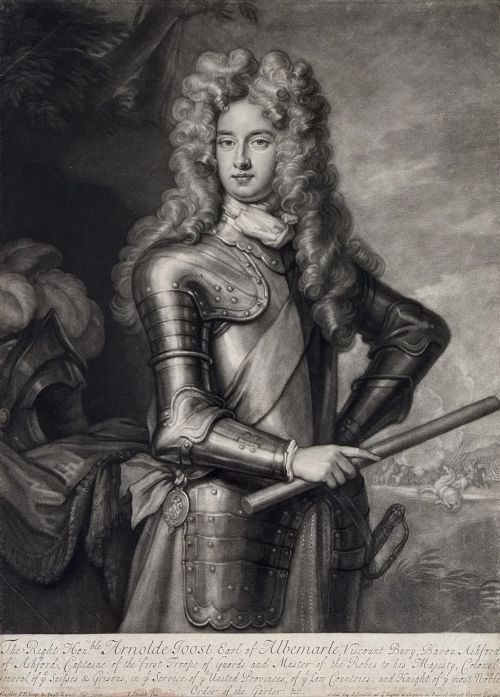
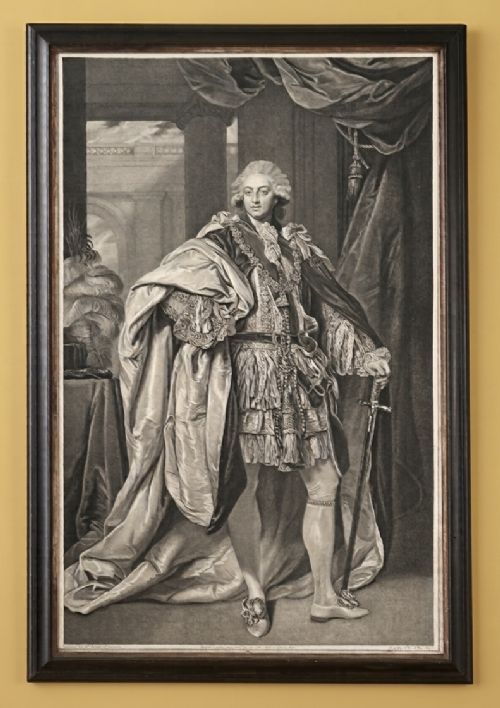

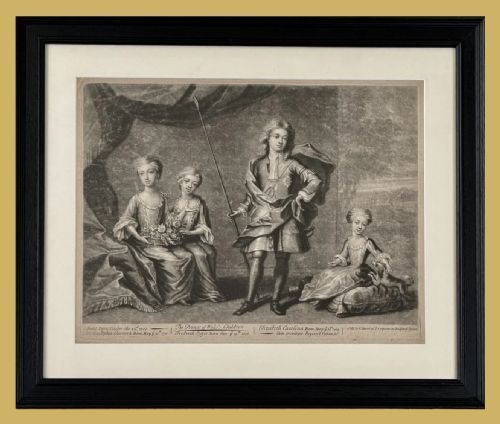
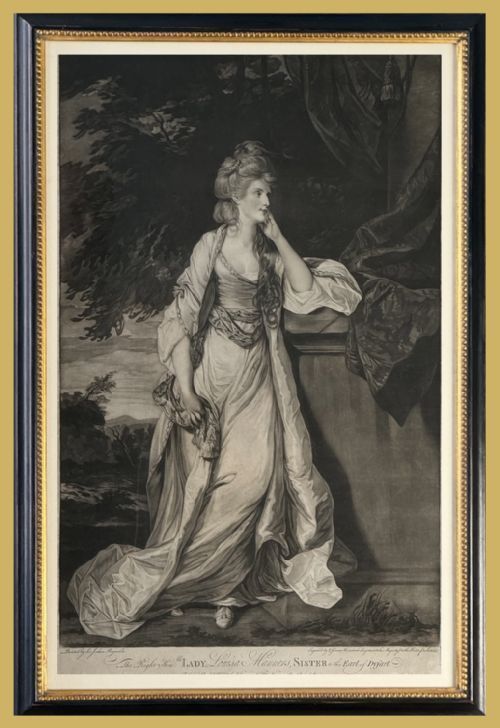
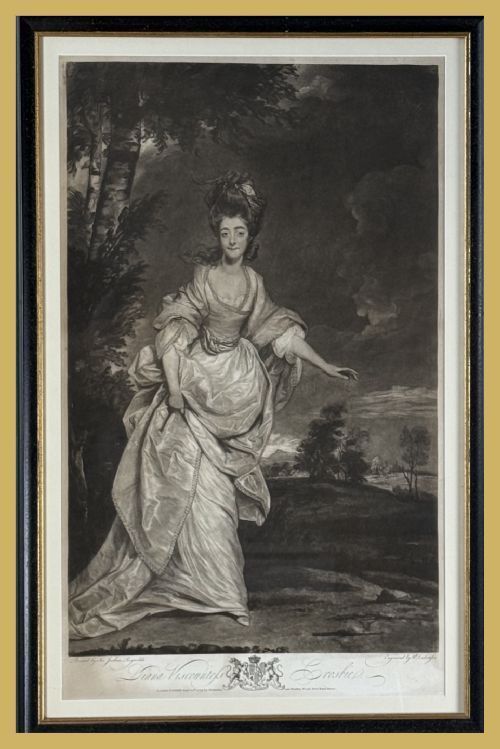
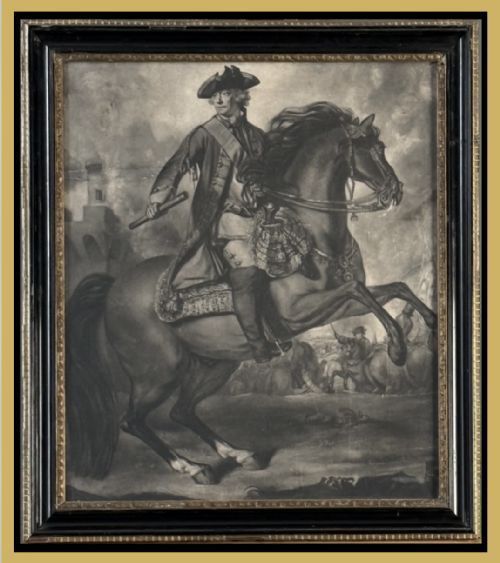
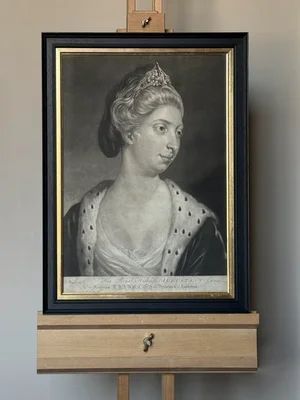

Framed Mezzotint Print
When choosing a framed mezzotint print, collectors seek the deep tonal richness and historic portraiture that define this traditional printmaking method.
Framed Mezzotint Print
A framed mezzotint print represents an intaglio printmaking technique where the copper plate is roughened evenly to hold ink, producing subtle gradations of light and shadow.
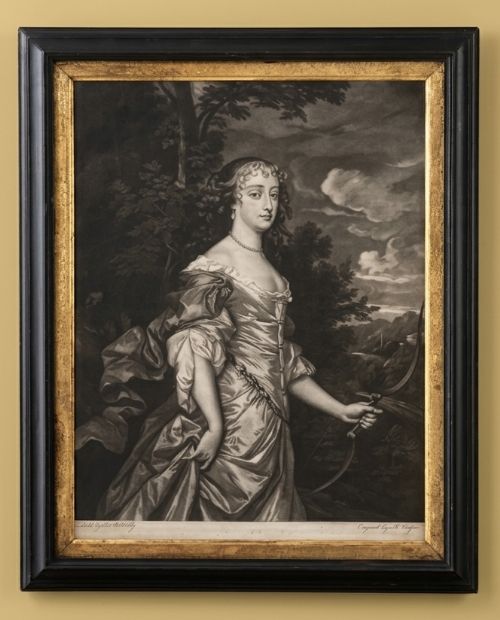
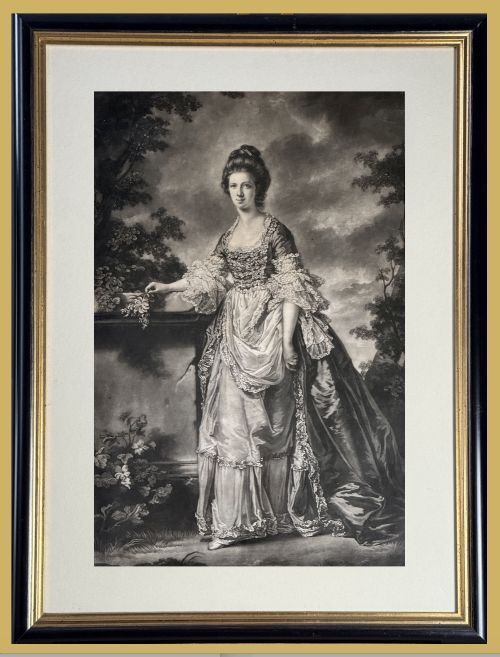
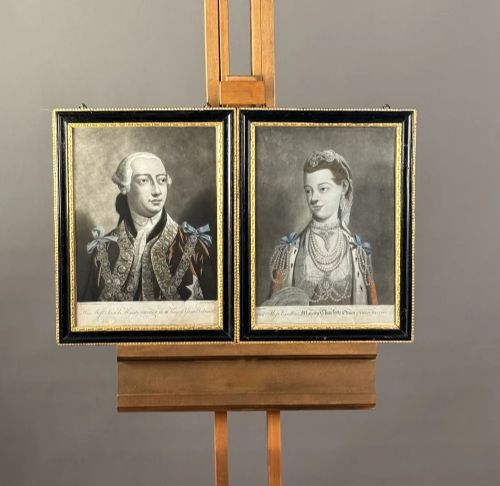
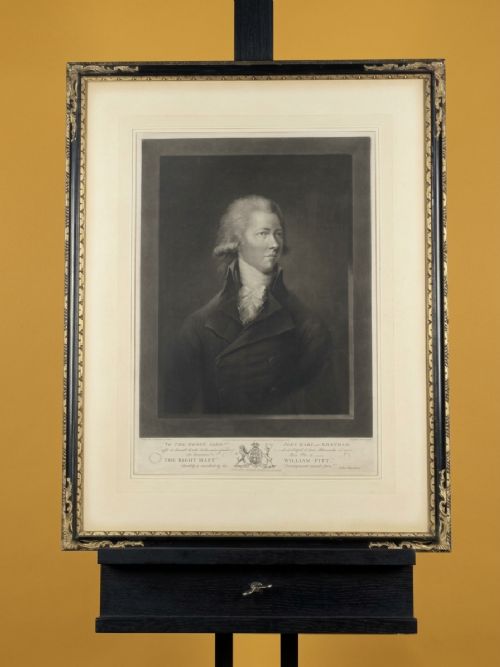
The selections encountered here span seventeenth-century subjects to nineteenth-century interpretations, featuring notable sitters from British history alongside mythological and genre scenes.
Many examples arrive within period frames constructed from wood and finished with gold leaf or gilt, preserving the historic presentation of the artwork.
How They Were Made
Makers prepared copper plates using a rocker tool to create a pitted surface that would print solid black if left unworked, then scraped and burnished areas to generate lighter tones.
Printers applied ink to the prepared copper matrix before transferring the image onto paper, occasionally employing reverse glass techniques where the print was fixed and painted behind glass.
Finished sheets were secured behind glass within wooden frames, sometimes utilising oil paint and pigment enhancements on reverse glass variants.
Framed Mezzotint Print Retail Price Guide 2026
Typical asking prices for framed mezzotint print among the pieces listed under this phrase on Sellingantiques today, from the lower quarter to the upper quarter. They describe what is for sale here now, not the wider market.
The listings feature works executed across the seventeenth, eighteenth, and nineteenth centuries, utilising paper, glass, gold leaf, and oil paint.
What Varies in Quality
The depth of tone and clarity of the impression depend directly on the wear of the copper plate during the printing process, as early impressions display richer velvety blacks.
The preservation of the paper support, the presence of original hand-colouring or oil pigment, and the integrity of the period wooden frame contribute significantly to the standing of an individual piece.
John Simon·Edward Fisher·John Boydell·James Watson·John Smith·Charles Spooner·Valentine Green·Richard Purcell
The Framed Mezzotint Print Glossary
- Mezzotint
- An intaglio printmaking process where the copper plate is textured with a rocker to achieve tones ranging from deep darks to soft highlights. This tonal method avoids harsh lines in favour of graduated shadows.
- Reverse glass print
- An artwork where a printed image is transferred to glass and often painted from behind with oil paint or pigments. This technique produces a glossy surface finish.
- Intaglio
- A printing family where the ink is held within recesses cut or bitten into the metal plate. Mezzotints, engravings and etchings all fall under this broad classification.
- Burnisher
- A smooth tool used by the printmaker to flatten the roughened burr on a copper plate. Lighter areas of the image are created by working the metal with this implement.
- Gilt
- A thin layer of gold or gold-like material applied to wooden frames. This finish enhances the decorative appearance of the period housing.
Framed Mezzotint Print: Frequently Asked Questions
What is a mezzotint print?
A mezzotint is a printmaking method that builds images through graduated tones rather than lines. Printers roughen a copper plate uniformly and scrape away areas to create light.
This technique allows for subtle transitions between deep shadows and bright highlights, creating a distinctive velvety appearance favoured for portraiture.
How should I hang these prints?
These framed works require placement away from direct sunlight to protect the paper, ink and any applied pigments from fading. Stable indoor humidity also helps preserve the wooden frames and glass.
Secure wall fixings suited to the weight of the wood and glass assembly ensure safe display in domestic interiors.
How do I identify a reverse glass print?
Reverse glass pieces display the image locked directly beneath a glass panel rather than on exposed paper. Pigments or oils are often visible applied straight to the rear of the glass.
This method gives the surface a reflective sheen distinct from standard paper prints housed behind a separate protective glass pane.
What subjects appear in these prints?
The subjects predominantly record historical figures, nobility and notable portraits after painters like Sir Joshua Reynolds and Sir Peter Lely. Mythological scenes and genre compositions also occur.
These visual records reflect the artistic tastes and prominent personalities of seventeenth and eighteenth-century Britain.