



Framed Life Study Drawing
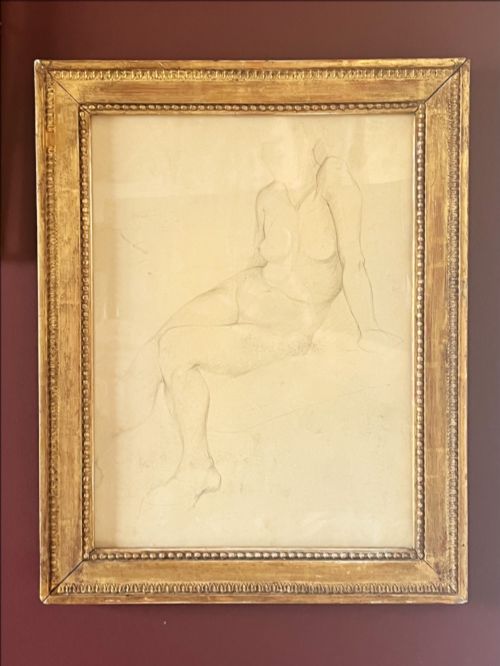
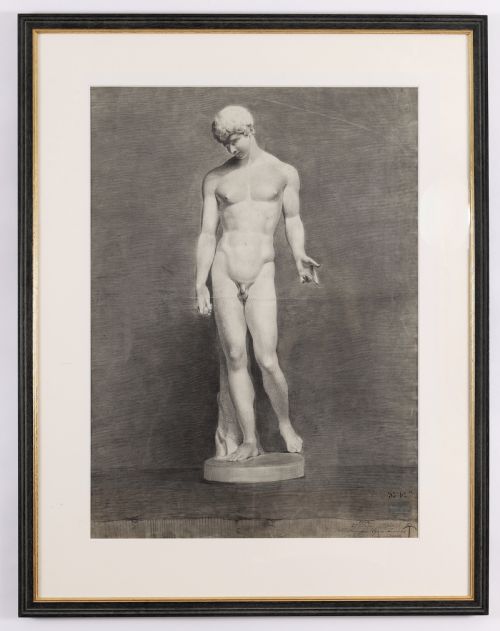
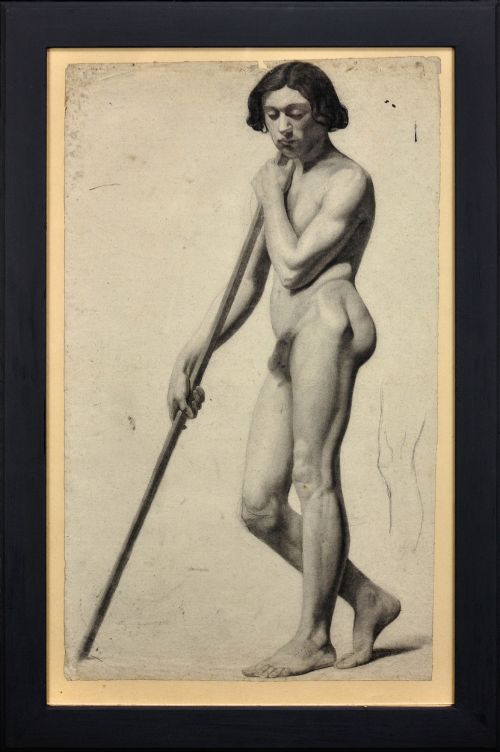
A framed life study drawing captures the human form with direct observation, offering an intimate window into academic training and studio practice.
Framed Life Study Drawing
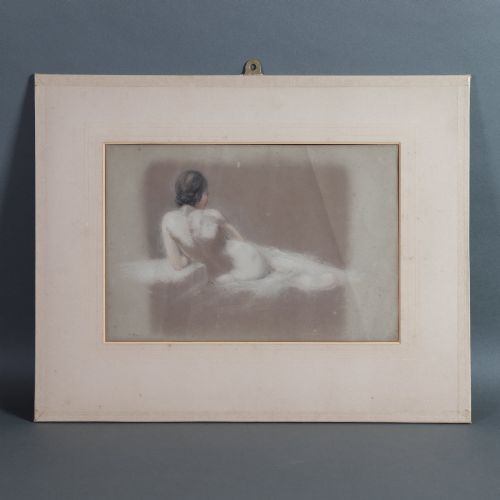
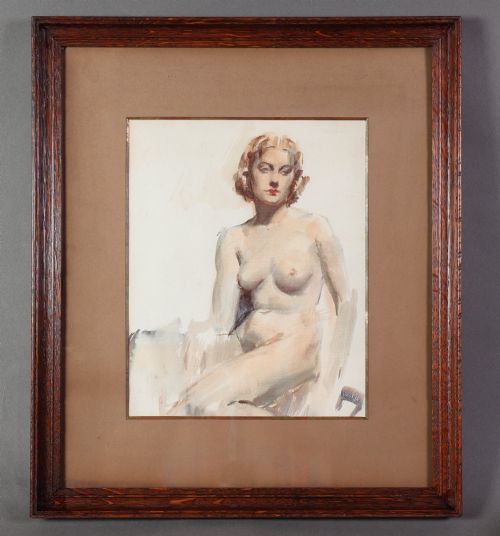
A framed life study drawing represents the core discipline of figure drawing from a live model, executed across the nineteenth and twentieth centuries. These works include academic exercises, Grand Prix submissions, and studio studies originating from British and continental European traditions.
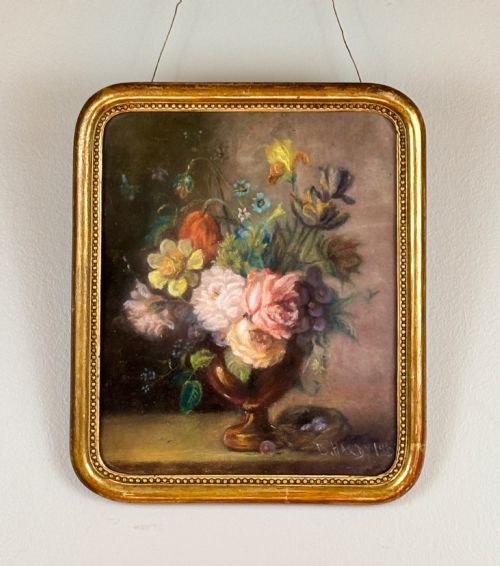
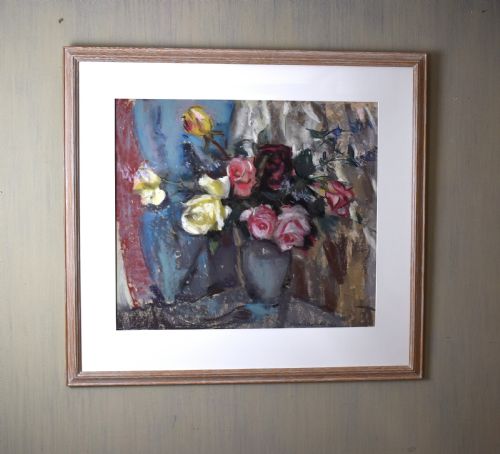
Beyond nudes, the category encompasses portraiture and still life compositions executed in pencil, chalk, and mixed media. Each piece reflects the rigorous observational standards of historical art schools and individual atelier practices.
Materials and technique
Artists relied primarily on paper supports, applying mediums such as graphite, charcoal, pastel, chalk, and grisaille pencil to build form and shadow. These works often began as rapid gesture sketches before developing into carefully rendered tonal studies.
Presentation relies heavily on protective glass and traditional framing materials including wood and gilt wood. The physical construction of the frame frequently mirrors the period of the artwork, securing the delicate paper surface for display.
Listings span the nineteenth century, Victorian era, and 1900s through the 1960s, utilising paper, charcoal, graphite, pastel, and chalk.
Assessing quality and execution
Quality rests upon the draftsman's anatomical precision, control of light and shade, and the psychological presence captured in the subject. Stronger examples demonstrate confident line work and subtle tonal graduation that reveal the artist's mastery of the medium.
The integrity of the paper and the retention of pigment vitality determine the condition of the piece. Superior works maintain crisp contrast in charcoal or graphite without excessive smudging, preserved safely beneath glass in appropriate period frames.
William Etty·Augustus John·Henry Arthur Roberts·Lucien Gibert·Winifred Eugene Ballard·Frank Dobson
The Framed Life Study Drawing Glossary
- Academic Realism
- A style of painting and drawing produced under the influence of European academies of art. It emphasises precise anatomical accuracy and traditional techniques.
- Grisaille
- A method of painting or drawing executed entirely in shades of grey or neutral greyish-brown. This technique often served as a preparatory study for oil paintings.
- Grand Prix de Rome
- A prestigious French scholarship for art students. Submissions required rigorous academic life studies demonstrating mastery of the human figure.
- Pastel
- A dry painting medium in the form of a stick, consisting of powdered pigment and a binder. It produces rich, velvety colour fields well suited to portraits and still life.
Framed Life Study Drawing: Frequently Asked Questions
What is a life study?
A life study is a drawing or painting executed directly from a live, usually nude, model to practice anatomical observation.
Historically, these served as foundational training for artists attending formal academies or private studios.
How should I hang these drawings?
Drawings executed on paper require protection from direct sunlight to prevent fading of charcoal, graphite, and pastel pigments.
Keep them away from moisture sources and ensure stable indoor temperatures to preserve both the paper and the wooden frame.
How do I date an antique drawing?
Dating relies on stylistic markers, artist signatures, paper watermarks, and the construction methods of the accompanying frame.
Academic studies often bear inscriptions, dates, or institutional stamps that connect them to specific art schools or competitions.
Are these works original art?
Yes, these are unique, hand-drawn works created directly by the artist rather than mass-produced reproductions.
Each piece records the immediate hand movements and corrective lines made during the original studio session.