



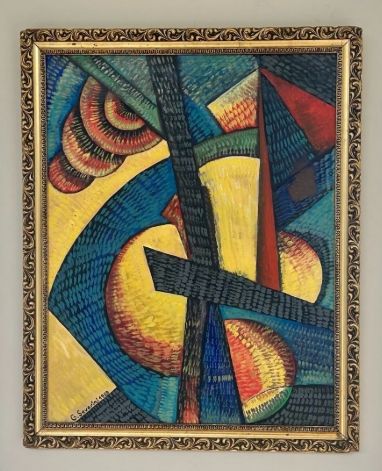


Framed Italian Print
A framed italian print brings warmth to a room through centuries of artistic heritage, architectural scenes, and classical portraits.
Framed Italian Print
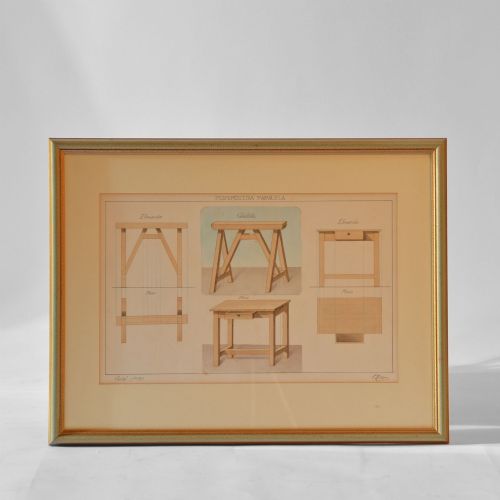
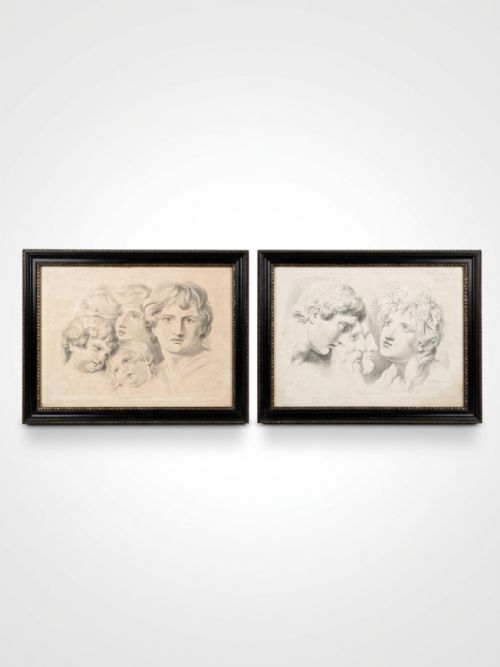
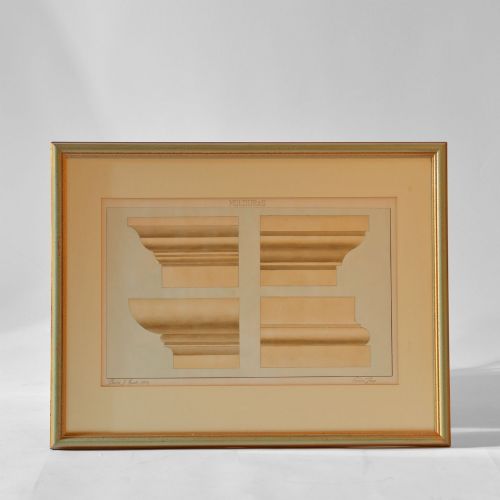
A framed italian print encompasses works ranging from 18th-century copper engravings of Vatican loggia frescoes to Edwardian watercolours of Venetian canals and mid-century posters.
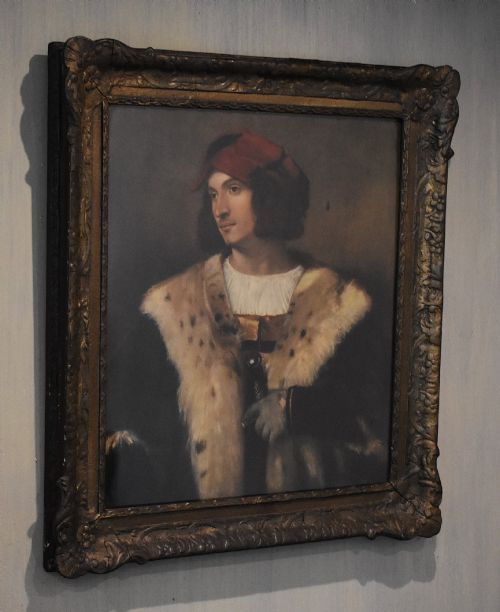
Buyers encounter everything from fine chromolithographs of Renaissance masterworks to antique regional cartography and neoclassical architectural scenes.
The objects combine historical paper or canvas with period framing, often protected by glass and accented with gold leaf or gilded wood.
Materials and construction methods
Makers utilised traditional printing techniques such as copper engraving, etching, and chromolithography on paper, alongside hand-applied watercolour and oil paint on board or canvas.
Frames employ wood and gilded wood, frequently finished with gold leaf to complement the classical and Renaissance revival styles of the artwork within.
Framed Italian Print Retail Price Guide 2026
Typical asking prices for framed italian print among the pieces listed under this phrase on Sellingantiques today, from the lower quarter to the upper quarter. They describe what is for sale here now, not the wider market.
Listings span from the 18th century through the Georgian, Edwardian, and mid-20th century periods, utilising paper, oil paint, and gilded wood.
Factors of quality
Quality rests upon the clarity of the printed line or brushwork, whether the piece is an original period engraving or a later reproduction, and the fidelity of the work to masters like Raphael or Titian.
The integrity of the frame, from period gilded wood to glass protection, contributes significantly to the overall standard of the surviving piece.
Thomas Ellison·Gino Severini·Alessandro Mocchetti·Henry Wimbush·Carlo Ferranti
The Framed Italian Print Glossary
- Chromolithography
- A colour lithographic printing technique used to produce vibrant reproductions of paintings. This method builds up rich hues through successive stone plates.
- Engraving
- A printmaking process where an image is incised into a copper or metal plate. Ink settles into the grooves to transfer fine lines onto paper.
- Neoclassical
- An artistic style drawing inspiration from the classical art and culture of ancient Greece and Rome. It dominates many architectural and figural prints from the eighteenth and nineteenth centuries.
- Oileograph
- A textured print produced on canvas to simulate an oil painting. These often feature embellishments to mimic brushstrokes.
Framed Italian Print: Frequently Asked Questions
How do I identify an 18th-century print?
Look for laid paper watermark evidence, plate marks left by the copper printing press, and traditional engraving styles depicting classical subjects like Raphael's loggia.
Examine the framing methods and any handwritten inscriptions on the reverse that often denote historical provenance.
What subjects are most common?
Venetian lagoon views, architectural scenes from Rome and Naples, religious Old Master compositions, and antique regional maps dominate the selection.
Figure studies of Italian peasants and classical portraits after Renaissance painters also appear frequently.
Are these works original or copies?
The category includes original period copper engravings, etchings, and hand-painted watercolours alongside fine vintage prints and oileographs after famous masters.
Each listing specifies the exact medium, whether an ink engraving on paper or an oil paint study on board.
How should I hang them at home?
Pair architectural engravings in symmetrical arrangements to highlight neoclassical symmetry, or group Venetian watercolours together for a cohesive gallery wall.
Keep pieces away from direct sunlight to preserve the delicate inks, watercolours, and gold leaf frames.