


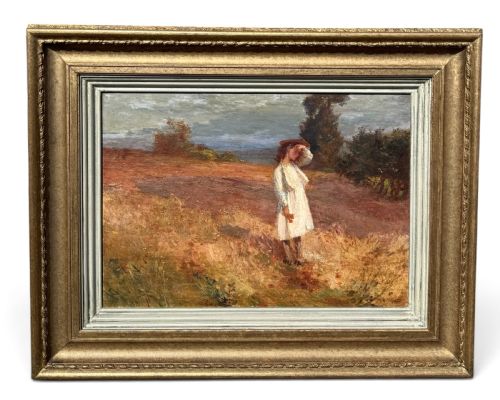
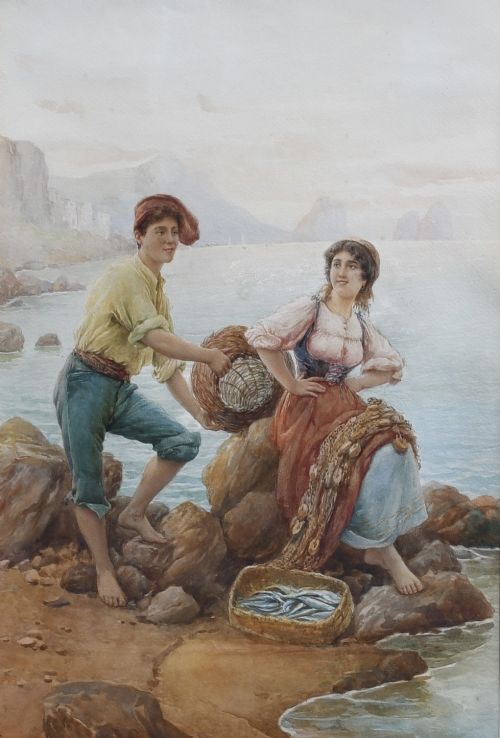
Framed Italian Landscape
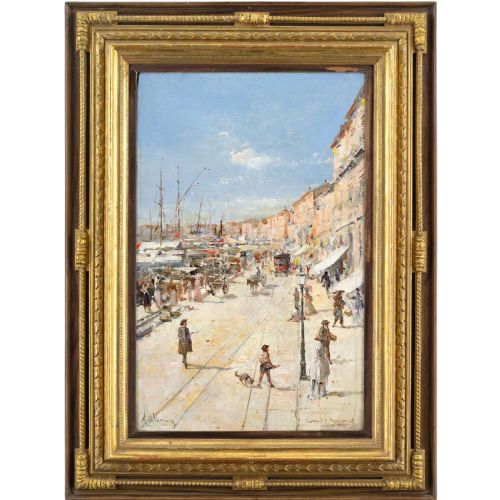
When you search for a framed italian landscape, you are looking at centuries of artistic travel, classical ruins and sunlit canals captured in wood and oil.
Framed Italian Landscape
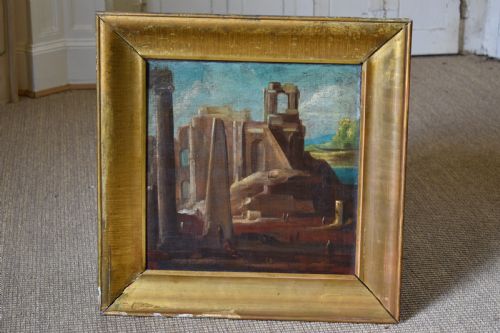
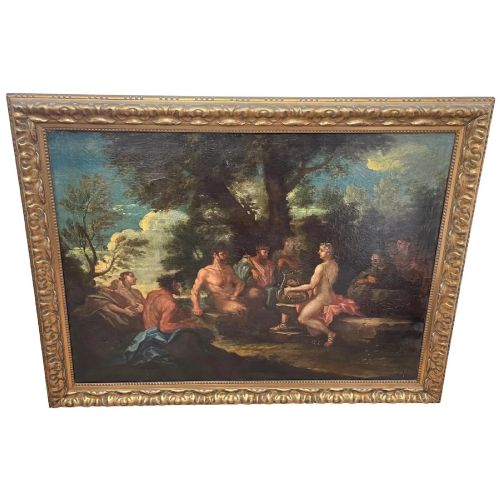
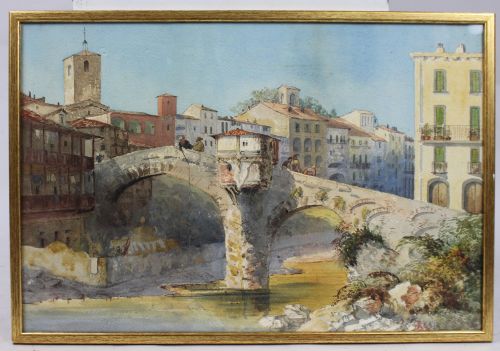
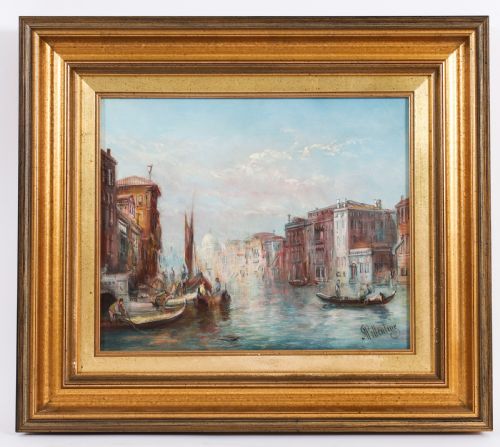
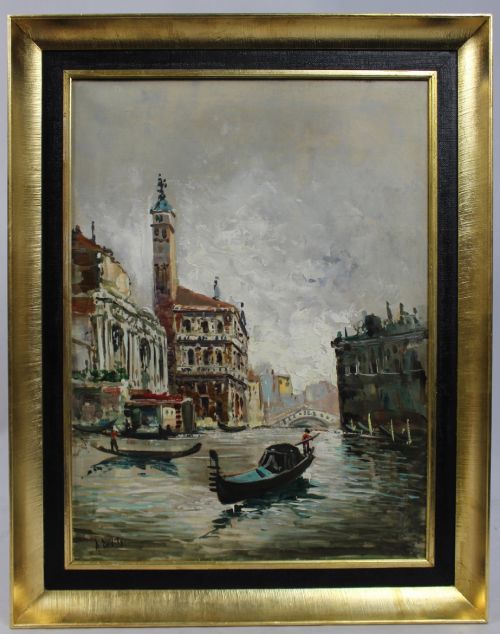
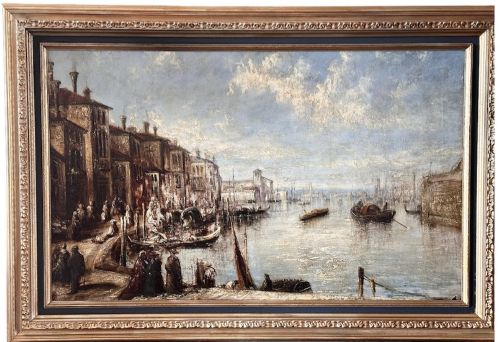
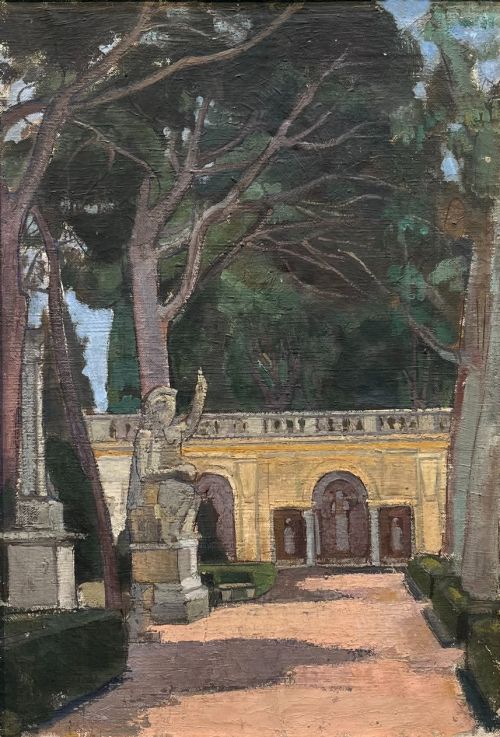
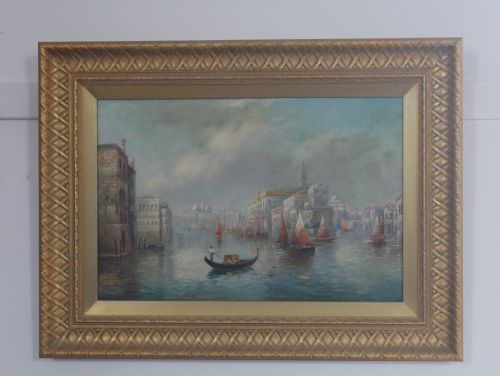
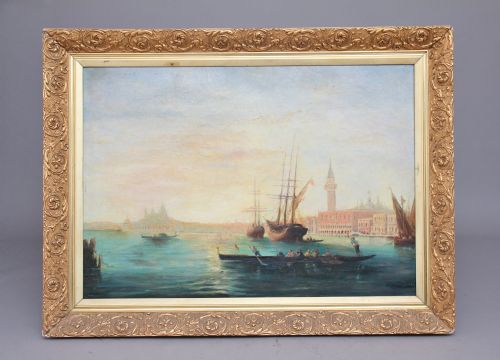
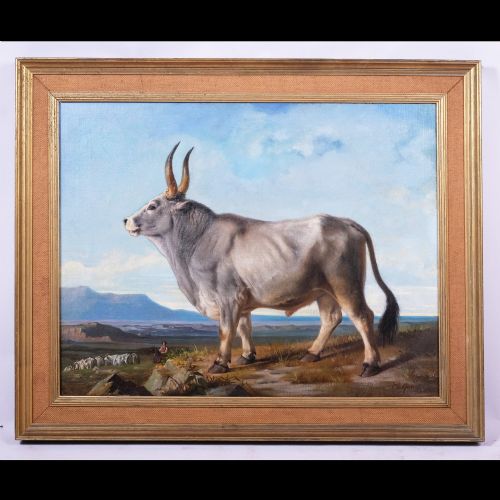
A framed Italian landscape brings the classical ruins, pastoral countryside, and bustling canals of Italy into an interior space. These works capture the Mediterranean light through various historical periods, recording everything from romanticized vistas to actual Grand Tour destinations.
Most examples found here date from the eighteenth and nineteenth centuries, often associated with the Grand Tour tradition. Subjects range from Venetian lagoons and Roman architecture to Tuscan hills, executed by both visiting foreign artists and native Italian painters.
The physical form is typically an oil painting on canvas or board, alongside delicate watercolours on paper and occasional pietra dura panels. Each piece is housed in its original or period frame, usually constructed from wood with gilded or carved detailing.
How they were made
Artists painted primarily with oil paint on canvas or panel, building rich layers that sometimes reveal underdrawing changes known as pentimenti. Watercolours on paper offered a lighter medium, frequently employed by travellers recording specific sites during the nineteenth century.
Supports were enclosed in frames fashioned from wood, utilising giltwood and gilded finishes to enhance the visual depth of the artwork. These frames often match the period of the painting, featuring ornate mouldings characteristic of nineteenth-century craftsmanship.
The selection includes prominent depictions of Venetian canals, Roman architecture, and Tuscan pastoral scenes executed on canvas, board, and paper.
What varies in quality
The standard of execution in a framed Italian landscape rests upon the skill of the brushwork and the accuracy of atmospheric perspective. Works by named nineteenth-century artists or established schools demonstrate superior control over light, shadow, and architectural proportion compared to anonymous souvenirs.
Frame integrity and originality heavily influence the overall character of the piece. Period frames that retain their original gilding and joinery complement the artwork far better than later replacements.
Thomas Ellison·Augusto Alberici·Alfred Pollentine·Antonio DeVity·Francis Moltino·Umberto Volpato·Carlo Ferranti·Robert George Talbot Kelly·Jan Miel·Giovanni Paolo Panini·Claude Lorrain·Giulio Cecchini·Claude Jousset·F.D. Campo·William Raymond Dommersen·Franz Knebel·Antonietta Brandeis·Francesco Zuccarelli·Jane Vivian
The Framed Italian Landscape Glossary
- Grand Tour
- A traditional trip through Europe undertaken by upper-class young European men of means in the seventeenth, eighteenth, and nineteenth centuries to flourish their education and taste.
- Pietra dura
- An artistic technique of using cut and fitted, highly polished coloured stones to create images. This inlay work appears on decorative panels framed for display.
- Pentimento
- A visible trace of earlier painting beneath a layer or layers of paint, showing that the artist changed their mind during the creation of the work.
- Giltwood
- Wood that has been treated with gold leaf or gold paint to give a metallic, reflective surface finish. This material is standard for period frames enclosing fine art.
- Pastoral art
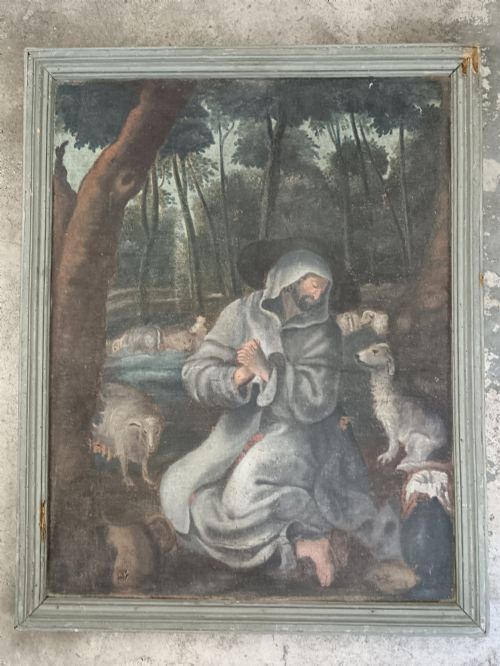
- A genre depicting rural life, shepherds, and idealized countryside scenes, often populated with classical ruins and calm lakes.
Framed Italian Landscape: Frequently Asked Questions
What is a Grand Tour painting?
A Grand Tour painting is a historical artwork acquired by travellers touring European cultural centres during the eighteenth and nineteenth centuries. These pieces typically depict famous views of Venice, Rome, or Naples.
Such works served as tangible proof of travel and education, bringing classical architecture and Mediterranean landscapes back to British homes.
Where were these landscape watercolours created?
Watercolours were frequently produced on location in Italy by travelling artists recording specific historical sites. Common subjects include the Forum of Nerva, Lake Como, and Venetian canals.
These portable works allowed artists to capture rapid shifts in natural light before finishing them for sale to tourists.
How should I display an antique landscape?
Antique framed art requires stable environmental conditions away from direct sunlight and excessive humidity. Wall placement should protect both the canvas and the delicate gilding of the original frame.
Proper hanging ensures the structural integrity of the wooden backing and prevents warping over time.