
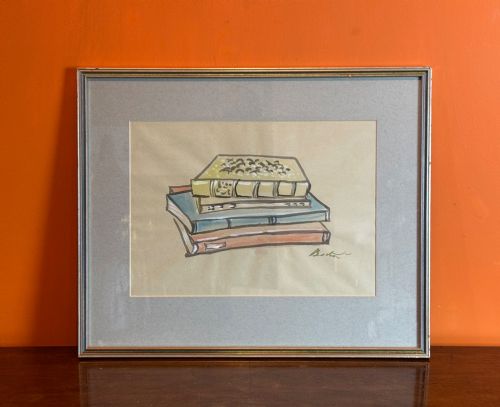
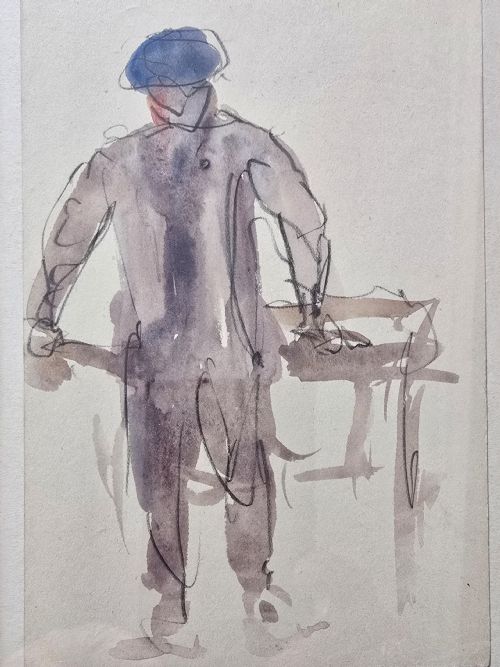


Framed Ink Artwork
Framed ink artwork brings together centuries of draughtsmanship, preserving delicate lines and washes behind glass in traditional wood frames.
Framed Ink Artwork
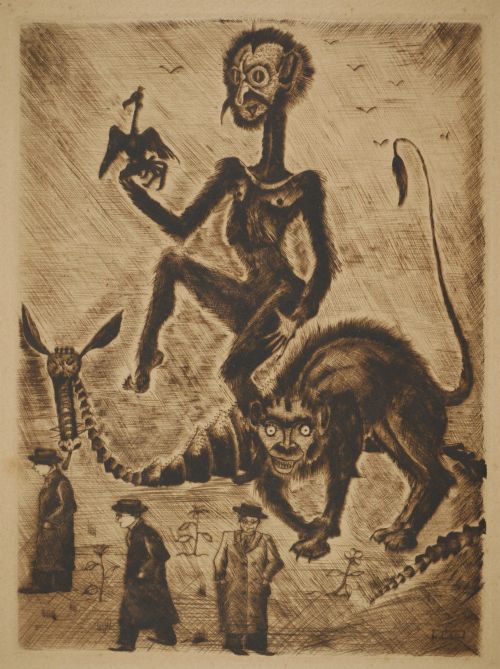
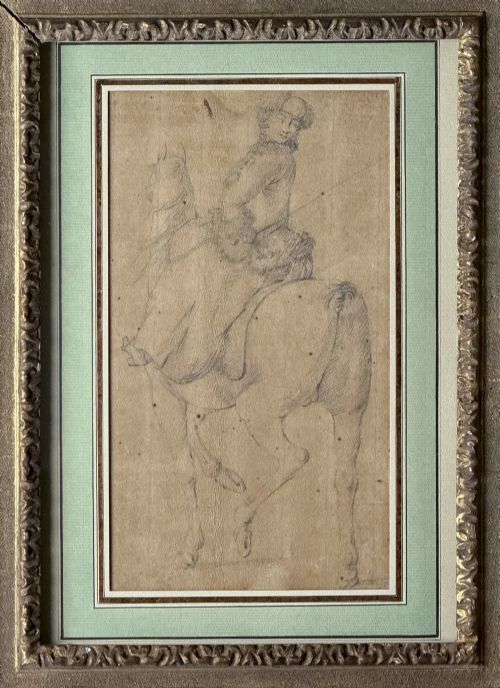
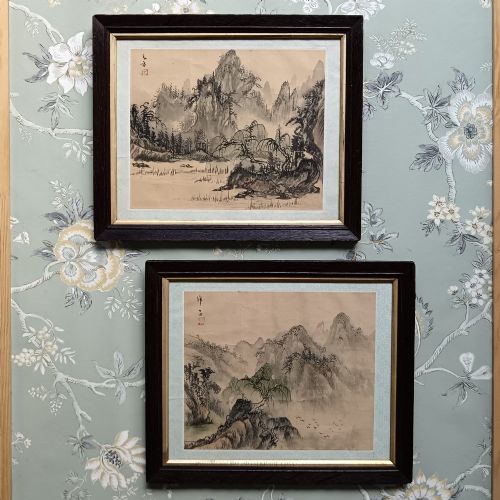
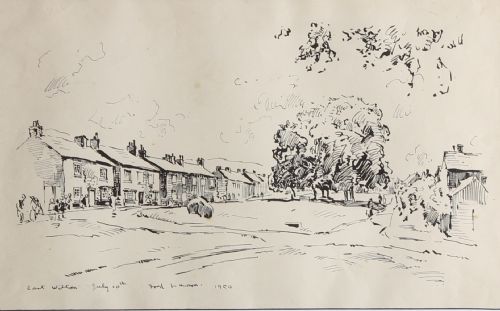
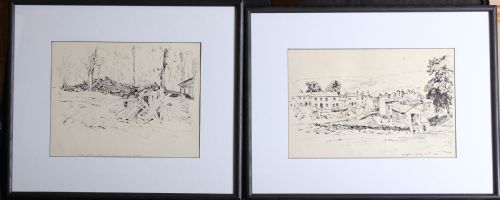
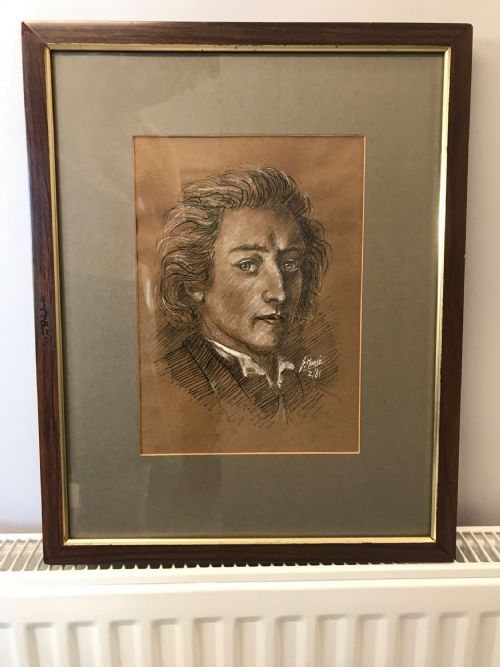
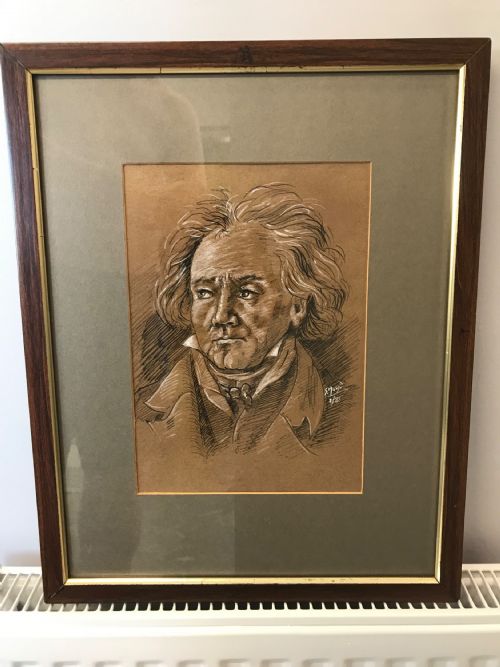
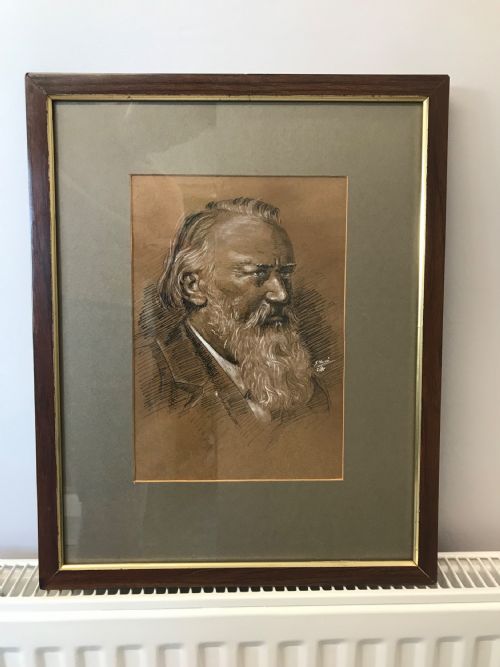
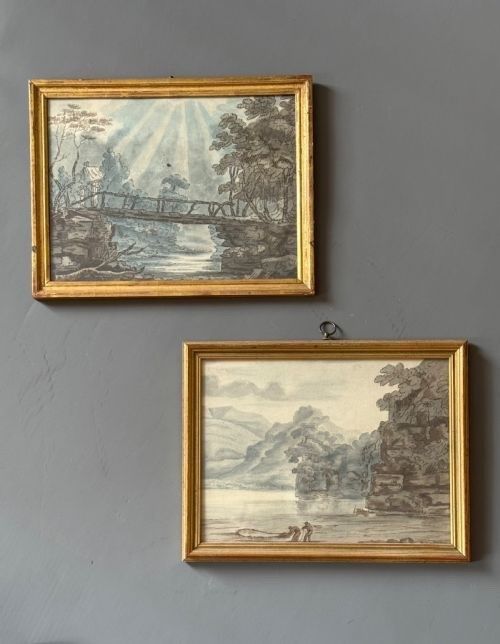
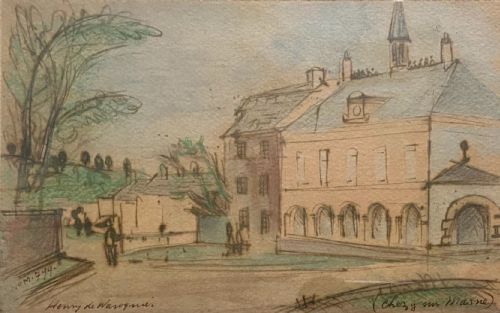
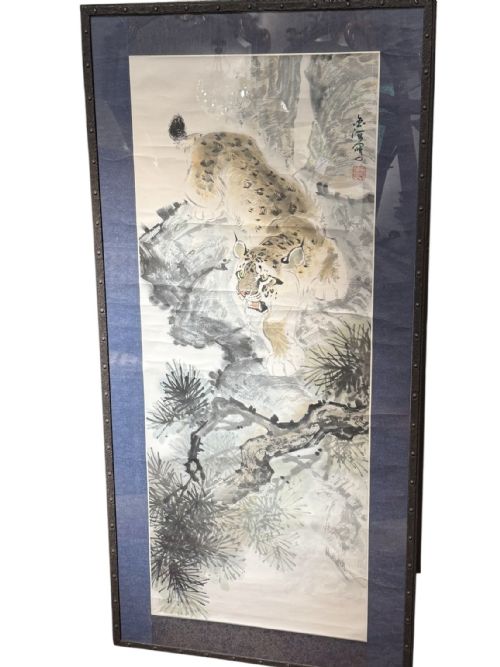
When you search for framed ink artwork, you encounter everything from stark pen-and-ink sketches and preparatory studies to mixed-media landscape drawings enhanced with watercolour or gouache. The selection spans the eighteenth, nineteenth, and twentieth centuries, taking in British topographical views, French theatrical figures, and classical portraits alongside Asian scroll paintings and silk works.
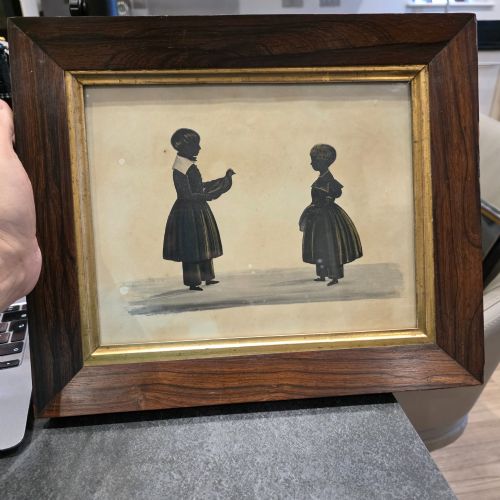
You are most likely to meet mid-twentieth-century British landscape drawings, Victorian silhouettes, and twentieth-century European portrait studies on this page. These pieces arrive ready to hang, retained in wood frames that often preserve the original character and age of the paper supports beneath glass.
Materials and execution
The works rely upon paper, ink, and occasionally gouache or watercolour pigments applied by hand, capturing spontaneous line work and tonal washes. These fragile supports require the protection of glass and a sturdy wood frame to preserve the ink from fading and the paper from environmental damage.
Execution ranges from rapid preparatory sketches and fine line drawings to detailed topographical landscapes and traditional Chinese silk paintings. Each piece demonstrates the distinct handling of the pen or brush by the artist, whether creating sharp architectural studies or soft portrait washes.
Louis Wain's mischievous pen and ink drawings remind us that Victorian artists found endless inspiration in the eccentricities of cats.
Judging quality in ink works
Quality rests upon the sureness of the draughtsman's line and the expressive strength of the composition, where hesitation or clumsy ink flow diminishes the impact. Stronger examples display confident mark-making that defines form and shadow with economy and precision.
The preservation of the paper support and the originality of the framing also influence the standing of a piece. Works that retain their period mounts and untouched paper integrity command greater appreciation from collectors than those compromised by heavy restoration or severe fading.
Kurt Lorein Victor Peiser·Fred Lawson·Henry de Waroquier·Cecil Beaton·Michael Healy·James Tower·Anne Goldthwaite·Alfred Dehodencq·Herbert Dicksee·Stanley Orchart·William Edward Frost·Louis Wain·Augustus Edwin John·Lucien Freud·James Dobie·Pio Panfili·Dame Laura Knight
The Framed Ink Artwork Glossary
- Gouache
- An opaque water-based pigment used alongside ink to build solid areas of colour and highlight details. It provides a heavier, matt finish compared to translucent watercolour.
- Wash
- A thin, transparent layer of diluted ink or watercolour applied with a brush to create tonal depth and shadow behind crisp pen lines.
- Preparatory study
- A preliminary drawing executed by an artist to plan a larger composition, painting, or print. These works capture immediate artistic intent before final execution.
- Silhouette
- A solid, dark profile portrait cut from paper or painted in ink, popular during the eighteenth and nineteenth centuries. They record likenesses through outline alone.
- Support
- The physical material, such as paper or silk, upon which the ink artwork is executed. Its age, texture, and condition directly affect the longevity of the piece.
Framed Ink Artwork: Frequently Asked Questions
How should I hang framed ink artwork?
Position your framed ink artwork away from direct sunlight to prevent the ink and paper support from fading over time. Maintain a stable room temperature to protect both the antique frame and the fragile materials within.
Use secure picture hooks suited to the weight of the wood frame and glass. Hang the piece at eye level to properly appreciate the fine details of the pen work.
Are these drawings original or prints?
The selection includes both original hand-drawn works on paper and period prints or etchings. Individual listings specify whether an item is an original pen-and-ink drawing or a printed multiple.
Original drawings show the actual brush strokes, ink pooling, and paper texture unique to the artist's hand. Prints display the even ink distribution and plate marks characteristic of reproduction techniques.
How do I identify the period of a drawing?
Dating relies upon the paper type, framing style, costume details in figurative subjects, and the artist's recorded active dates. Eighteenth-century works often feature heavier, laid papers with distinct watermarks.
Twentieth-century pieces tend to show modern framing methods and paper stocks. Comparing the stylistic conventions of the drawing to known historical periods helps confirm the era.
What is mixed media in these artworks?
Mixed media refers to drawings that combine ink with watercolour, gouache, or wash on the same paper support. Artists utilised this combination to add colour and atmospheric shadow to linear sketches.
These pieces require the same careful framing behind glass to protect the varied water-soluble pigments. The interplay between sharp ink lines and softer washes creates enhanced visual depth.