


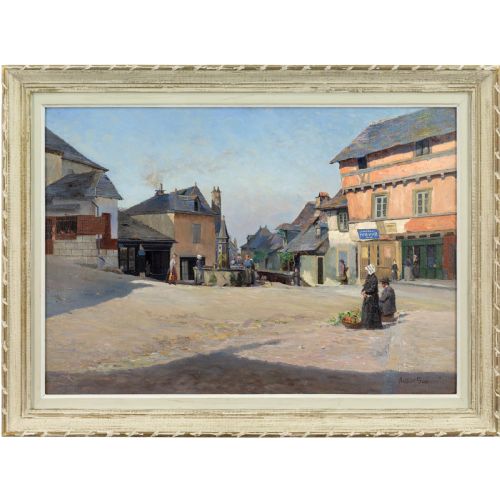
Framed Impressionist Canvas Painting
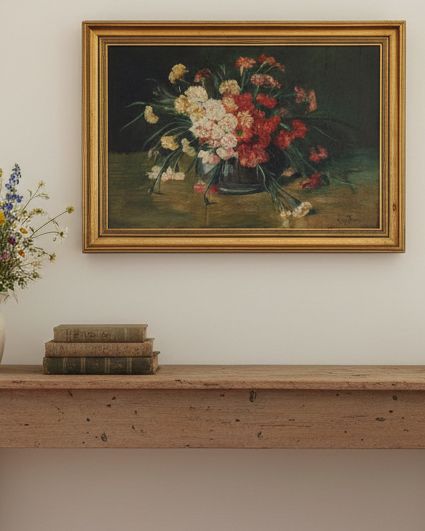
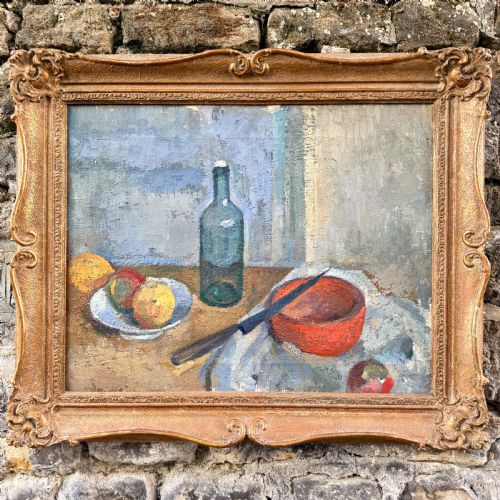
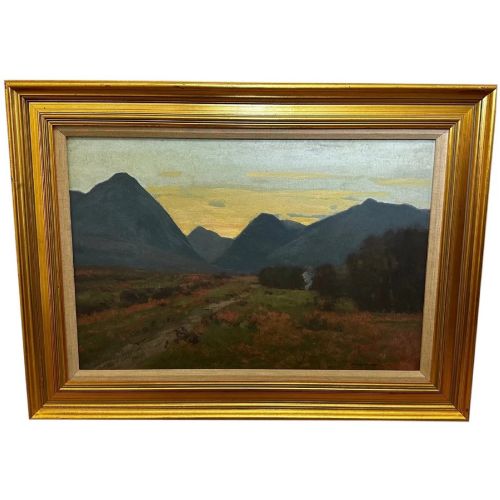
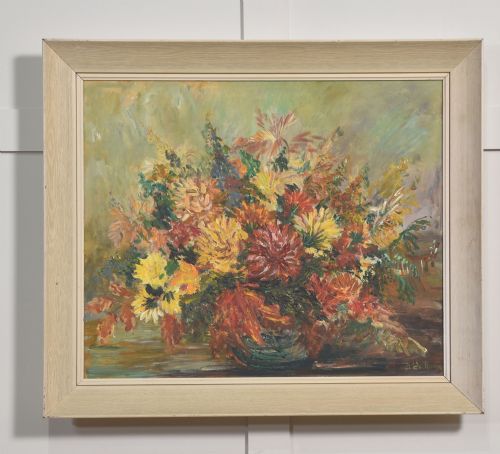
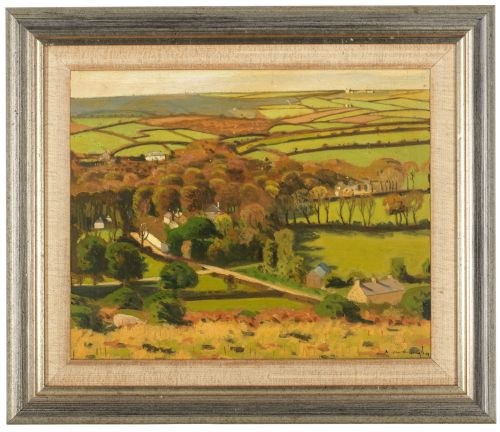
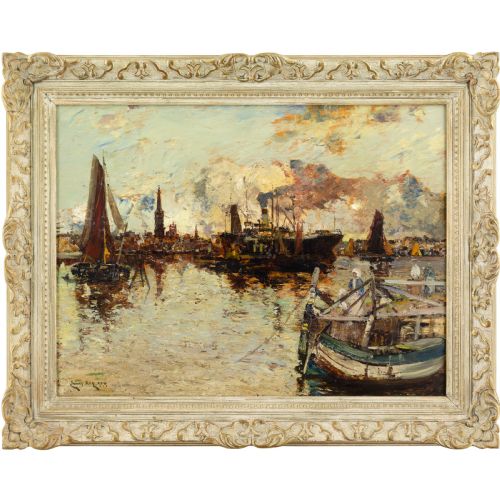
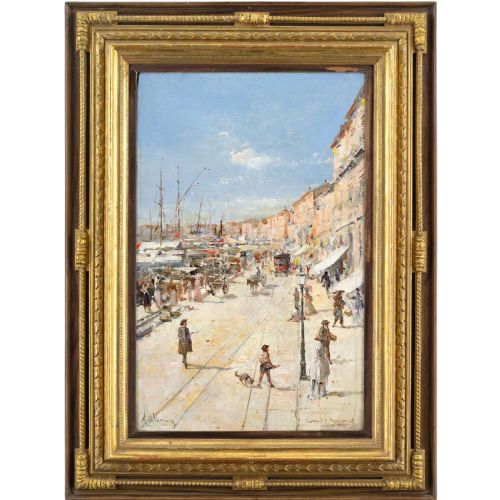
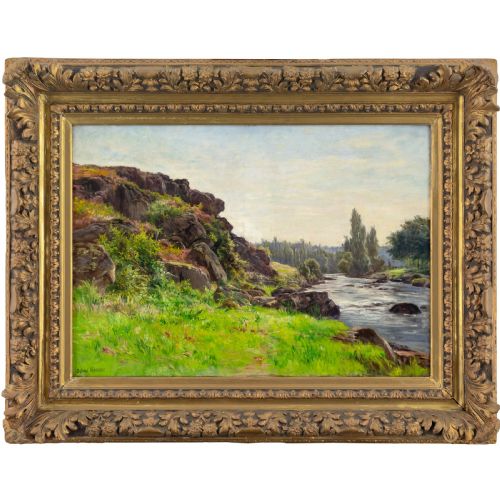
A framed impressionist canvas painting brings light and texture into a room through confident brushwork and oil pigments.
Framed Impressionist Canvas Painting
A framed impressionist canvas painting captures fleeting moments of light, atmosphere, and movement through loose brushwork and layered oil paint. When searching this phrase, a buyer encounters works spanning from the late nineteenth century through the mid-twentieth century and later periods.
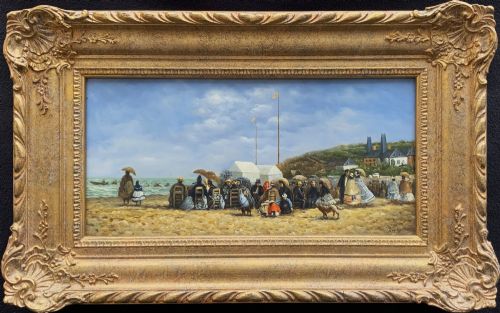
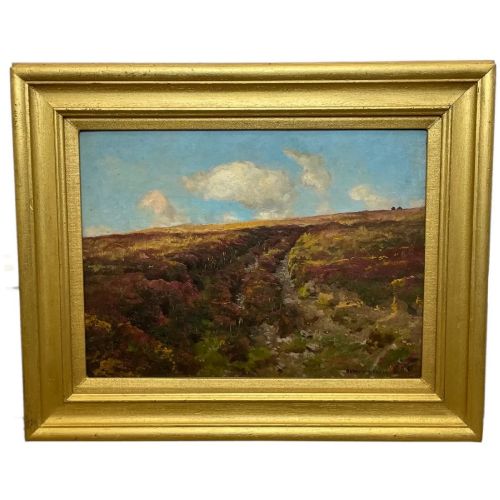
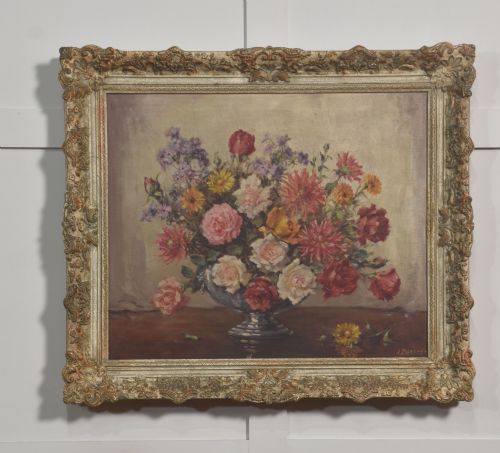
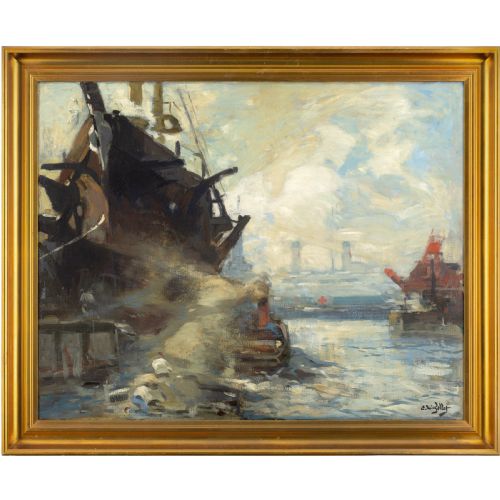
The subjects on this page range widely from serene marine landscapes and bustling harbour scenes to floral still lifes, coastal views, and intimate interior portraits. Most pieces arrive ready to hang within their original or period-matched frames.
Makers and painters represented here include notable figures working within British, French, Italian, and Dutch traditions, alongside diverse regional schools. The combination of oil on canvas and wood framing defines the standard physical format of these works.
How they were made
Artists built these compositions using oil paint applied directly to woven canvas supports, frequently employing thick impasto to catch the ambient light. This technique allows individual brush strokes to remain visible on the surface, emphasising texture and immediacy over smooth academic finish.
Enclosing these canvases required substantial woodwork, often incorporating decorative gesso details and gilt finishes to complement the painted palette. The frame acts as both a structural border and a visual transition between the artwork and the surrounding wall.
Several canvases capture cows, sheep, and dogs quietly sharing the landscape with human visitors.
What varies in quality
The strength of a composition lies in the artist's handling of light, shadow, and tonal harmony across the canvas. Stronger examples demonstrate confident spatial depth and purposeful brushwork that bring vitality to subjects like seascapes or still lifes.
Frame craftsmanship also differentiates the works, with hand-carved gilt wood mouldings providing a more integrated presentation than plain or later replacements. Preservation of the original canvas and stable paint layers ensures the visual integrity of the piece remains intact over time.
George Graham·Clifford Hanney·Arthur Wardle·Eugène-Louis Gillot·George Houston·Robert Morson Hughes·James Kay·Augusto Alberici·Gabriel Mathieu·Arthur Gué·G J S Bary·John Lübschitz·Lucy Pratt·Antonio DeVity·Clive Browne·Paul Bret·Konstantin Stoitzner·Ethel Sands·Emma Fordyce MacRae·Charles Stuart Forbes·Eric Brown·Gladys Marguerite Baker·Willem Bos·Henri Ottmann
The Framed Impressionist Canvas Painting Glossary
- Impasto
- Paint applied thickly to a canvas, standing out in relief from the surface. This technique adds tactile dimension and catches light directly.
- Gesso
- A plaster-like mixture applied to wood frames to create a smooth surface for gilding. It provides the foundation for ornate decorative mouldings.
- Post-Impressionism
- An artistic movement following impressionism that retains vivid colours and thick paint application while exploring emotional depth. Painters in this tradition emphasised structural form and symbolic content.
- Still life
- An artwork depicting inanimate subject matter, typically everyday objects or floral arrangements. These compositions focus closely on light falling across natural forms.
- Provenance
- The documented history of ownership associated with an artwork. Clear provenance supports the attribution and authenticity of a signed piece.
Framed Impressionist Canvas Painting: Frequently Asked Questions
How do I hang a heavy framed canvas?
Heavy oil paintings require sturdy wall fixings anchored directly into wall studs or masonry using appropriate picture hooks. Ensure the hanging wire and D-rings on the back of the frame are secure before mounting.
Position the artwork at eye level to achieve the best visual balance in your living space, keeping it away from direct heat sources that might affect the canvas.
Are these paintings original artworks?
The listings consist of original hand-painted works created directly by artists using oil paint on canvas supports. Each piece represents a unique execution rather than a mass-produced reproduction or print.
Signatures, artist ciphers, and period framing details help verify the individual origin of each painting.
What framing styles accompany these works?
Many works retain their period wooden frames, which often feature gilt surfaces and moulded gesso decoration. These surrounds were chosen to complement the artistic style of the specific decade.
Some frames show minor historical wear that aligns with their age and adds character to the overall presentation.