


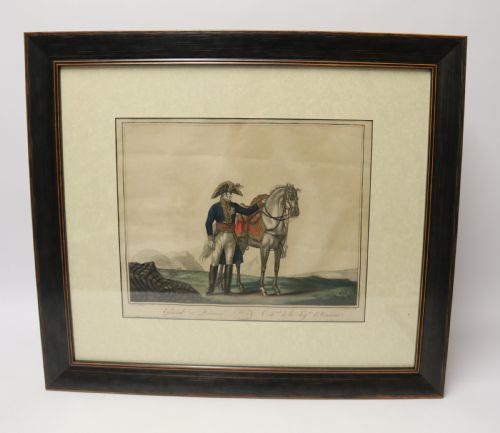
Framed Horse Engraving
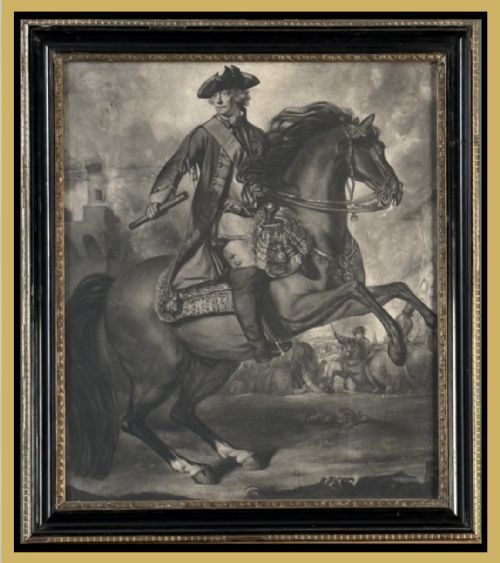
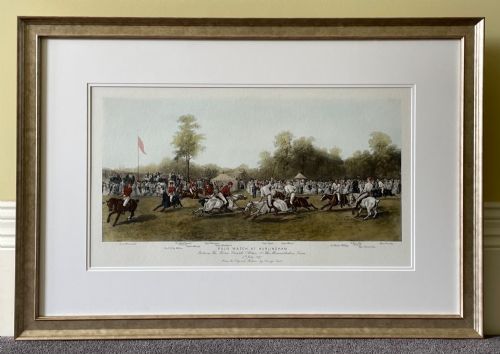
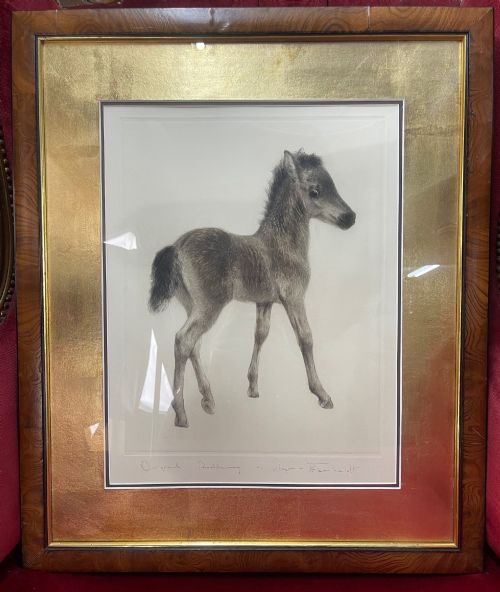
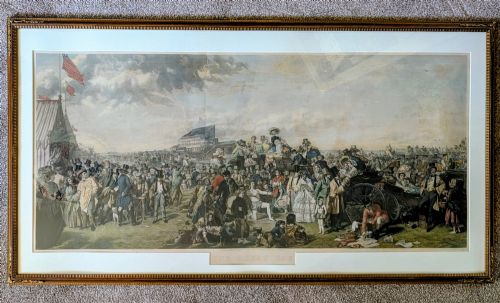
A framed horse engraving brings centuries of equestrian spirit to a wall, capturing the energy of the racecourse and the hunt.
Framed Horse Engraving
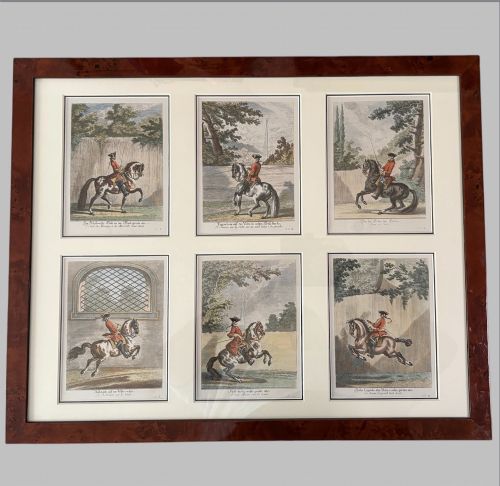
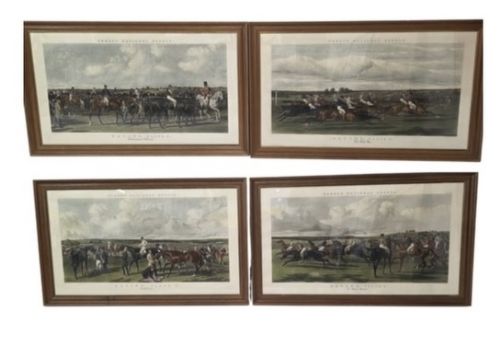
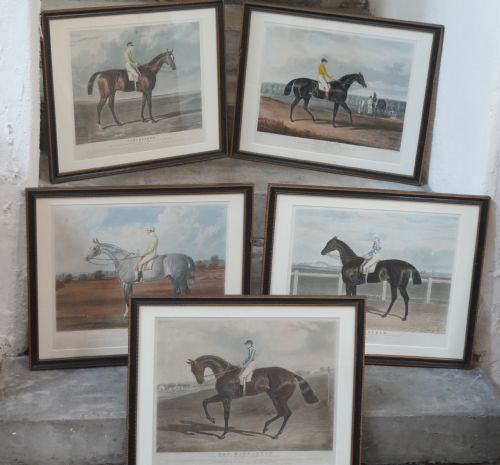
A framed horse engraving represents a dedicated branch of sporting art, spanning the Georgian, Victorian, and later periods. These works capture everything from racing scenes and dressage to individual equine portraits under glass.
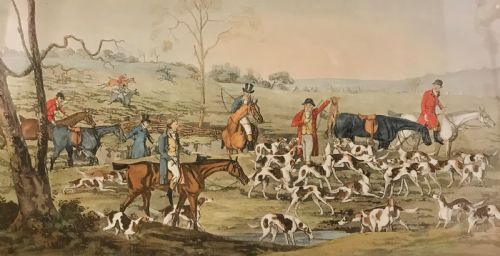
The pieces appearing on this page range from hand-coloured copperplate prints created in the mid-eighteenth century to nineteenth-century lithographs and aquatints. Collectors frequently encounter sets of racing or hunting scenes alongside single framed plates.
Originating predominantly from British and European workshops, these works reflect the social and sporting preoccupations of their eras. A framed horse engraving typically preserves the fine line work of the original printing plate within period wooden or gilt frames.
What separates the grades
Quality rests upon the crispness of the impression pulled from the plate and the subtlety of any hand-applied watercolour. Early impressions retain sharp detail in the musculature of the horse and the texture of the jockey's silks.
The integrity of the framing materials also distinguishes the pieces, with period wood and original glass carrying more historical weight than later replacements. Sets that remain complete and uniform in their presentation command distinct attention.
Some horses depicted in these antique prints look distinctly haughty, as though they know they cost more than the stable boy.
Edward Fisher·Sir Joshua Reynolds·Kurt Meyer-Eberhardt·William Powell Frith·Ridinger·Victor Adam·J F Herring
The Framed Horse Engraving Glossary
- Engraving
- A printmaking technique where an artist cuts lines into a metal plate with a burin to hold ink. This method produces crisp, permanent lines that define the subject under magnification.
- Aquatint
- A printmaking method that creates tonal areas resembling watercolour washes on paper. It often appears in sporting art alongside linear engraving to render skies and ground textures.
- Lithograph
- A planographic printing process based on the antipathy of grease and water, widely used for nineteenth-century sporting scenes. This technique allows for fluid, painterly lines across the printed surface.
- Mezzotint
- A tonal printmaking process where the copper plate is roughened to achieve rich darks and subtle gradations of light. Portraits and major horse subjects frequently utilised this method for dramatic depth.
- Hand coloured
- The process of applying watercolour or tint by brush to a finished monochrome print. Eighteenth and nineteenth-century publishers employed workshops of colourists for this task.
Framed Horse Engraving: Frequently Asked Questions
How do I date a horse engraving?
Dating relies on a combination of paper characteristics, printing techniques, and stylistic clues within the imagery. Typography, margins, and publisher imprints often provide specific clues to the decade of creation.
Framing materials and backing papers also offer valuable evidence regarding the age of the overall object.
Were these printed in colour originally?
Most antique equestrian prints started life as monochrome impressions pulled from copper plates or lithographic stones. Publishers then employed skilled colourists to apply watercolour washes by hand.
Single-colour impressions, such as black or sepia ink on paper, remained common throughout the eighteenth and nineteenth centuries.
How should I hang these prints?
Protection from direct sunlight is essential to prevent the fading of both the ink and any hand-applied watercolour. Maintaining stable indoor humidity prevents paper cockling and protects the wooden frames.
Securing the frame with appropriate wall fixings ensures the glass and old wooden structure remain supported safely.
What is the difference between an engraving and a lithograph?
An engraving is printed from incised lines cut into a metal plate, resulting in a distinct indentation or platemark on the paper. A lithograph is printed from a flat stone or metal surface treated chemically to accept ink.
Under close inspection, engravings show sharp, raised ink lines, whereas lithographs display a smoother grain formed of tiny dots.