


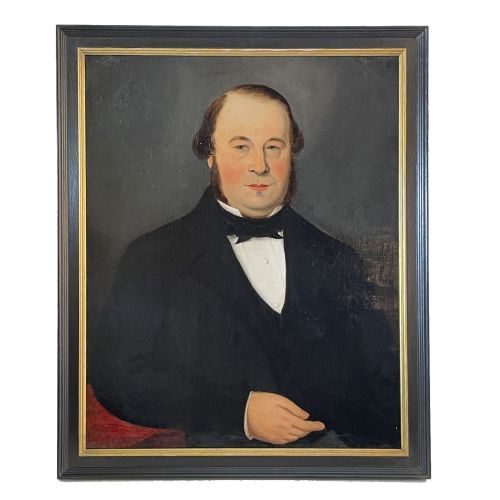
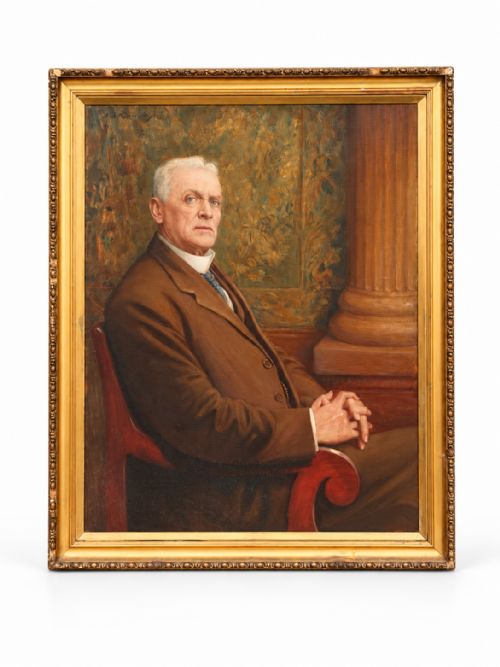
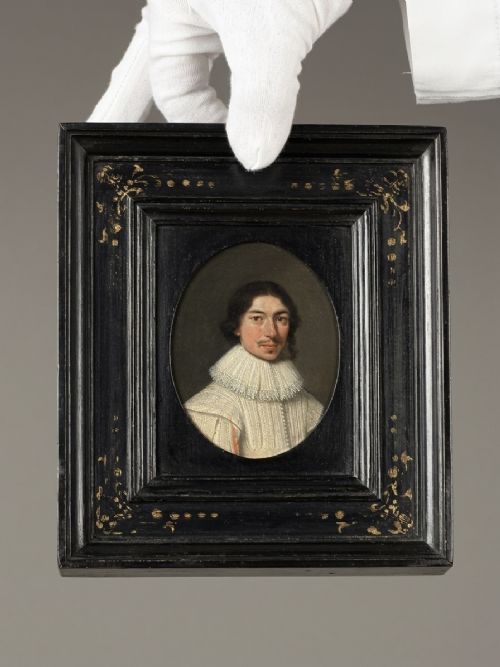
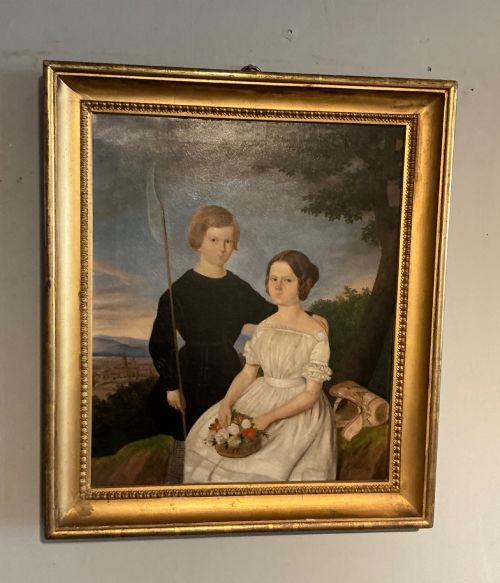
Framed Historical Painting
When buying a framed historical painting, you are investing in centuries of captured portraiture and narrative art mounted in period frames.
Framed Historical Painting
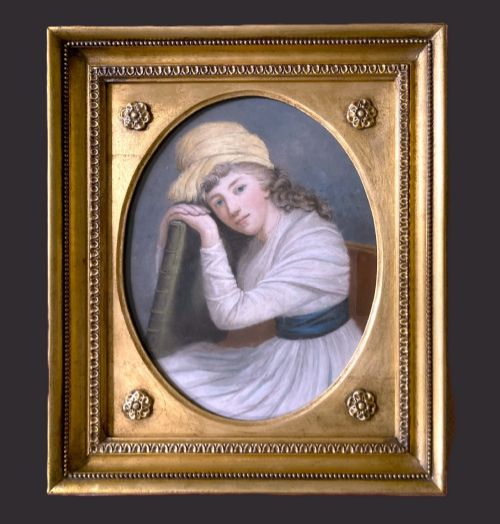
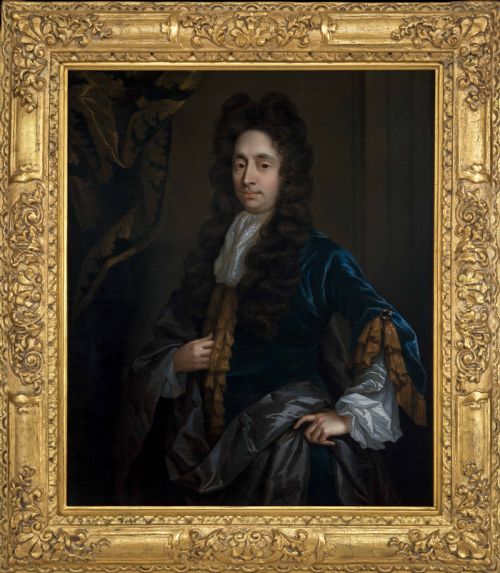
A framed historical painting brings centuries of portraiture and narrative art into a domestic space, capturing significant figures and events across periods from the seventeenth century onward.
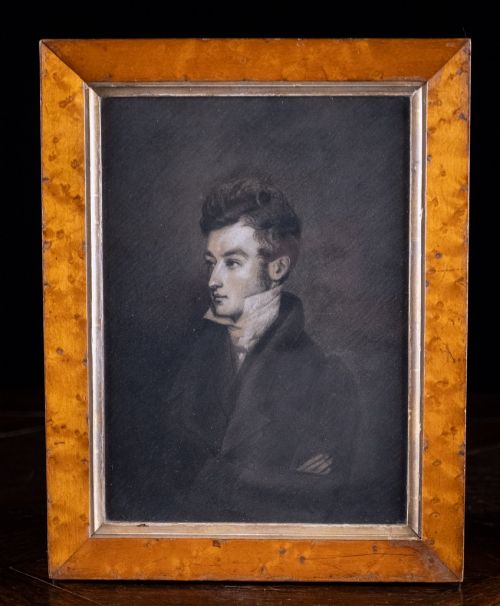
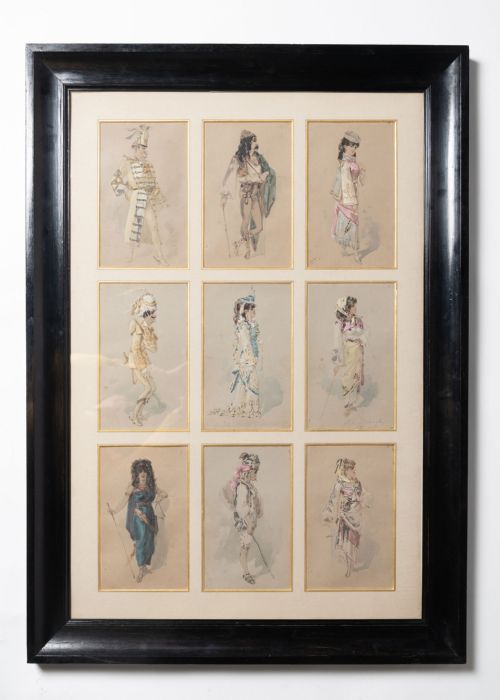
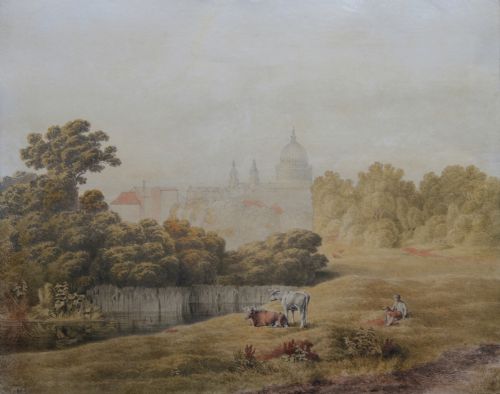
The selections available here frequently feature oil on canvas and delicate watercolours, spanning Georgian, Victorian, and Baroque styles.
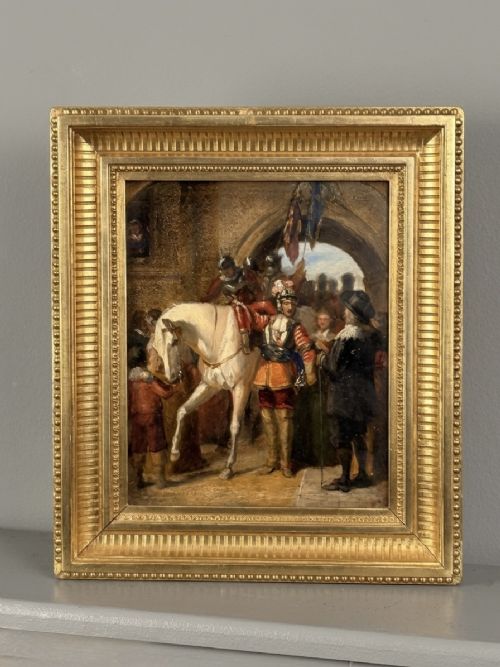
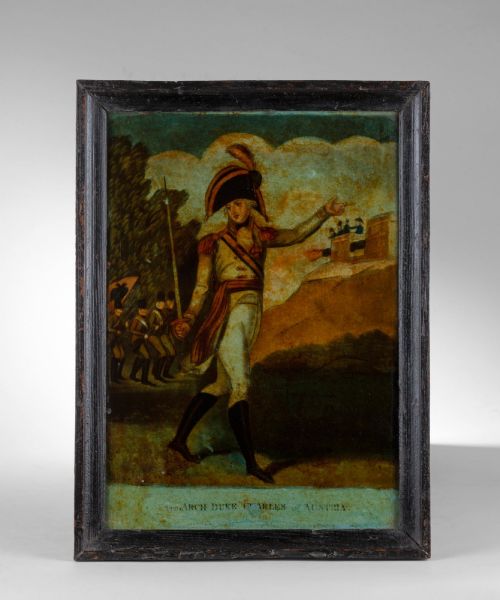
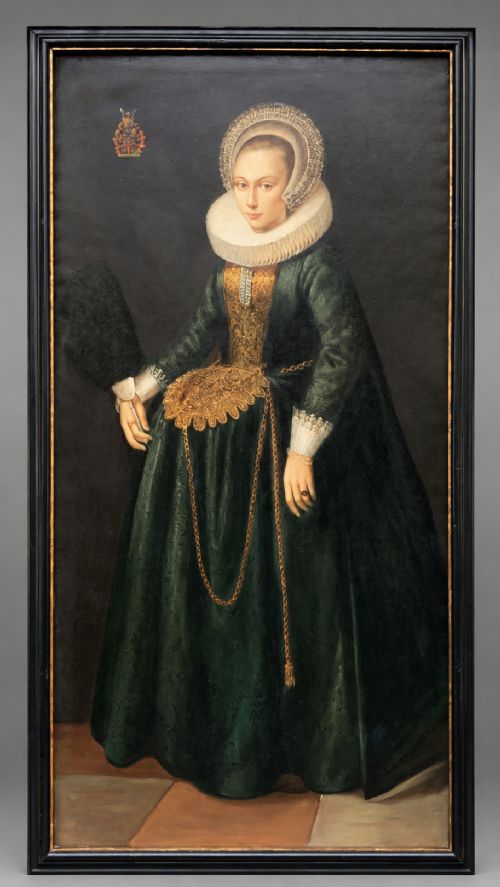
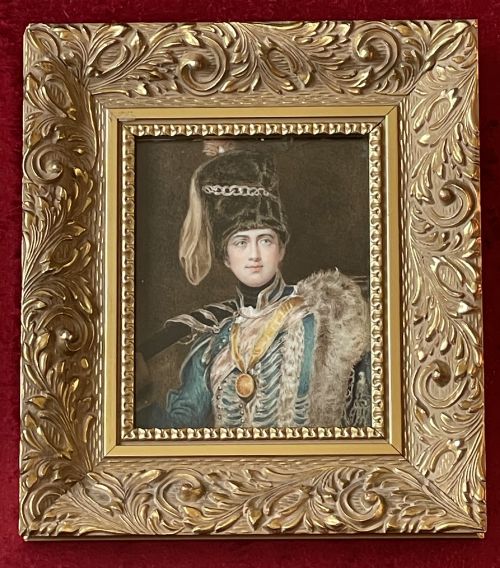
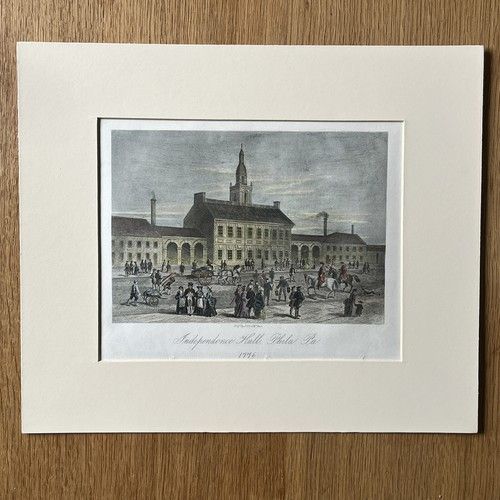
Buyers will encounter formal oil portraits of nobility alongside maritime scenes and painted miniatures, often housed within giltwood or wood frames.
Materials and Construction
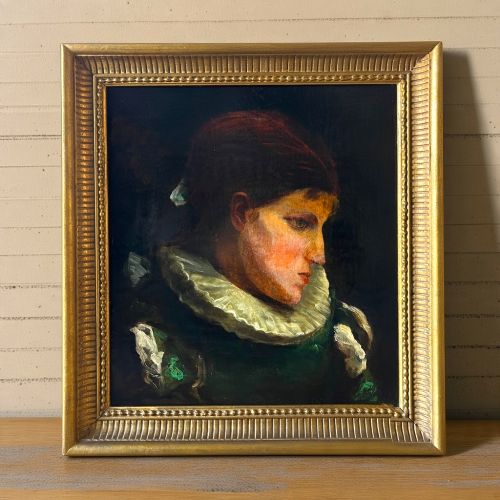
Painters applied oil and watercolour pigments to prepared canvas, wood panels, or paper supports, frequently building up intricate details like ruff collars and satin sleeves.
Frames utilise carved wood and applied gold leaf or gilt, creating ornate borders that complement the artistic style of the period.
Portraits and maritime views rely on traditional layering techniques, ensuring the preservation of brushwork and colour over hundreds of years.
Framed Historical Painting Retail Price Guide 2026
Typical asking prices for framed historical painting among the pieces listed under this phrase on Sellingantiques today, from the lower quarter to the upper quarter. They describe what is for sale here now, not the wider market.
Several noble subjects gaze out across the centuries wearing remarkably intricate ruff collars that demand serious starch.
Evaluating Quality and Execution
Quality rests in the precision of the brushwork and the anatomical accuracy of the figures, distinguishing studio masterworks from simpler provincial copies.
The handling of light, fabric texture, and facial expression separates refined compositions from mechanical or formulaic workshop repetitions.
The integration of the artwork with its original or period-appropriate giltwood frame significantly influences the overall integrity of the piece.
Sir Godfrey Kneller·Sir Joshua Reynolds·Cornelius Johnson·Lemuel Francis Abbott
The Framed Historical Painting Glossary
- Giltwood
- Wood carved and coated with gold leaf or metallic paint. This material creates the bright, reflective borders common on formal portrait frames.
- Oil on Canvas
- Pigment mixed with drying oils applied to a stretched cloth support. This technique allows for rich colour blending and durability over centuries.
- Portrait Miniature
- A small, highly detailed painting on paper or vellum, often framed closely for intimate viewing. These works frequently depict specific historical figures or family members.
- Baroque
- An artistic style characterised by drama, tension, and grand scale. This aesthetic appears frequently in seventeenth-century European portraiture and narrative scenes.
- Panel Painting
- Artwork executed on a flat piece of wood rather than canvas. This solid support was favoured in earlier centuries before canvas became dominant.
Framed Historical Painting: Frequently Asked Questions
How do I hang a heavy framed painting?
Heavy oil paintings require secure wall anchors and appropriate picture wire fixed directly to the frame or stretcher bars.
Ensuring the weight is distributed evenly prevents structural damage to both the wall and the artwork over time.
Where should I place these paintings at home?
Display these works away from direct sunlight and moisture sources to protect the canvas, paper, and giltwood frames.
Stable indoor temperatures help prevent the wood panels and canvases from warping or cracking in dry conditions.
How do I identify the period of a frame?
Frame styles often align with the era of the painting, featuring specific moulding profiles, corner ornaments, and gilding techniques.
Examining the construction joints and backing materials provides further clues regarding the age of the housing.
What is the difference between oil and watercolour?
Oil paint uses drying oils to bind pigments on canvas or wood, offering rich textures and deep colour layering. Watercolour uses water-soluble binders on paper, creating translucent washes that require protective glass framing.