



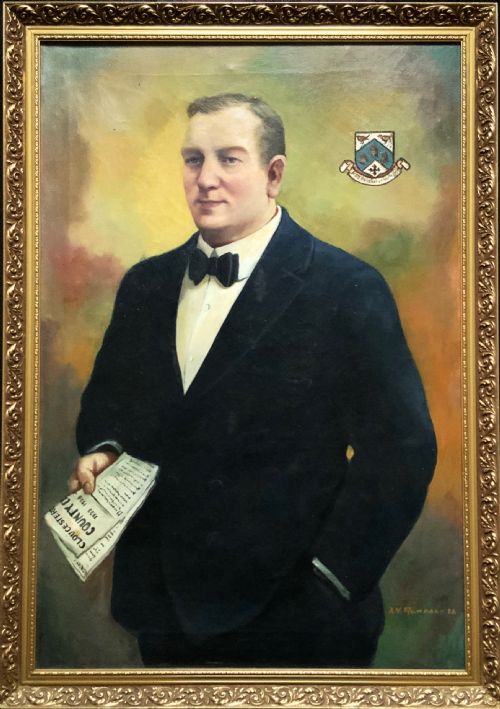


Framed Heraldic Crest
These framed heraldic crest pieces are historic armorial works that bring centuries of lineage and craft directly to your wall.
Framed Heraldic Crest
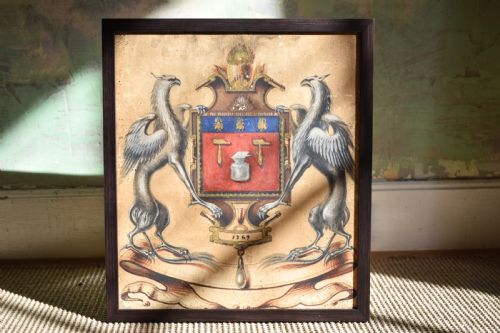
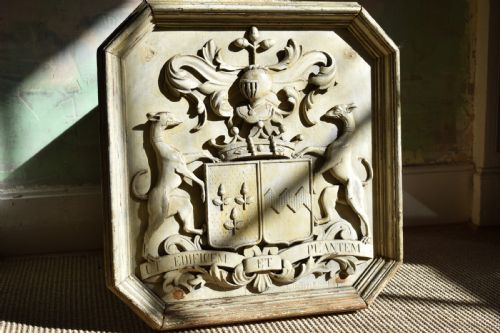
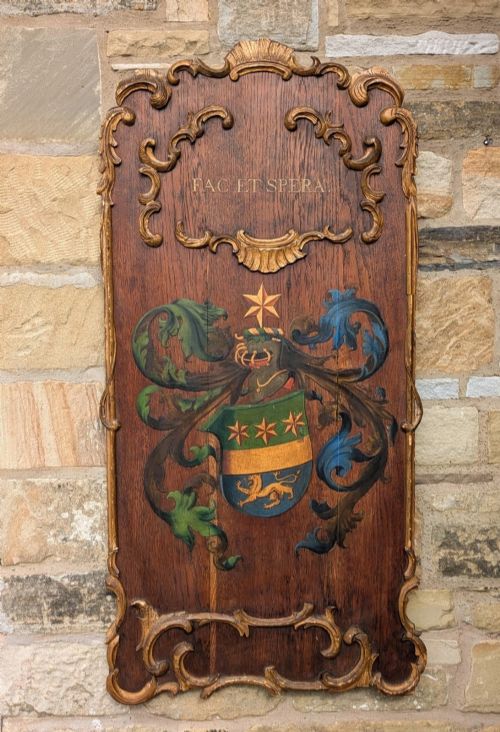
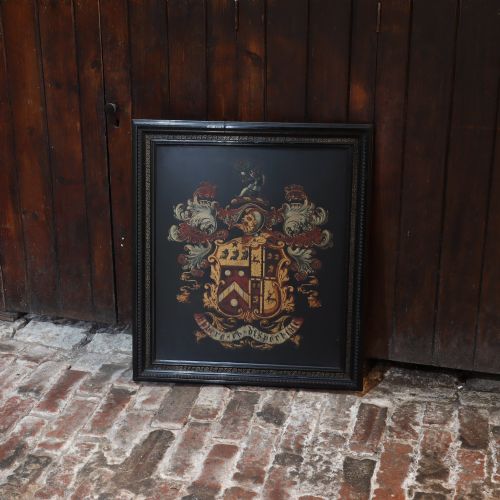
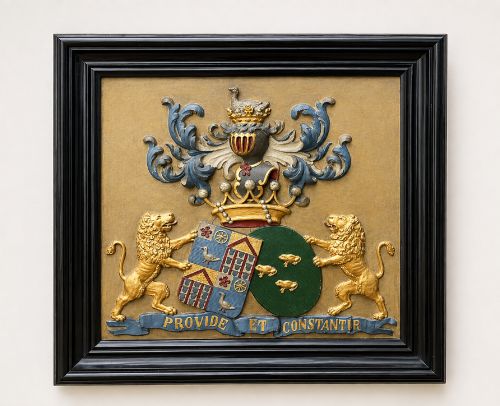
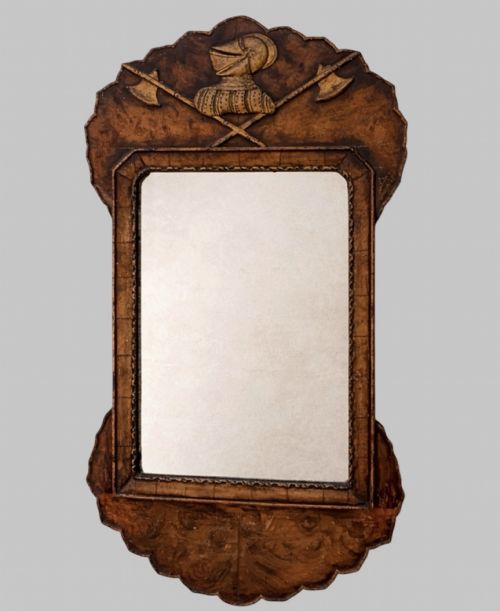
When you search for framed heraldic crest, you encounter historic armorial displays that capture family lineages and institutional identities through traditional visual symbols. These pieces function primarily as wall art, wall plaques, and mirrors incorporating carved or painted armorial details.
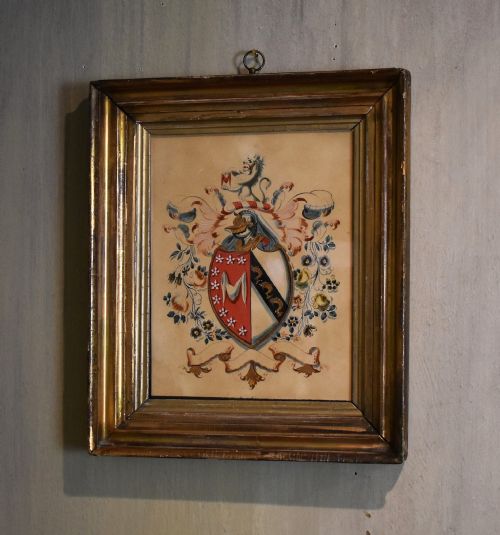
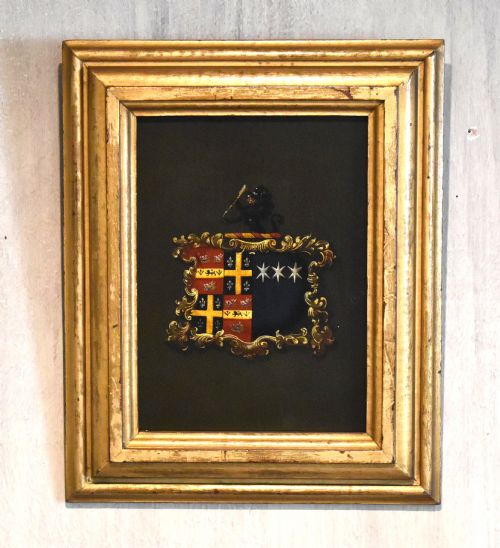
The selections span centuries of craftsmanship, ranging from Georgian and Victorian items to earlier 17th-century works. You will find objects rendered in various media, including oil paintings, watercolours, embroidered commemoratives, and carved wooden elements.
Many examples record specific families, marriages, or military units, connecting the viewer directly to particular historical narratives. The assortment includes Dutch marriage plaques, coaching panels, and carved walnut mirrors featuring armorial crests.
Materials and construction
The physical construction of these pieces relies heavily on traditional woodwork and framing techniques, utilising oak, walnut, and gilded wood to house the central armorial display. Frames often complement the period of the crest, using glass protection for delicate painted or embroidered surfaces.
Artistic execution involves oil paint, watercolours, and ink applied to paper, glass, or panels, alongside hand-carved wooden reliefs. Stained glass panels and embroidered textile works further demonstrate the diverse material approaches employed by makers of these heraldic pieces.
Framed Heraldic Crest Retail Price Guide 2026
Typical asking prices for framed heraldic crest among the pieces listed under this phrase on Sellingantiques today, from the lower quarter to the upper quarter. They describe what is for sale here now, not the wider market.
Listings feature works spanning from the 17th century through the Victorian era, utilising oil paint, stained glass, and carved wood.
Variations in quality
Quality in these armorial pieces rests upon the precision of the hand-painted or carved detail within the crest and the preservation of the original materials. Finer examples display meticulous brushwork, accurate heraldic tinctures, and crisp carving that reflect the skill of the period artisan.
The integration of the crest within its frame, whether oak, giltwood, or brass, contributes significantly to the overall integrity of the piece. Superior items maintain their original glass, pigments, and structural mounts without intrusive modern restorations.
The Framed Heraldic Crest Glossary
- Armorial
- Relating to heraldry or coats of arms displaying official familial or institutional symbols. These motifs follow strict historical rules regarding design and colour.
- Giltwood
- Wood that has been coated with a thin layer of gold leaf or gold paint. This technique enhances decorative frames and carved crest elements.
- Coaching panel
- A painted section originally removed from a horse-drawn carriage bearing a family crest or insignia. These panels preserve mobile heraldic art.
- Oil on glass
- A painting technique where pigments are applied directly to a glass surface, often viewed from the front while protected behind the pane.
- Marriage plaque
- A commemorative armorial piece created to celebrate a specific union between two families. These objects combine the heraldic bearings of both partners.
Framed Heraldic Crest: Frequently Asked Questions
What is a framed heraldic crest?
A framed heraldic crest is a historic piece of wall art displaying a family coat of arms, military insignia, or institutional emblem. These works combine traditional painting, carving, or embroidery with period framing.
They serve as decorative focal points that preserve genealogical history and traditional heraldic artistry for display in modern interiors.
How were these armorial crests used?
Historically, armorial displays were created to mark important family alliances, marriages, or achievements and to adorn stately homes and carriages. They established lineage and identity within domestic and public spaces.
Today, they are collected and hung as wall art, plaques, or mirrors that bring historical depth and narrative character to a room.
How do I hang a heavy wooden crest?
Because many of these pieces incorporate dense woods like oak or walnut alongside glass and gilt frames, they require secure wall fixings. Using appropriate wall anchors suited to your plaster or drywall ensures the weight is properly supported.
Position the piece at eye level away from direct sunlight to protect painted surfaces, watercolours, and textiles from fading.
How can I tell the period of a crest?
Dating these pieces involves examining the materials, framing styles, and the medium used for the armorial design, such as Georgian coaching panels or Victorian needlework. Stylistic indicators within the carving or painting techniques align with the specific eras recorded in the materials.
Documentation or legible signatures on the reverse can also provide precise chronological context for the artwork.