
Framed Gentleman Painting
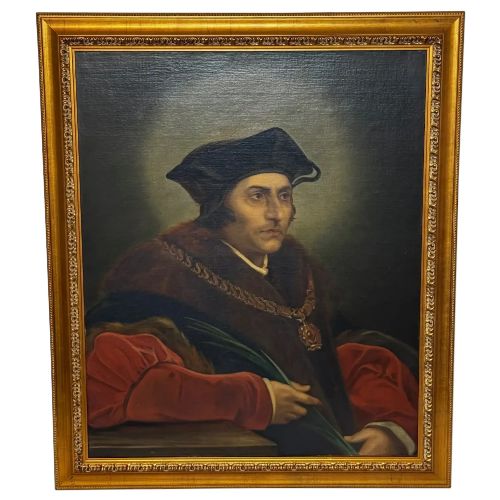
When you search for a framed gentleman painting, you encounter centuries of portraiture recording sitters from merchants to military officers.
Framed Gentleman Painting
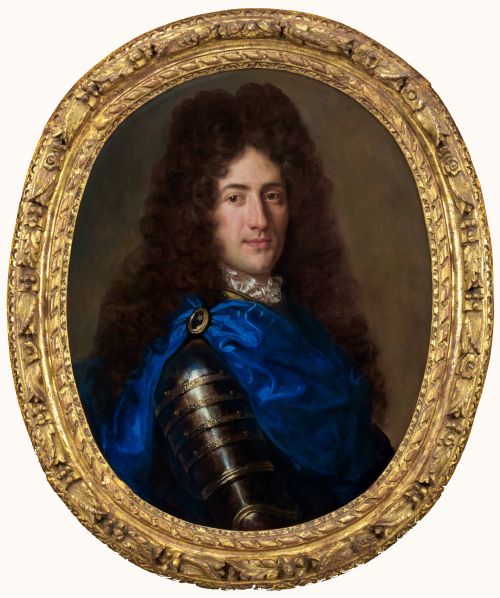
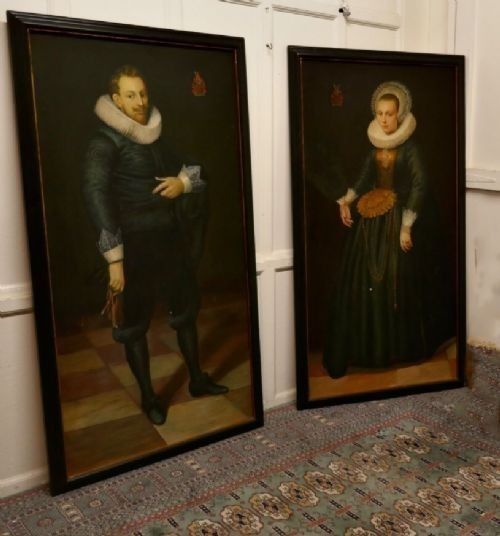
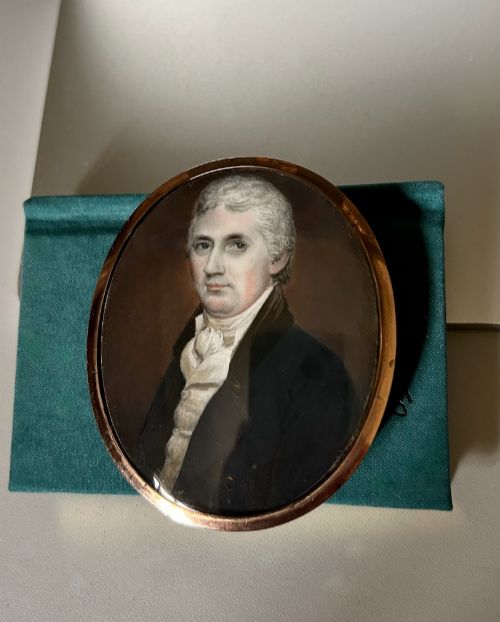
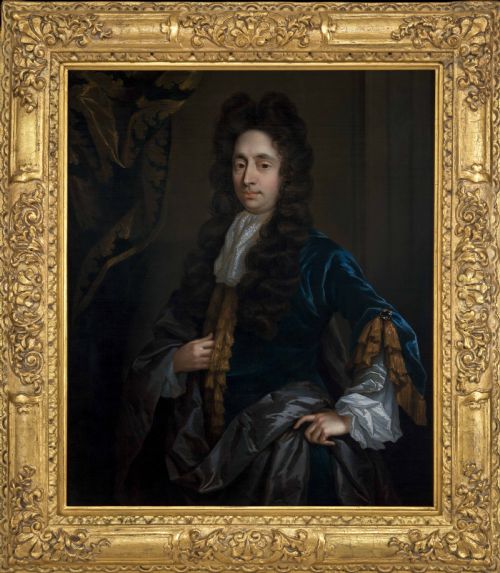
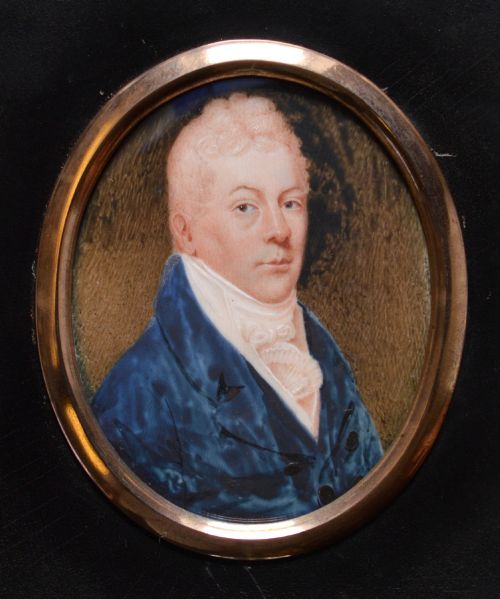
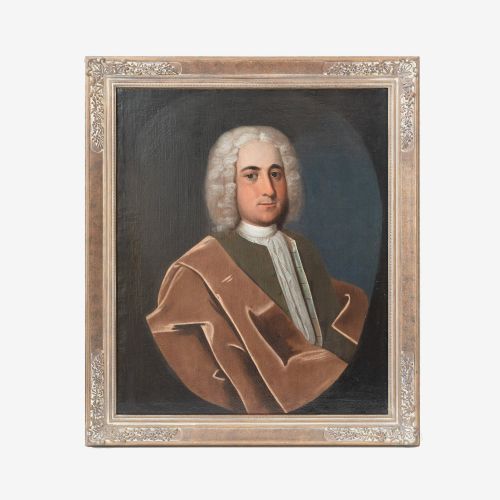
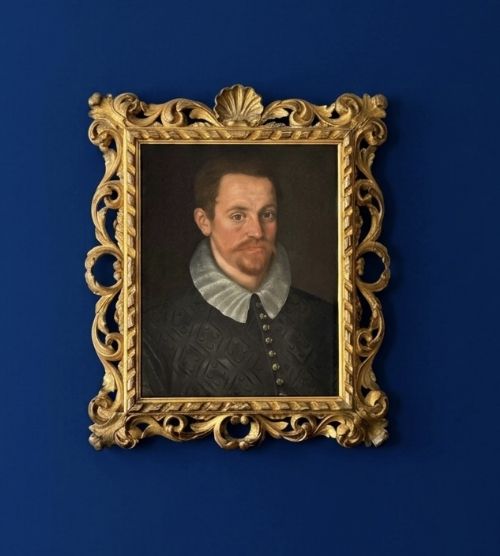
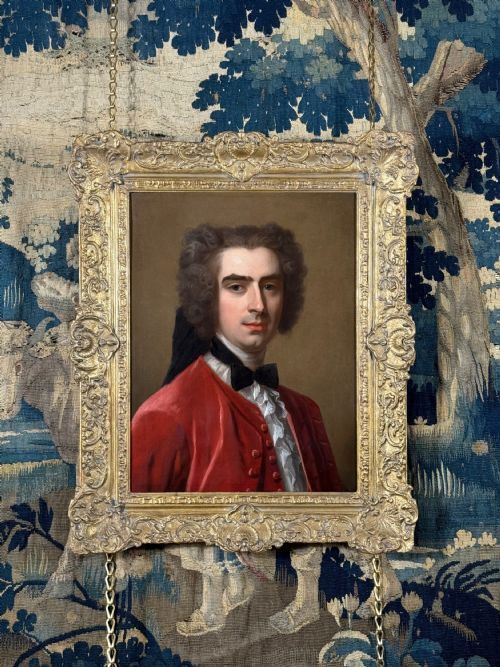
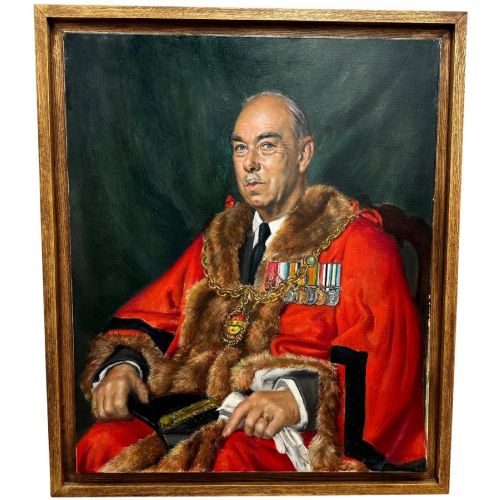
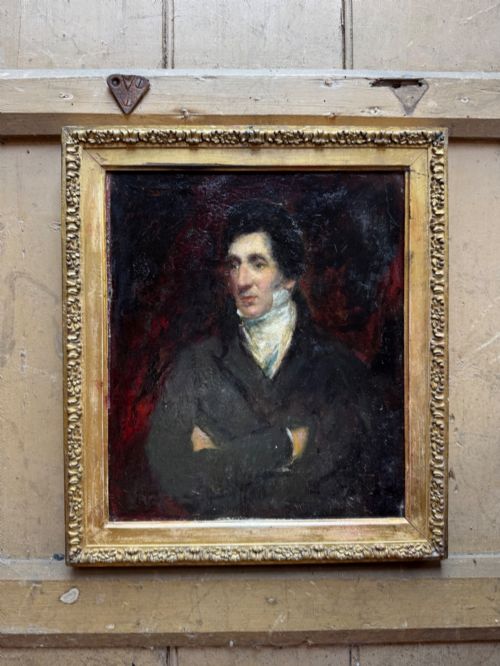
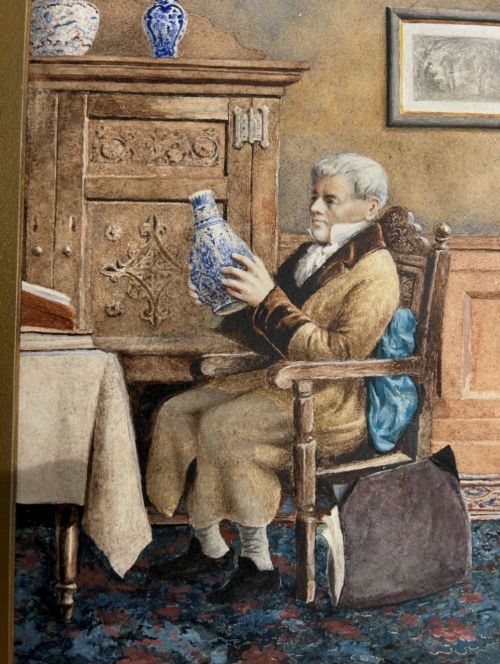
A framed gentleman painting captures an individual male sitter, ranging from 17th-century judges and military officers to 19th-century realists and early figures in oil or watercolour.
The selections on this page span the 17th, 18th, and 19th centuries, alongside Regency, Georgian, and Victorian periods, presented in various forms including miniature portraits and large-scale canvases.
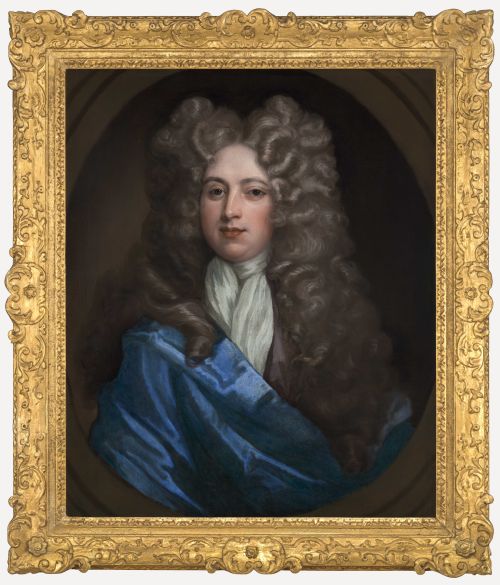
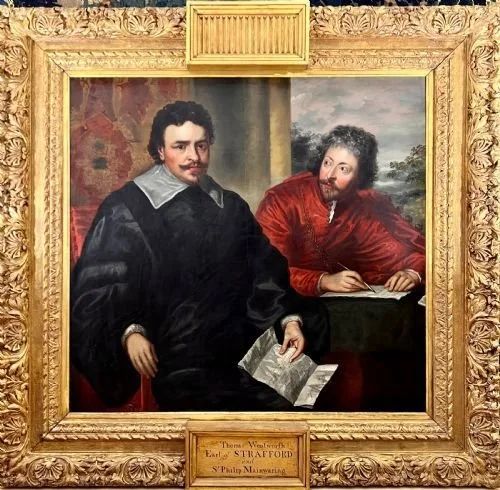
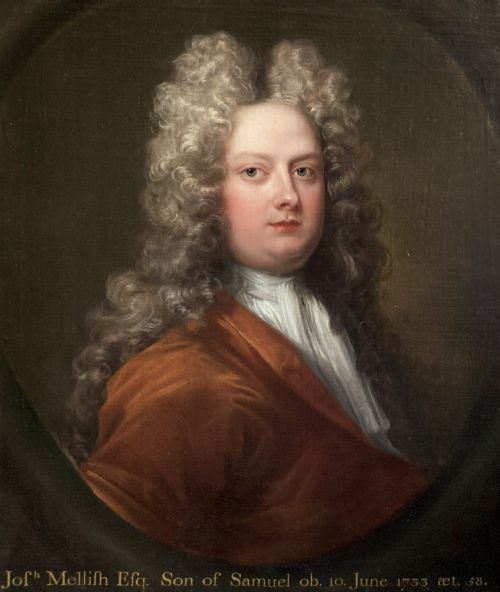
Sitters are often identified by name, profession, or title, such as mayors, captains, and lords, depicted alongside objects like books or curtains, or wearing distinctive garments such as periwigs and red coats.
How They Were Made
These works are executed primarily as oil on canvas or wood panel, utilising oil paint applied by brush, alongside instances of watercolour on paper.
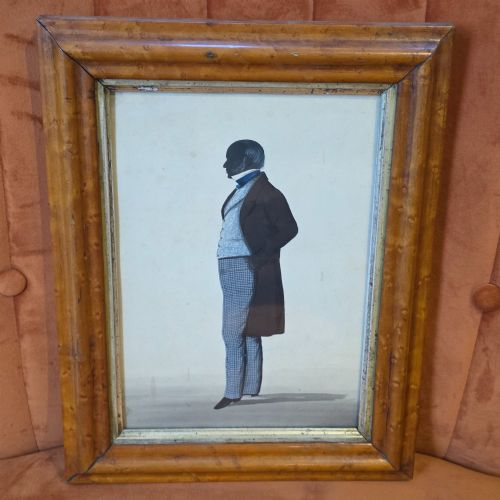
Framing is achieved using traditional materials such as giltwood and gold leaf, while certain pieces incorporate hand-cut silhouettes or miniature painting techniques on specialised supports.
The archive includes portrayals of sitters ranging from military captains and judges to merchants and mayors.
What Varies in Quality
The distinction between pieces rests on the precision of the brushwork, the psychological depth captured in the sitter's expression, and the fidelity of the period costume details.
Provenance and attribution elevate certain works, particularly those linked directly to established schools, studio circles, or named artists from the 17th to the 19th centuries.
The integrity of the original support, whether canvas, wood panel, or board, combined with the preservation of the surrounding giltwood frame, influences the overall integrity of the piece.
Charles Jervas·Jean-Baptiste Van Loo·Bernard Hailstone·Sir Godfrey Kneller·Constantyn Netscher·Lemuel Francis Abbott·Sir Joshua Reynolds·Thomas John Horsley·Thomas Murray·Charles Shirreff·John Scougall·Edouard Pingret·John Closterman·Allan Ramsay·Sir William Beechey·James Howe·John Michael Wright
The Framed Gentleman Painting Glossary
- Oil on Canvas
- A painting medium where pigments are suspended in a drying oil and applied to a stretched woven fabric support. This method dominated portraiture from the 17th century onward.
- Giltwood
- Wood that has been coated with a thin layer of gold leaf or powder. It forms the decorative border of traditional frames surrounding antique portraits.
- Periwig
- A voluminous artificial hair wig popular among men during the late 17th and early 18th centuries. Its presence helps date many early portraits.
- Portrait Miniature
- A small, highly detailed painting executed on a small scale, often set into a protective case or frame. They required immense precision from the artist.
- Attributed To
- A term used when a work is not signed but stylistic evidence suggests the hand of a specific artist or their immediate studio.
Framed Gentleman Painting: Frequently Asked Questions
What periods do these paintings come from?
The available works span several centuries, with a strong representation of 17th-century, 18th-century, and 19th-century portraiture.
You will also find pieces assigned to specific eras like the Georgian and Regency periods, reflecting changing artistic styles over time.
Are the sitters usually identified by name?
Many paintings record the actual identity of the gentleman, noting titles, professions, or biographical dates directly in the title or record.
Others depict anonymous subjects or military officers whose specific regiments and stations provide the primary historical context.
What materials were used for the frames?
The frames predominantly utilise giltwood and gold leaf, reflecting traditional framing techniques appropriate to the centuries in which the portraits were produced.
These surrounds are designed to complement the canvas, wood panel, or board supporting the oil paint or watercolour.
How do I distinguish an oil painting from a watercolour?
Oil paintings utilise thicker pigments on canvas or wood panels, often showing visible brush texture and a richer depth of colour.
Watercolours employ fluid pigments on paper supports, typically protected behind glass within the frame.