






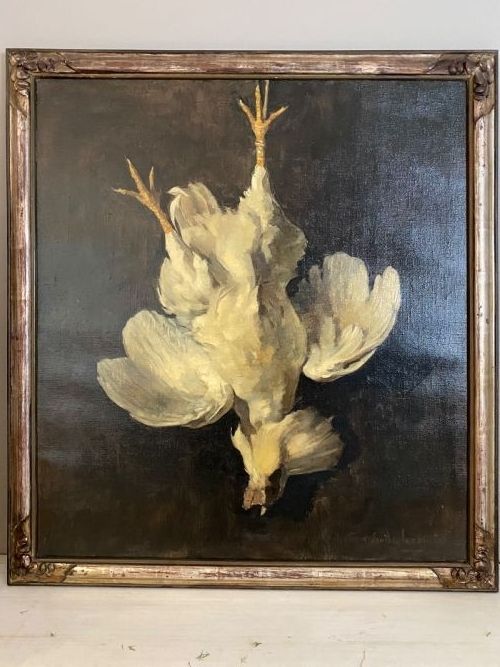
Framed Game Bird Painting
A framed game bird painting brings the rich tradition of field sports and natural history directly to your walls.
Framed Game Bird Painting
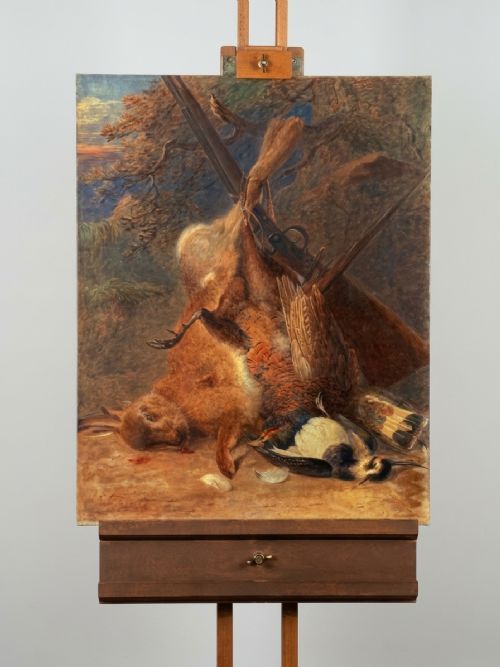
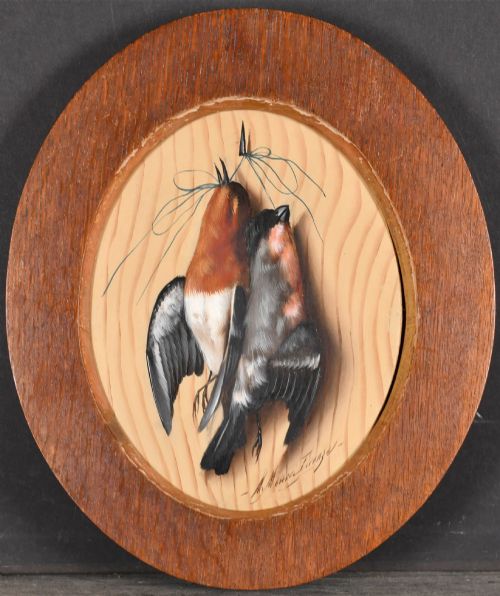
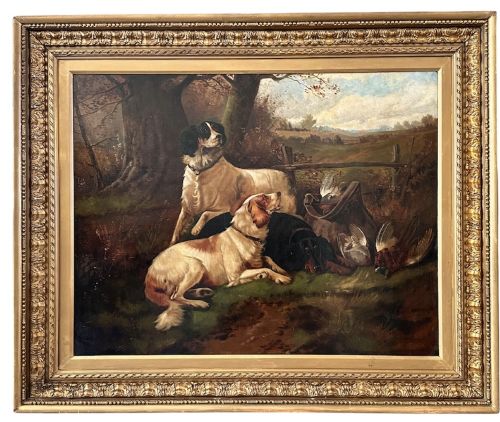
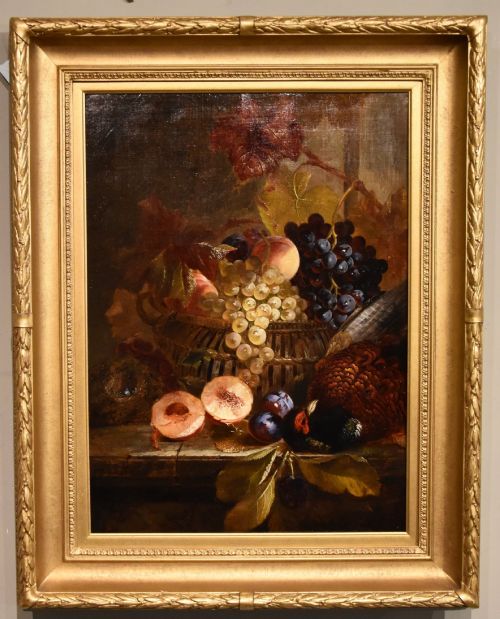
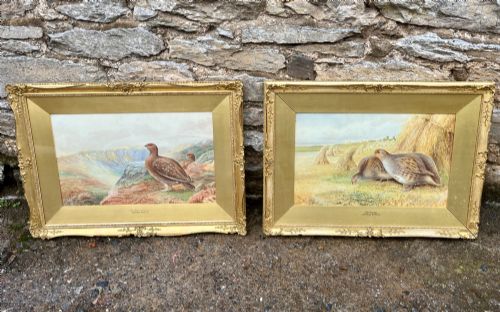
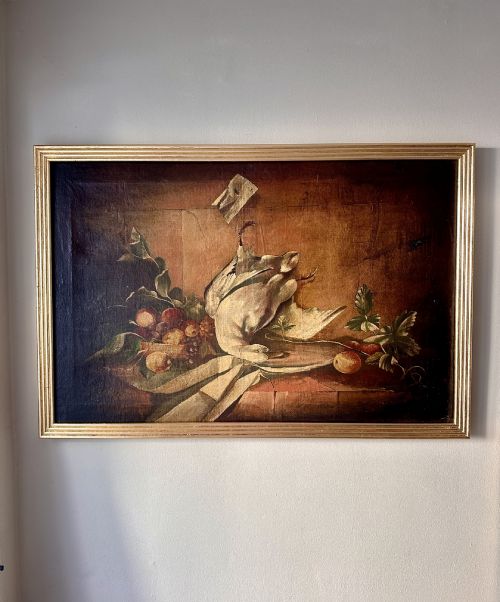
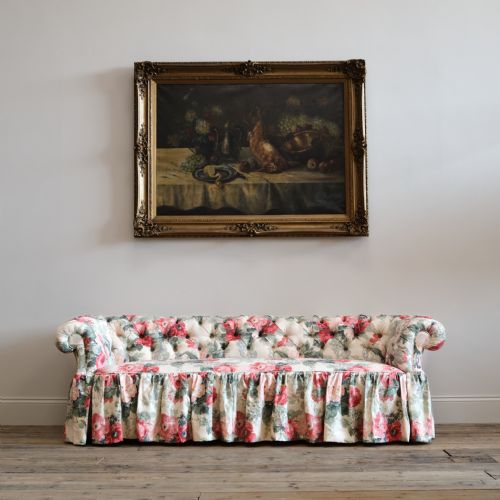
A framed game bird painting captures sporting subjects, larder scenes, and natural history studies across various historical periods. These works depict pheasants, grouse, ducks, and hares rendered in oil or watercolour, often reflecting the tastes of country houses.
The pieces on this page span from the eighteenth century through to the mid-twentieth century, encompassing Victorian sporting art, continental still life, and impressionist interpretations. Buyers encounter diverse forms, from intimate watercolours to large oil paintings enclosed in period wooden or giltwood frames.
How they were made
Artists typically applied oil paint to canvas or bodycolour and watercolour to paper, employing precise brushwork to capture the plumage and textures of the subjects. Many works utilise traditional stretcher frames and protective glass where paper is concerned.
The surrounding frames frequently incorporate gold leaf and giltwood construction, designed to complement the palette of the artwork within.
Listings feature works executed in oil paint, canvas, watercolour, and paper, housed within wood and giltwood frames.
What varies in quality
Quality rests in the anatomical accuracy of the bird and the handling of light across feathers, fur, and background elements. The distinction between a standard decorative piece and a superior work lies in the artist's ability to convey motion and texture convincingly.
The integration of the painting with its original frame also influences the overall standard, as period giltwood enhances the historical context of the work.
George Sydney Shepherd·Michelangelo Meucci·John Sargent Noble·William Henry Ward·George Rankin·Henri Joseph Pauwels·Thomas Blinks·Stephen Elmer·Emile Lecomte·Archibald Thorburn
The Framed Game Bird Painting Glossary
- Watercolour
- A paint consisting of transparent pigment suspended in a water-based solution, frequently used on paper for detailed studies.
- Giltwood
- Wood that has been treated with gold leaf or a gold-coloured metallic finish, commonly used for traditional picture frames.
- Bodycolour
- Watercolour mixed with a white pigment to make it opaque, giving the paint a denser and more solid appearance.
- Impressionism
- A style of painting that emphasises the accurate depiction of light and loose brushstrokes rather than precise detail.
- Still life
- A work depicting inanimate subject matter, typically commonplace objects or game animals arranged on a surface.
Framed Game Bird Painting: Frequently Asked Questions
What periods do these paintings come from?
The works span multiple centuries, originating from the eighteenth, nineteenth, and twentieth centuries. Styles range from early Georgian compositions to mid-century impressionism.
Victorian and Edwardian examples represent a significant portion of the available selection, reflecting shifts in sporting culture.
Are these works created in oil or watercolour?
Artists utilised both mediums depending on the intended effect and period. Oils on canvas offer rich textures and deep tones, suitable for larger compositions.
Watercolours and bodycolour on paper provide finer botanical and ornithological detail, usually preserved beneath glass.
How should I hang a framed game bird painting?
These works suit traditional spaces such as studies, dining rooms, and hallways, echoing country house aesthetics. Ensure the wall placement avoids direct sunlight to protect pigments and paper.
Matching the weight of the frame to your existing interior styling helps integrate the piece into the room.
How do I identify the subject of the painting?
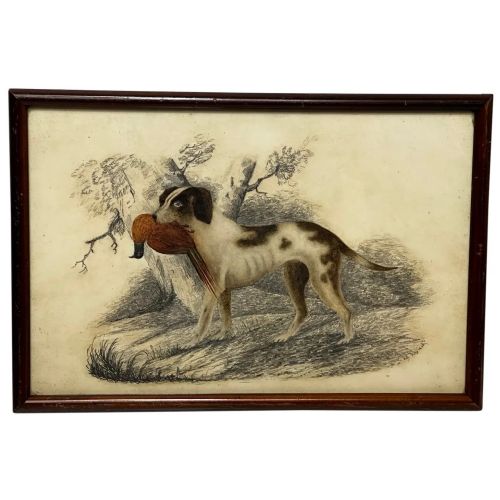
Subjects often include specific quarry such as pheasants, black game, ducks, and hares, sometimes depicted alongside gun dogs. Natural history books and sporting guides from the relevant era assist in exact species identification.
Artists frequently noted the specific bird or landscape location directly within the title or signature.