
Framed Figure Portrait
Framed figure portrait works bring historical subjects and classical figures directly into interior spaces through enduring oils and engravings.
Framed Figure Portrait
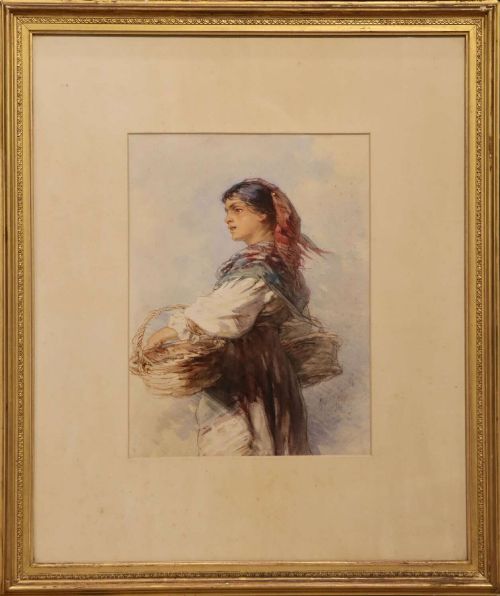
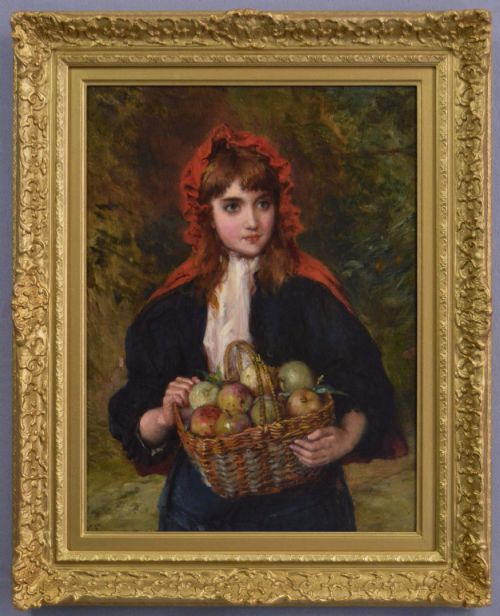
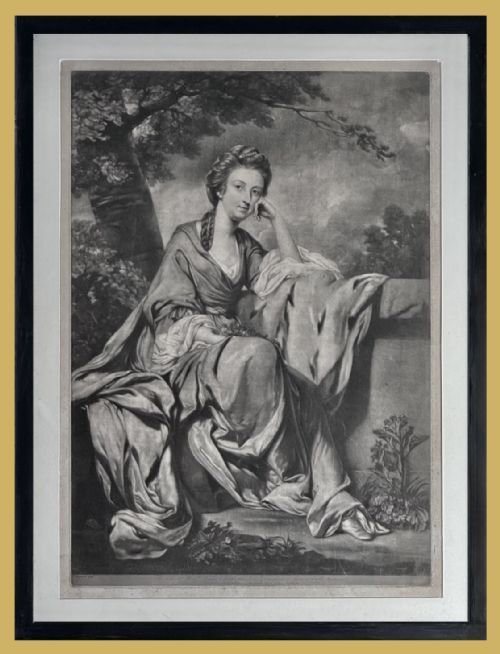
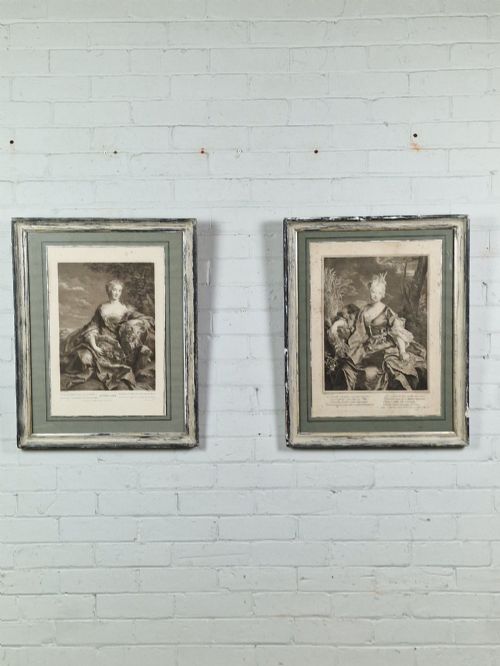
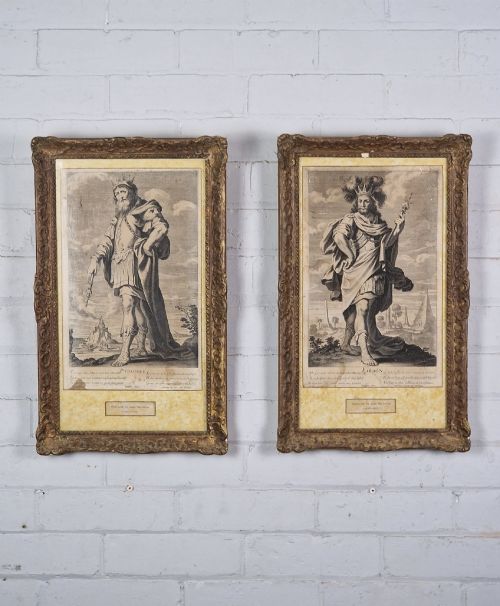
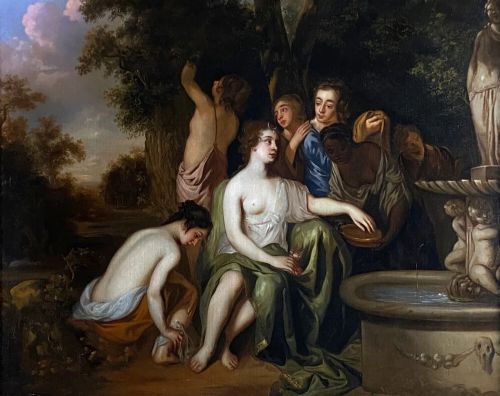
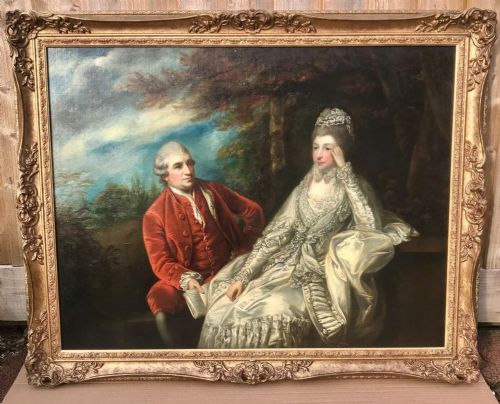
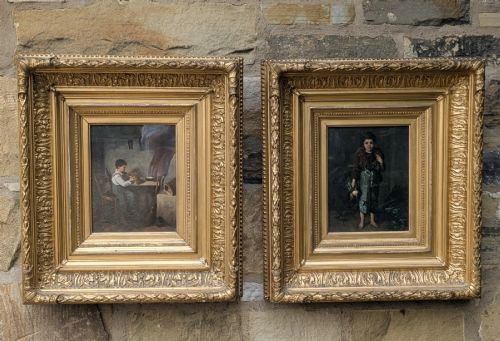
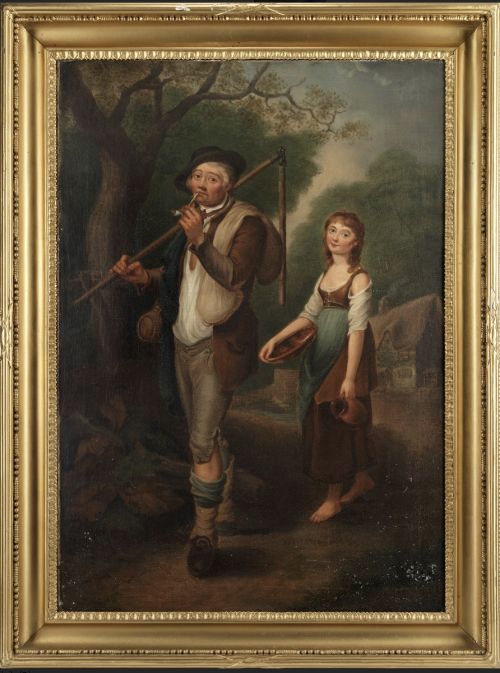
A framed figure portrait captures human likenesses and mythological subjects across several centuries, originating mainly from British, French, Dutch, and Italian traditions. These works appear as oil paintings on canvas or board, delicate watercolours, and early printed engravings housed within period frames.
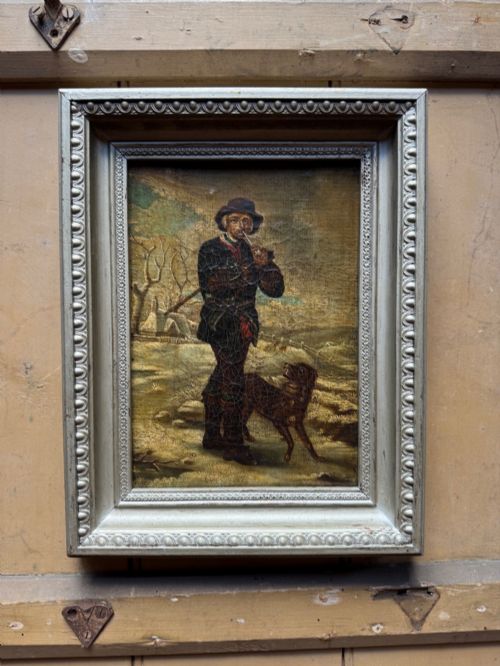
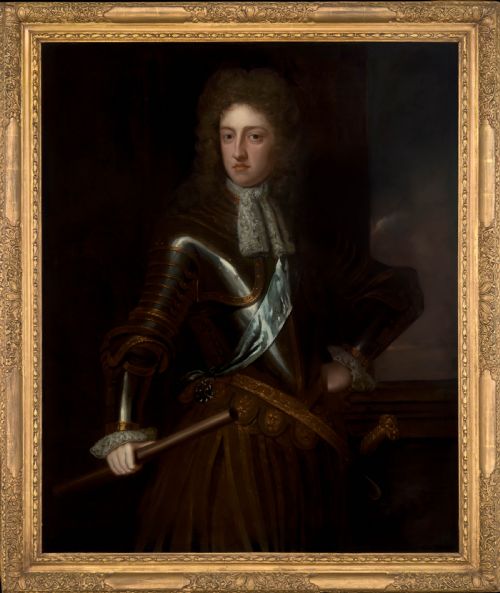
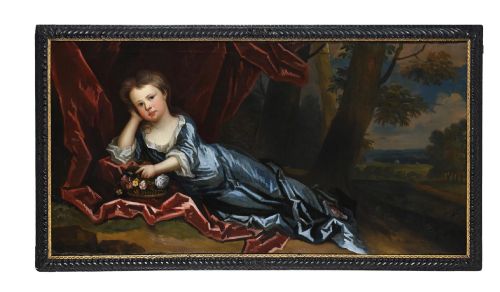
The selection ranges from seventeenth-century aristocratic studies and eighteenth-century mezzotints to nineteenth-century realist canvases and twentieth-century modernist nudes. Buyers encounter everything from grand oil paintings of nobility to intimate pencil sketches and decorative prints.
Many pieces display the direct influence of major historical workshops, including followers of Sir Peter Lely or Sir Godfrey Kneller. Others represent regional British and European schools spanning the Georgian, Victorian, and mid-century modern eras.
Materials and Construction
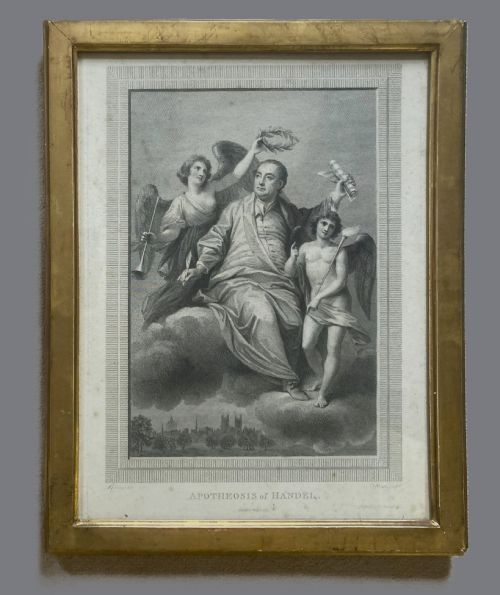
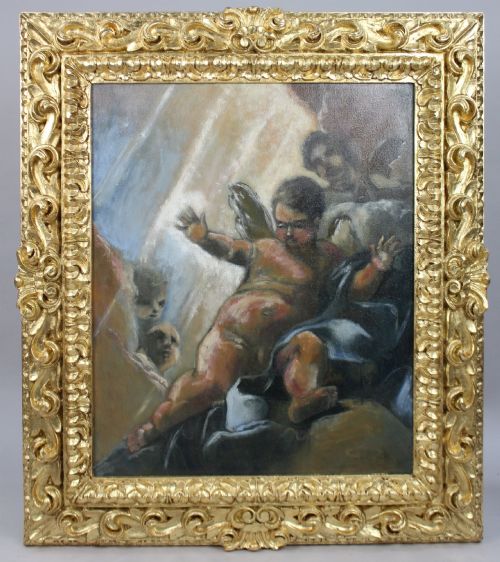
Artists painted primarily with oil paint on stretched canvas or prepared wooden panels, occasionally utilising watercolour, pencil, and impasto on paper. Engravers and printmakers worked with copper plates to produce detailed works on paper, sometimes adding hand-colouring.
Original frames often consist of carved wood enhanced with gilt or gold leaf finishes, matching the aesthetic of the period in which the artwork was created. These surrounds protect the delicate paper, canvas, and oil layers while providing structural support.
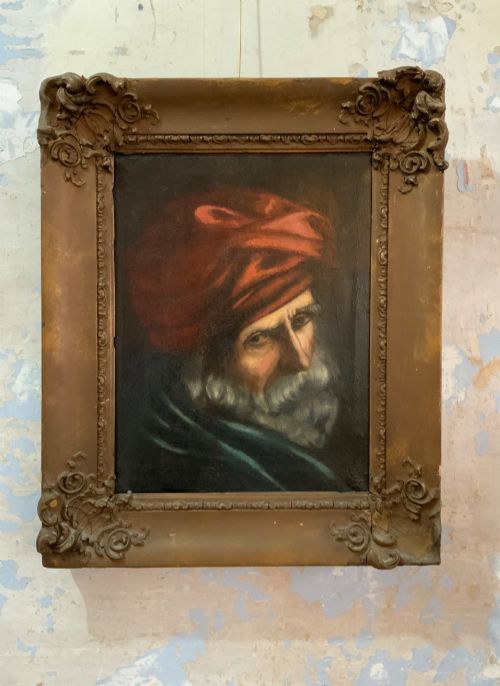
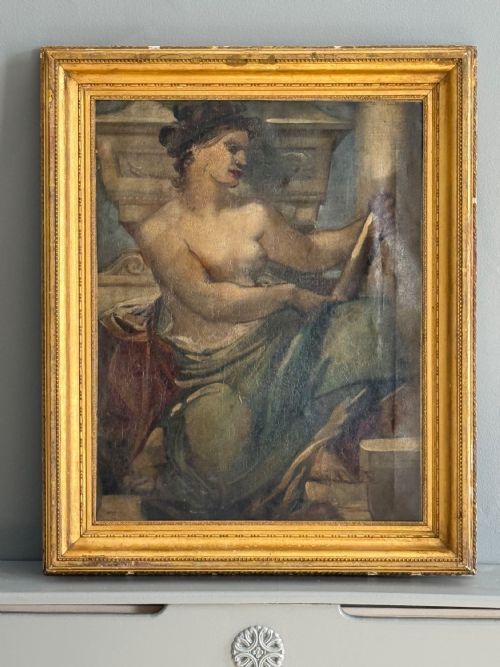
The selection includes classical mythological scenes alongside individual studies of Persian gentlemen, dancers, and British nobility.
Assessing Artistic Merit
Quality rests upon the skill of the draftsmanship, the expressive rendering of the subject's face, and the handling of light and shadow across drapery and skin. Works produced by named masters or established studio circles demonstrate superior anatomical proportion and brushwork compared to anonymous provincial copies.
The preservation of the original surface, including stable oil paint layers without excessive overpainting and well-maintained paper prints, influences the integrity of the piece. Matching the artwork with its period-appropriate carved giltwood frame enhances the historical coherence of the object.
Sir Godfrey Kneller·Sir Peter Lely·Edward Fisher·Jean Mariette·Louis Icart
The Framed Figure Portrait Glossary
- Mezzotint
- A printmaking process of the intaglio family where the plate is roughened to achieve deep tones and subtle gradations of light. This technique allowed eighteenth-century makers to reproduce oil paintings with remarkable fidelity.
- Impasto
- The process of laying paint thickly on a canvas so that it stands out from the surface. Artists utilise this method to create texture and tactile presence in modern and contemporary works.
- Giltwood
- Wood that has been treated with a thin layer of gold leaf or gilt powder. Makers applied this finish to ornate frames during the Baroque, Georgian, and Victorian periods.
- Engraving
- A printmaking method where an artist cuts lines directly into a metal plate using a sharp tool called a burin. The resulting incisions hold ink to transfer fine linear details onto paper.
- School
- A group of artists working in a similar style, region, or period under the influence of a master. Catalogues use this term when a piece reflects a specific workshop tradition without bearing a direct signature.
Framed Figure Portrait: Frequently Asked Questions
What is a framed figure portrait?
A framed figure portrait is an artwork depicting a person, group, or classical human subject, enclosed within a decorative or period-appropriate wall frame. These pieces encompass oil paintings, watercolours, and antique engravings.
They serve as historical windows into past fashion, status, and artistic techniques. Collectors select them to anchor room designs with traditional or modern human forms.
How do I date a portrait?
Dating relies on the painting style, costume details, hair styling, and the framing materials associated with specific centuries. Portraiture often reflects the prevailing aesthetic trends of the monarch or art movement of its origin.
Signatures, inscriptions, and canvas stamps left by nineteenth-century suppliers also help narrow down the year of creation. Comparing the technique to known works by studio followers provides further chronological context.
Where should I hang these artworks?
These portraits suit living rooms, studies, and hallways where adequate wall space allows the frame and canvas to command attention. Placing them away from direct sunlight protects oil paint and paper from fading.
Pairing smaller engravings in groups or hanging a large oil canvas as a singular focal point creates visual balance. Ensuring sturdy wall fixings supports the substantial weight of carved wooden and gilt frames.
Are engravings different from oil paintings?
Engravings are printed works on paper created by pressing inked metal plates, whereas oil paintings are hand-painted directly onto canvas or board. Engravings often reproduced famous painted portraits for wider circulation during the eighteenth century.
Paintings feature visible brushwork and layered pigments unique to the artist's hand. Both formats offer distinct ways to collect historical portraiture.